
 Nodrog
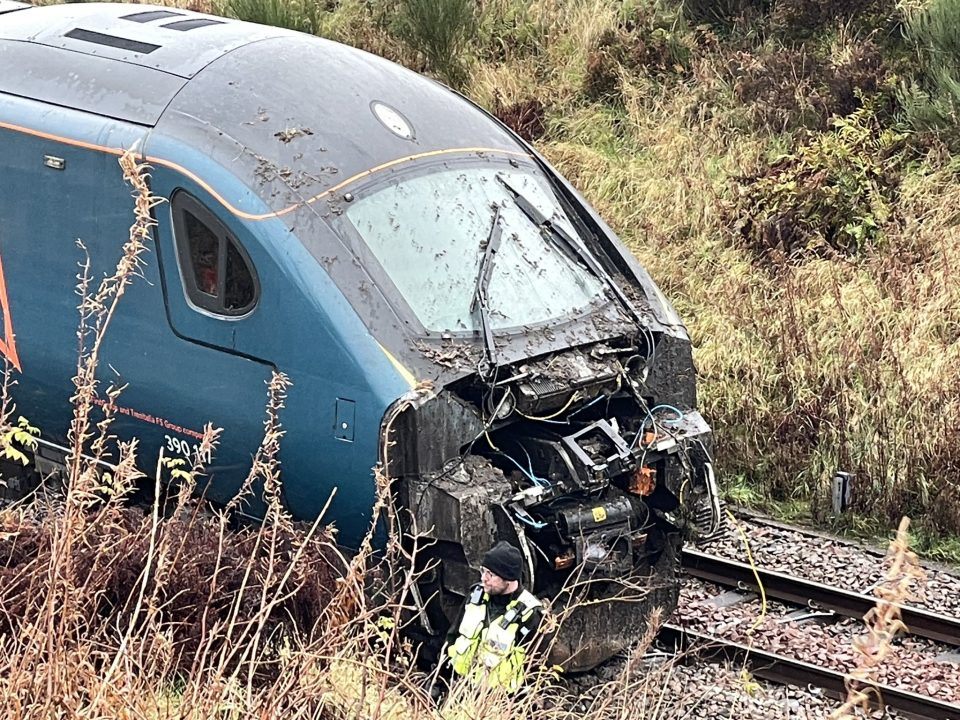
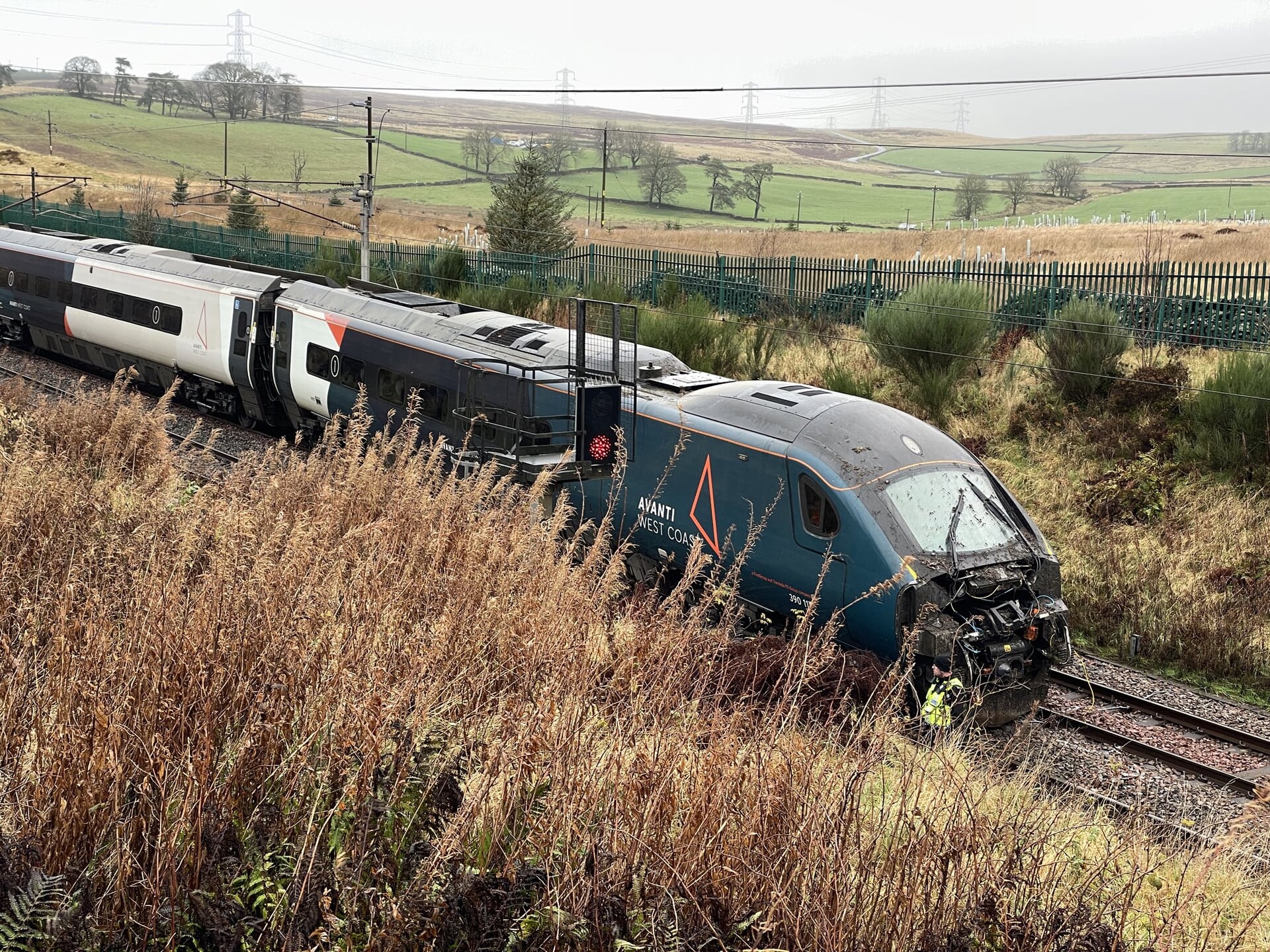
Sensors failed to detect a landslide as a Glasgow to London train derailed at more than 80mph, causing days of disruption and injuries.
Emergency services worked to get 86 passengers and staff off the train in Cumbria after the incident in the early hours of the morning of November 3.
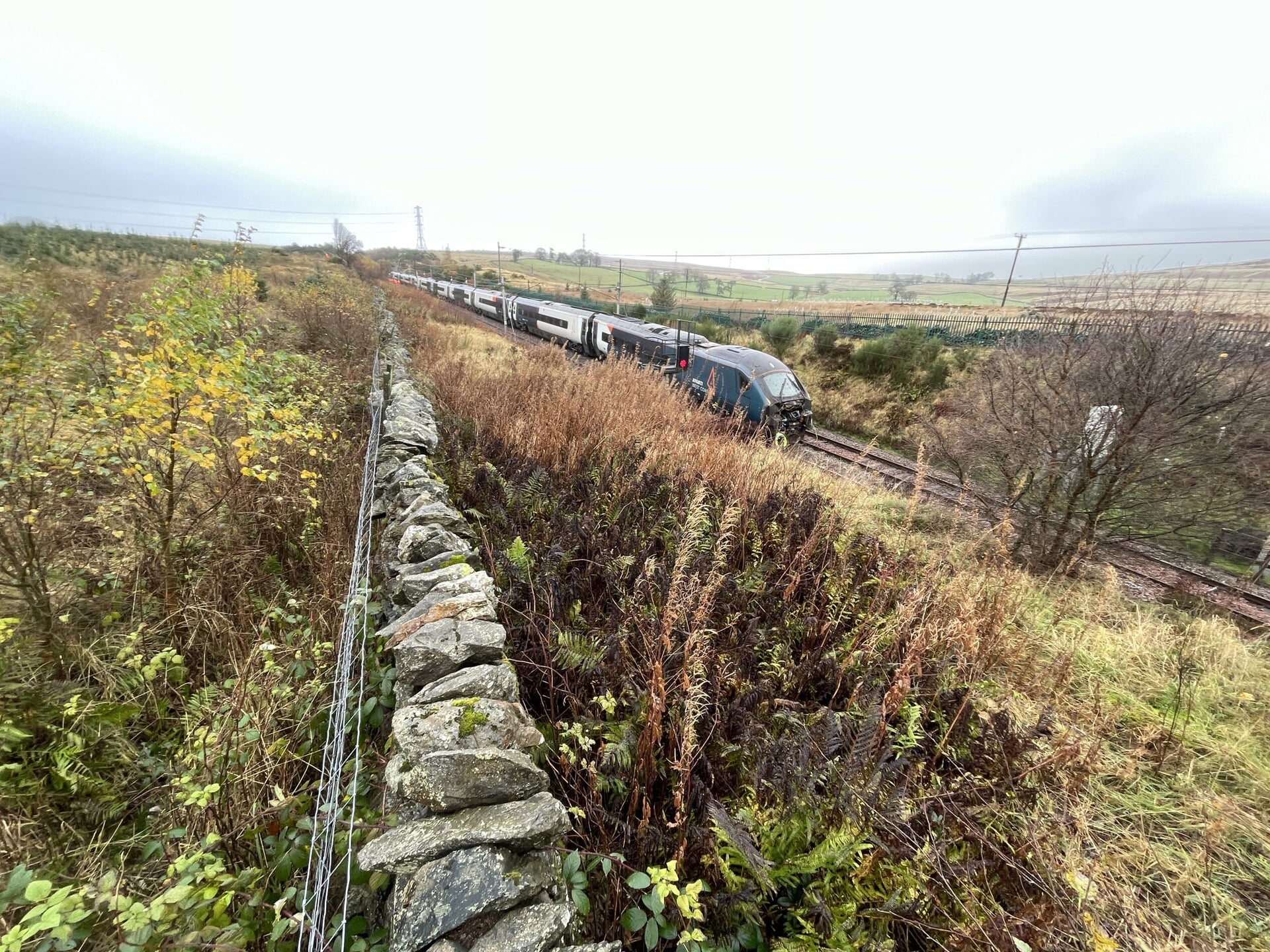
Avanti West Coast’s service from Glasgow to Euston came off the tracks at 6.10am near the village of Shap, located on the West Coast Main Line.
Eighty six passengers plus nine train staff were evacuated while four people suffered “minor injuries”.
 Nodrog
 Nodrog
The incident caused disruption on the network for a number of days afterwards.
Sam MacDougall, director of operations at Network Rail, told a news conference last month that the train struck a landslide at around 80mph.
The area where the landslide occurred has been experiencing “significant adverse weather conditions,” the operator said.
 Network Rail
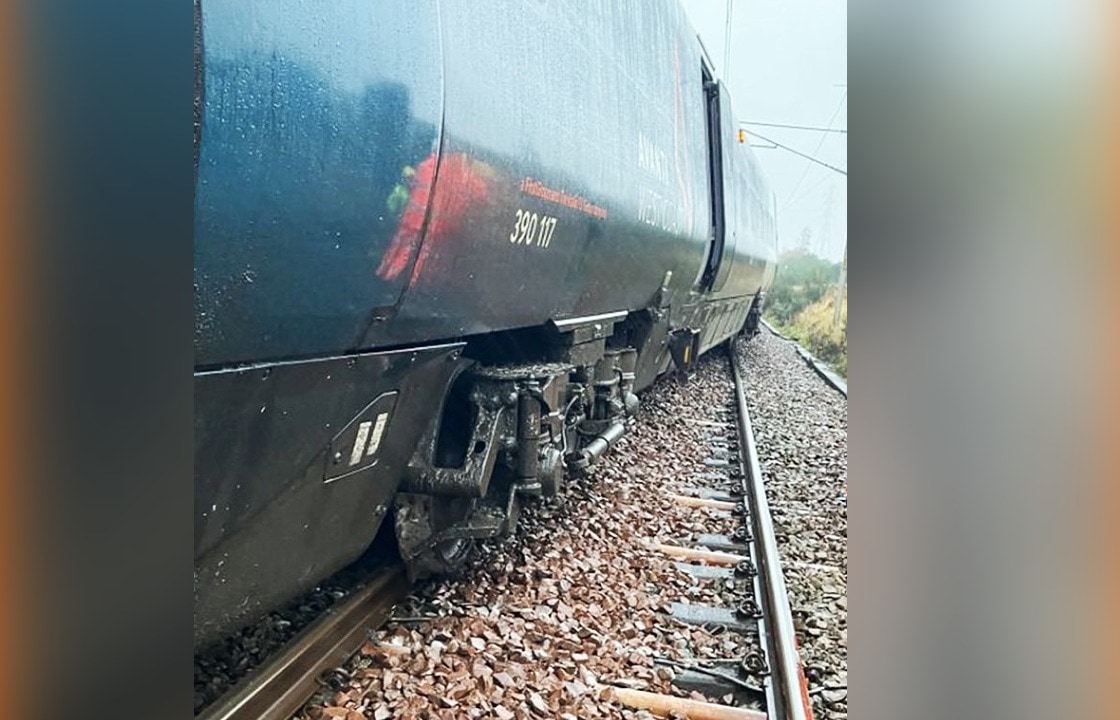
An investigation by the Rail Accidents Investigation Branch (RAIB) found the train was travelling at around 83 mph when it struck landslip debris that had been washed onto the track. The train derailed for around 560 metres
A drainage channel, which runs across the cutting slope above the washed-out material, was unable to accommodate the volume of water which was present.
This led to the slope material below becoming saturated, initiating the landslip. The cutting slope was fitted with remote monitoring equipment, which was designed to detect ground movement.
The RAIB said that at the time of the accident, the equipment used at Shap was recording data and reporting to its online monitoring service.
However, it had not been formally entered into operational use, so it was not sending alerts to the Network Rail control centre.
The RAIB said that at around 4.30am, when evidence available suggests the landslip occurred, the two sensors in the path of the debris were tipped over and subsumed by the material sliding down the slope.
The investigation said: “It would appear that this occurred too quickly for them to determine and transmit their movement and to generate an alert.
“RAIB has further concluded that the sensors’ wireless signal was also unable to pass through the layer of material which covered them.
“This is based on them being able to re-establish a connection and report a variety of alert levels as the site was cleared.”
In a safety recommendation, the RAIB said Network Rail should take “urgent steps” to mitigate the risk of such equipment being unable to detect landslips “in some circumstances”.
A spokesperson for Network Rail Scotland said: “Safety is our top priority, and Britain’s railway remains one of the safest in the world.
“Immediately after the Shap incident, we examined our sensors and processes, and found no interventions are currently required in Scotland. This will be kept under review as the RAIB investigation progresses.
“Remote monitoring forms part of a much broader approach to managing the risk of adverse weather, alongside measures such as speed restrictions, physical inspections and real-time monitoring by our team of meteorologists.
“We have strong contingency plans should any device go offline, and we continually test and enhance our systems as technology evolves.
“We have invested significantly in weather resilience, committing £1.9bn between 2024 and 2029 to renew Scotland’s railway infrastructure.
“Around £400m of this will strengthen the network against extreme weather, including more than £100m for earthworks, £100m for drainage and lineside infrastructure, and over £40m for bridges and tunnels.”
Follow STV News on WhatsApp
Scan the QR code on your mobile device for all the latest news from around the country