 Glasgow City Council
Schools will have “appropriate segregation” from three restored and reinhabited janitors’ houses to keep pupils safe, council officials have said.
Councillors were told Glasgow’s local authority would meet “the requirements of the Cullen report” — an inquiry by Lord Cullen into the Dunblane shootings — when they agreed to a deal yesterday (Thursday).
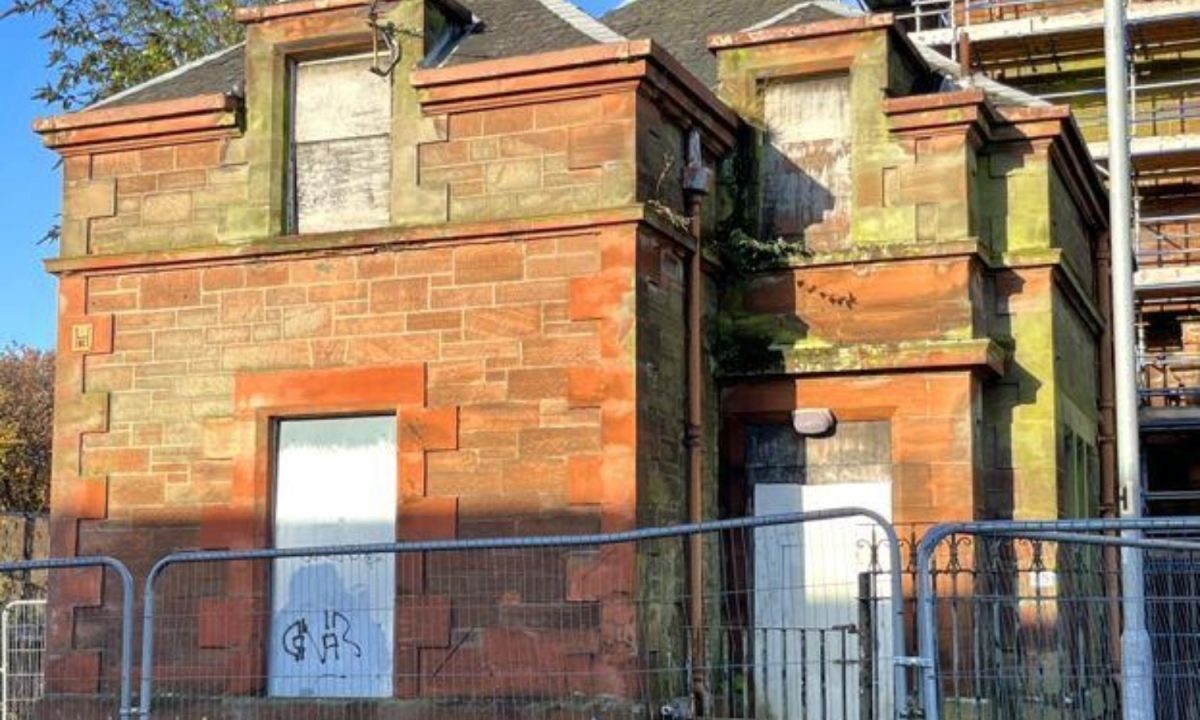
Former janitors’ houses in Calton, Govanhill and Royston are being sold — for a nominal fee of £1 — to a charity, Glasgow Buildings Preservation Trust (GBPT).
GBPT intends to restore the homes and bring them back into use. The aim is to sell the properties on to housing associations once repairs are completed.
Cllr Anthony Carroll, Glasgow Greens co-leader, asked whether measures would be taken to segregate homes from “live school estates”.
A council official said the Cullen report after “a tragic incident… recommended boundary treatments to schools to make them safe and secure places”.
In 1996, 16 children and one teacher were killed by Thomas Hamilton in the worst mass shooting in British history.
The council official said: “We will always make sure that whenever we excise a former residential janitor’s house from part of a school estate that the boundary treatments are totally appropriate in terms of meeting the requirements for the Cullen report.”
He added the council would “make sure there is an appropriate segregation between the domestic dwelling and the school”.
The three properties are B-listed janitor’s houses at 33 Cuthbertston Street in Govanhill and at St James’ at 88 Green Street, Calton, and a janitor’s house at 104 Royston Road.
They have “deteriorated over time” and require “substantial and specialised” repairs, a council report stated. GBPT are the city’s “leading heritage regeneration specialists”, it added.
Officials said the benefit of the deal “would be to bring three deteriorating buildings back into use, while also bringing affordable housing into the market to assist with the housing emergency”.
Cllr Carroll welcomed the plans to restore the properties. He asked whether the cost of the homes, after renovation, would be acceptable to housing associations.
The council official said: “What we are anticipating is that the value of the properties when they are completed will be the market value.
“The housing associations will buy them at the appropriate market value. The cost of bringing them up to the appropriate standard may have exceeded the market value.
“GBPT will be securing funding that will meet what we call the heritage funding gap. In other words, the additional cost that it is going to be to bring these properties into condition will be subsidised through grants.”
GBPT is expected to seek funding from sources like Historic Environment Scotland, the National Lottery and the Bringing Property Into Purposeful Use Fund administered by the council.
Follow STV News on WhatsApp
Scan the QR code on your mobile device for all the latest news from around the country