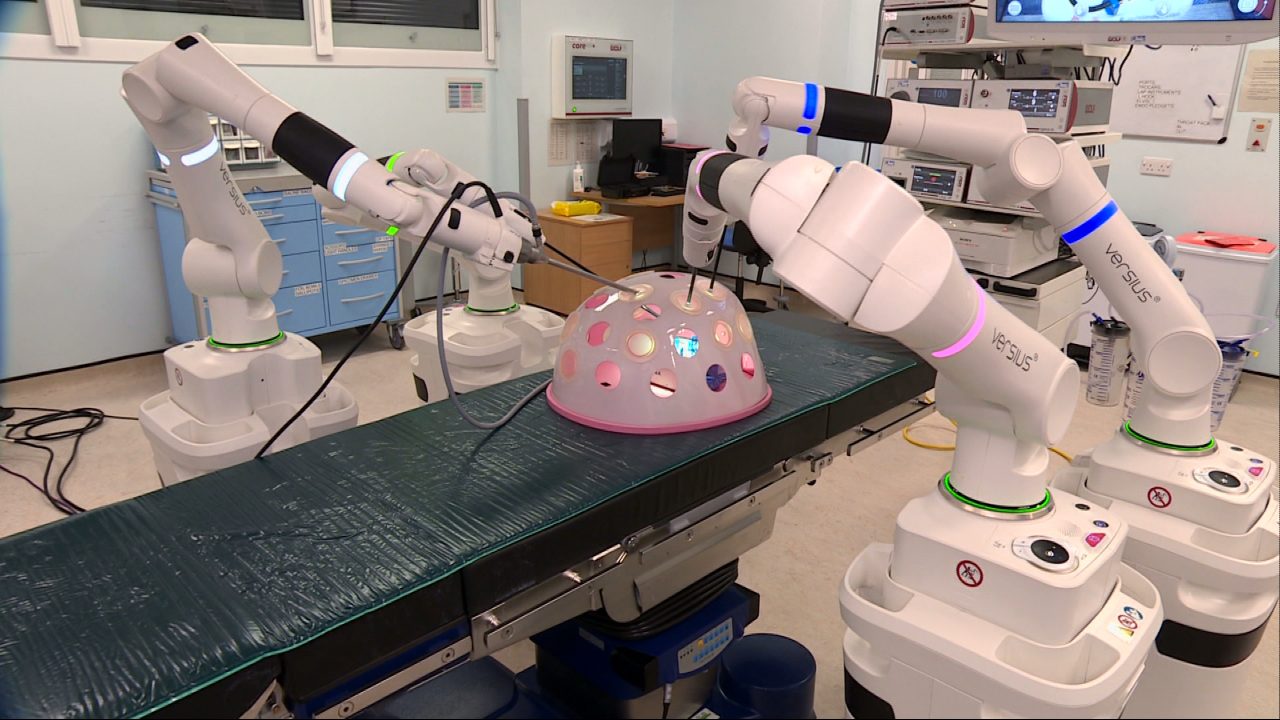
Scotland’s largest children’s hospital has become the first in the world to introduce specialised robots dedicated exclusively to the care of children.
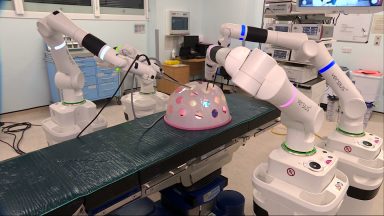
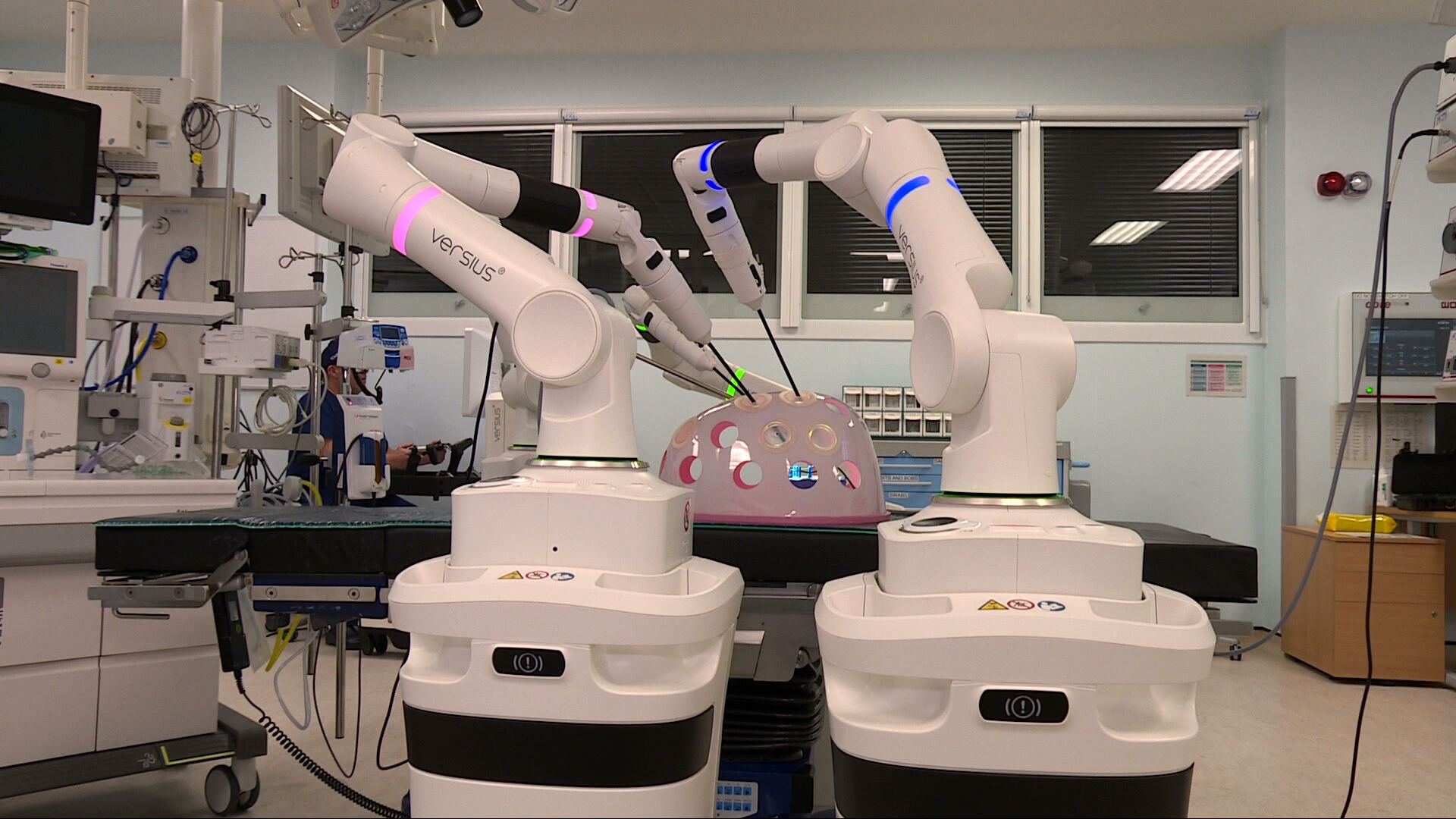
The Royal Hospital for Children in Glasgow is using the Versius Plus system, which is designed to make minimally invasive keyhole surgery more accessible and reduce the need for open procedures for some patients, including babies as young as six weeks old.
The technology will support a range of operations, including cancer, thoracic, abdominal, gastrointestinal and urological surgery.
More than 30 operations have been carried out so far.
 STV News
Mr Michael Jacovides is a consultant paediatric surgeon and clinical lead for the robotic surgery programme.
He told STV News: “The biggest benefit is being able to offer the advantages of keyhole surgery to more children than if we had not had the robot.
“Some of these children would have had open surgery, which usually means greater need for pain relief, longer staying in the hospital, sometimes staying in intensive care.
“And we have seen improvement in all those with the use of the robot.”
Laparoscopy, keyhole surgery, is a way of operating inside the body using tiny cuts instead of one large open wound.
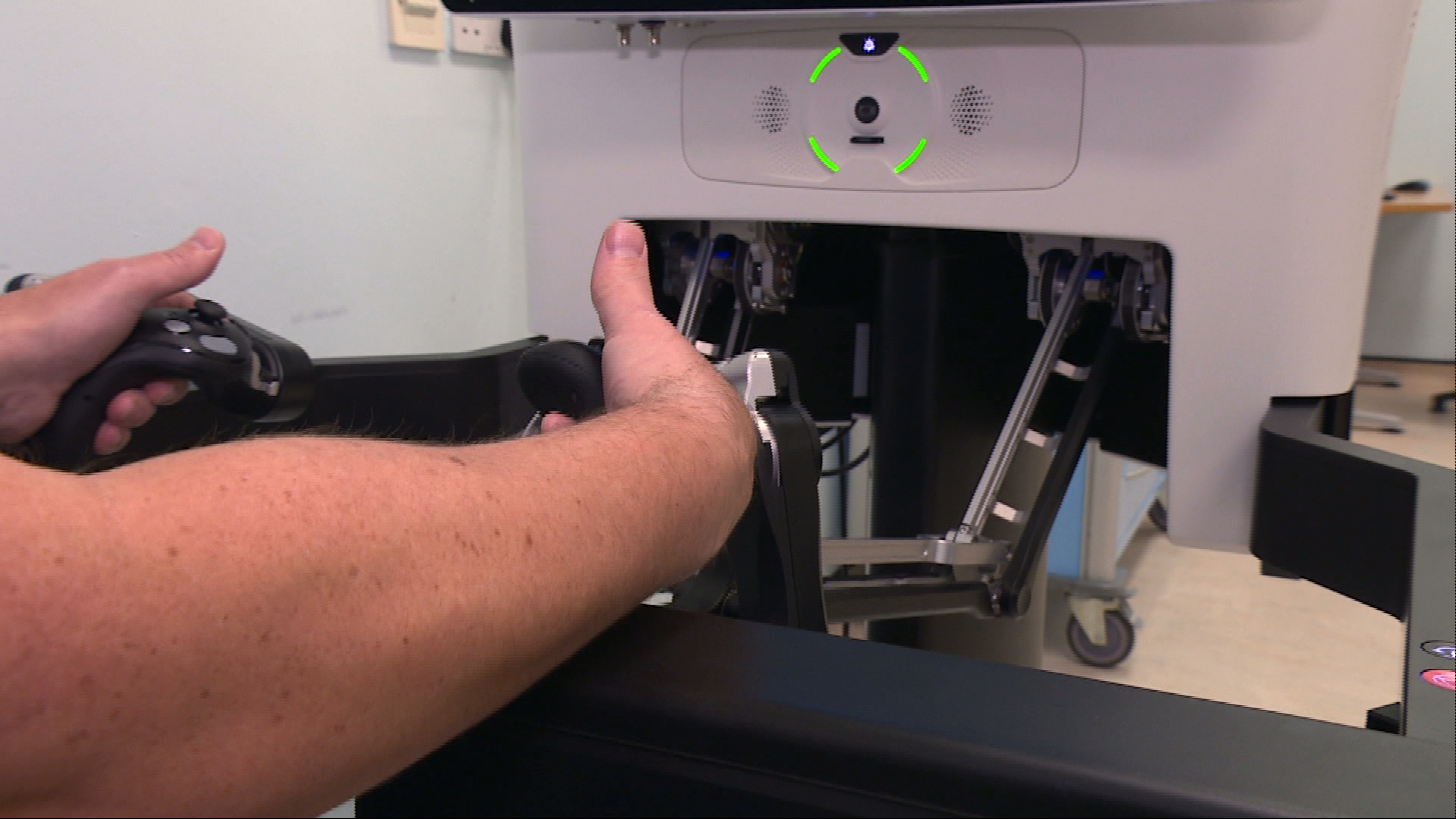
The Vercious Plus is high-spec technology. It can perform complex keyhole operations, often taking away the need for more invasive surgeries where possible.
 STV News
That means less pain, smaller scars and quicker recovery times.
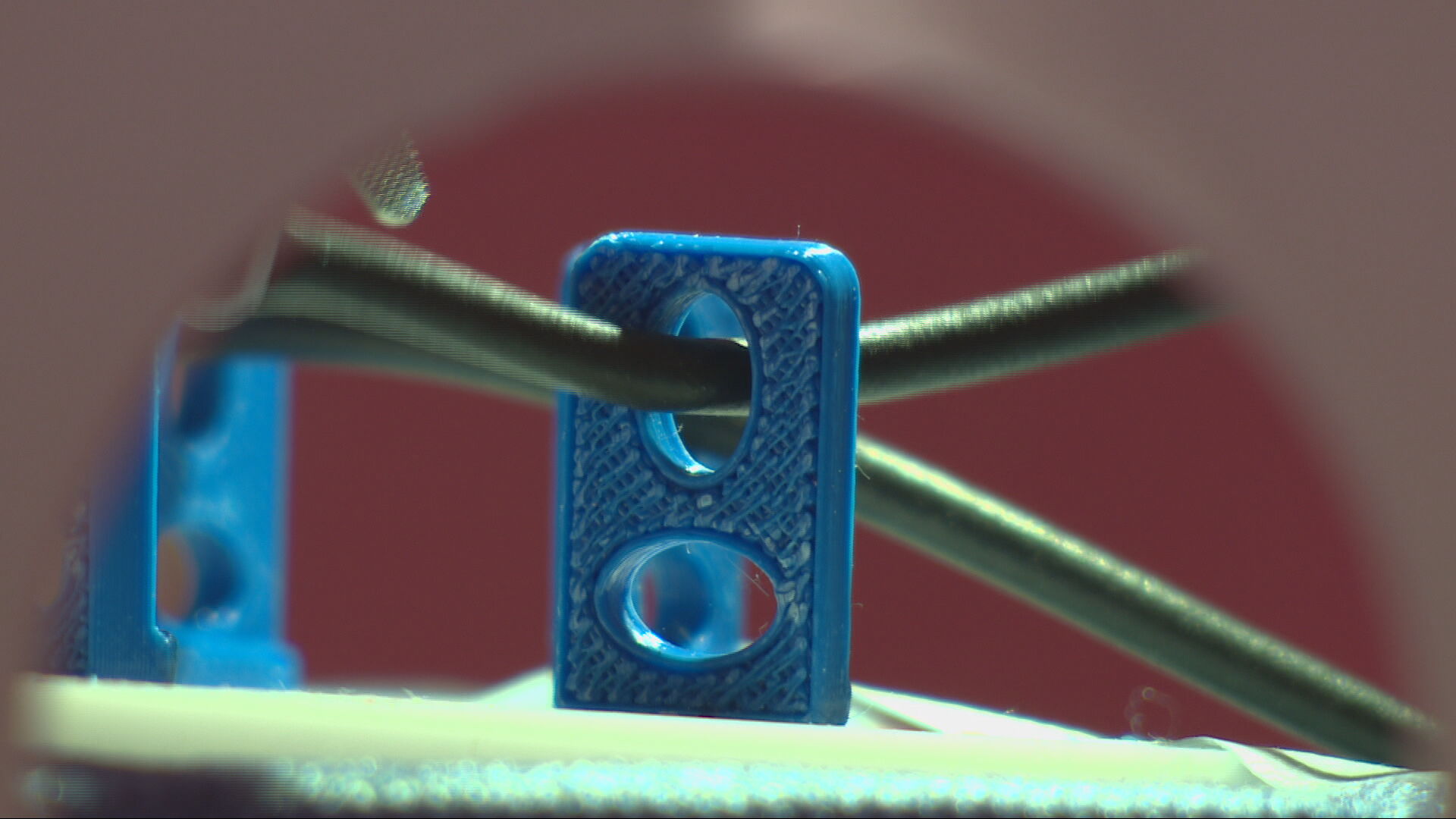
Doctors have been practising using a simulator, which resembles a dome with holes.
Paediatric urologist Martin Flett demonstrated how the simulator works.
“What we’ve got is a threading template which we can pass this through,” he said. “It allows us to learn how to use these instruments in a controlled fashion that’s not going to hurt anybody. Long before we go anywhere near a patient, we spend hours practising using these simulators.
“It can take quite some time to get used to. This system uses a 3D screen that helps with depth perception in the abdomen. It helps to increase the accuracy.
“It teaches us to use the positioning, the clutching and the movements of the wrists. As you can see, we have a huge amount of control within the body cavity.”
 STV News
The technology was acquired due to the single largest donation ever received by the hospital.
Coldstones Charitable Trust pledged more than £1.5m to Hi Scotland, the innovation arm of the Glasgow Children’s Hospital Charity.
Although the technology is available to some paediatric patients elsewhere through shared systems or facilities in larger adult hospitals, Glasgow is believed to be the first dedicated children’s hospital in the world to purchase and own the system solely for paediatric patients.
Glasgow Children’s Hospital Charity chief Kirsten Watson said: “Glasgow as a city has always been at the forefront of medical innovation. We’ve worked with manufacturers, investment schemes, and clinician schemes. It’s been a process over 12 months helping to get to this point.
“Innovation is ultimately about improving outcomes and experiences for children and families, and this investment has the potential to influence the future development of paediatric surgery far beyond Glasgow and Scotland.”
Follow STV News on WhatsApp
Scan the QR code on your mobile device for all the latest news from around the country