 GUARD Archaeology Ltd via Supplied
An ancient Roman fortlet linked to the Antonine Wall has been discovered in the back gardens of several homes in Bearsden.
Dating back almost 2000 years, archaeologists uncovered a stone base and defensive ditch believed to be part of a small Roman outpost.
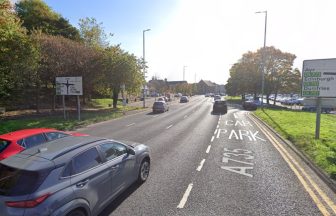
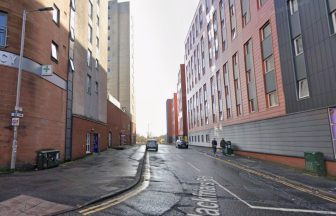
Investigations within the gardens of three adjacent residential properties on the town’s Boclair Road were carried out, revealing the remains of a defensive structure.
Wood recovered from the bottom of the ditch was radiocarbon dated to AD 127-247, placing it within the period when the Antonine Wall was in use and shortly after it was abandoned.
A survey also uncovered stone structures, likely surviving fragments of the Antonine Wall itself, while two pieces of Roman pottery were also found beneath the stone base.
 GUARD Archaeology Ltd via Supplied
Archaeologists believe this suggests the site formed part of the wider frontier defence network, where smaller fortlets supported larger forts and were manned by small detachments of soldiers monitoring the frontier.
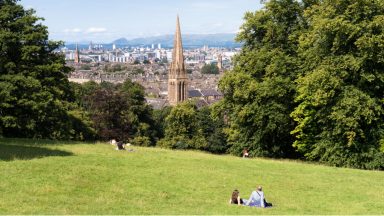
Environmental evidence from the ditch has also revealed what the area looked like when the Romans built the wall.
Plant remains and fossil beetles suggest the surrounding landscape was mainly open pasture with areas of partially cleared woodland.
Trees likely included alder, hazel and willow, with smaller amounts of oak and birch, while grasses covered the open ground.
Archaeologists say the discovery highlights the importance of archaeological work during the planning process.
A spokesperson from GUARD Archaeology said: “The work within the three gardens in Bearsden has revealed how important the planning process is to archaeological investigation and the discovery of new sites.
“Given their location and date, the archaeological remains discovered in the back gardens of Boclair Road are related to the Antonine Wall, and it would therefore seem that the stone base supported a turf wall and the ditch was a section of the perimeter ditch around a hitherto unknown Roman fortlet.”
 GUARD Archaeology Ltd via Supplied
The Antonine Wall was built from AD 142 on the orders of Roman emperor Antoninus Pius.
Stretching across central Scotland, it marked the northern edge of Roman-controlled Britain and separated Roman territory from lands further north that remained outside imperial rule.
Unlike Hadrian’s Wall in northern England, the Antonine Wall was built largely from turf laid on top of a stone foundation.
The newly discovered fortlet sits on high ground beside the route of the Antonine Wall and would have had clear views across the surrounding landscape, particularly to the north beyond Roman control.
It was also visible from the larger Roman fort at Bearsden to the west.
Follow STV News on WhatsApp
Scan the QR code on your mobile device for all the latest news from around the country