 Adobe Stock
Raised brows and a slow blink can make speakers appear more confident, according to new research into facial movements from the University of Glasgow.
The new study, published in Proceedings of the Royal Society B, found that non-verbal communication had a significant impact on how confident a speaker was judged to be by those listening to them.
The findings showed that successful communication relies on a range of signals, including speech, vocal tone, facial expressions and physical gestures.
However, while gestures and vocal cues are known to influence how speech is interpreted, much less is known about how facial movements shape perceptions of speaker confidence.
To investigate whether facial movements influence how people are perceived, the research team created computer-generated ‘speakers’ representing two different cultural backgrounds who answered questions.
The researchers varied the speaker’s facial movements around the eyes and eyebrows while keeping their spoken words and vocal tone consistent.
Participants from Western European and East Asian cultures watched and listened to the different versions of the speakers and rated how confident their answers appeared.
 iStock
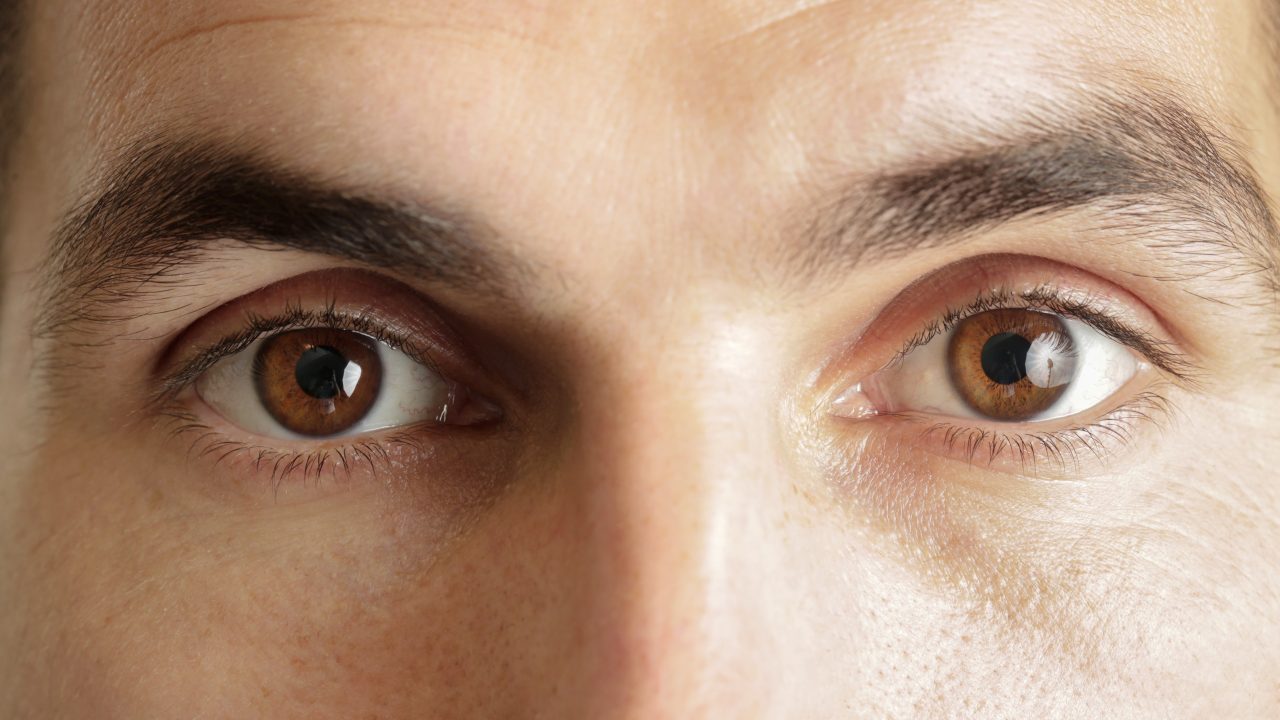
Overall, the researchers found that participants from both Western European and East Asian cultures associated raised eyebrows and briefly closed eyes with greater confidence.
In contrast, lowered brows and narrowed eyes were associated with doubt or a lack of confidence.
Researchers say their findings highlight the vital role facial movements play in human communication, alongside language and non-verbal gestures.
Dr Jonas Nölle, the postdoctoral researcher at the University of Glasgow who led the study, said: “When interpreting speech, listeners draw on more than just the words and voice.
“By experimentally manipulating facial signals while holding verbal content constant, our study shows that even when the words and vocal cues remain the same, changing the speaker’s facial movements can alter how confident or doubtful their answers appear.”
Professor Rachael Jack, honorary senior research fellow at the University of Glasgow, and corresponding author of the study, said: “Across cultures, brow raising and eye closure were associated with increased perceived confidence, whereas brow lowering and eye tightening were associated with doubt.
“These findings extend previous observational accounts of facial signals in conversation by demonstrating that such movements do not merely accompany speech but actively shape how it is understood.”
The study, ‘Dynamic facial movements shape how confident speakers appear,’ is published in Proceedings of the Royal Society B. The work was funded by the European Research Council (ERC), Wellcome Trust, UKRI and the Economic and Social Research Council (ESRC).
Follow STV News on WhatsApp
Scan the QR code on your mobile device for all the latest news from around the country