 LDRS
LDRSA shop in East Ayrshire has avoided losing its alcohol licence after blaming a “bad apple” employee for counterfeit vodka containing a potentially lethal chemical found on its shelves.
East Ayrshire Licensing Board issued the premises in Newmilns with a written warning following a lengthy hearing, although it was made clear that some members indicated they would have favoured revoking its licence had the hearing been held closer to the time of the incident.
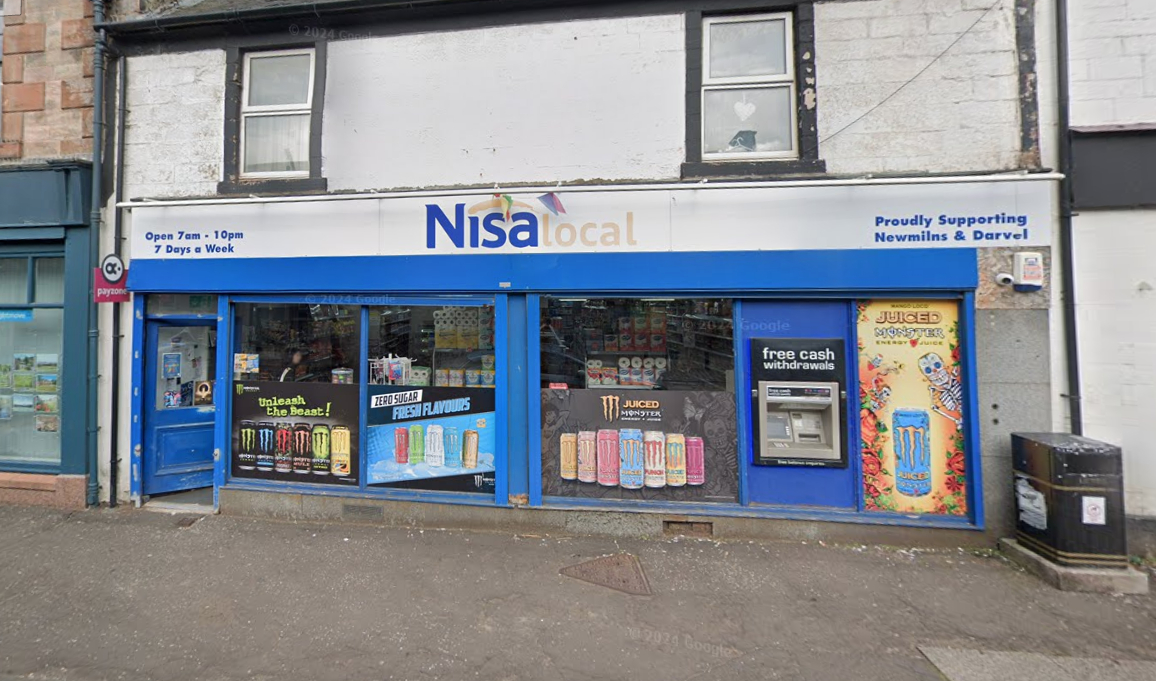
The counterfeit Glens vodka was found when council officers inspected the then-Nisa shop on Newmiln Main Street in September 2024, as part of a wider operation prompted by reports of fake spirits elsewhere in Scotland.
The product is made just 20 miles from Newmilns, in Catrine.
Officers found 24 small bottles displayed for sale and another 48 in boxes nearby.
Testing detected isopropyl alcohol (IPA) in the bottles, a chemical that can cause vomiting, abdominal pain, serious intoxication and respiratory depression, as well as coma in severe cases.
Food Standards Scotland said differences between genuine and fake bottles include the shape and colour of the glass, labelling, duty markings and absence of laser-etched production information.
However, the individual counterfeit bottles carried barcodes which the shop’s till system recognised as Glen’s vodka.
The shop’s representatives did not challenge the test results but disputed suggestions that the licence holder had knowingly allowed counterfeit alcohol to be sold.
Solicitor Andrew Hunter said the family believed a “rogue employee” tasked with buying supplies from a wholesaler had instead obtained the vodka from an unauthorised source and kept the money provided for legitimate stock.
He said the employee initially denied responsibility before admitting what he had done and being dismissed.
However, Food Standards Scotland challenged that account, saying that the man identified by the business denied ever working at the Newmilns shop or supplying counterfeit vodka.
Investigators said his Glasgow employer confirmed he worked there full-time, six days a week.
The business could only produce an informal employment record with the man’s details and alleged starting date, with no reference to his dismissal. It admitted he had been paid cash in hand.
The board also heard Food Standards Scotland’s claim that the licence holder’s account contained inconsistencies involving transport, telephone details and descriptions of the alleged employee.
The FSS official also claimed that a Glasgow wholesaler had no record of genuine sales to the store owners.
Mr Hunter said purchases would have been made under the name of their company, but no one from the authorities requested further information. He said the board faced two competing accounts and questioned what incentive a dismissed “bad apple” would have to admit responsibility to investigators.
He argued that differences between the bottles would not necessarily have been obvious in a busy shop, particularly as brands regularly changed their packaging.
Premises manager Mohammed Amir Yasin told the board: “We didn’t know what to look for. We didn’t know about laser etching beforehand, but obviously we know about it now.”
However, Licensing legislation requires premises license holders to train staff in identifying counterfeit goods.
The premises has since changed how it purchases stock. Around 90% of products are now ordered through Londis and the Booker Group and delivered directly.
Alcohol bought separately can be purchased only by the licence holder or premises manager. The business has also introduced photographic identification, references and formal employment records for staff.
Councillors found that the incident had engaged licensing objectives covering public safety, public health and the prevention of crime and disorder.
After members were shown genuine and counterfeit bottles, councillor Claire Leitch said she understood why customers might not notice the discrepancies, but questioned whether somebody handling alcohol daily should have done so.
She said: “If you were working with alcohol every day… would you accept that they’re still not too similar, even as someone who works with alcohol every day?”
Mr Hunter said bottle designs changed regularly and the differences might not immediately raise an alarm.
Cllr Leitch said well-publicised cases of Glens vodka being counterfeited using the same chemical meant the business should have been aware.
An official said one manager had acknowledged seeing news coverage before the bottles were found.
Mr Hunter said there was no evidence the retailer received a warning and objected that the manager’s alleged comments had not been raised previously.
The Local Democracy Reporting Service found the warning had been widely reported before the inspection, including the Food Standards Scotland alert on its own website two days before the bottles were seized.
It also emerged that a USB drive purported to contain CCTV footage was sent to Food Standards Scotland by a council officer, but contained no usable footage. The official acknowledged the matter was not pursued.
Members were reminded that any sanction had to address a current licensing risk rather than punish the business for something which happened almost two years earlier.
Mr Hunter said suspension or revocation would be disproportionate because changes had been made and there had been no repeat incident.
The board agreed to issue a written warning, which will remain part of the premises’ licensing history and may be considered if further problems arise.
Follow STV News on WhatsApp
Scan the QR code on your mobile device for all the latest news from around the country