 Getty Images
It was a day that Glaswegians will remember forever.
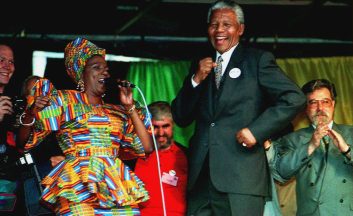
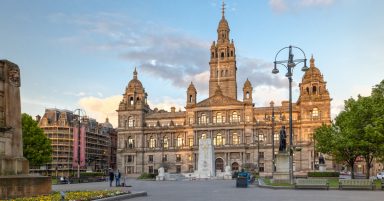
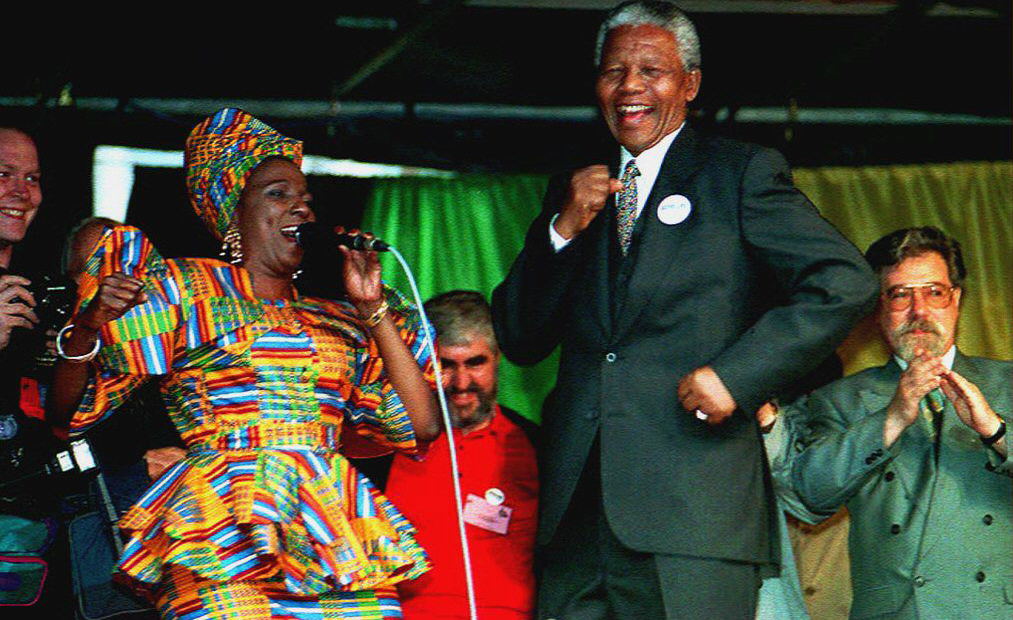
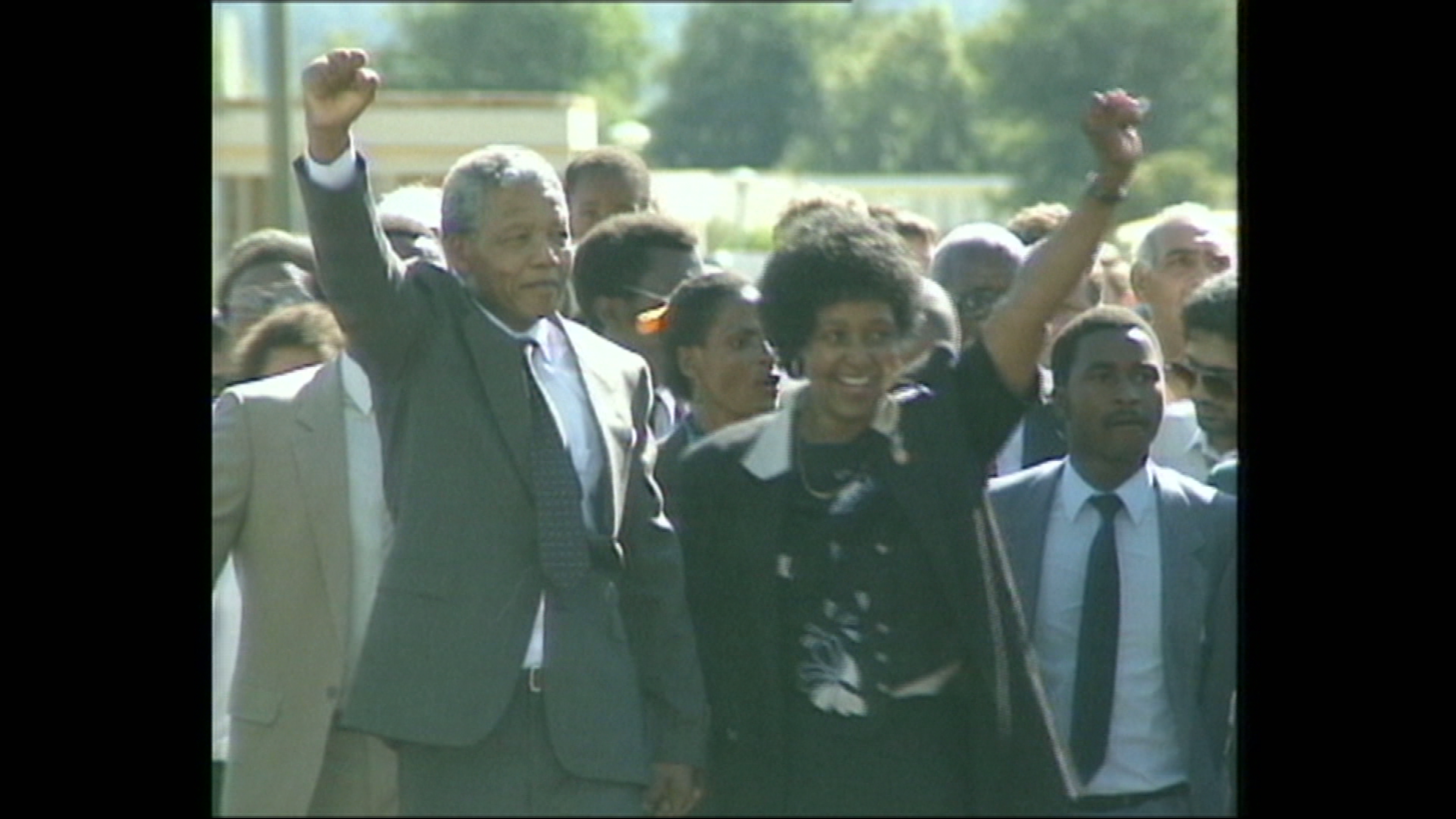
More than 10,000 people packed into George Square in the pouring rain one Sunday evening to see Nelson Mandela after he accepted his Freedom of the City in 1993.
The South African anti-apartheid revolutionary, who had been imprisoned for 27 years before his release in 1990, thanked jubilant crowds and danced to a Sowetan by South African singer Marah Louw.
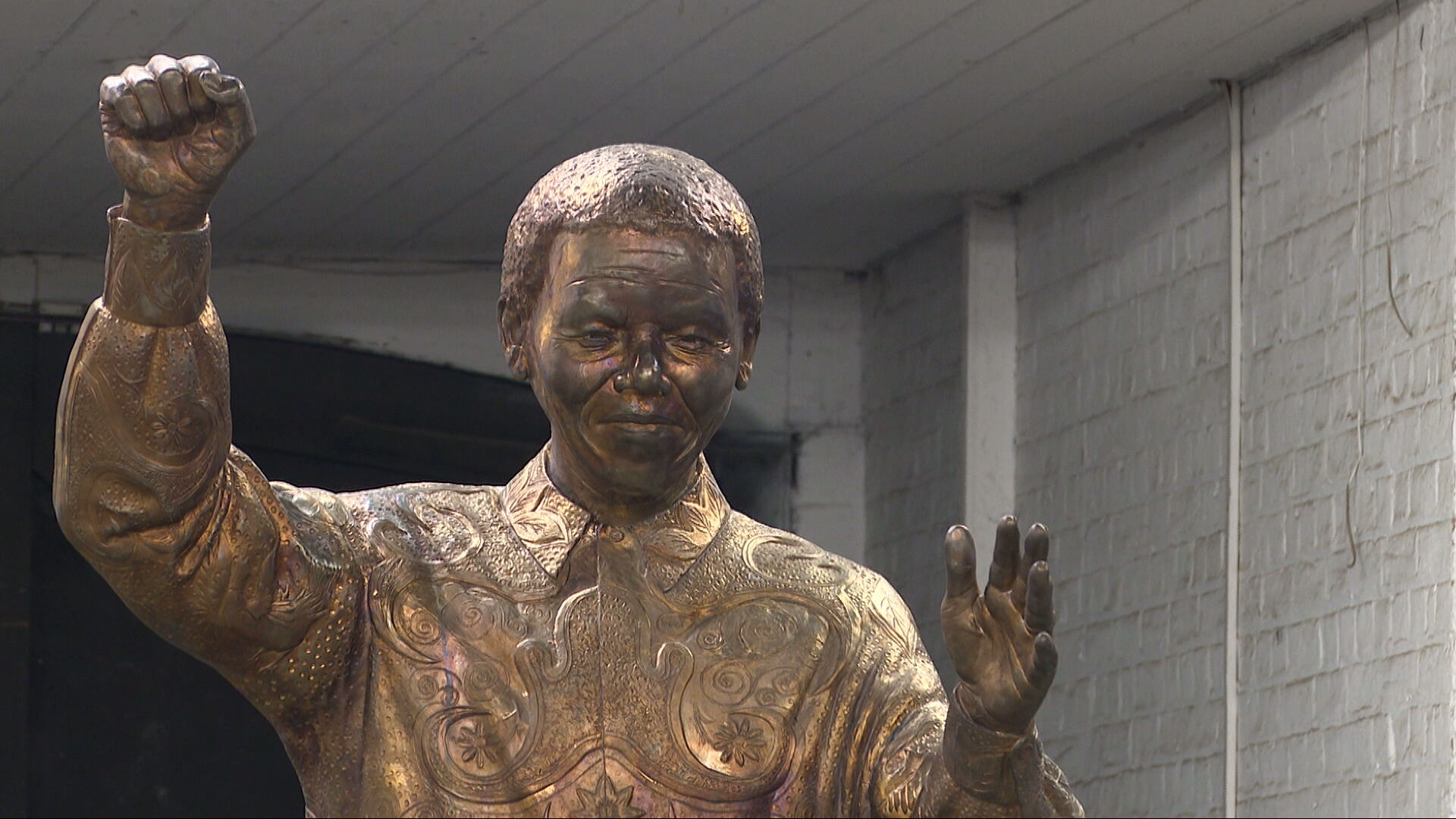
Now, exactly 33 years after that historic visit, a statue is to be unveiled in the city in tribute to him.
Mandela was labelled a terrorist by UK and US Governments for his role in challenging racial segregation in his home country.
But Glasgow saw things differently.
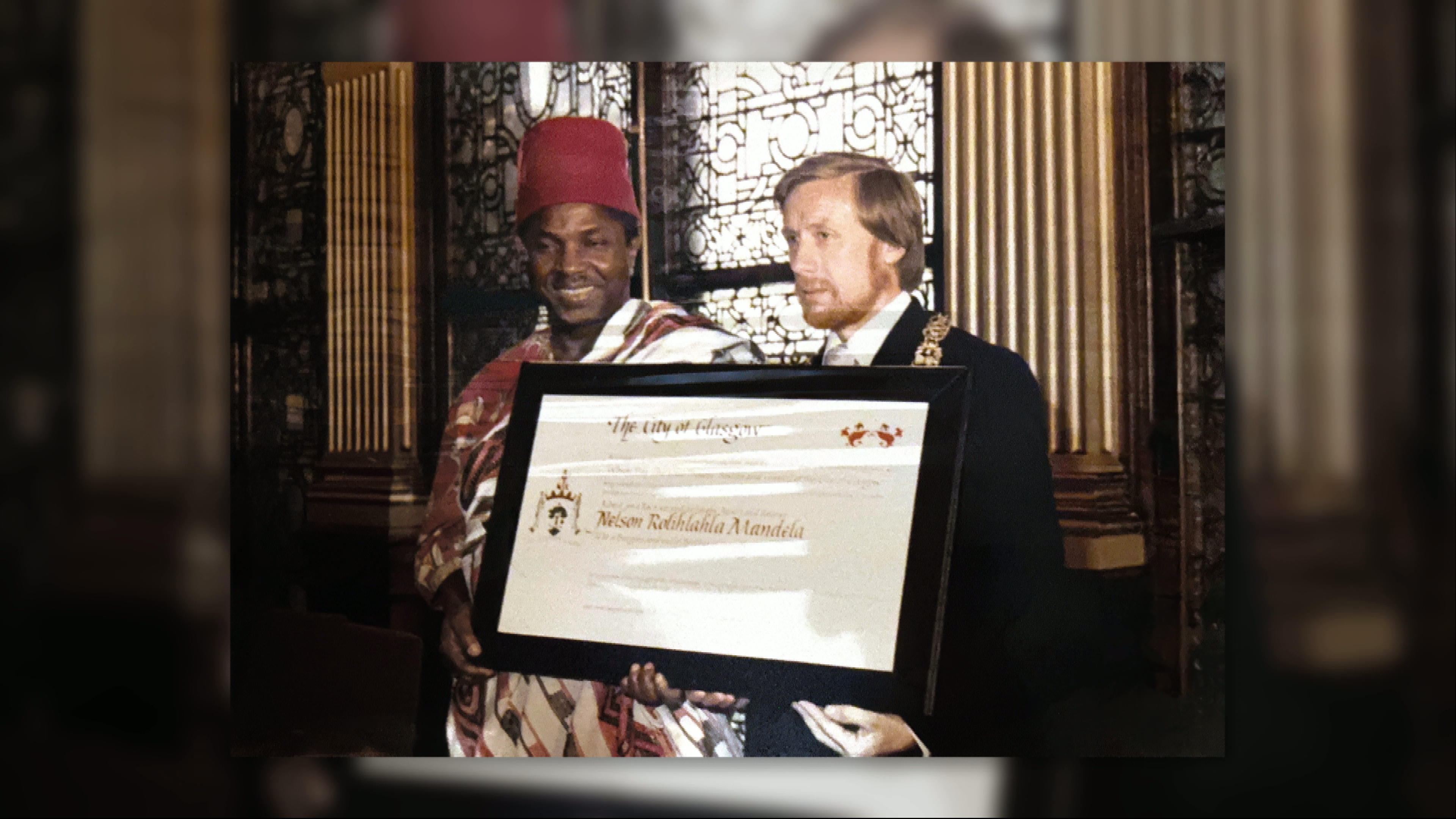
The city became the first to grant Mandela the Freedom of the City in 1981, while he was still imprisoned on Robben Island.
 STV News
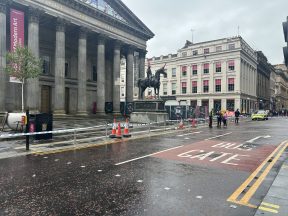
In 1986, the council had also renamed St George’s Place – home to the South African Consulate-General – to Nelson Mandela Place.
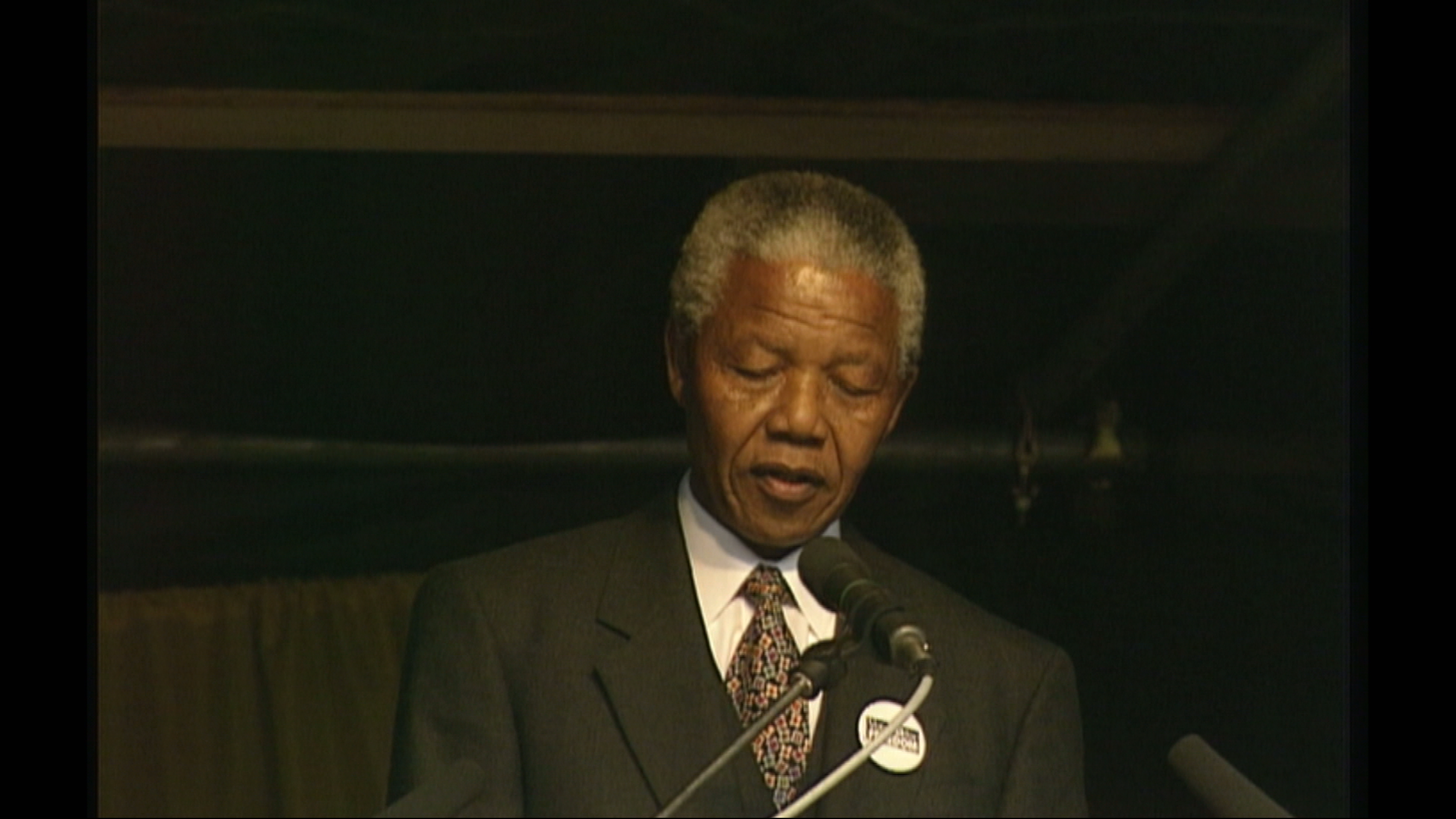
Three years after his release from prison in 1990, a 75-year-old Mandela travelled to Glasgow to receive the freedom of nine UK cities awarded to him.
He told the crowds: “While we were physically denied our freedom in the country of our birth, a city 6,000 miles away, and as renowned as Glasgow, refused to accept the legitimacy of the apartheid system, and declared us to be free.”
Born in 1918, Mandela spent decades fighting racial segregation, co-founding the African National Congress Youth League and its armed wing before his arrest in 1962, and was imprisoned for 27 years.
After being freed, Mandela went on to become South Africa’s first Black president in 1994, focusing on building a unified nation. He dedicated the rest of his life to humanitarian work, dying aged 95 in 2013.
‘It was controversial – then other cities followed’
 STV News
Dr Michael Kelly, who was the city’s Lord Provost from 1980 until 1984, said the show of public support for Mandela was “controversial” at the time.
“The UK Government under Thatcher supported the South African Apartheid government,” he told STV News. “We felt very strongly that some support had to be shown to Mandela.
“When the anti-apartheid movement approached the city council, it was decided Mandela should be awarded the Freedom of Glasgow.
“At the time people in Glasgow were uncomfortable with it. They didn’t know Mandela or his story, his struggle. They were told he was a terrorist rather than a freedom fighter.”
Glasgow was later followed by eight other local authorities including Aberdeen, Dundee, Newcastle and Sheffield.
“It took years to convince people that his cause was righteous,” Dr Kelly said. “It makes me feel humble to look back on that.”
Later in 1981, Dr Kelly launched a worldwide petition at the United Nations calling for Mandela’s release, which would eventually be signed by 2,264 mayors.
‘Like no one else I’ve ever met’
 STV News
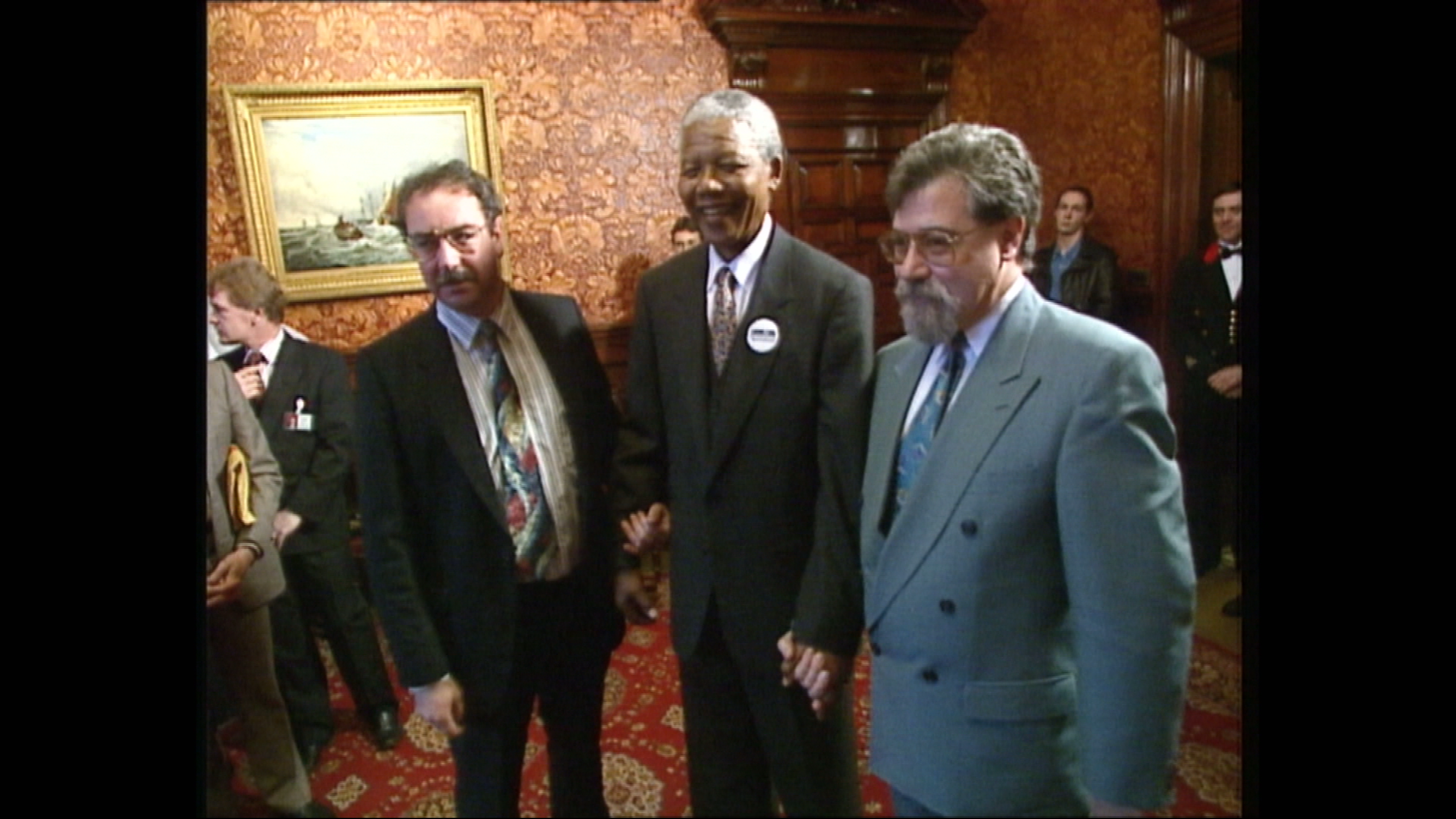
Brian Filling, honorary consul for South Africa and chair of the Nelson Mandela Scottish Memorial Foundation, had been an anti-apartheid campaigner since the 1960s.
He spent two years helping to secure Glasgow as the location for Mandela’s October 1993 visit and quickly became his friend.
“Mandela had a presence when he walked into a room,” he said. “He was so thoughtful and sharp. He listened to people.
“He often talked about how bitterness devours you. He realised you need to overcome that in order to survive, to not be destroyed by rage. He was different from anyone else I’e ever met.”
Mr Filling recalled the moment he introduced Mandela as a “free man of Glasgow” to the rapturous crowds in George Square.
“The applause was phenomenal. Everyone in the crowd was soaked, but there were no umbrellas put up because it would block people’s view. It was an unforgettable experience for everyone there.”
‘A wonderful example of humanity’
 STV News
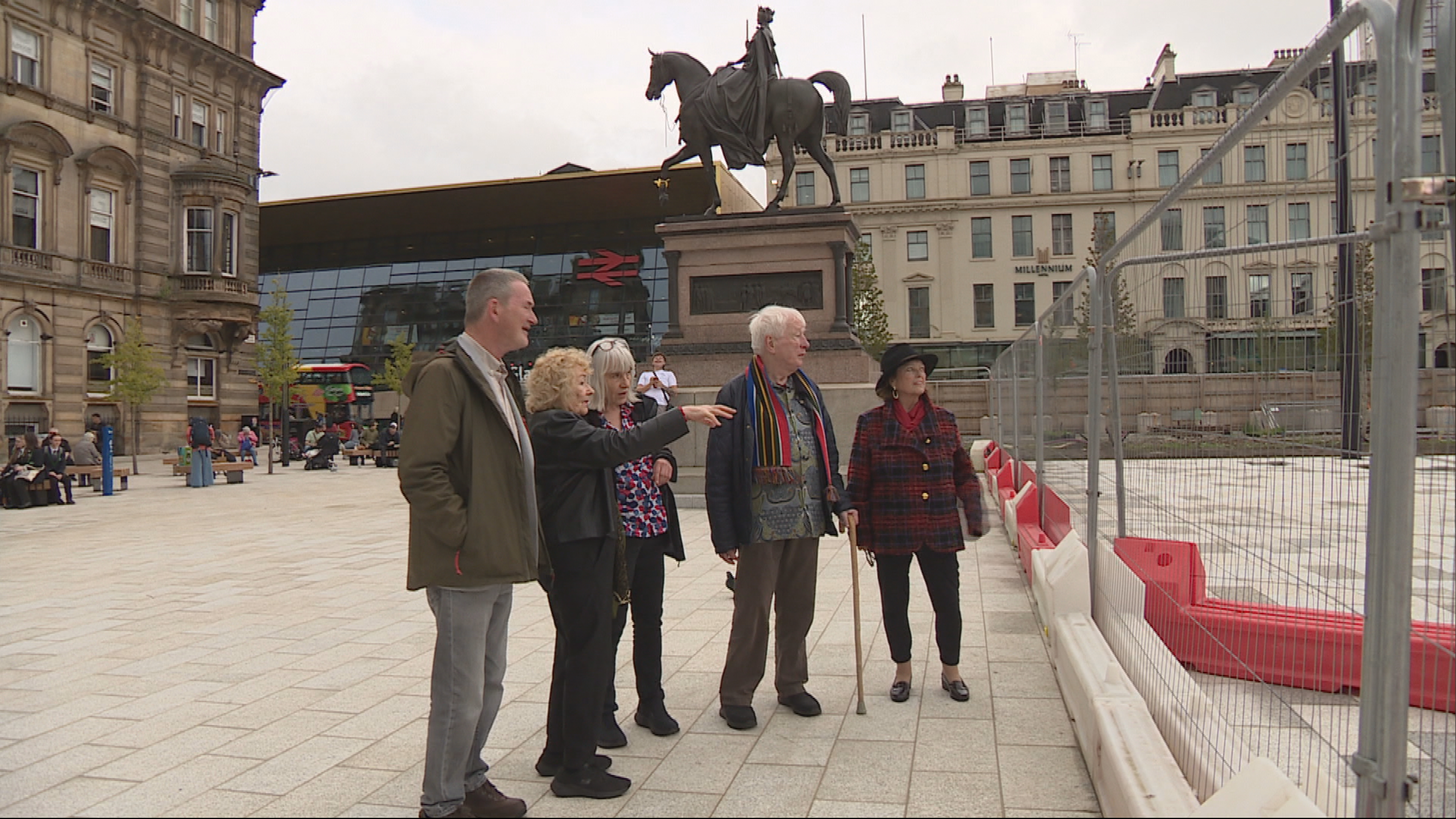
Former anti-apartheid campaigner Agnes Tholmie was in the crowd that day.
She says she and many other protesters had sent letters of support to political prisoners in South Africa.
“The people of Glasgow felt that injustice, that unfairness. We wanted to send a message of hope that it mattered to us what happened to them.
“We stood in the pouring rain, singing for joy, and it was so hard to believe that it actually happened… It was just magical.”
Fellow campaigner Eleanor Hyland added: “I thought, I’m in Glasgow on a Sunday night watching Nelson Mandela dance on the stage. It was so moving.
“This man spent 27 years in prison, and he came out smiling. Just a wonderful example of humanity, the warmth that he had, the lack of bitterness about his incarceration.”
 STV News
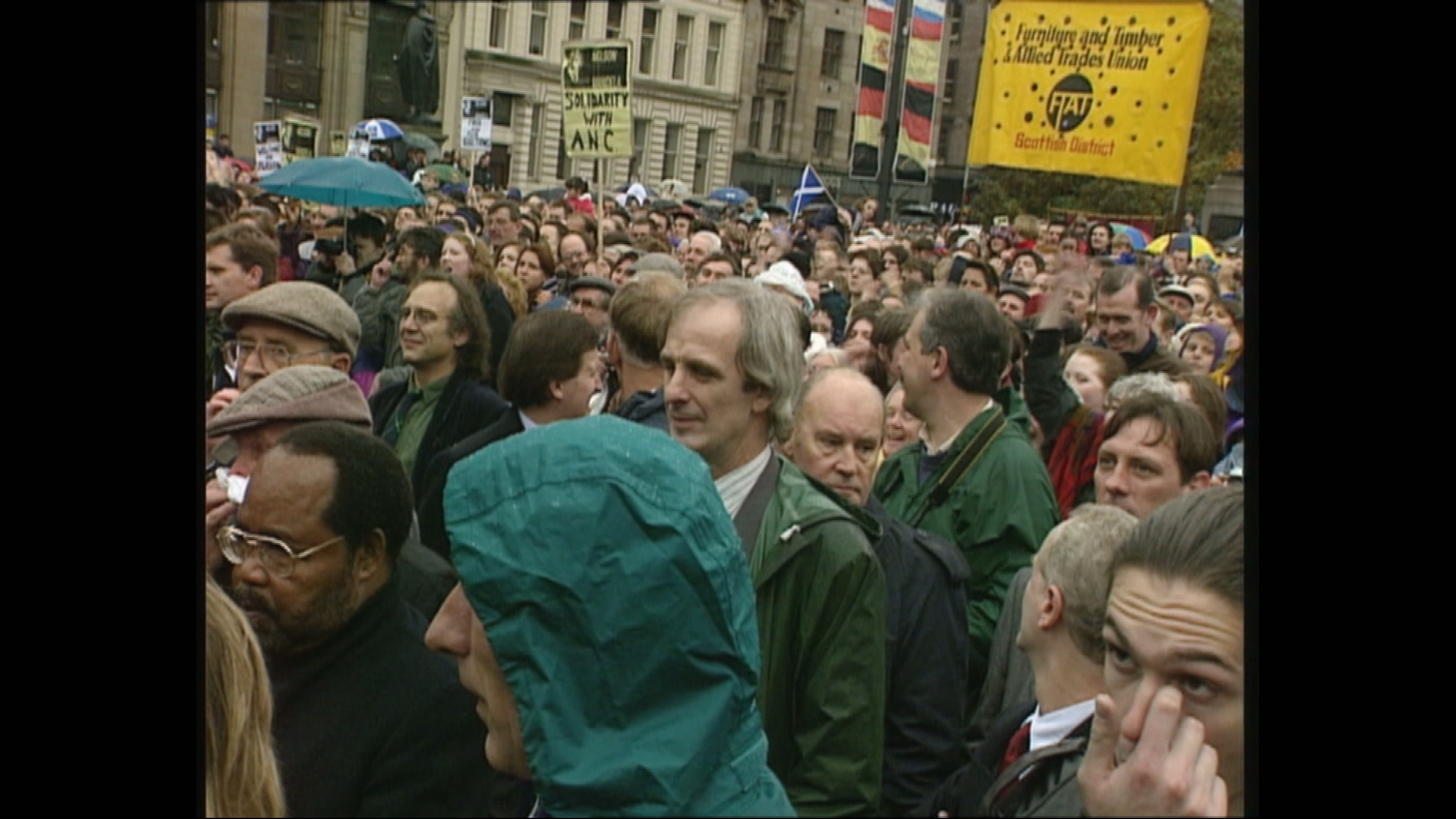
David Kenvyn, a trustee of the Nelson Mandela Scottish Memorial Foundation, helped organise the event in 1993, having first joined the anti-apartheid movement in 1968.
He recalls getting the night train from London to the Glasgow Hilton hotel to hand-deliver a physical copy of Mandela’s speech, which had been faxed to the African National Congress’s office the previous day.
“The taxi driver said, ‘That’s where Nelson Mandela’s staying.’ And I said, ‘I know. I’ve got his speech in my bag,” he said.
“When we got to the hotel, the driver said, ‘I’m not taking money from a friend of Nelson Mandela.’ And I thought, I love this city.”
He added: “Five years later, I moved here and I’ve been living here ever since.”
‘I sang for Mandela – it was so thrilling’
 STV News
Jean Gow got the chance to perform for Mandela as part of the socialist women’s choir that day.
“We were absolutely thrilled to see the square packed with thousands of Glaswegians. It was great to see this public space used for what it was meant to be for.
“I remember my mum came down with a Boots disposable camera, so I have a wee photograph with Nelson Mandela. It’s not the best picture ever, but it was so personal.
“He was a figurehead for freedom and democracy.”
The campaign for a permanent memorial began in 2017, with the project supported by donations from members of the public.
The statue of Nelson Mandela was commissioned by the Nelson Mandela Scottish Memorial Foundation, created by renowned sculptor Alan B Herriot and is cast in bronze by the Powder Hall Bronze foundry in Edinburgh.
It will stand on a plinth of South African granite in Nelson Mandela Place.
 STV News
Director Kerry Hammond said: “It means a lot for us to be chosen to cast this piece; we know it’s going to be popular.
“We think Alan has done a great job with the modelling work and it’s a great project to be involved in.
“It will last for hundreds of years – a lot longer than us.”
Mr Filling says the statue will preserve Mandela’s legacy for generations, alongside the foundation’s work educating pupils in Scottish schools about apartheid.
“It’s uplifting to hear young people talk about Mandela and his life and the struggle against apartheid. There’s tremendous feeling for him in Glasgow, even now.
“This statue will be a symbol of the need to continually fight against racism, to fight for social justice and equality, now and in the future.”
Follow STV News on WhatsApp
Scan the QR code on your mobile device for all the latest news from around the country