 Collective Architecture
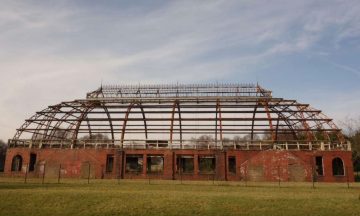
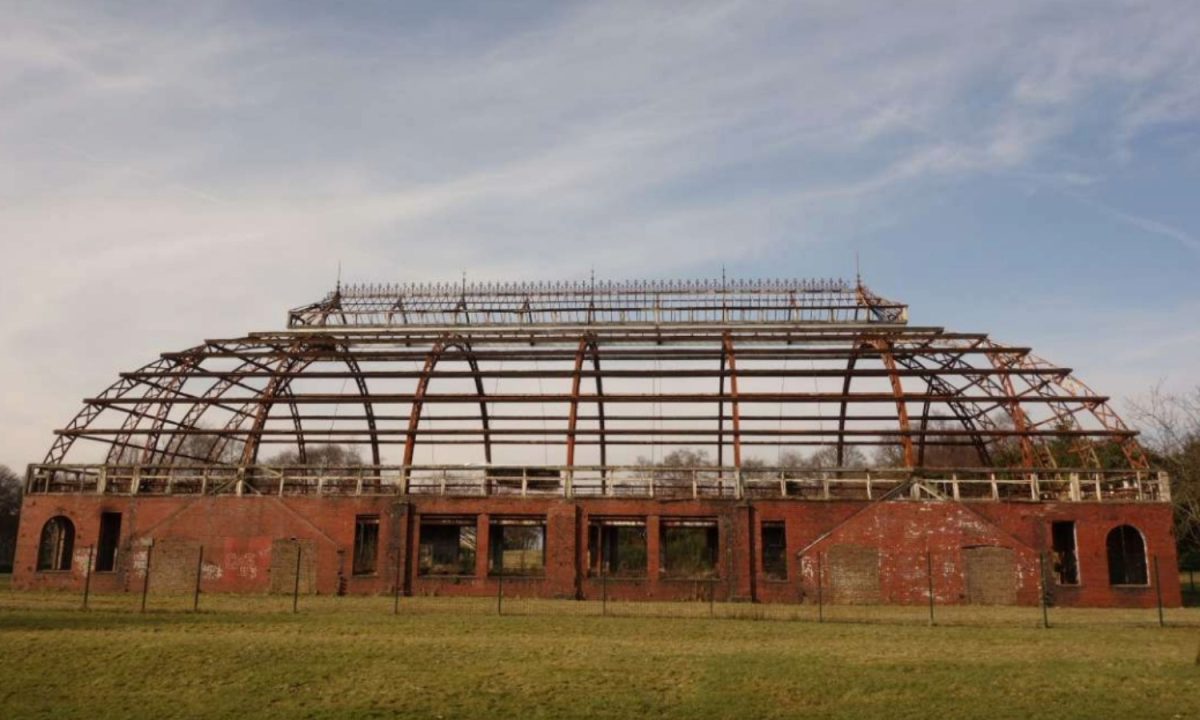
A major milestone has been reached in the 13-year fight to save the derelict Springburn Winter Gardens.
Glasgow City Council has approved plans from the Springburn Winter Gardens Trust — a charity formed in 2013 — to begin restoring the A-listed structure.
The decision will allow repairs to the Victorian glasshouse to be completed — a “crucial first step” in the trust’s ‘living ruin’ project, which has been described as a “stepping stone towards… complete restoration”.
A 25-year lease over the site is currently being finalised with the council, and construction work is expected to start early next year.
Paul Sweeney MSP, the trust’s chair, said: “Securing both planning and listed building consent for the first phase of restoration work is a fantastic milestone for Glasgow’s built heritage, and the culmination of a 13-year community-led campaign to save this historic landmark from dereliction following the loss of the Springburn Public Halls in 2012.”
Essential structural and fabric repairs and the “careful downtaking and storage” of a collapsed timber outhouse are covered by the approval.
Mr Sweeney, Labour, said: “This is a crucial first step in realising our ‘living ruin’ project, which will ultimately bring one of the last surviving links to Springburn’s illustrious industrial past as a locomotive manufacturing centre back into public use as a vibrant community growing and event space.
“Crucially, the trust has now secured all the necessary grant funding in place to commence the work. We are currently in the process of tendering for a contractor and are finalising a 25-year concessionary lease over the site with Glasgow City Council.”
Plans stated the ‘living ruin’ scheme would safeguard the structure, making it “accessible and creating a flexible community space where people can gather, learn, grow, make and celebrate”.
“Rather than waiting for the resources required for complete restoration, our ambition is to put the winter gardens back into use now, allowing activities and ideas to develop with the community while protecting the possibility of full restoration in the future,” they added.
According to the application, the site could be used for public events and activities, such as market stalls, educational events and exhibitions. Temporary features, like seating or tables, would be installed and removed when necessary to “increase the flexibility of the space depending on the use required”.
Mr Sweeney said: “While there are a few standard planning conditions to discharge before we can mobilise on site, such as specifying the exact rust-inhibiting paint for the steelwork and submitting storage reports for original structures that will be temporarily dismantled, we are pushing ahead.
“Once the final issues are resolved, we hope to begin construction work on site early in the new year, with the works complete over the summer.”
One of five Victorian glasshouse structures in the city, it was built in 1900 and was in use until 1983, when it was damaged in a storm. A planned demolition was stopped in 1985 when the building was granted listed status.
A grant of over £1m towards the project was awarded by the Scottish Government earlier this year.
Follow STV News on WhatsApp
Scan the QR code on your mobile device for all the latest news from around the country