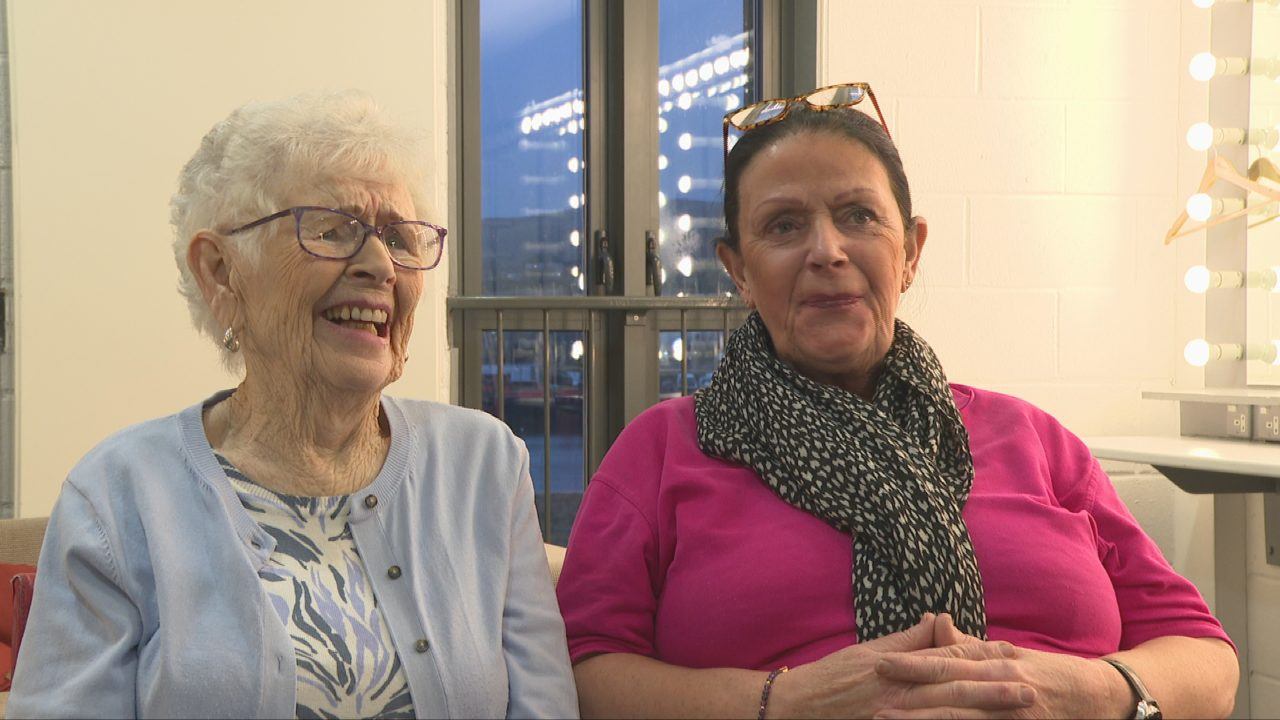
“They were telling us what a good workforce we were – and at the same time they were sending our cut work to Ireland. They had it all planned that they were going to do away with us.“
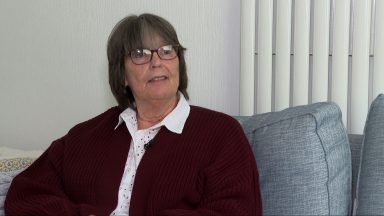
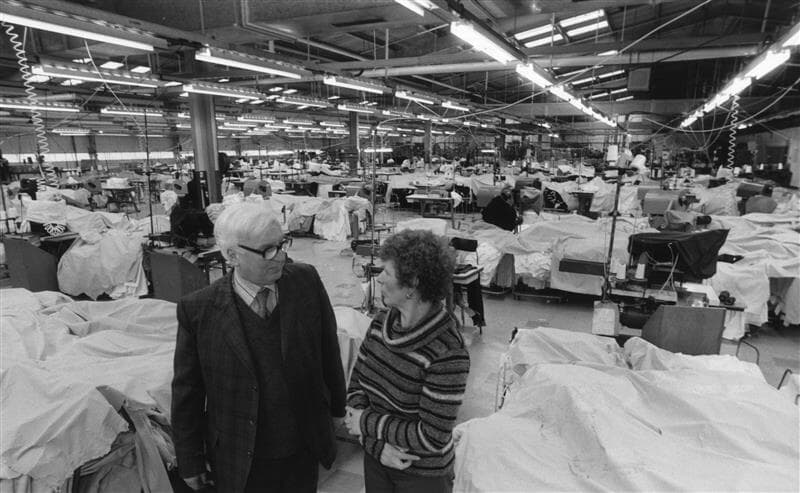
It has been 45 years since Helen Monaghan led 240 textile workers in a seven-month sit-in at the Lee Jeans factory in Greenock – a dispute that would become one of Scotland’s most memorable industrial battles.
Their story is now heading to the stage – and producers are racing to ensure every worker who took part is honoured.
“You can’t do something like that on your own,” Helen said. “There were people in the sit-in that did an awful lot and they’ll never be recognised if they don’t come forward.”
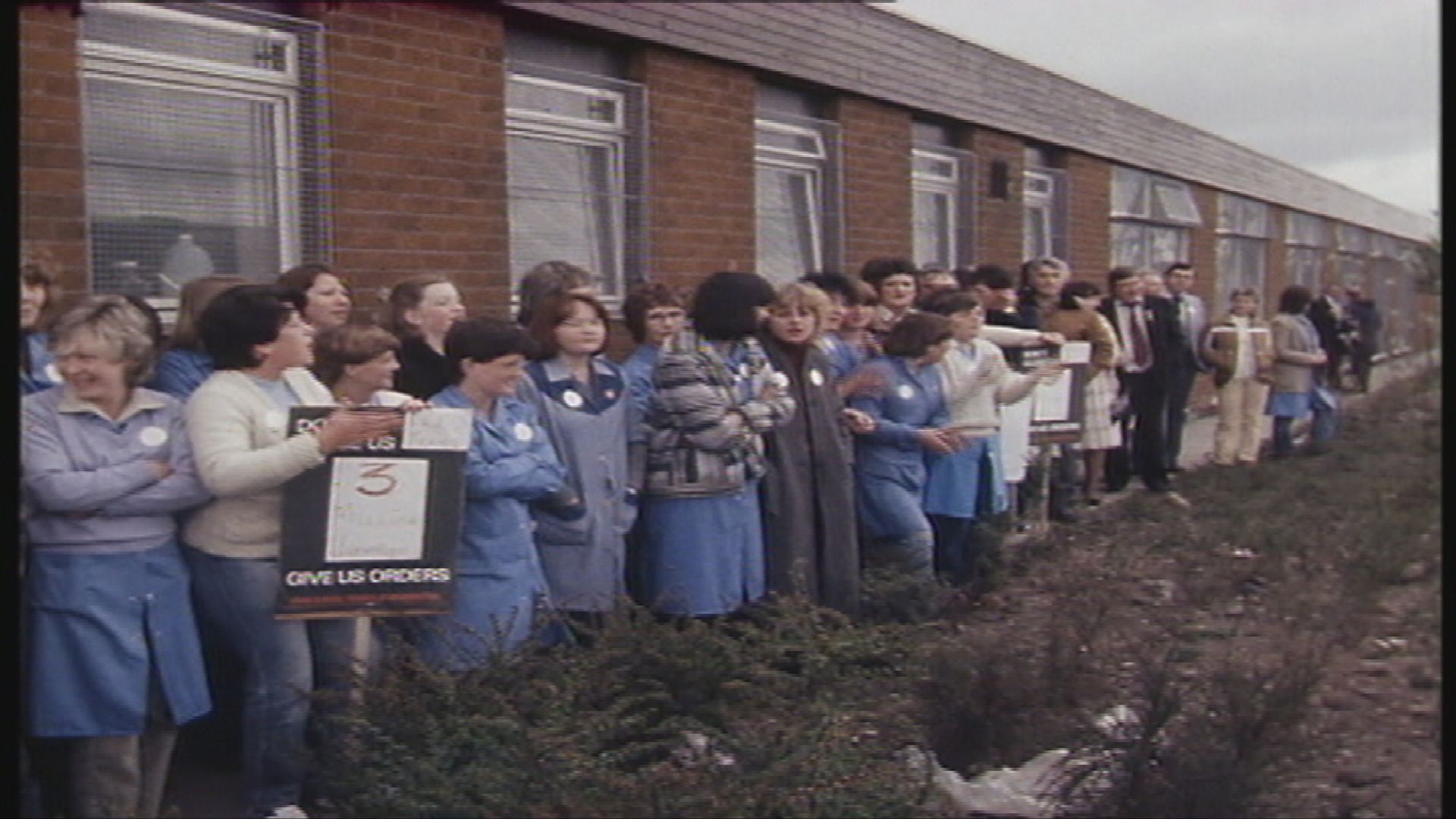
In February 1981, the workers barricaded themselves inside the plant, beginning a round-the-clock occupation that lasted until August after discovering their US owners, Vanity Fair Corporation, were shifting production to Northern Ireland.
When union negotiations with bosses broke down, Helen, then a 45-year-old shop steward, put a plan in place.
“Before I went into the meeting, we were all in a canteen and I said, ‘right, I’m going in here and if the answer is ‘no’, I’ll come back out and just say, ‘go nowhere’ and we bar ourselves in.’ So they got all the chairs ready.
“When I came in and said ‘nothing’, the doors were barred, so that meant the management couldn’t get in to us. We couldn’t get out at all either. We had been there since eight o’clock in the morning.”
 STV News
 STV News
The struggle unfolded against a backdrop of rising unemployment in Inverclyde, particularly among women. Female unemployment was at 13.3 percent, 50% higher than the Scottish figure of 9.6%.
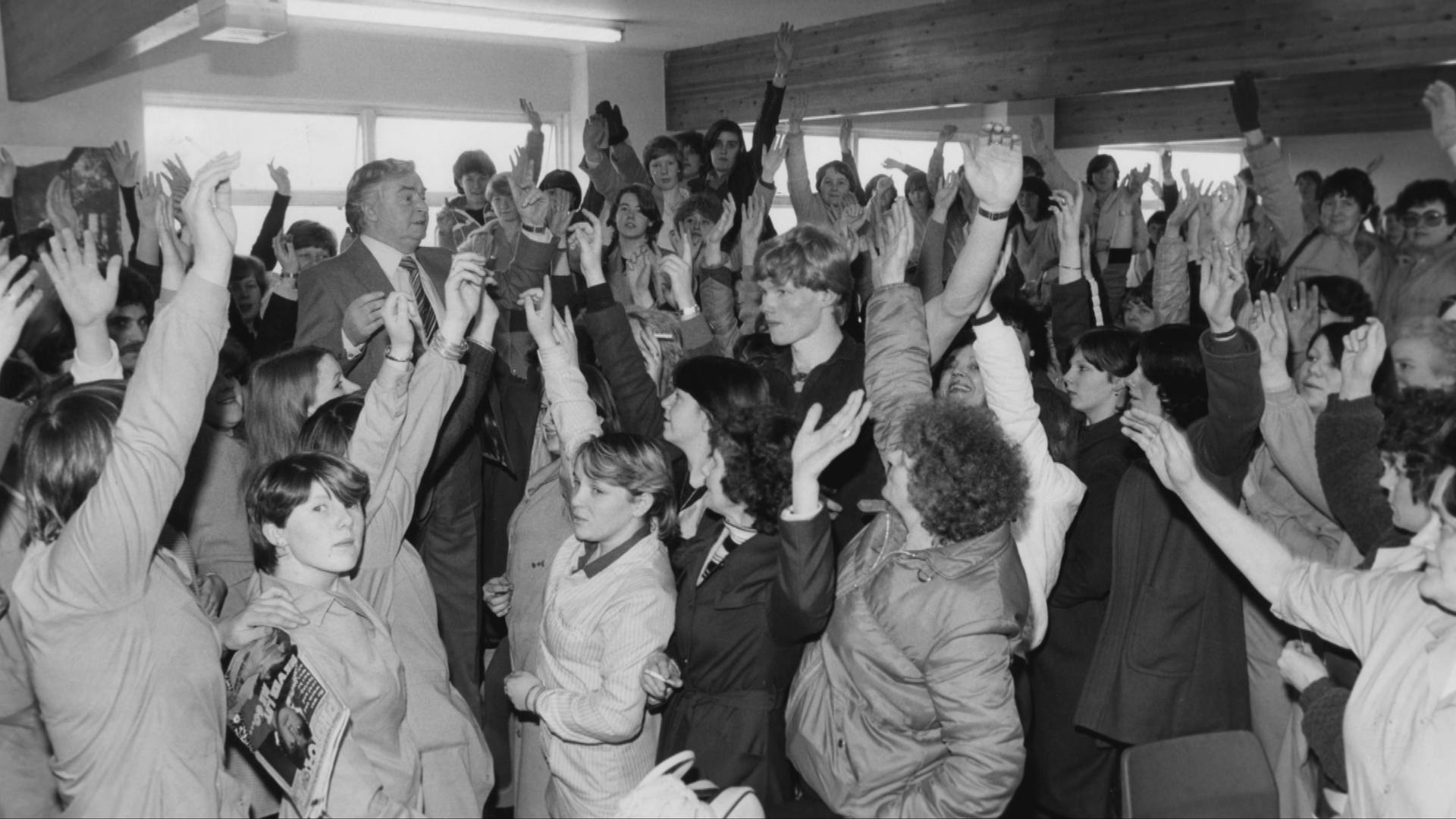
When news broke the factory would be closing, the workers – mostly women – were asked to accept redundancy or sit in. The choice was unanimous.
From that day, the workers occupied the factory in 12-hour shifts to prevent the removal of stock and machinery. On the first night, workers scaled the roof to bring in 240 fish suppers.
News of the sit-in spread across the world and drew support from the local community and unions, with Labour heavyweight Tony Benn paying them a visit during the strike.
The workers travelled extensively to rally further backing. They visited factories, mines and shipyards, speaking directly to fellow workers about their cause, and delivered talks as far afield as London.
Across the Lower Clyde shipyards, a 50p weekly wage levy was introduced, creating a collective fund to provide financial support for those participating in the occupation.
 STV News
Maggie Wallace, a machinist in her early 20s, said she still remembers the events “like it was yesterday.”
“We were young, going with the flow, not knowing what was going to happen.
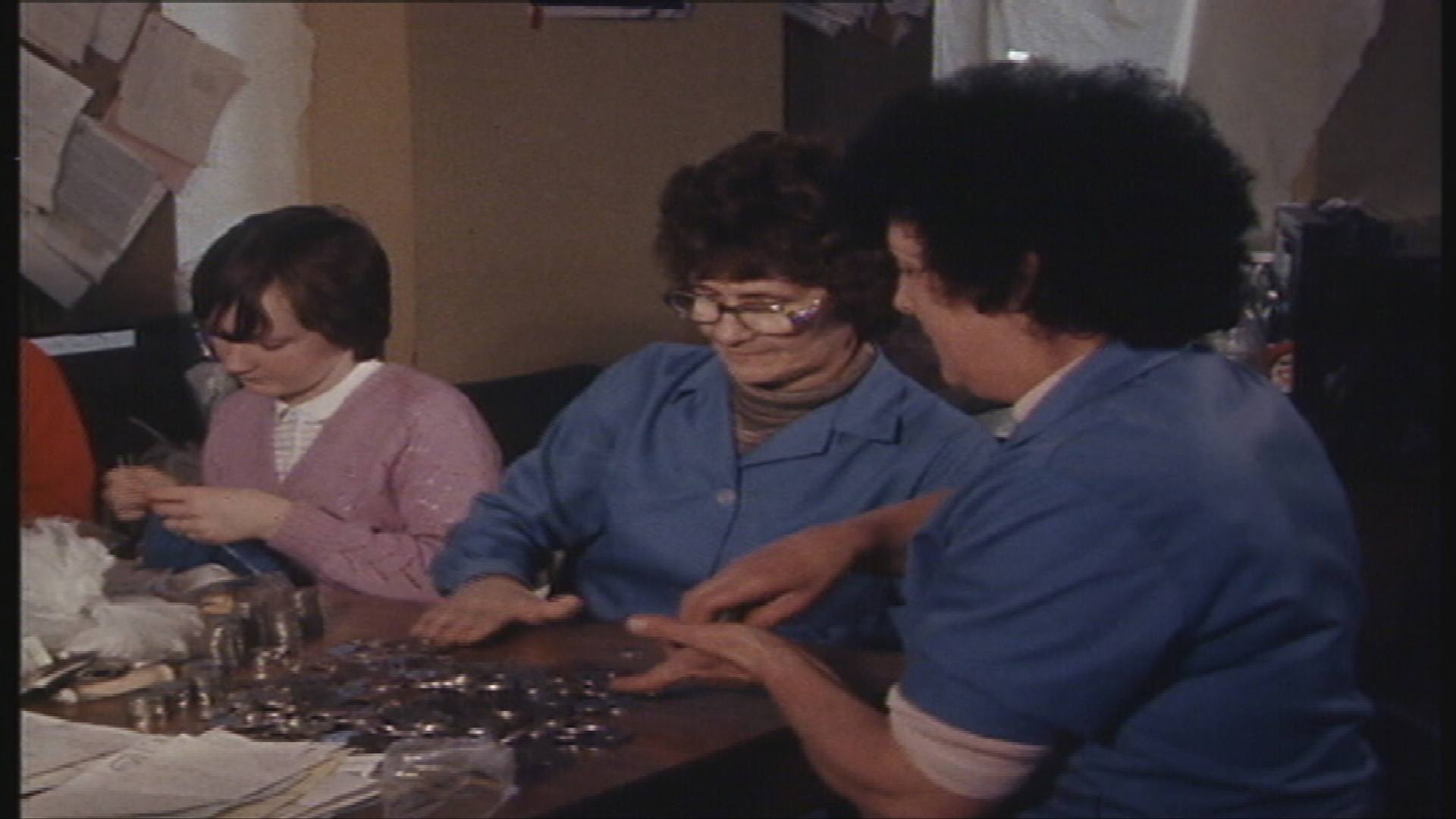
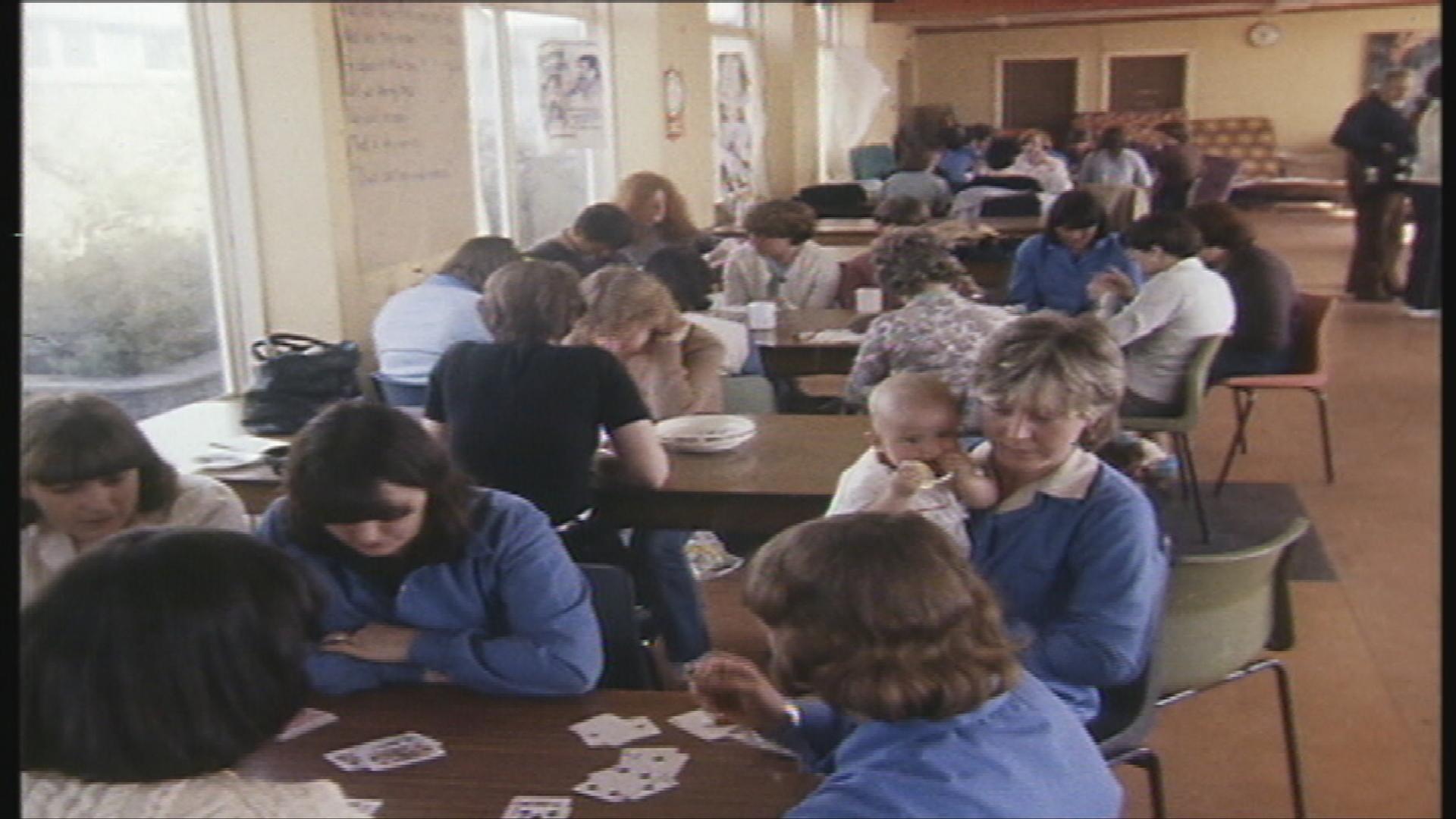
“The sit-in worked so well because we already knew each other. We would go on holidays and nights out together. We knew each other’s faults. It was like a goldfish bowl – but it was our wee world.”
For Helen, whose two children also worked at the factory, the responsibility weighed heavily.
“Yeah they had a laugh. They thought it was great. I was home some nights crying about what was I going to do tomorrow!
“I was fighting for jobs for everybody and if things didn’t work out the way I wanted them to work out, it was a big worry to me. I thought, if this all goes wrong and they had no jobs, I would have blamed myself.”
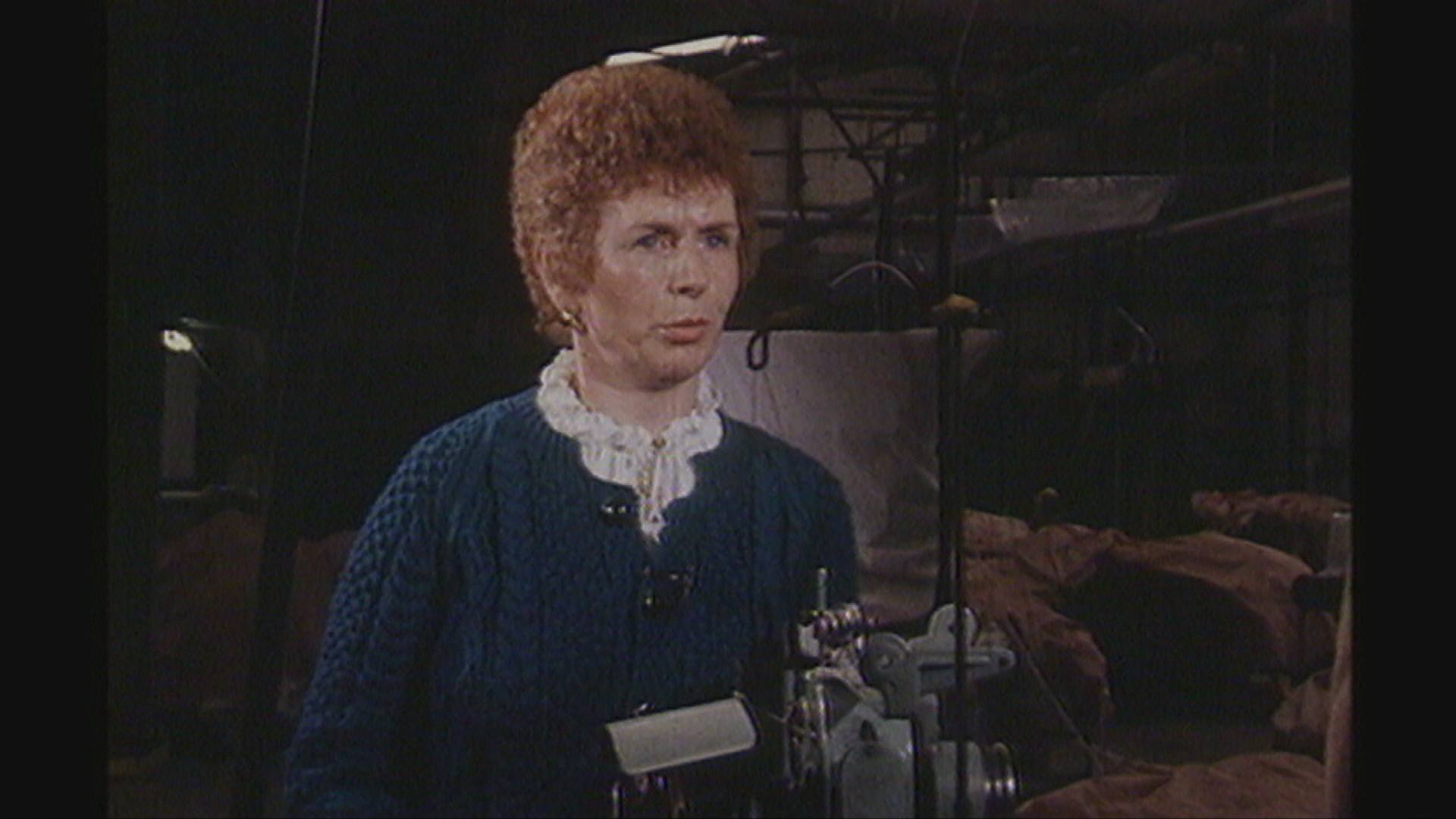
Many of the younger workers had come straight from school. Inside the occupied factory, roles quickly formed – from negotiating with management to preparing meals. Their older colleagues even taught them how to knit, a skill that helped them pass the long hours.
 Getty Images
“Some of us were had come straight out of school,” Maggie said. “Although we had a mum at home, the older women would do the same job. While you were at work, you had to abide by the rules. Anybody that didn’t… they were oot.”
After seven months, the owners relented, agreeing to sell the factory to local management for an undisclosed fee under Inverwear Limited.
By the time a deal was reached, the workforce had reduced to around 140. They returned to work in September, though the factory would ultimately close for good in 1983 following the collapse of its two key customers.
Despite this, the women say the fight was worth it.
“This is what happens when they try to take your job off you, when you’ve not done anything wrong and have only worked hard,” Helen said.
Now, the events are being brought to the theatre in Stand & Deliver: The Lee Jeans Sit-In, which is touring across Scotland between April and June.
The play has been developed in conversation with some of the key women involved in the strike.
Artistic director Jemma Levick says it’s an “extraordinary” story of collective action which rippled beyond Inverclyde.
“They were a real community and they came together in that moment, not really for themselves; it was as much for the town as it was for them. They all knew if they lost their jobs, that would be it.
“This is about giving this story its place and making sure people hear about it. They sort of changed the world, just briefly. That’s so important for us to hear now.”
 STV News
 STV News
But bringing the story to life has not been straightforward.
“There’s only six of them in the show, so you’re asking six people to tell the story of 240 people’s lives. The audience has to legitimately buy that they’re from the west coast, from Greenock.
“Another thing is you’re asking them to play real people. They can’t get it wrong. I want those women to come and see the show and go,’ ‘That’s my story.’ So the pressure to deliver that is even more.”
When asked who she would choose to play her, Helen laughs.
“You want Meryl Streep, don’t you?” Maggie teased.
“Well, I wasn’t a quiet wee lassie,” she replied.
The pair are backing an appeal to trace every worker who took part in the sit-in so each name can be shared in a special tribute on stage during the finale.
Maggie said: “It’s letting people see what the working class was all about. It was all about the working class then.
“This fight was not just one or two women – it was everybody.”
“They treated you as if you couldn’t do that – and we could,” Helen said.
Those who took part in the sit-in are asked to fill in a form on the National Theatre of Scotland’s website. Stand & Deliver: The Lee Jeans Sit-In premieres at the Tron Theatre in Glasgow in April 2026.
Follow STV News on WhatsApp
Scan the QR code on your mobile device for all the latest news from around the country