A mum who paid £40,000 for IVF after being denied NHS-funded treatment for being single has called for the system to be brought “up to date.”
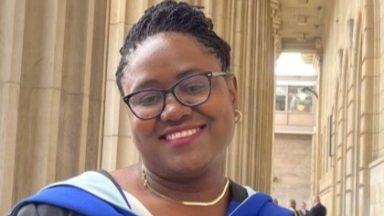
Vairi Smith, a fertility campaigner and co-founder of Fair Fertility Scotland, is advocating for more inclusive access to NHS-funded fertility treatments.
She has welcomed the review into NHS-funded IVF rules, which are considering expanding access to single women and families where both parents already have children from previous relationships.
The review will also look at reducing waiting times for those who require donor eggs or sperm for their treatment and consistency of access to fertility preservation, including for women who have undergone cancer treatment.
It marks the beginning of a shift Vairi started fighting for eight years ago, when she first embarked on her journey to become a mum.
At 38, she turned to her GP in the hope of starting a family of her own, only to learn that NHS-funded IVF wasn’t an option for single women.
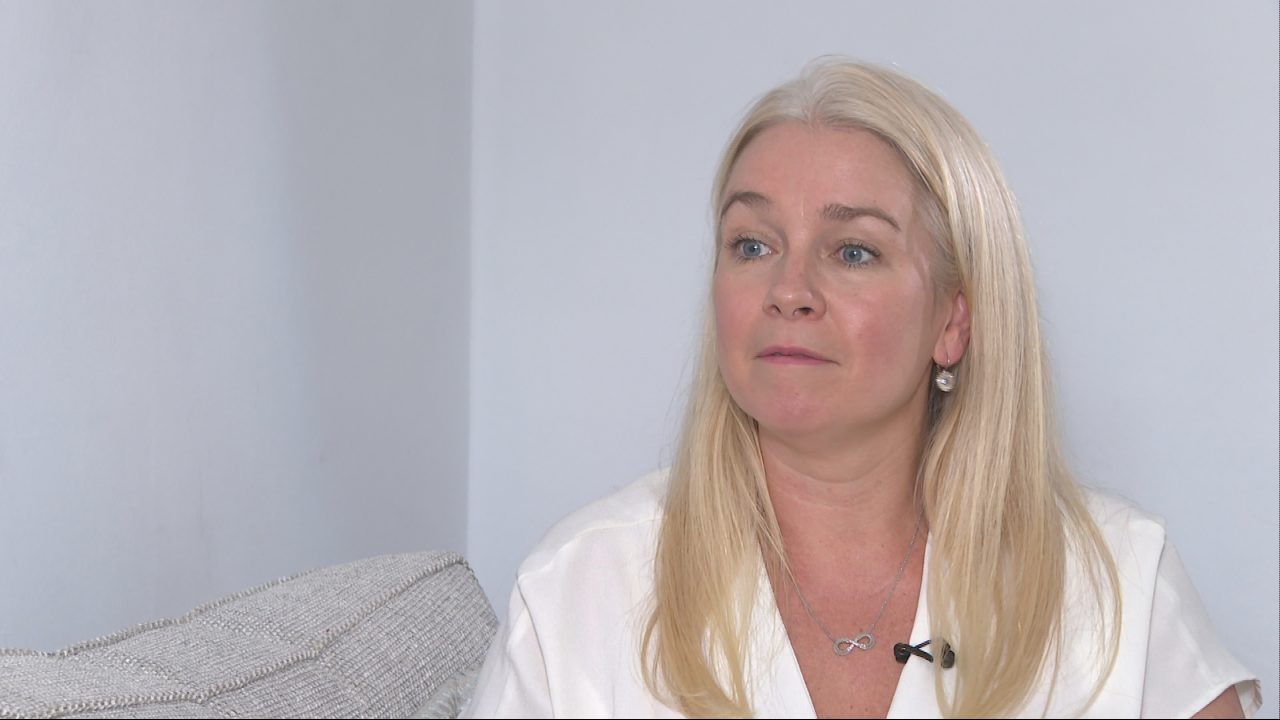
“My immediate reaction to the doctor was, ‘what do you mean I’m not in a relationship? I don’t understand how there’s no other treatment within the NHS where relationship status qualifies you for treatment or not.
“It played into my earlier fears when I was considering whether or not this was the right course of action. This almost societal view, the children born to single parents are not going to thrive to the same way in which those within a two parent household.”
“Their forms have questions like, who was going to financially support me when I was on maternity leave? Would my parents step in? I was like, ‘well, no, I’m going to financially fund this, and I’m secure in that decision.’
“There was no point through the whole process where there was an inclusion for a single female to progress.”
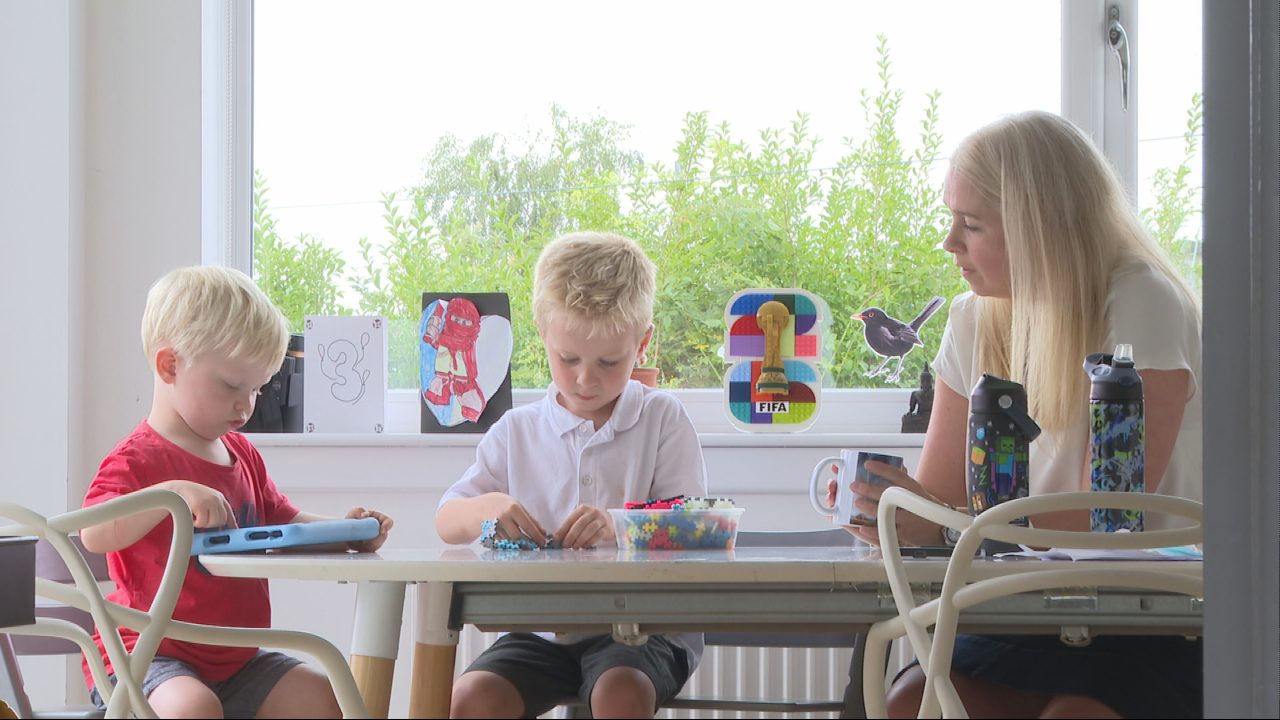
After raising the issue with her MSP and realising policy change could take years, Vairi turned to private care, spending roughly £40,000 across seven rounds of treatment which included donor sperm purchase, procedural costs and embryo storage.
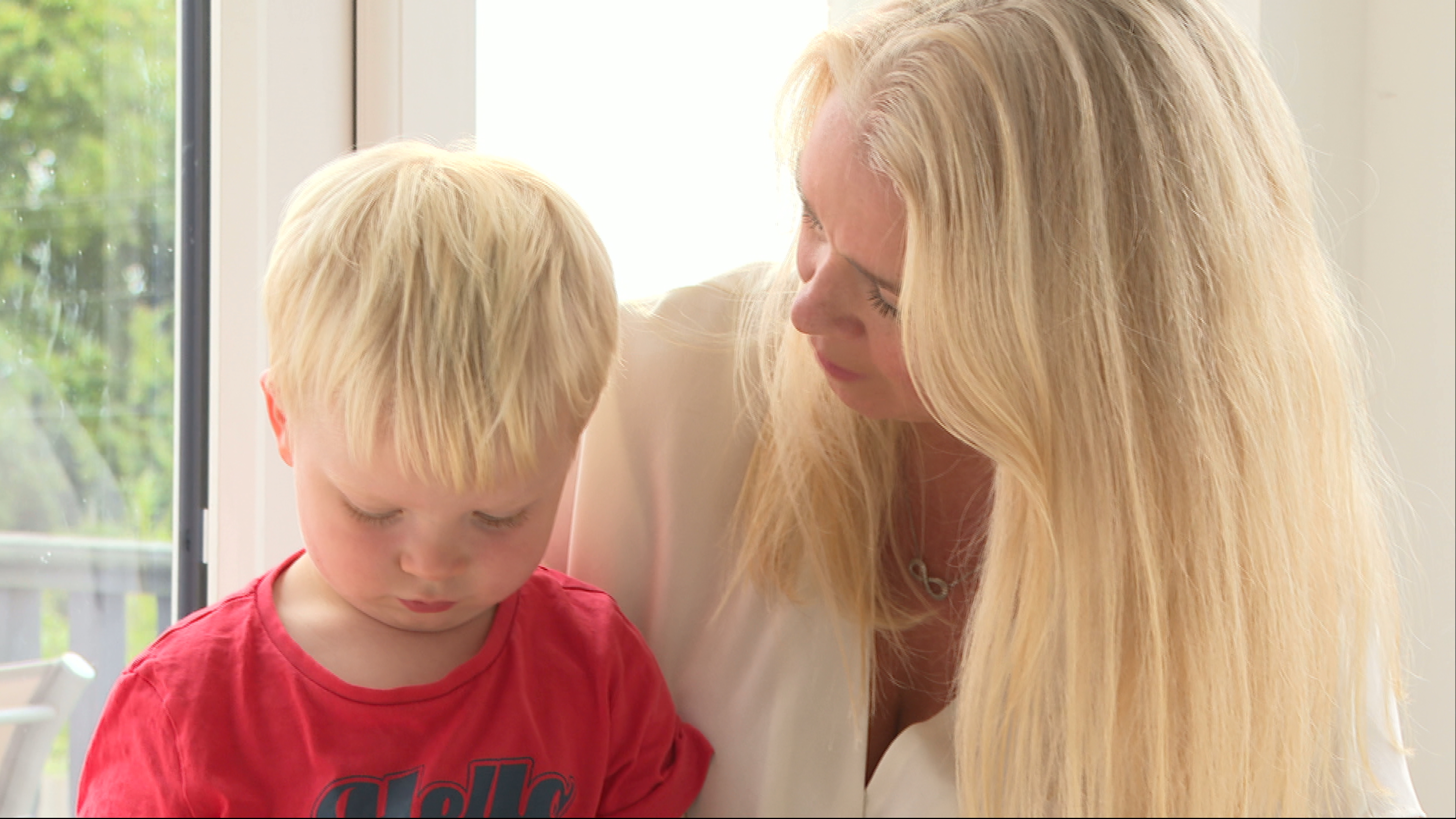
The journey ultimately brought her two sons, six-year-old Finlay and Callum, three, into the world.
While acknowledging how fortunate she is to afford private care, Vairi feels deeply for those locked out of parenthood.
“The vast majority of people would not be in a position to pay for that, which then leads them to alternative solutions. And it’s just frightening to think that in what we like to think as a progressive Scotland that we would have a government that would allow these situations to happen when they can help.”
“I know friends that didn’t have the money to pursue this course of action and they’ve been left behind. Either not having a family or taking decisions to put their future child at risk by making potentially riskier solutions.”
Medical experts share those concerns.
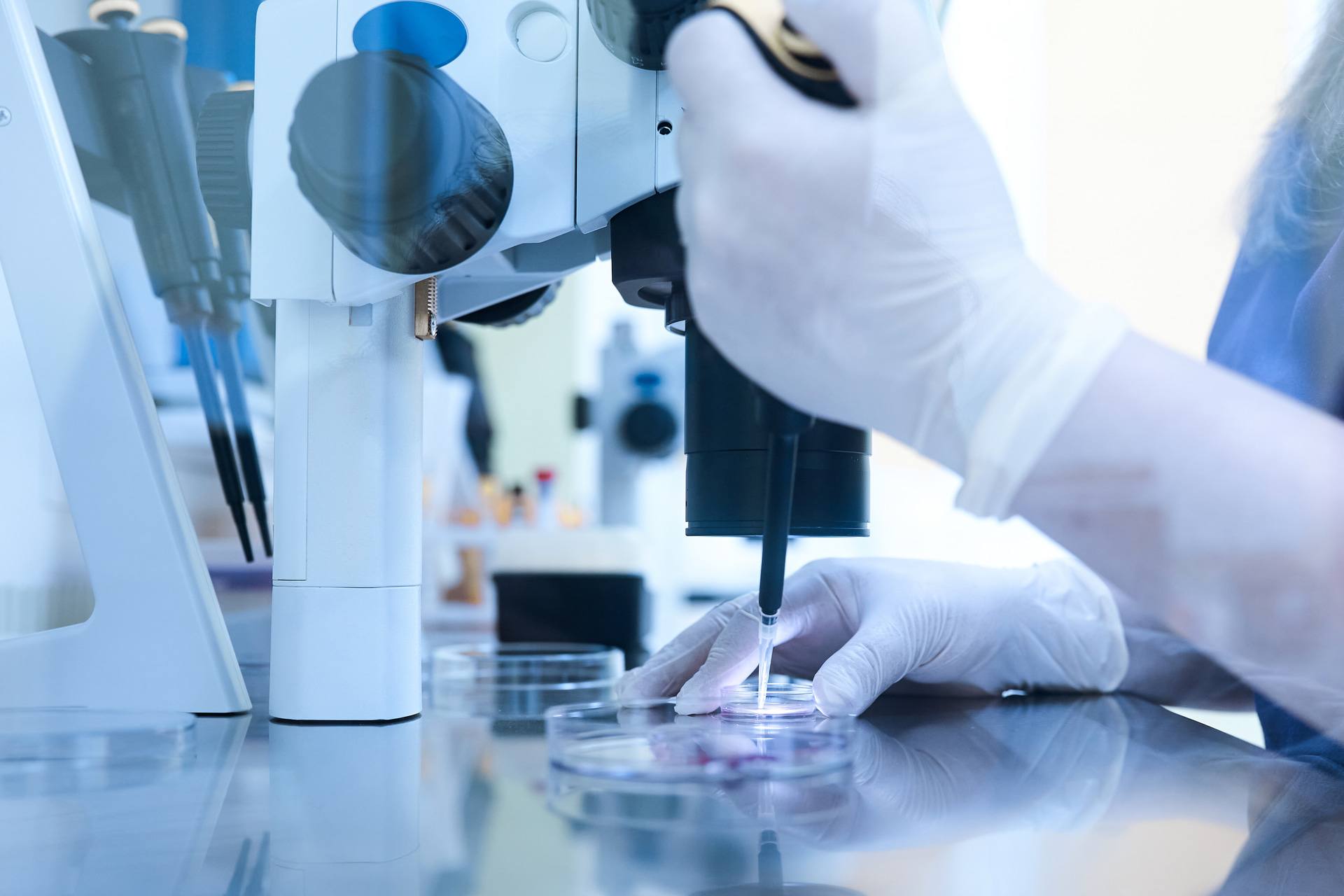
Dr Karolina Skorupskaite Carlyle, founder of a new Edinburgh fertility clinic, warns of the dangers of turning to the black market for sperm donation.
 Adobe Stock
“Using the sperm that is, for example, from the black market that is not being regulate,d there is a risk of having the infections like hepatitis B, hepatitis C, HIV. This has not been screened for.
“Also, we don’t know actually what sperm sample quality is somebody actually getting and another big aspect is the legal parenthood – who is actually the legal parents in the situation. This can have implications for somebody later later down the line.”
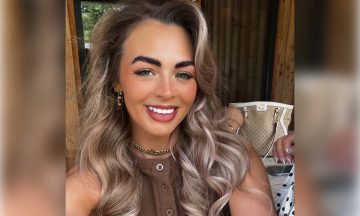
Former MP Hannah Kennedy-Bardell was inspired to launch Fair Fertility Scotland after her own ordeal.
After initially being told at 39 that she qualified for NHS fertility treatment as a single woman, Hannah was subsequently turned away at the clinic due to confusion over eligibility rules.
After later marrying her wife, the couple underwent four total private rounds of IVF.
Their journey has so far been unsuccessful, with Hannah’s last embryo transfer failing.
“It’s devastating,” she said. “I’m building up for another round. But I’m hopeful, trying to keep myself healthy and stress-free.”
Having grown up in a single-parent household, she feels passionately about expanding access.
 STV News
She admits that after coming out at 32 and being elected to office, she delayed starting a family – a decision she now regrets after not freezing her eggs at the time.
“It’s tough to campaign for something at the same time as going through it,” she said. “When you go through a process that is gruelling physically and emotionally, and you don’t get the result you hoped for.”
She added: “We’re not looking for special treatment. We’re just looking for fairness in the system. We should be supporting families of all shapes and sizes in a modern Scotland and our modern society.
“We have a declining and flatlining birth rate in many parts of Scotland. have to take a step back as a society and say, what is the cost if we don’t support people who want to have children?”
During a visit to Edinburgh’s Fertility Centre, health secretary Angela Constance said: “Access to NHS IVF treatment should be fair, timely and reflect the way people’s lives and families look today, and delivering this review is one of our key 100-day commitments.
“The review will look closely at the current system, including waiting times for those who need donor eggs or sperm for their treatment.
“This work builds on annual Scottish Government funding, which has supported the expansion of NHS IVF treatment over the past 10 years.”
For Vairi, while any future changes will come too late for her own journey, she hopes it will allow others to experience the joy of parenthood.
“I truly feel blessed because the boys have completely transformed my life for the better.
“They’ve brought so much joy – but not just for me, for my parents, my friends.
“It’s time to make sure we’ve got a fertility service which is fit for the current century.”
Follow STV News on WhatsApp
Scan the QR code on your mobile device for all the latest news from around the country