 STV News
A Glasgow tenant says she has spent almost four years living with damp, leaks and mould while waiting for repairs to her home.
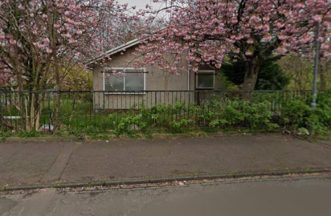
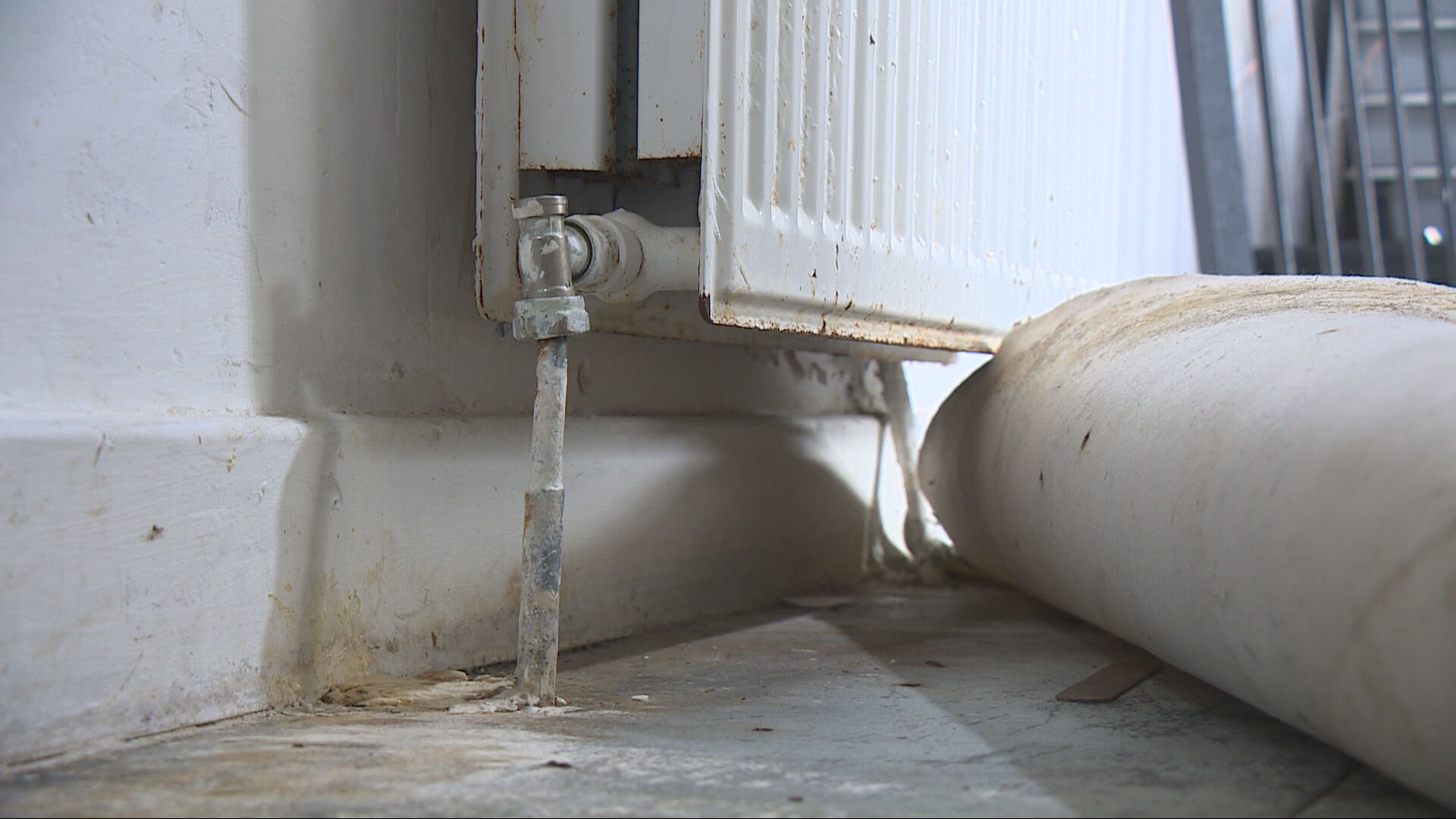
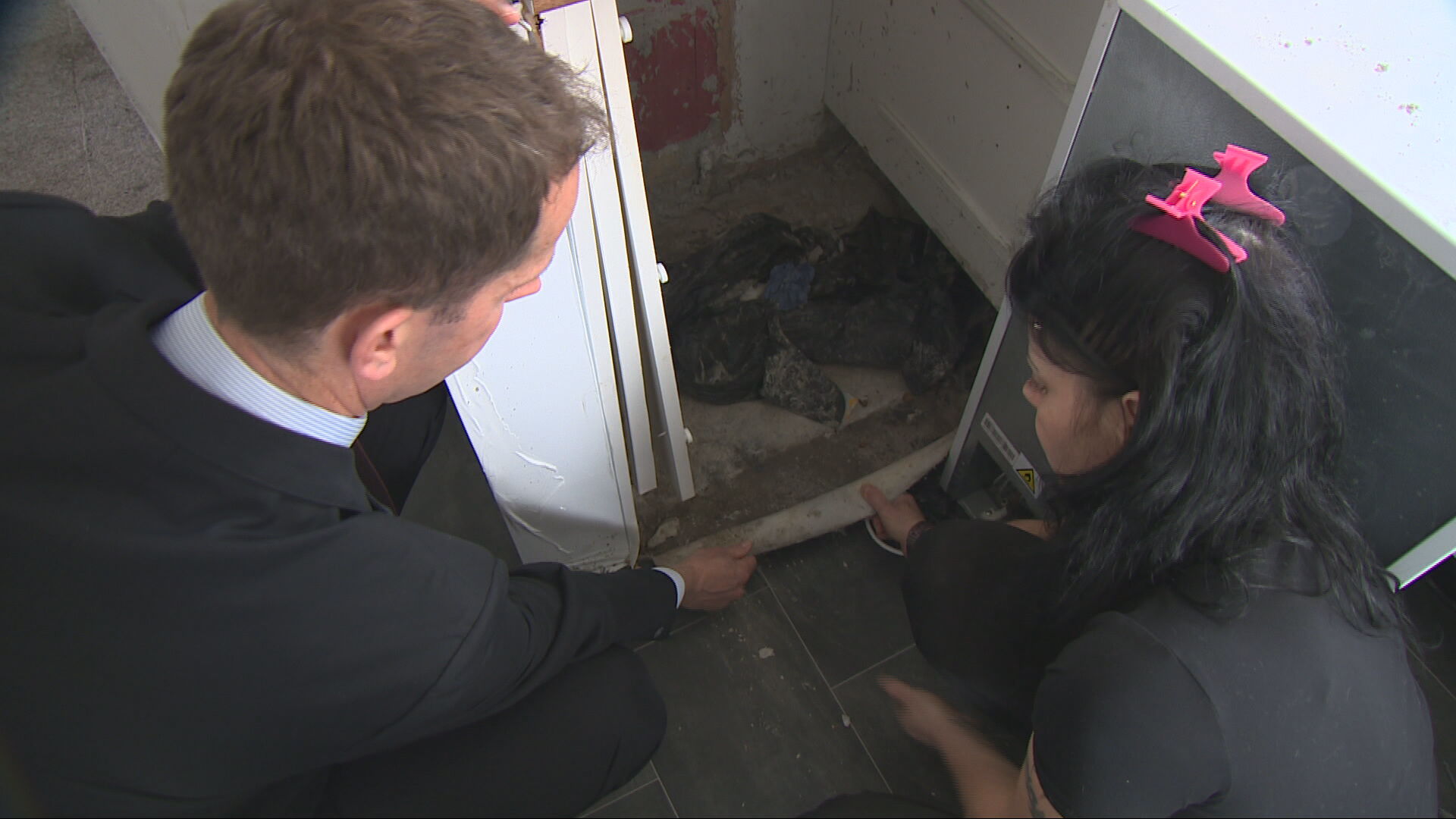
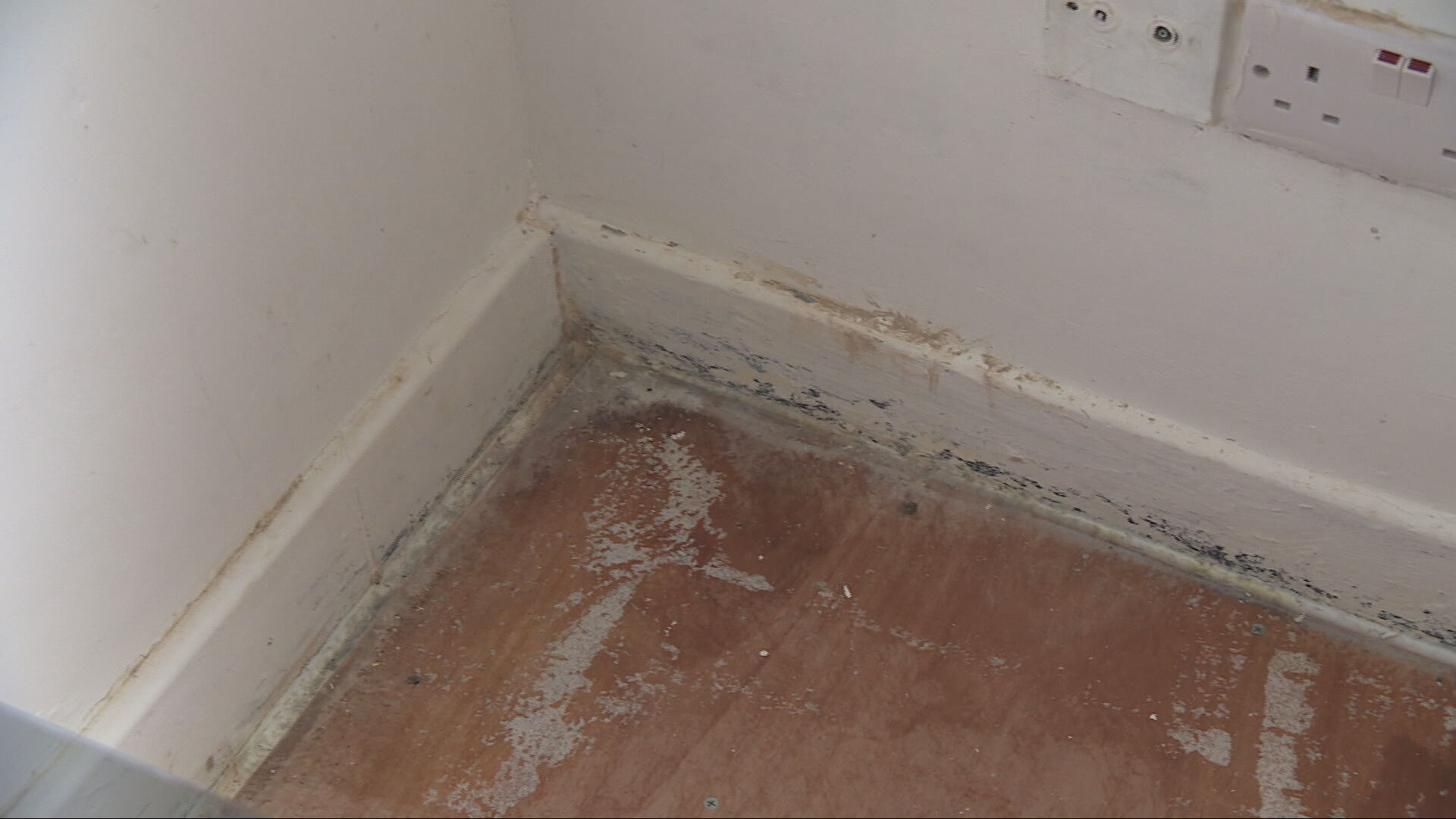
Denise Kelly says persistent leaks have left parts of the property she rents in Pollok, in the south-west of the city, covered in mould.
Denise, who lives there with her teenage son, told STV News she has repeatedly raised concerns with Wheatley Homes, which manages the property, but claims her complaints have not been properly addressed.
“It’s unbearable living here 24/7, but what else can you do?” Denise said.
 STV News
“You can’t cook and we can’t have a bath because the tap water doesn’t work.”
“I can’t put in for a repair because it has to go through a third party now. If you make a complaint, you’re going to be tarred.”
Denise temporarily moved out after a fire at the property before returning in April. She says conditions inside the home are now worse than before.
“I’m constantly wheezy,” she said. “I wear contact lenses and my eyes are constantly irritated.
“My clothes stink. Everything smells.
 STV News
“My dogs are always unwell and have skin problems. If you open the window, you get hundreds of flies. It’s just pure humidity.”
She hopes the new legislation will ensure tenants’ complaints are dealt with more quickly and prevent others from having to endure similar conditions.
Wheatley Homes hit back at Denise’s claims.
A spokesperson said: “We take all reports of damp and mould seriously and investigate every concern raised in line with Awaab’s Law.
“Claims that we have not helped the tenant are inaccurate.
 STV News
“When we last inspected the home in June, we found no evidence of damp or mould.
“Since then, we have made four attempts to access the home, but the tenant has refused to let us in. The tenant again confirmed today (Tuesday) that she will not allow access.
“As a last resort, we have applied for a court order to gain access to the home so we can carry out any repairs that may be required.”
What is Awaab’s Law?
The new measures are named after Awaab Ishak, a two-year-old boy who died in England after prolonged exposure to mould in his family’s housing association home. His death prompted calls for stronger protections for tenants across the UK.
 PA Media
In Scotland, the new law is officially known as the Investigation and Commencement of Repair (Scotland) Regulations 2026.
They apply to both social and private landlords.
What will landlords have to do?
Under the new requirements, landlords must ensure reports of damp or mould are investigated by a competent person within ten working days of becoming aware of the issue.
Once the investigation is complete, tenants must receive a written summary of the findings within three working days.
If substantial damp or mould is discovered, landlords must begin repair work within five working days of the investigation concluding.
Social landlords must then complete those repairs within a maximum of 20 working days, while private landlords are required to finish the work as soon as reasonably practicable.
Legislation welcomed but concerns remain
The regulations cover homes rented from councils and housing associations under Scotland’s Right to Repair Scheme, as well as most privately rented properties covered by the Repairing Standard.
The duties apply where the damp or mould relates to parts of the property that are the landlord’s responsibility to maintain and repair.
Gordon Maloney, chair of Living Rent Edinburgh, cautiously welcomed the new legislation.
 STV News
He said: “The bodies that exist to enforce those responsibilities, local authorities in particular, routinely choose not to – either because they don’t have the resources or because they don’t have the political will.
“I’m worried, and tenants will be worried, that this legislation, while the principle is good and while it sounds great on paper, that the Scottish Government haven’t thought through the mechanisms for enforcement.”
Ministers are confident it will make a big difference
The Scottish Government says damp and mould can have serious consequences for both physical and mental health, particularly among young children, older people and those with existing health conditions.
Ministers say the new legislation is intended to provide greater protection for tenants by setting clear legal expectations on how quickly landlords must respond once a problem is reported.
Housing secretary Shirley-Anne Somerville said: “It may be an issue that can’t be solved overnight but what tenants can be reassured about is the Scottish Government has their backs, has given them their rights to be able to take forward a concern to their landlords and have it acted upon.
 STV News
“No child should ever suffer the way Awaab Ishak did, and no family in Scotland should have to live with damp or mould that’s ignored or brushed aside. That’s why, as of today, landlords have a legal duty to act within days.
“We know the overwhelming majority of rented homes in Scotland are decent, warm and dry. But for the small number where that isn’t the case, this law closes the gap. Tenants no longer need to fight to be believed, and landlords now have a clear, consistent standard to work to.”
Follow STV News on WhatsApp
Scan the QR code on your mobile device for all the latest news from around the country