The Scottish SPCA is calling for a national register of animal offenders after unlicensed dog boarders who crammed animals into stacked cages were given what the charity described as a “lenient” sentence.
Karen McGleish found Gary and Eden Hopkins’ business online last June. By all accounts, they seemed like the perfect boarders to leave her two dogs with for a week while she went on holiday.
“They were local, they were in Larkhall, and it said on it that [Eden] had eight years’ experience of looking after animals,” Karen told STV News.
“I spoke to her on the phone and went along to her house, saw her garden. Everything seemed good, and I had no concerns at that point.”
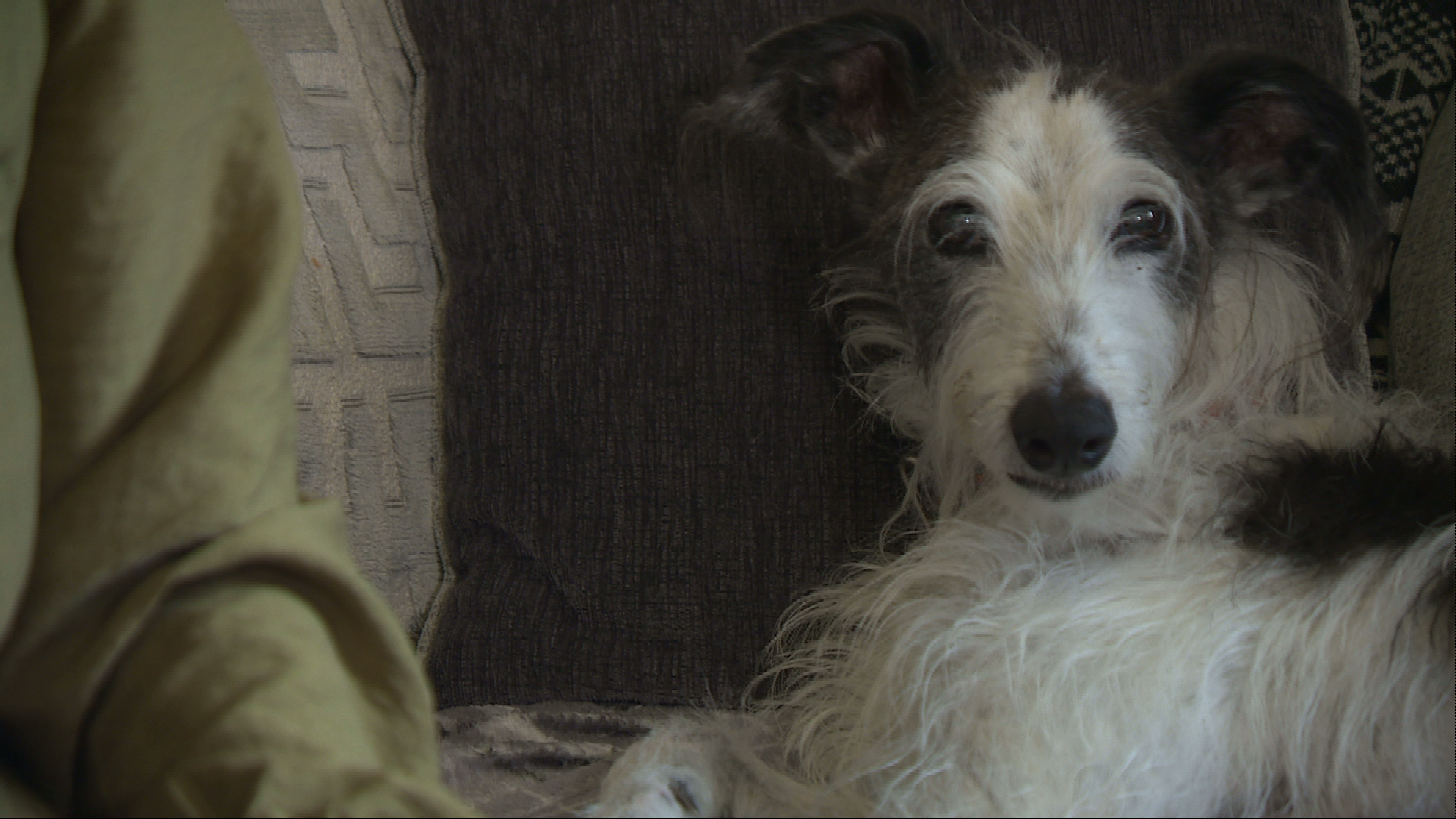
At the time, Karen’s dogs Monty and Hamish were 12 and four years old, respectively. They were used to house boarders, where they could roam freely and weren’t kept in kennels.
 STV News
 STV News
“When they go to a regular dog boarders, they’re lying on the couch, they are on their beds. They get treated like kings, they really do,” Karen recalled.
“I explained about Monty being an older dog. He was literally terrified of his own shadow, and I said he needs loads of cuddles and hugs. She understood and said it wasn’t a problem.
“She just made it sound like she would look after my dogs the way I would look after them.”
But when Karen returned from her holiday, something felt instantly wrong.
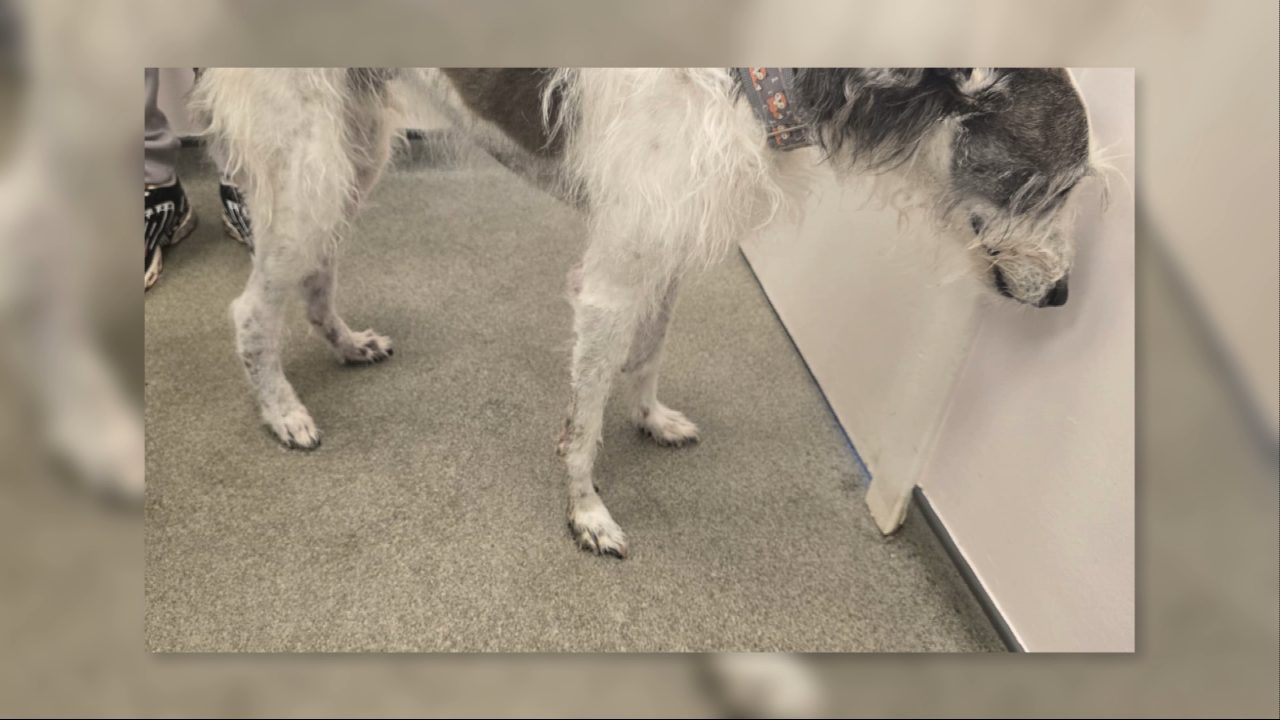
“As soon as the door opens, Monty runs straight into the boot of the car. Hamish is a very thin dog just because of his breed, but I thought he looked thinner than normal.
“Monty was limping.”
 STV News
 STV News
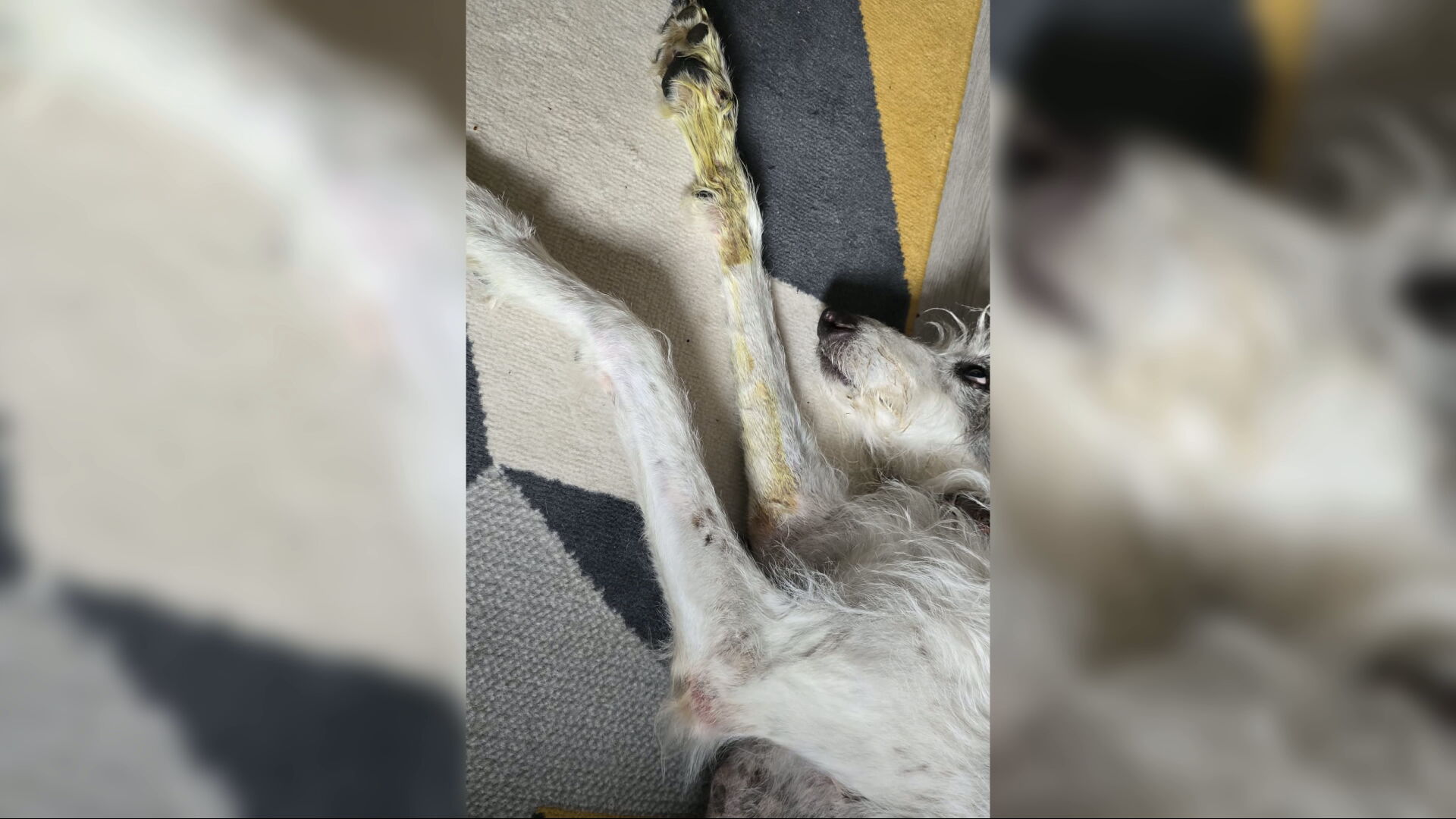
Upon closer inspection, Karen found that Monty’s front legs were covered in yellowish-green stains. They were covered in dry urine.
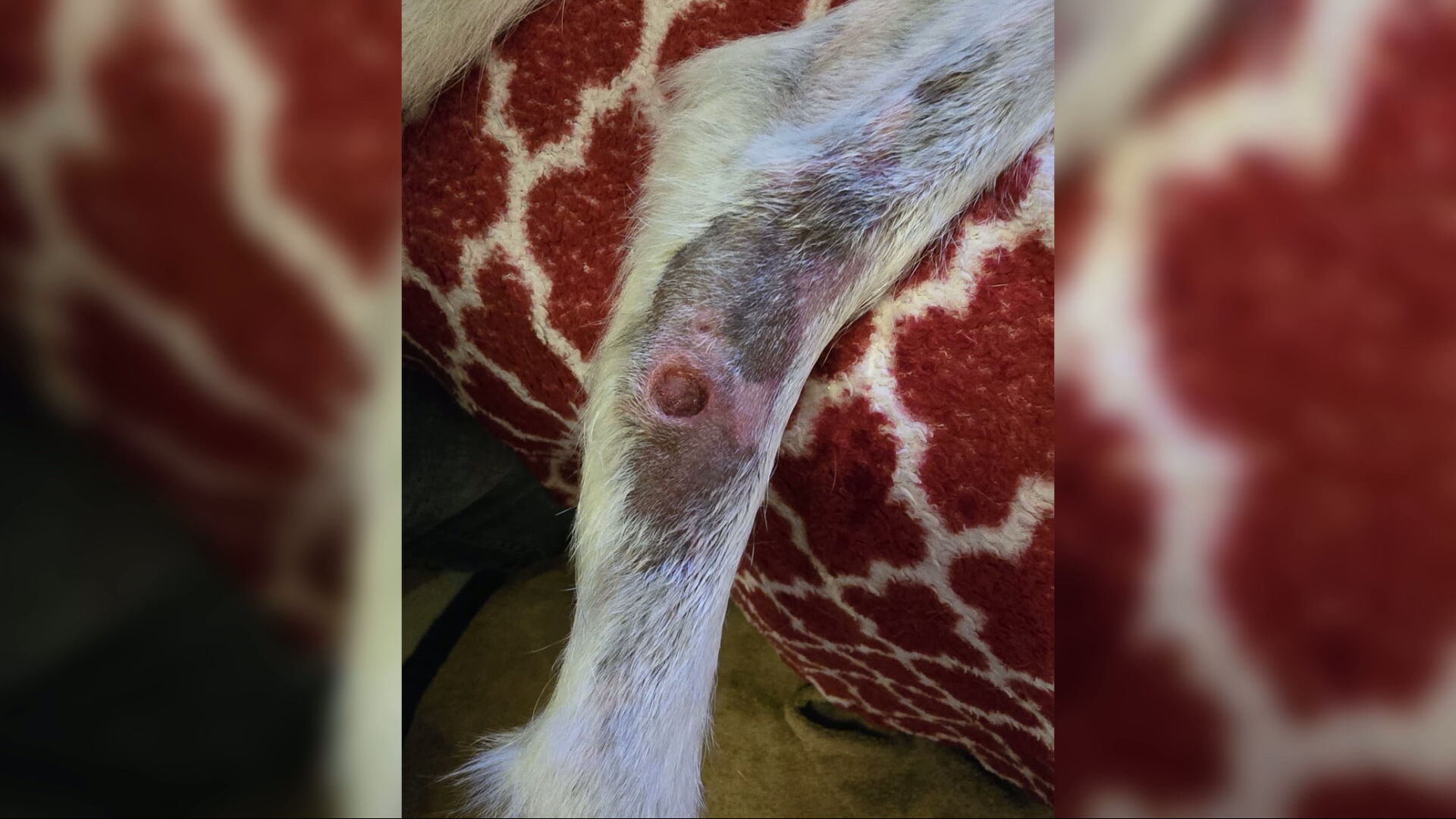
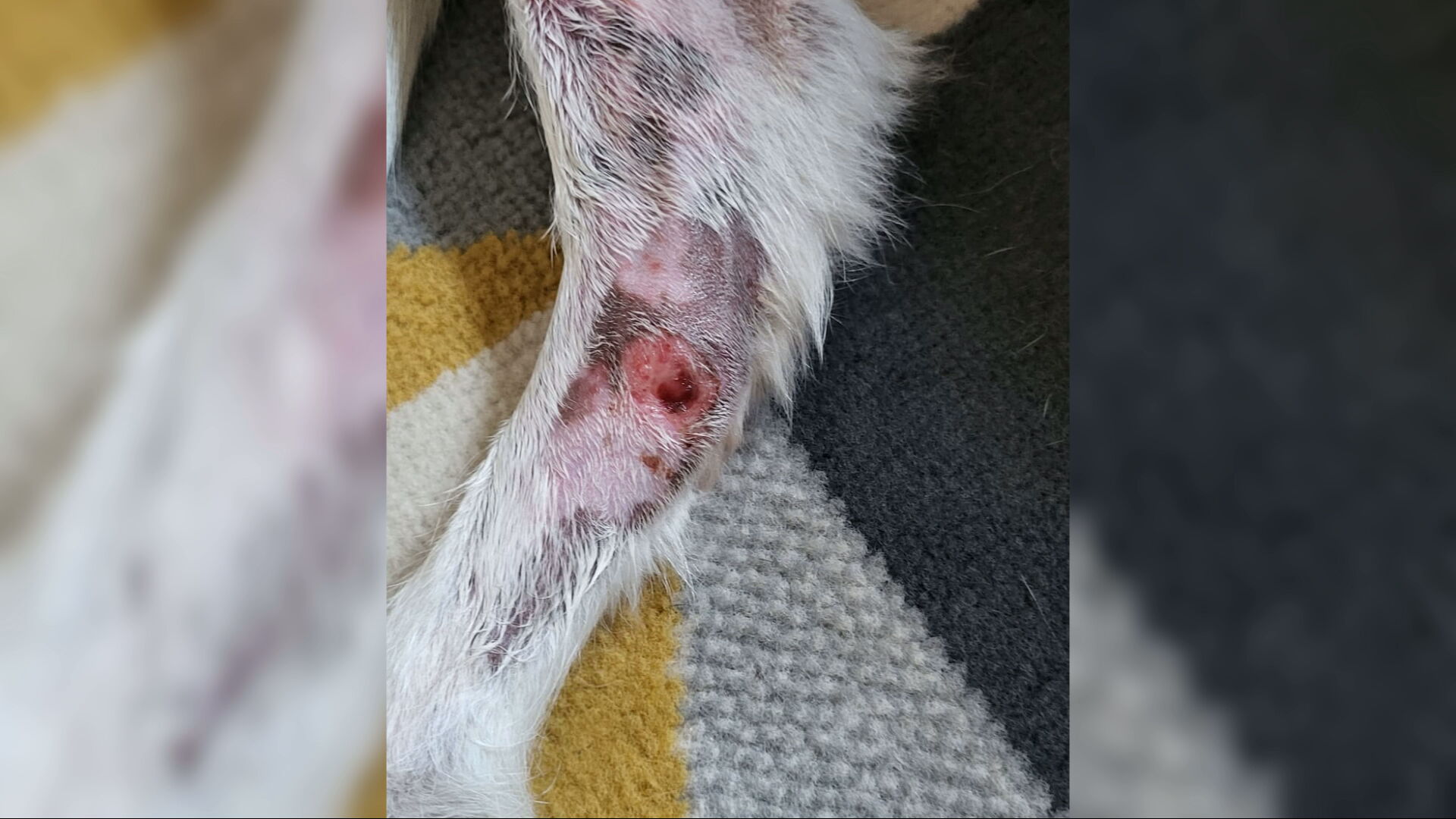
“His back legs had loads of what looked like bite marks. I didn’t know what they were at that point.”
A vet later confirmed they were pressure sores, likely from being kept immobile and in a crate for long periods of time.
The wounds, on Monty’s hocks, were infected and required antibiotics – Karen approximates she spent around £1,000 on vet bills alone.
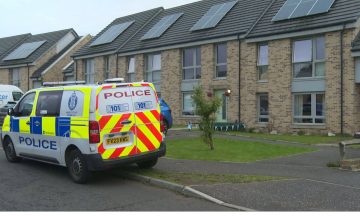
Karen reported the Hopkins to the Scottish SPCA, with an ensuing investigation finding that the dogs had been kept in “horrific” conditions.
Inspectors found seven dogs, including the Hopkins’ own pet, crammed into stacked cages in the kitchen of their home.
The dogs were unable to move in the cages, which were described as falling apart and without bedding.
 STV News
 STV News
At one point, four dogs were crammed into one cage.
Scottish SPCA acting chief inspector Lesley Boyce told STV News the scene was “harrowing”.
“They were so cramped – there was a Doberman and a Collie whose legs were so squashed together that they became intertwined. They couldn’t move.
“There was a Staffordshire bull terrier area that was in such a cramped cage, its head, top and sides were touching the walls of the cage.
“They were dehydrated, and they were covered in urine – it looked to the inspectors that these dogs were in these crates for days.”
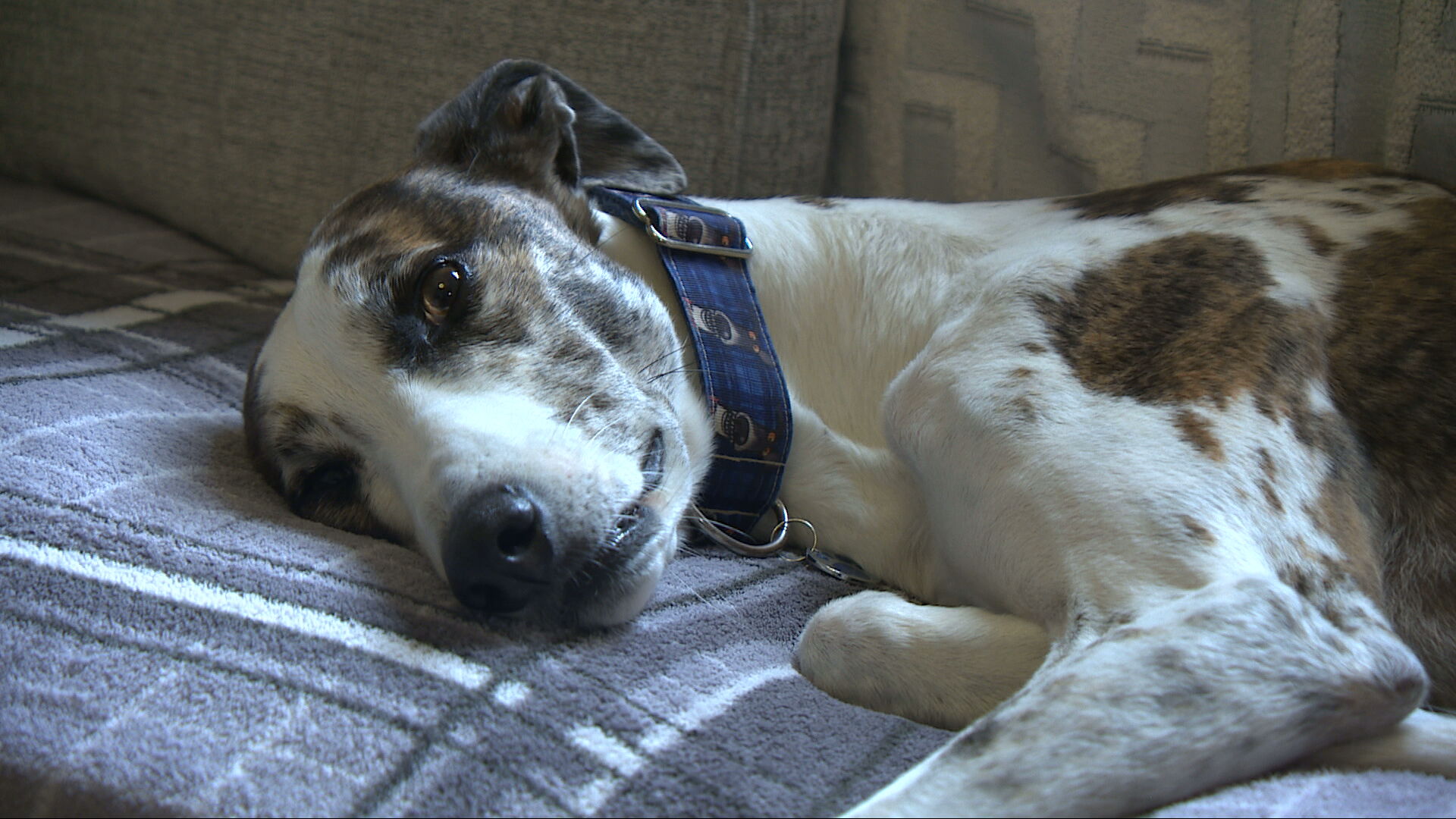
Monty and Hamish have largely recovered from their ordeal – but it’s left Karen traumatised.
“I don’t know if I can trust anybody ever again after what they’ve done,” she told STV News.
“It’s heartbreaking, because luckily enough Monty survived this – but what if we’d been away for two weeks? I don’t think Monty would have made it.”
 STV News
The Hopkins were sentenced at Hamilton Sheriff Court on June 17 after pleading guilty to breaching animal welfare legislation.
Gary was sentenced to 160 hours of unpaid work, while his wife, Eden, was handed a restriction of liberty order – keeping her housebound for up to 12 hours a day for two months.
The pair have also been banned from owning or keeping dogs for two years.
But the Scottish SPCA doesn’t think it’s nearly enough.
“The impact is minimal for a period of two years,” inspector Boyce said.
“These people can go out and get more dogs in two years’ time and cause unnecessary suffering again. So it is wholly inadequate.”
Along with stricter sentencing in animal abuse cases, the Scottish SPCA is also calling for a national register of animal offenders.
Inspector Boyce said: “We have multi-agency approaches, but it’s not enough because it can be a bit disjointed.
“That’s not the fault of the agencies, but we don’t know if the police have convicted an animal owner. It would really be beneficial if there were a national register for animal offenders.”
Follow STV News on WhatsApp
Scan the QR code on your mobile device for all the latest news from around the country