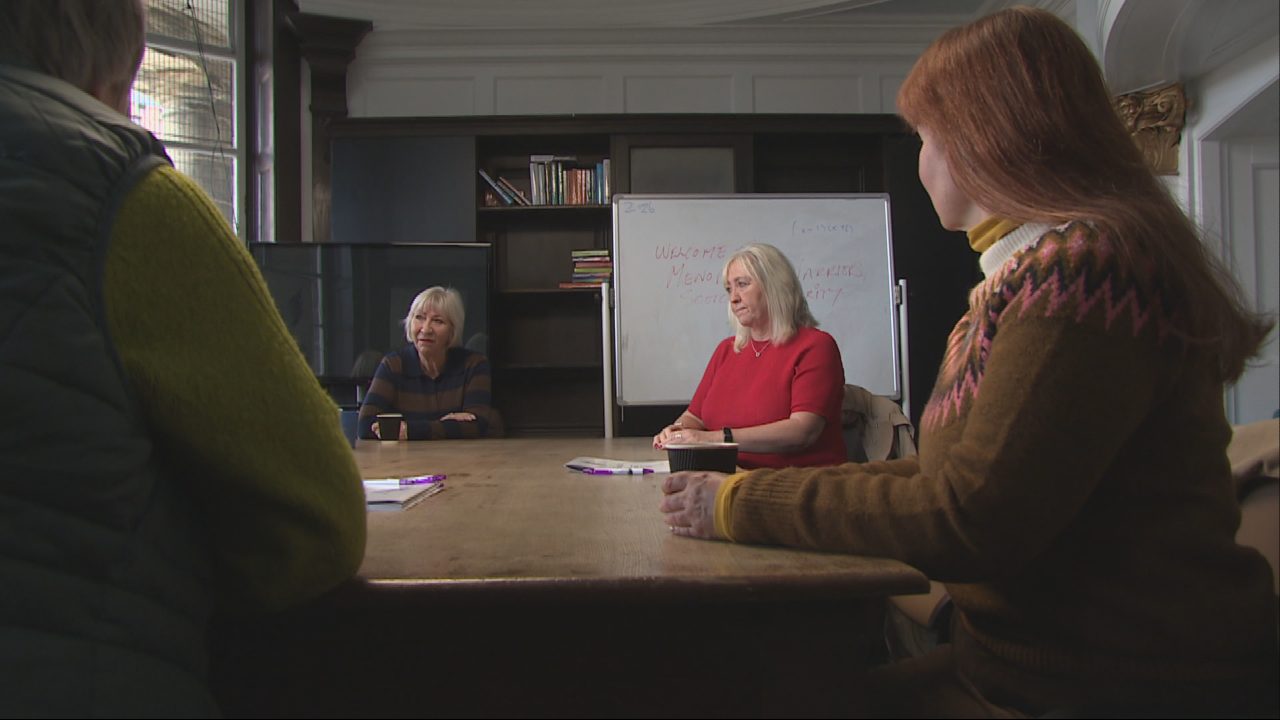
Women going through menopause fear their symptoms will return if they can’t access their usual medication during ongoing HRT shortages.
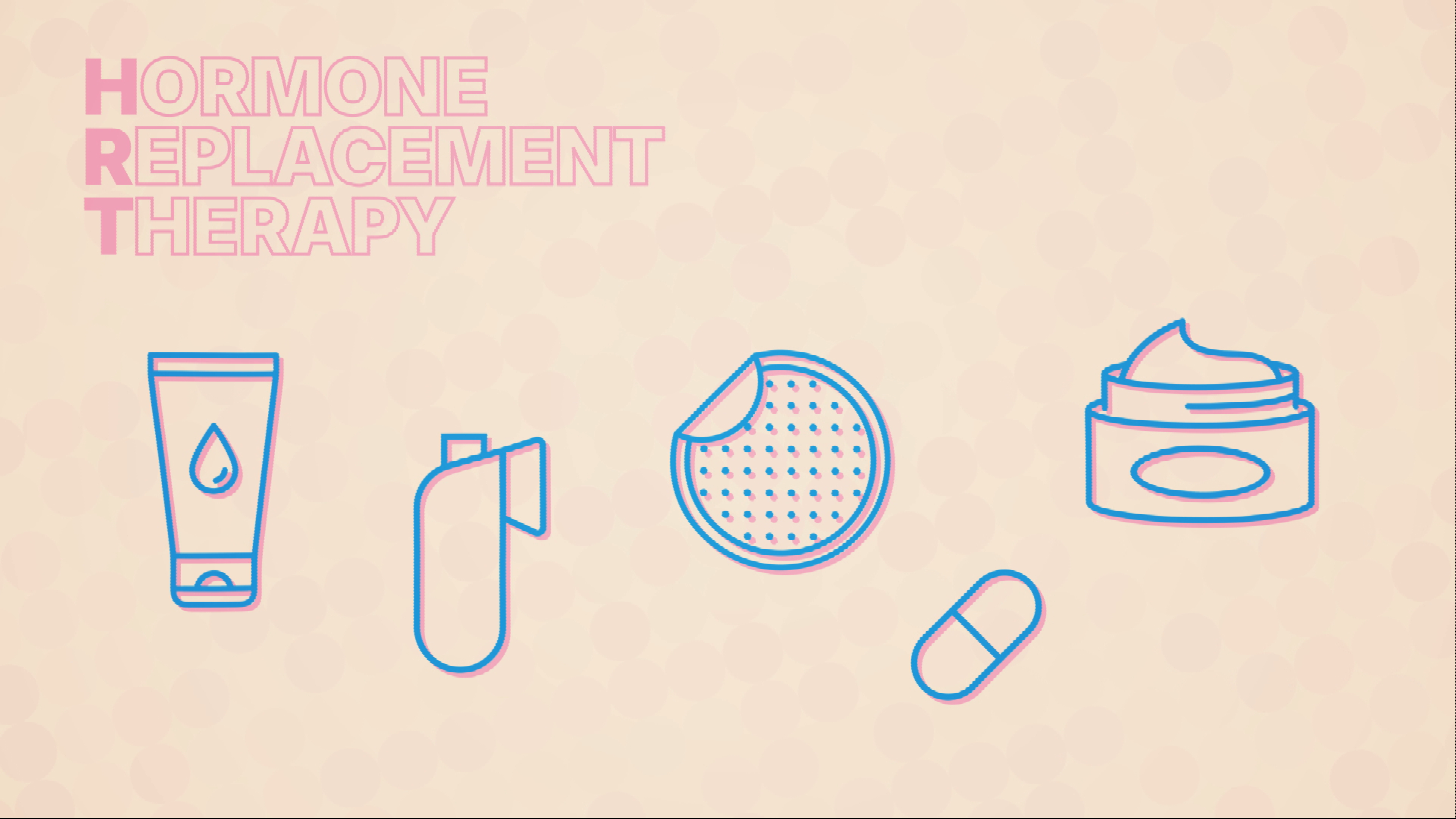
The treatment replaces the hormones oestrogen and progesterone when levels fall as a person approaches menopause.
Recent supply disruptions have affected a range of HRT patches and gels, forcing some women to switch treatments or wait for stock.
Women say that switching products during shortages can cause symptoms to return because different formulations are not always interchangeable.
Pharmacists struggling to source supplies say the crisis is worsening.
‘We don’t want any more women to suffer’
 STV News
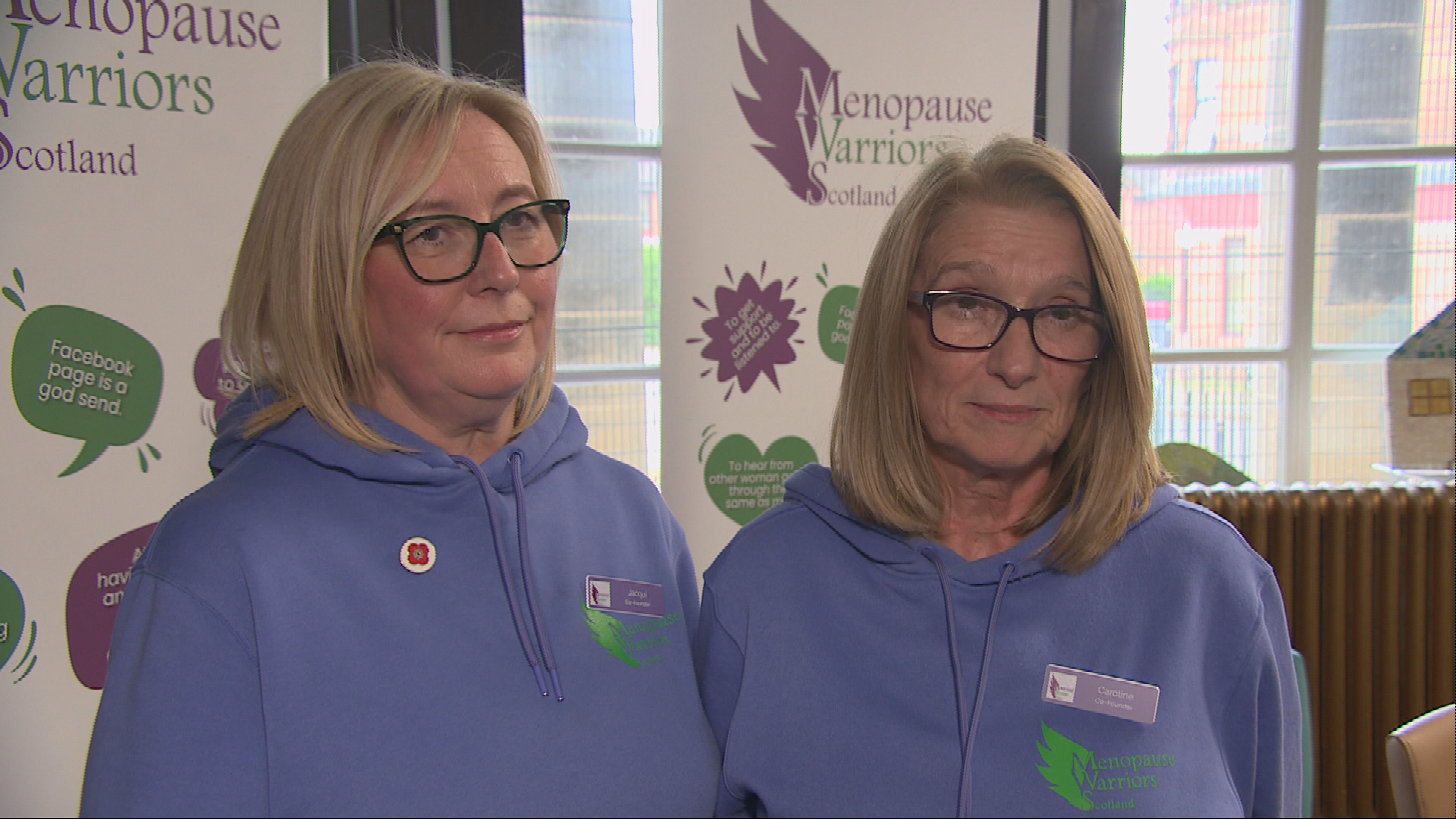
Menopause Warriors Scotland warn shortages could have a significant impact on women’s lives.
They say there needs to be more awareness among healthcare professionals of how menopause affects women.
Caroline Spalding and Jacqui Dillon started Menopause Warriors together in 2018.
Jacqui said: “We both had bad experiences when it came to menopause. We recognised through speaking to each other that a decline in hormones was causing all this chaos.
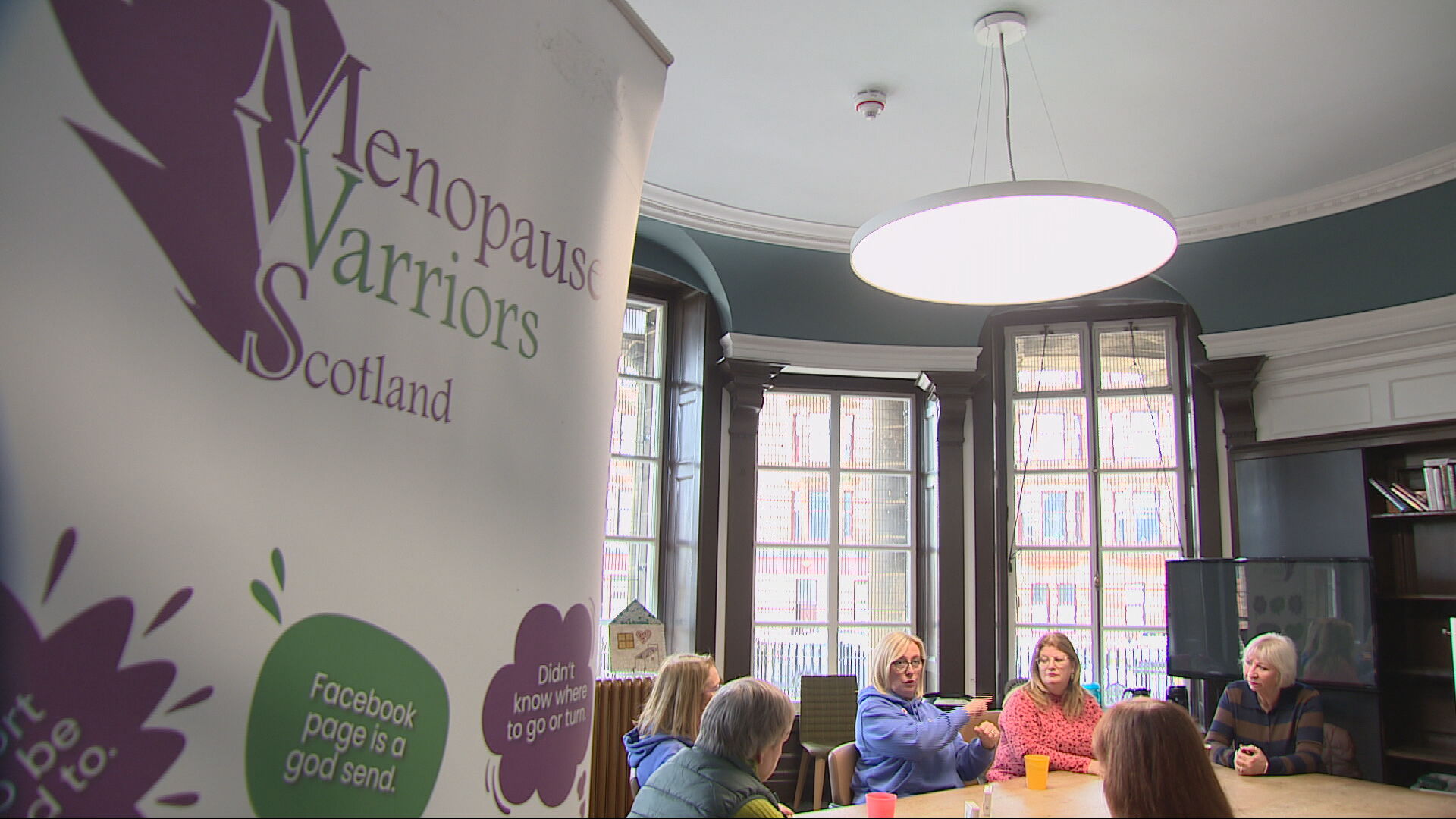
“If we hadn’t had each other, we wouldn’t have started researching and supporting each other. One night we thought, why don’t we have a support group?”
 STV News
The group now supports women across Scotland navigating menopause and accessing treatment.
Jacqui says she was initially denied treatment in her 40s due to concerns around her family history of cancer.
She says she found out 15 years later that she had been given incorrect information about her own risk.
“The fact I suffered so hard when I had a young child, I could have been put on HRT sooner. That would have changed my life. It became so much better.
“We don’t want any other woman to get into that situation when the help is there.
“The barriers are with healthcare professionals, and they’re either not educated or don’t see it as a priority.”
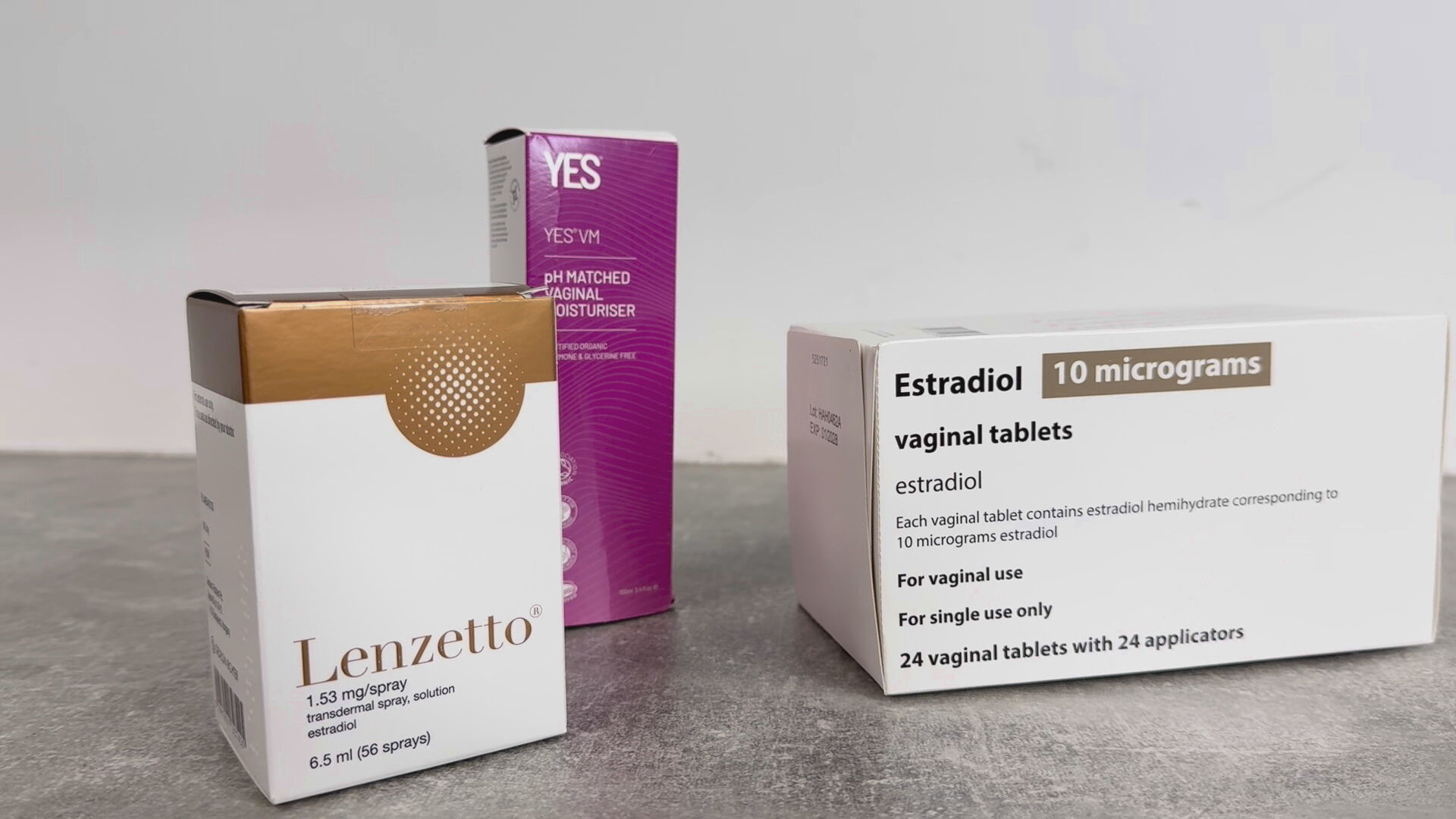 STV News
Caroline, who has been on HRT since 2022, said changing treatment because of shortages can be challenging for women.
“I was told there would be no difference, and there was.
“We get it to a certain level working for us, then you change that, and your symptoms can come back. It can be really distressing.”
Several women in the group said misdiagnosis and misinformation remain major barriers to treatment, despite growing awareness of menopause.
They claim they have had symptoms dismissed by doctors or have been denied treatment.
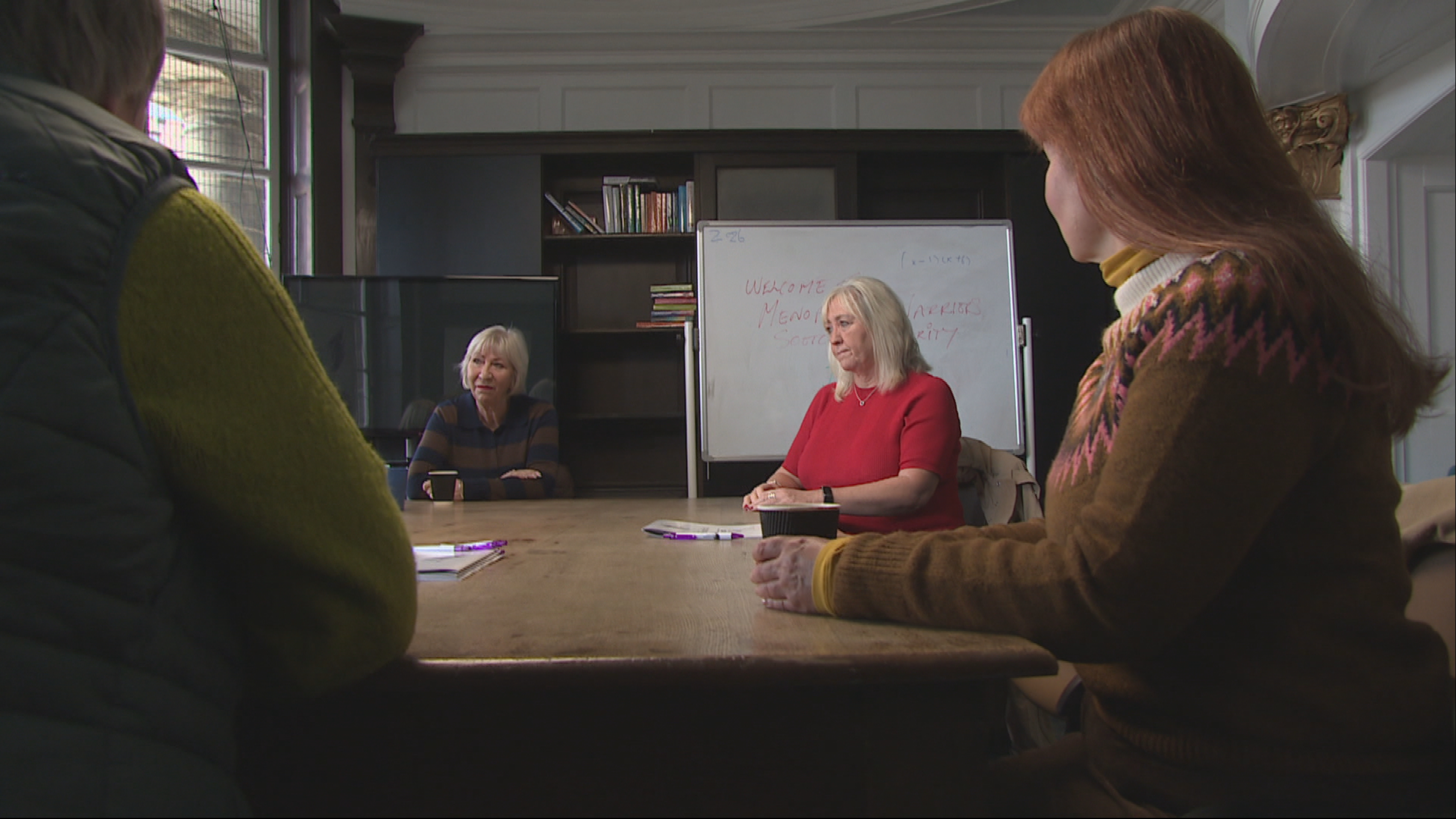
Joanne says her symptoms were so bad she believed she had dementia.
She was also prescribed multiple rounds of antibiotics for UTIs, which she says are a result of her hormone deficiency and would not tackle the root cause.
‘HRT has been life-changing for me’
 STV News
“I have no issue with GPs. It’s a lack of understanding and knowledge. I don’t want to be continually prescribed back-to-back anti-inflammatory drugs for issues that are hormone-related when hormones are the cause.”
She says HRT has been like “night and day”.
“It’s been life-changing, absolutely life-changing. The aches and pains lifted, the brain fog lifted. It’s been fantastic for me. I’m back to the person I was in my 40s.
“Even my girls were like, ‘You’re a different person’, which was fantastic. I still have a lot of anxiety because I never want to go back to the person I was before.”
Ann-Louise said: “The anxiety of not being able to get HRT… You don’t realise if you’ve never been on it and felt the difference; you don’t want to risk not having that support. There’s a lot of anxiety about not being able to get my patch.
“If there’s a shortage and people have to move across to a different formula, patch or gel, it’s not like for like. You will feel different. It can take a while for your body to catch up now you’ve gone on a different type, and it might not suit you.”
‘I feel good again – I don’t want to lose that’
 STV News
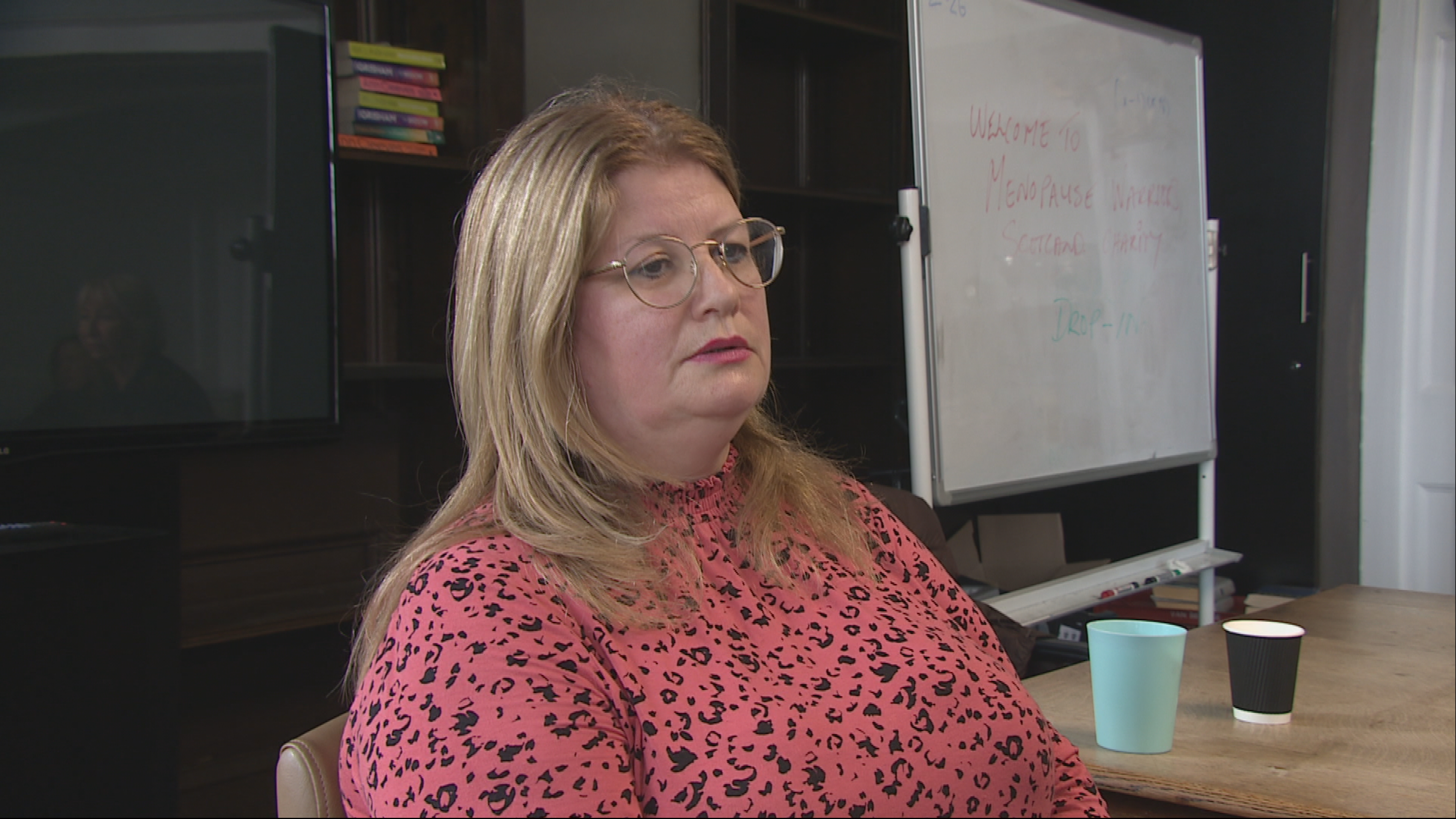
Marie, who has been on HRT since March, says she had bad anxiety and sleeplessness before beginning treatment.
“I feel like I’ve got my youth back. I feel more confident.
“I started to panic because I felt so good and didn’t want to lose that. I was concerned, but I ended up getting the treatment.
“There’s a sense of belonging in the group. If it wasn’t for them, I don’t know what I would have done.”
‘Women’s health must be a priority’
 STV News
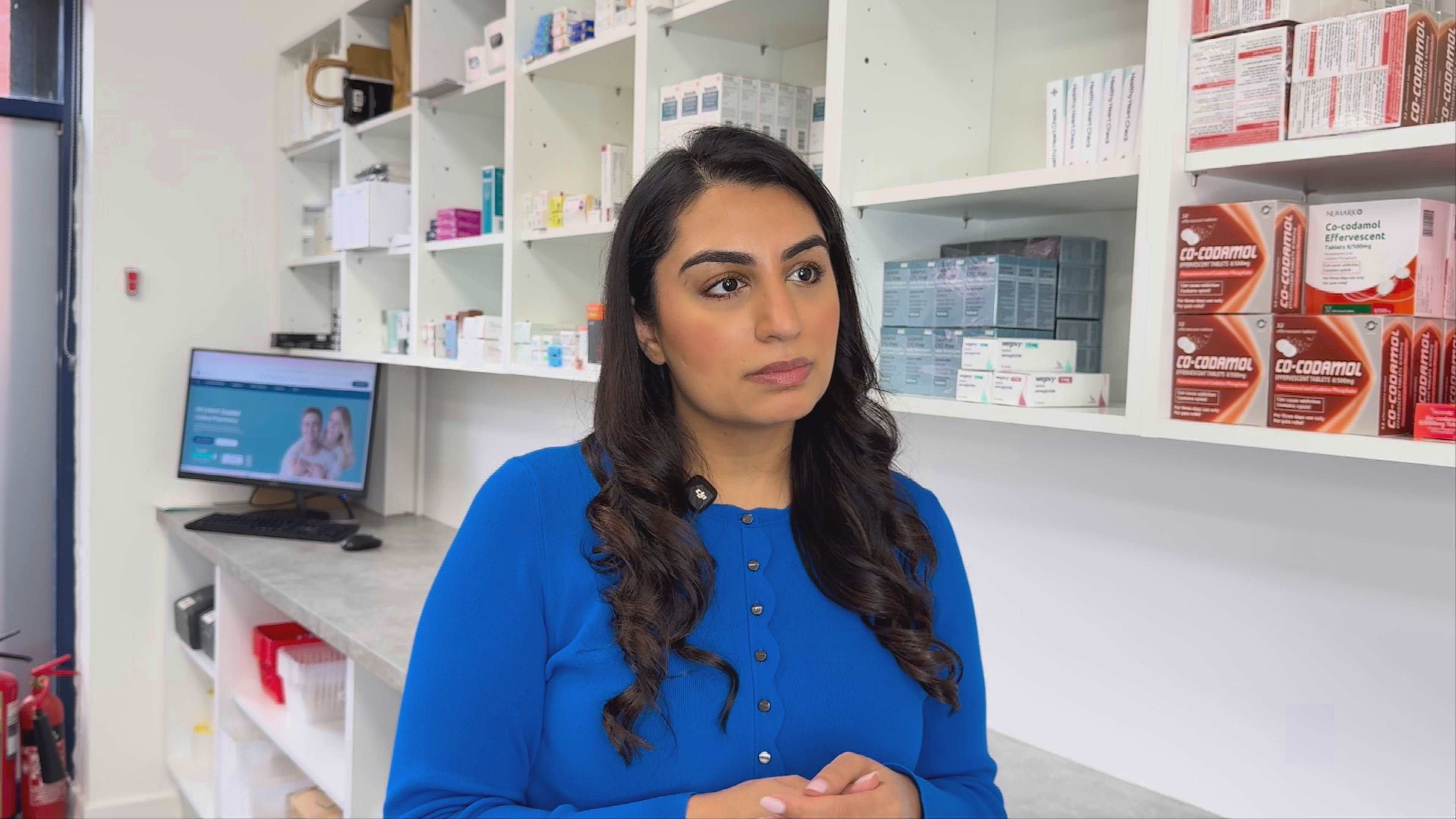
Sehar Shahid is a private pharmacist in Glasgow. She says the government should make tackling shortages a priority.
She said: “Shortages used to be very occasional. Now it’s the norm for very common medicines.”
“Women can’t go without these medications because it affects their day-to-day life. It’s important to prioritise the patients who need it the most.”
She says the UK’s supply chain is “narrow and vulnerable”, with other countries paying more for the same medicines.
She said pharmacists can often help women find alternative brands or formulations, but argued medicine shortages have become increasingly common.
“We feel like we’re having the same conversation over and over again, with not much changing.
“Menopause isn’t rare. If women are not getting treatment, it will affect their ability to work. It has an impact on everything.
“It should be a priority given to women’s health.”
 STV News
Phase Two of the Women’s Health Plan was published in January 2026, aiming to take a more targeted approach to menopause care, including working with NHS Education for Scotland on continuing to deliver training to healthcare professionals on menopause to help them best support their patients.
A Scottish Government spokesperson said: “The supply of medicines, including hormone replacement therapy (HRT) products, and any associated shortages, is a reserved matter for the UK Government.
“The Scottish Government continues to work with the UK Government to seek a lasting resolution to HRT supply issues, and to press them to work closely with the affected companies to address this as quickly as possible.
“Improving menopause care and support continues to be a priority for this government, and we want all women to have timely access to menopause support and services when required.
“Phase Two of the Women’s Health Plan, launched earlier this year, responds to the concerns of women across Scotland and includes focused action on menopause care.”
A Department of Health and Social Care spokesperson said: “There are over 70 hormone replacement therapy products available in the UK, and the vast majority are in good supply.
“We work closely with suppliers to solve any intermittent supply issues, whilst ensuring healthcare professionals have accurate, up-to-date guidance to provide alternative treatments.”
Follow STV News on WhatsApp
Scan the QR code on your mobile device for all the latest news from around the country