 LDRS
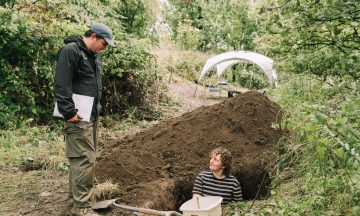
LDRSArchaeologists and local historians have discovered the surviving remains of the notorious Harvie’s Dyke in Dalmarnock.
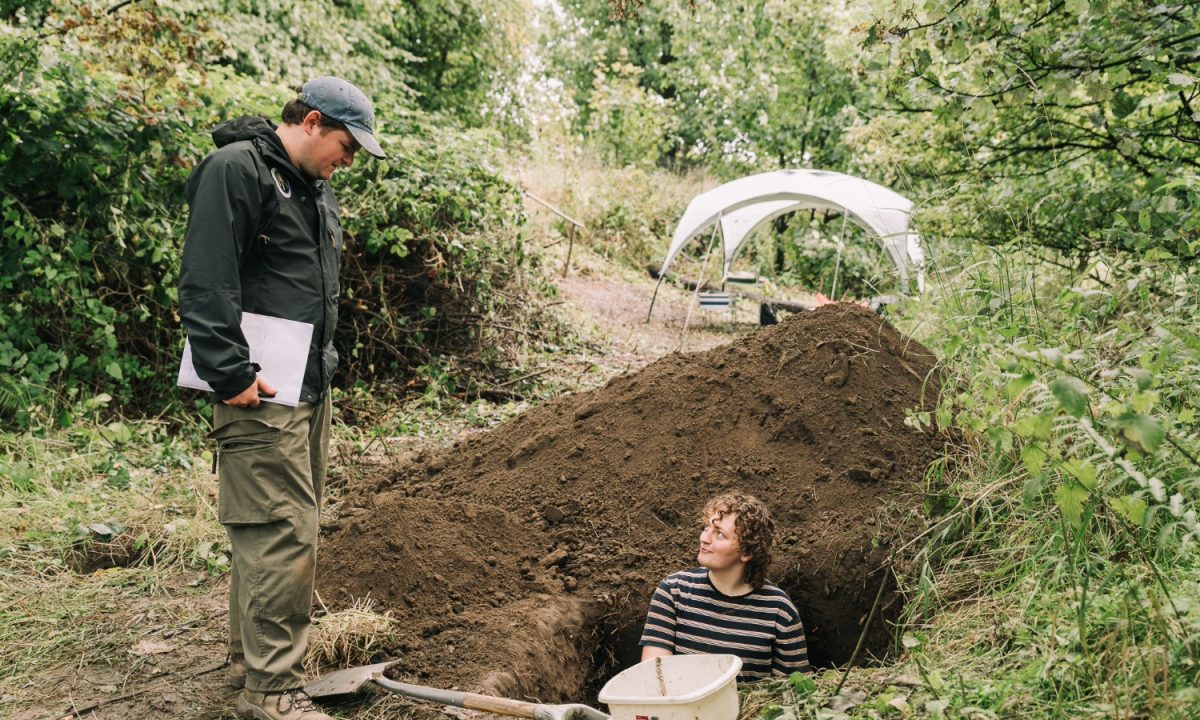
Last month, Glasgow City Council teamed up with Glasgow Building Preservation Trust (GBPT), which initiated the project “Digging the Dyke”, which uncovered parts of the 12-foot-high fortified stone wall built in 1823.
In the early 1820s, Thomas “Lang Tam” Harvie, a flamboyant, wealthy Glasgow distiller, bought the estate of Westthorn in Dalmarnock.
He set about building two huge walls on either side of his property, stretching down to the Clyde and blocking a long-established public pathway along the north bank of the river.
The walls were robustly fortified with iron spikes, broken glass and one even had its own watchtower, armed with small cannons.
On Midsummer’s Eve in 1823, a great crowd from the surrounding villages gathered to tear down the hated walls.
Their actions sparked a six-year legal struggle that culminated in a landmark ruling in the House of Lords – one that defended and defined rights to public pathways.
A collaboration was recently formed between the council, GBPT, Archaeology Scotland, and historian Professor Chris Whatley to bring together archaeologists, volunteers and members of the public to participate in the programme.
Supported by Shettleston councillor Laura Doherty and Calton’s Baillie Linda Pike the project formed part of the 2026 Glasgow Doors Open Days Festival.
Over 400 people visited the excavations or took part in the programme of walks, talks, tours and performances linked to the project.
They discovered that Harvie paid a heavy price for these walls. His whisky was boycotted, his enormous fortune was consumed by legal bills, and he was left bankrupt. He died a pauper a decade later.
Today, one of the dykes still survives at Thorndyke Lane in the east end of the city.
Ivy-covered and largely forgotten, it remains a living landmark to the power of community action and to the tenacity and courage of those who stood up to Harvie.
Archaeologists searching for the remains of the demolished eastern wall made a number of discoveries, including a rare 1791 Glasgow trade token bearing the city’s motto, “Let Glasgow Flourish”.
The team also uncovered mortar, floor surfaces, roof slates and fragments of plasterwork which suggest they may have located the remains of a fortified summerhouse that once overlooked the riverside path.
City Convener for Neighbourhoods and Assets, Councillor Laura Doherty said: “The funding demonstrates the value that both Area Partnerships place on projects which deliver real benefits for local people.
“What makes this project stand out is that it uses our local heritage and archaeology within a combined programme of education, community engagement, health and wellbeing, and skills development for residents.”
Bailie Linda Pike said: By uncovering and celebrating this history, we can help build a greater sense of pride in the east end while ensuring that local people shape how this important part of Glasgow’s story is remembered for future generations.”
Project partners are now seeking local people’s views on the surviving section of Harvie Dyke at Thorndyke Lane and what its future should be, helping to shape future conservation and funding plans.
To have your say visit: https://www.smartsurvey.co.uk/t/16TU4U/
Follow STV News on WhatsApp
Scan the QR code on your mobile device for all the latest news from around the country