A project to dry out one of Scotland’s most influential homes has entered an “exciting” new phase of its rescue after the removal of the cement render, which caused decades of water damage.
Hill House, Charles Rennie Mackintosh’s early-modern masterpiece in Helensburgh, marked a “turning point” in modern architecture when it was built in 1904. Since its construction, it has been badly affected by the driving rain on Scotland’s west coast.
A Portland cement render, or “skin”, was applied between 1902 and 1904 under Mackintosh’s instruction, when it was thought to be a wonder product that would protect against the elements. Instead, it trapped moisture inside the traditional red sandstone walls, damaging both the structure and the bespoke interiors.
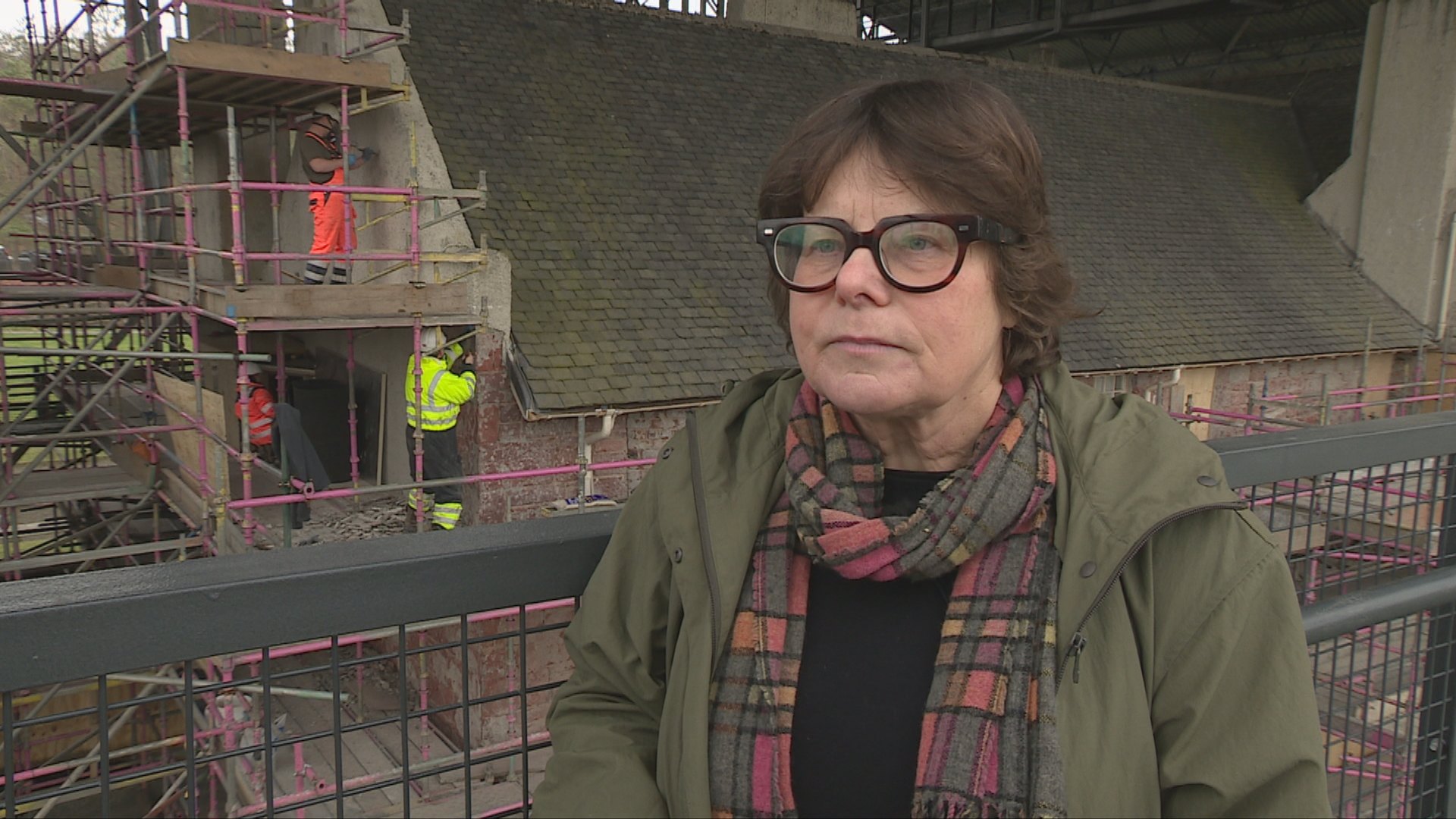
National Trust for Scotland project director Liz Davidson said: “It was a modern project in the way he applied cement over a traditional red sandstone building. Those two materials don’t like each other.
“The phrase we use is ‘dissolving like an aspirin’. Water can be found in a small crack outside; it moves consistently into drier areas in the inner face of the walls. When it sits there, it breaks the stone down into fine dust. If you take off the skirting boards, it’s like opening the bottom of an hourglass.
“The job at the moment is that we can take it off now, complete the building, and see what’s going on. Whatever happens, a new coat is going to have to come back onto the building, and it will have to breathe.”
 STV News
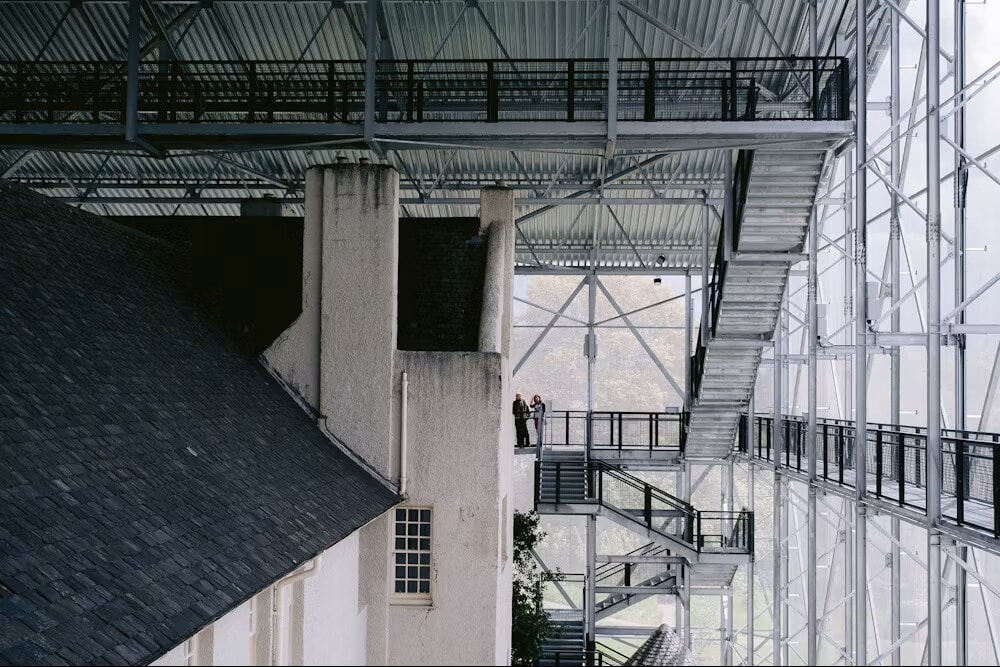
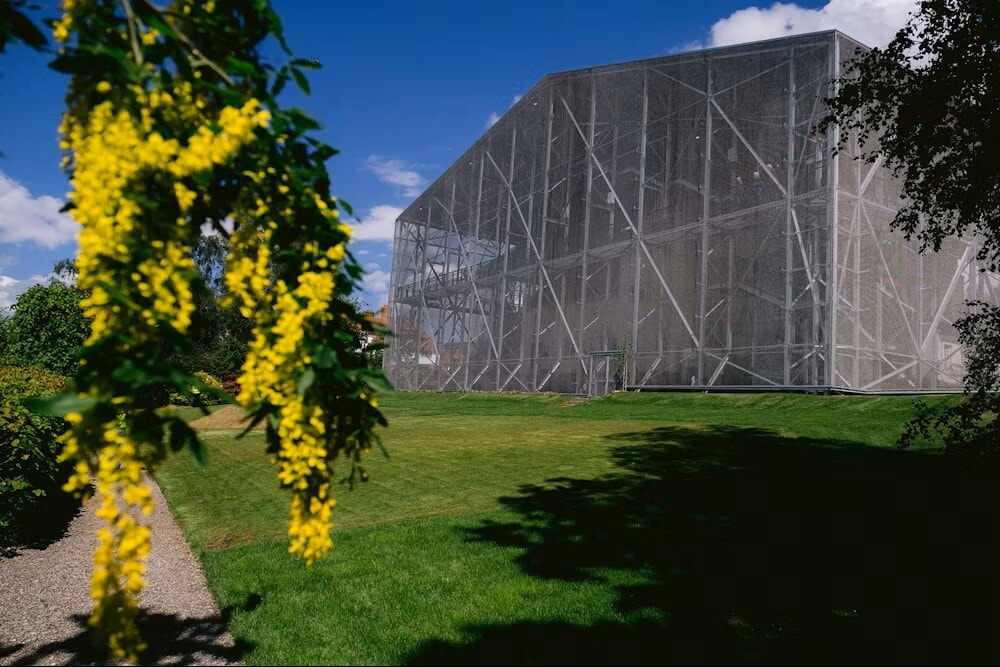
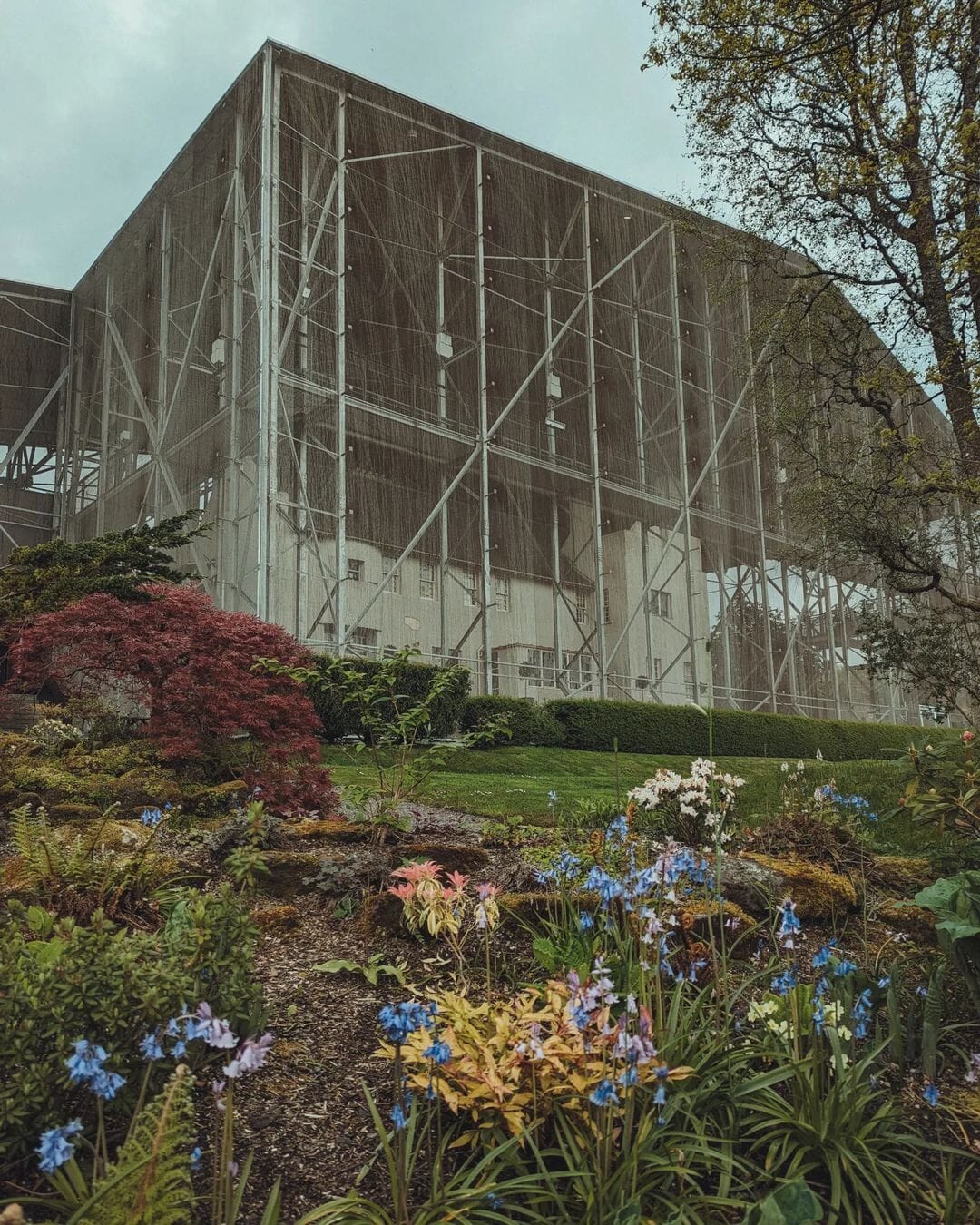
An architect-designed giant steel ‘box’ was erected around the property in 2019 to shield its walls from further water ingress and allow them to gradually dry out as part of a long-term conservation programme, estimated to cost up to £20m.
After several years under the protective structure, the walls have now dried sufficiently for the cement to be painstakingly chipped away and replaced with a breathable, flexible render.
With the next stage of conservation now advancing – including planning approval for investigative external works and the appointment of a new architectural lead – the house is preparing to be re-exposed to the elements.
 NTS
NTS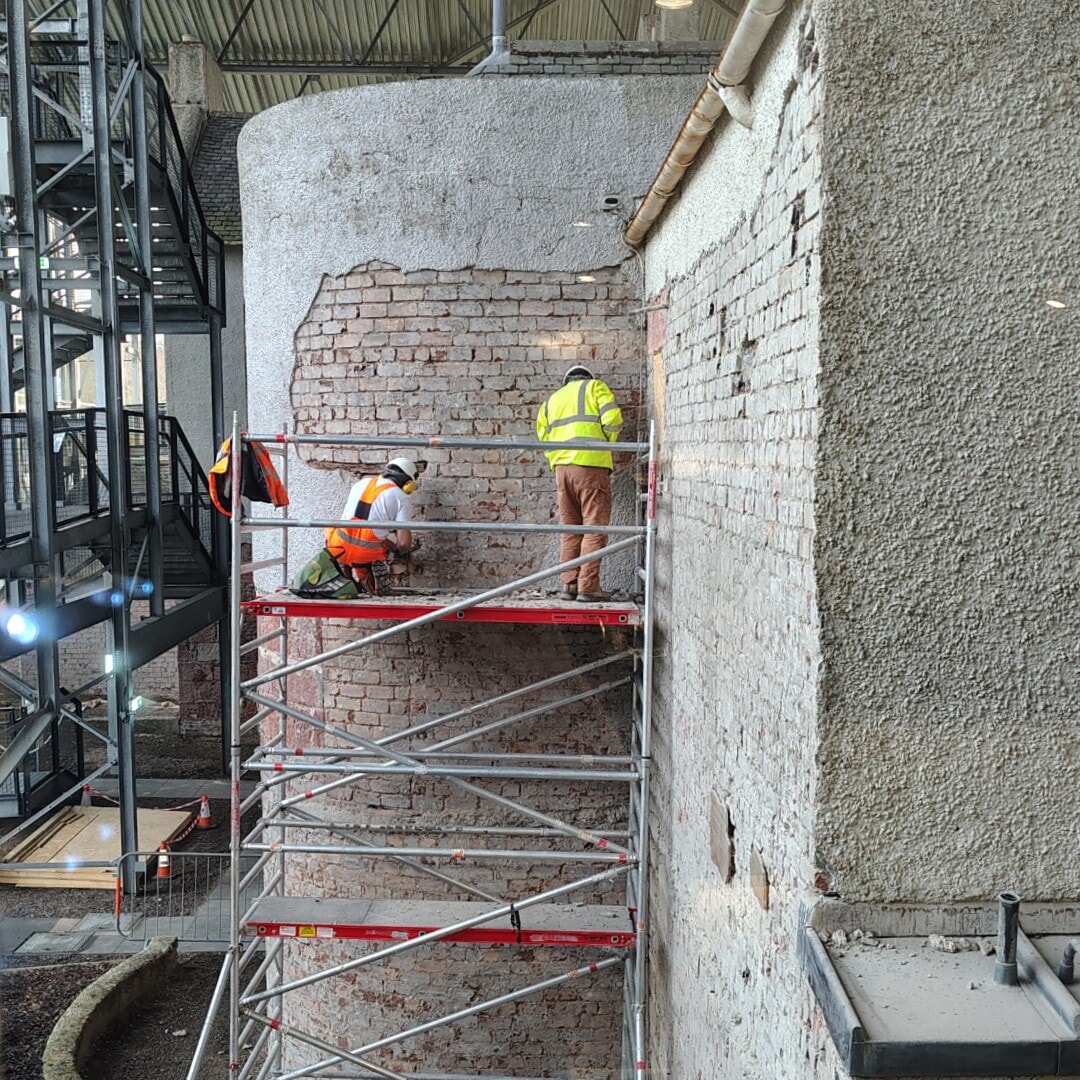 NTS
NTSThe hope is to have Hill House’s upgrades completed by Easter 2028, which marks the 160th anniversary of Mackintosh’s birth and 100 years since his death, milestones adding urgency to the works.
NTS chief Philip Long said: “I think it’s one of the great modern houses there is anywhere in the world. The Trust is taking its responsibility for its care very seriously – otherwise we could lose it.
“I’d really encourage people to come and see this. The box has an amazing set of platforms and stairs that allow people to walk around the building and over the top. You can really see the conservation work happening as we finally restore this amazing masterpiece by Mackintosh back to its full glory.”
The house was commissioned by Glasgow publisher Walter Blackie, and its interior design was a collaboration between Mackintosh and his wife, Margaret Macdonald Mackintosh.
The A-listed villa marked a departure from traditional Victorian architecture, blending Scottish baronial forms with the emerging Art Nouveau style.
“Mackintosh was one of the great creative geniuses in Scotland,” Philip said. “Mackintosh, together with his fellows and his wife Margaret, all at the Glasgow School of Art, really did something extraordinary that became admired, especially across Europe in those years.
“The movement was one of the most innovative, often about creating a complete environment, interior and exterior. To that, he brought extraordinary design talent – furniture, textiles, and all parts of the interior are still as breathtaking today, and remain hugely influential for architects and designers.
“We must make sure to celebrate him and his profile around the world.”
 NTS
NTS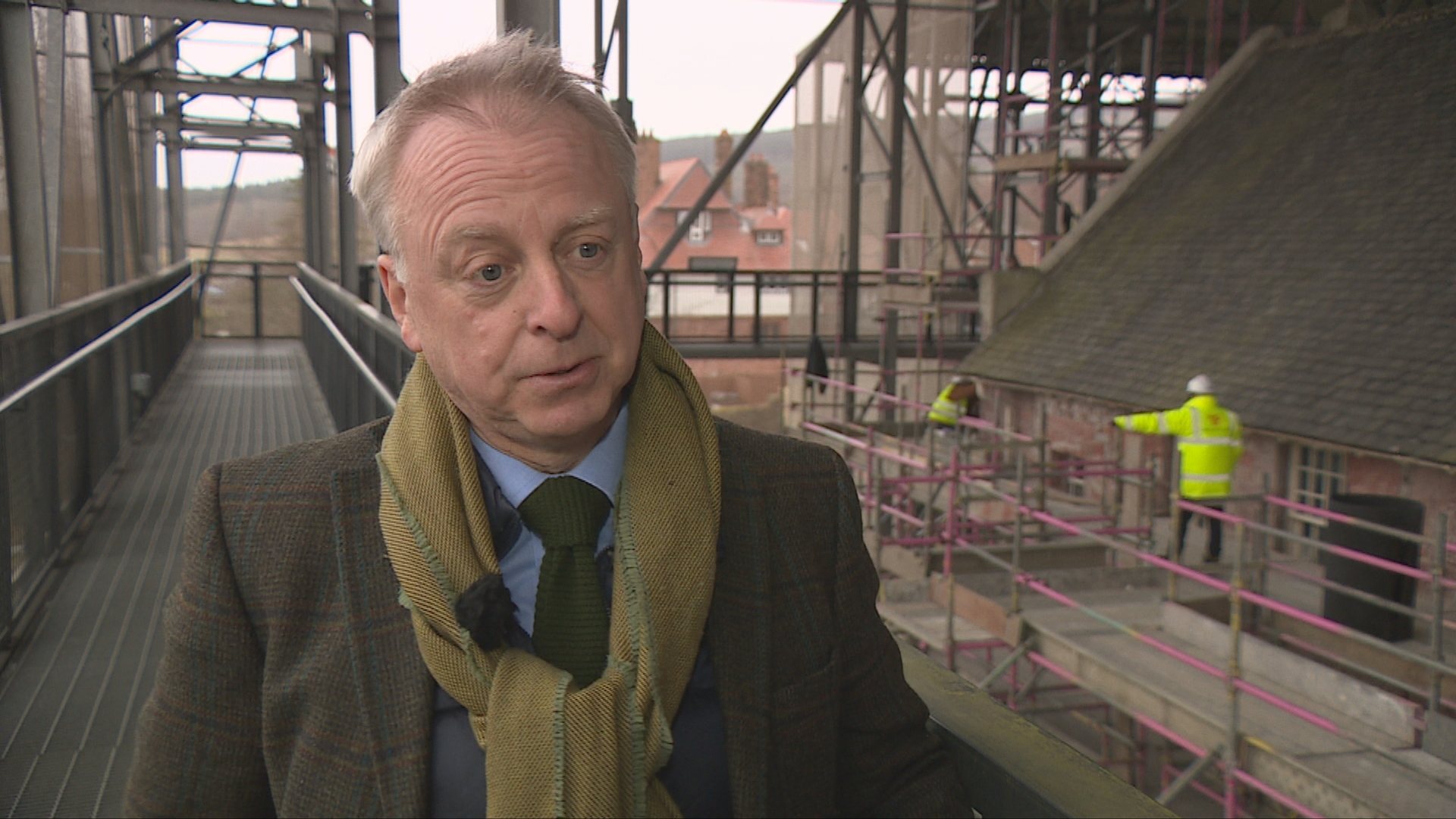 STV News
The conservation and restoration work forms part of the National Trust for Scotland’s Mackintosh Illuminated project, supported by players of the National Lottery through £7.2m in development funding from the National Lottery Heritage Fund.
Lottery Heritage Fund director Caroline Clark said: “This is hugely ambitious in so many ways.
“We’re convinced that this is going to offer excellent value for money for National Lottery players, saving an iconic piece of Scots heritage, jobs being created, and apprenticeships being created in important technical skills such as stonemasonry. It’s a hugely complex and scientific approach to take, then there’s the scale of the building and the damage that has been done.
“This is a significant step on the journey to making this a reality.”
Follow STV News on WhatsApp
Scan the QR code on your mobile device for all the latest news from around the country