 PA Media
The First Minister says he is open to an amnesty on knives in Scotland after recent high-profile cases of young people being stabbed and killed.
John Swinney gave his backing to Scotland’s justice secretary, Neil Gray, who said he would consider the measure in light of the murders of Kayden Moy, 16, and John McNab, 22, in separate incidents last year.
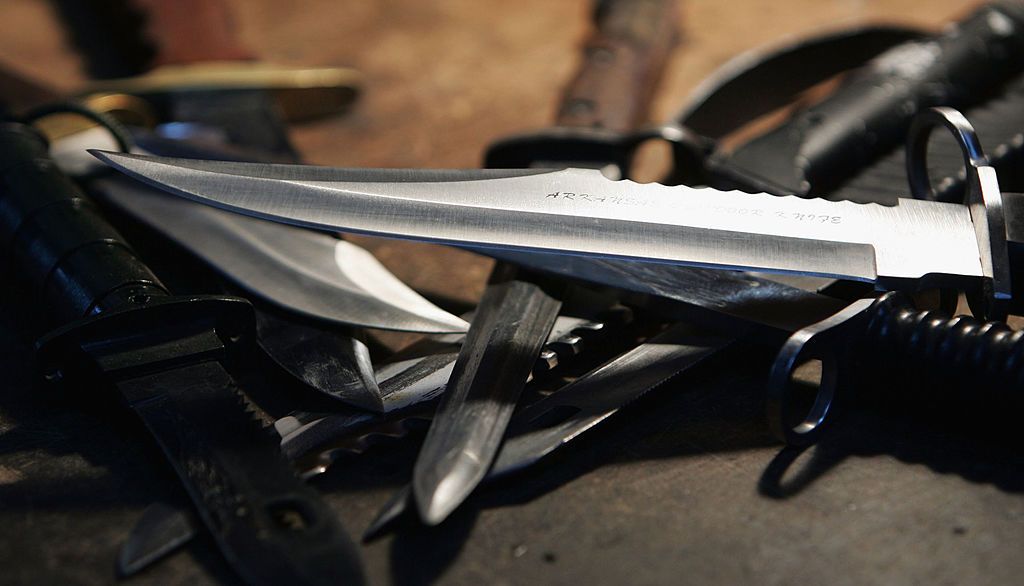
An amnesty would allow people to safely and anonymously surrender knives or illegal weapons without immediate prosecution, with the goal of removing dangerous weapons from the street in a bid to reduce knife crime.
It is 20 years since Scotland last had a knives amnesty – where more than 12,500 knives and other weapons, including machetes, swords and meat cleavers, were handed in over a five-week period.
Gray said on Sunday he would give consideration to an amnesty.
Speaking to STV News on Monday, the First Minister said: “The government has a number of steps that we have in place about educating individuals about the dangers of carrying a knife and about the unacceptability of carrying a knife.
“If there are more measures that we can take to try to reduce the risk of knife crime in our society, then the government will explore every one of those, including an amnesty on carrying a knife.”
The comments come after two teenagers were found guilty last week of murdering 16-year-old Kayden on Irvine beach in May 2025, while a third, 18-year-old Cole Turley, pleaded guilty to the murder before the trial started at the High Court in Glasgow.
Jay Stewart, 18, and a 15-year-old boy, who cannot be named for legal reasons, acted together with Turley to kill Kayden after a clash between rival gangs.
Another teenager who murdered a man with a hunting knife while on bail for a previous slashing was given a life sentence with a minimum term of 17 years at the High Court in Dundee last week.
The 17-year-old, who cannot be named for legal reasons, chased and killed John McNab, 22, in an unprovoked attack on Great Junction Street in Leith in September last year.
Police Scotland has stressed these are isolated incidents, but has warned that more teenagers are carrying knives for “self-defence”.
In a plea against carrying weapons, Superintendent Graeme Gallie of Police Scotland’s Ayrshire Division said: “Carrying a weapon will not improve your safety. It can, instead, increase the likelihood of self-injury and have devastating and irreversible consequences for you, your family, your friends and your community.”
‘Young people need somewhere to go’
In the East End of Glasgow, Easterhouse used to be notorious for its gang culture, but there has been an active focus on trying to reduce youth violence.
 STV News
Richard McShane created the Easterhouse Phoenix Centre – a community centre that runs various sports and activities for all ages during the week.
He believes prevention and education are key to tackling youth violence and has invited Swinney and the justice secretary to see for themselves the work they are doing.
He told STV News: “We’ve done this since 2007. There wasn’t a community centre in Easterhouse as they were all closed down.
“Young people need somewhere to go, otherwise they roam the streets. Fortunately, what we’ve been doing is working because knife crime in Easterhouse has dropped.
“Serious crime in Easterhouse has dropped as well.
“When you get people through your door, you can talk to them, and you can make them worldly wise for the future, especially young people, because in today’s age, there are not a lot of jobs out there.
“So coming in here and taking part in one of the sports, it’ll change their whole way of life.”
Residents and workers in Easterhouse say they’ve noticed a big difference.
 STV News
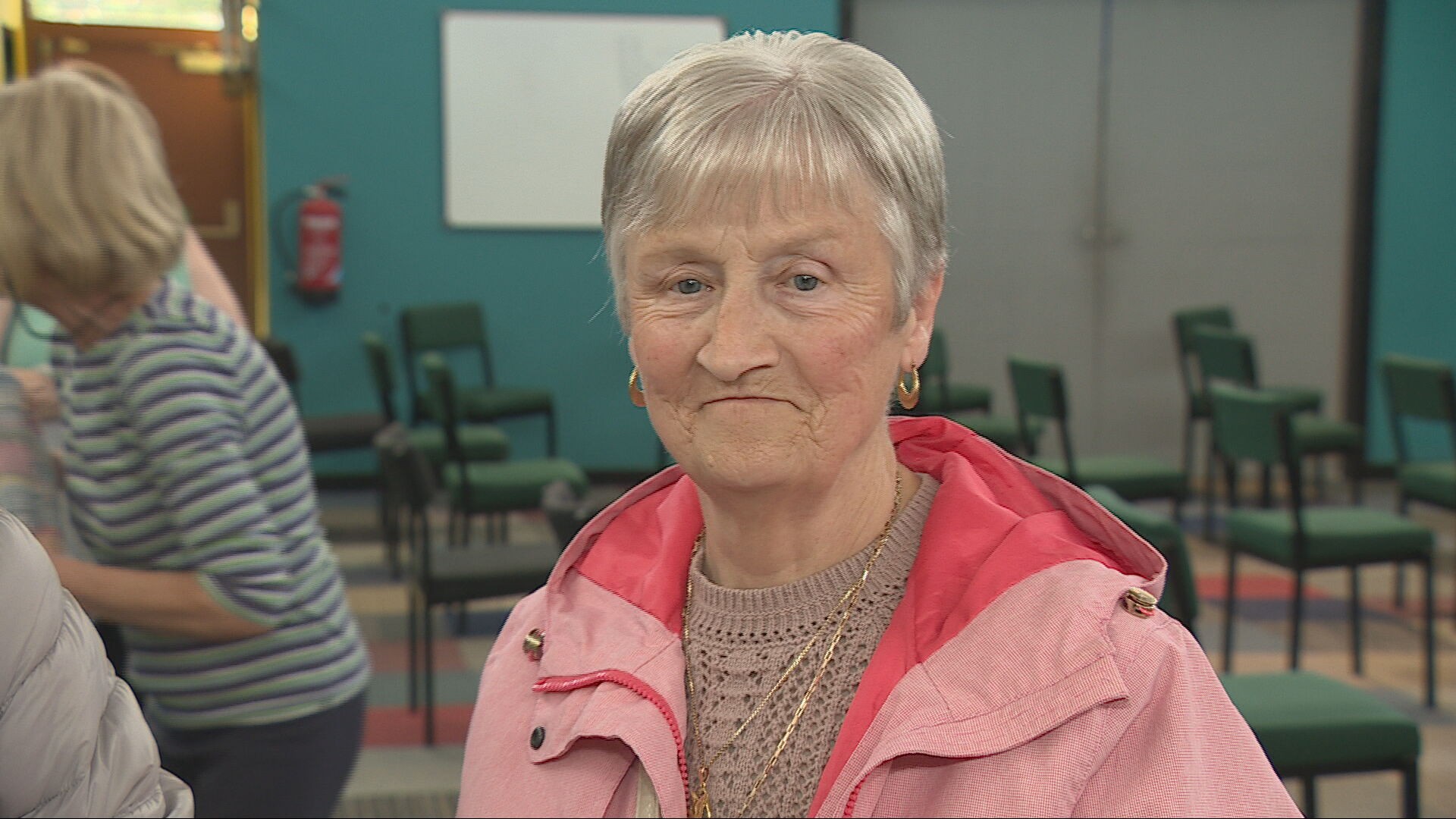
One resident, Irene, said: “I’ve lived and worked in Easterhouse and it has changed quite a bit.
“It’s only through places like this that they come twice a week. I’ve been going for four years, and it is fabulous.
“Everybody enjoys it, and you can probably tell by the atmosphere in the class.
“It’s really important these clubs get to flourish and get the funding that they need because it’s very important.”
Another woman, who worked in a local shop, added: “It wasn’t nice, you used to be threatened with knives, your families were threatened, it wasn’t a nice place to live and work.
“We got scared, but hopefully now we’ve moved on for the better.
“A lot of it was to do with stealing, drug habit, typically being bad, no respect.
“Now, though, I feel safer here than I do walking in the city centre of Glasgow.
“They’ve got to do something about that. But here I feel fine, I don’t need to look over my shoulder.”
Follow STV News on WhatsApp
Scan the QR code on your mobile device for all the latest news from around the country