 Adobe Stock
An East Lothian mum says families feel “completely roadblocked” after the council banned private speech and language therapists from working in schools.
The decision, introduced last August, prevents independent therapists from delivering sessions during the school day, including in specialist provision settings.
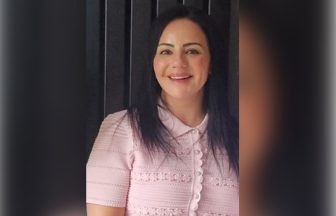
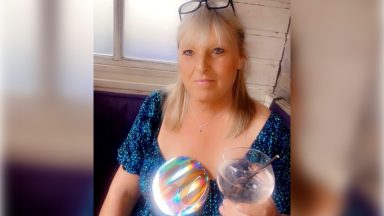
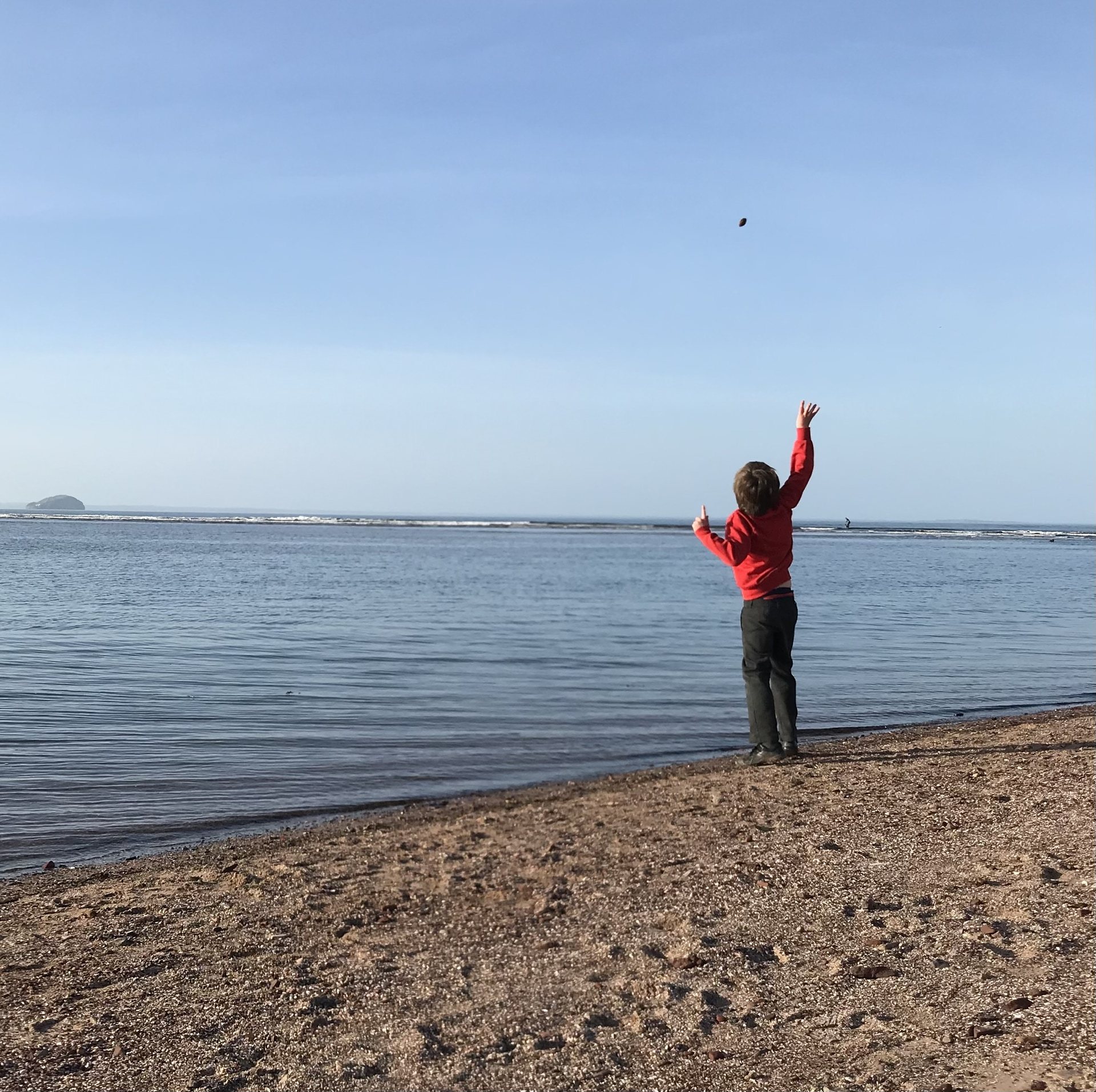
Arts publicist and writer Fiona Carswell says the move has had a direct impact on her 12-year-old son Alasdair, who has autism.
For nearly nine years, he has worked with an independent speech language therapist who delivers sessions during school hours with the agreement of staff.
But just before a new block of sessions was due to begin in September, she received a call from the therapist informing her that she was no longer permitted on site.
“We genuinely thought it was an administrative mistake. But when we tried to get answers, we couldn’t.”
 Fiona Carswell
The family later learned the policy applies to all independent therapists across East Lothian, including occupational therapists and dyslexia specialists.
The council has cited quality assurance and safeguarding as concerns. But Fiona says those explanations “fall down” when applied to real-life situations.
“Speech and language therapists are regulated healthcare professionals,” she added. “Everything was already agreed with the school.”
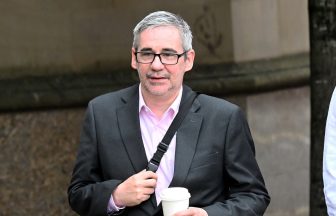
Families have approached their local MSP, Paul McLennan, who has since raised the issue with the council.
He said there was no consultation or individual equality impact assessments carried out and that a meeting between council and parents was not agreed to.
“These therapists have built long term relationships with children and their parents. Familiarity is key.
“Parents quite rightly have their own children`s educational and emotional interests at the heart of their concerns.
“I would urge the council to meet parents and myself as soon as possible to discuss a way ahead.”
‘Everybody feels frustrated and shut down’
 Supplied
Fiona says affected families have requested a face-to-face meeting with council representatives.
“Parents and families have never been spoken to directly,” she said. “Everybody feels very frustrated. Very shut down and confused.”
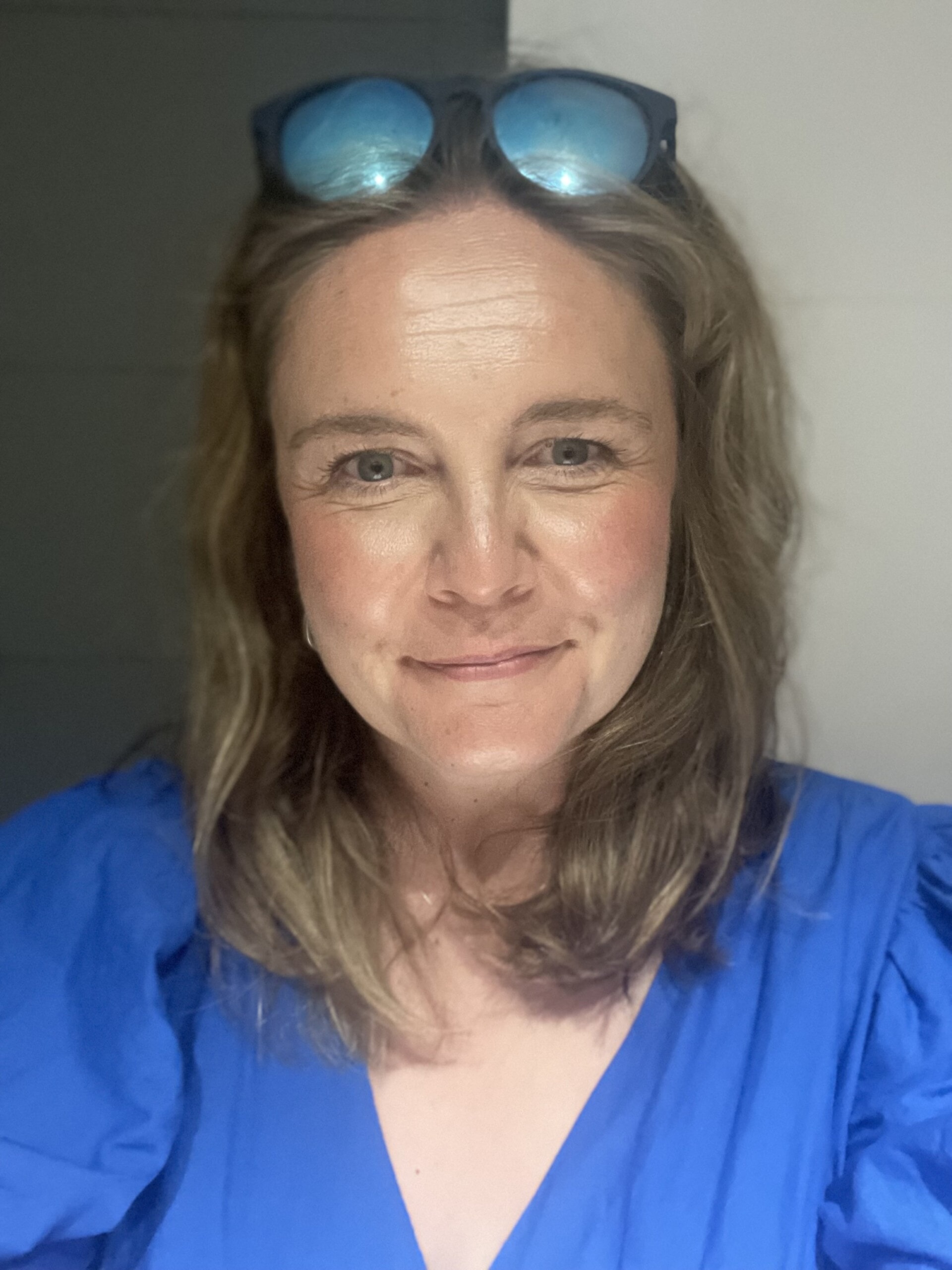
Alasdair was diagnosed with autism spectrum disorder aged three. After diagnosis, the family received what Fiona describes as “very minimal” NHS speech and language therapy on a short-term basis.
Determined to provide continuous support, the family sought private therapy.
Fiona describes speech and language therapy as “life-changing” for her son.
“A huge amount of our communication is non-verbal. If you’re autistic, a lot of the time you’re not picking up on subtle social cues or body language. Therapists are specialists in all of that – it’s a massive area.
“I genuinely cannot imagine our lives without Alasdair having had regular speech and language therapy. His ability to communicate his needs, to regulate and begin to understand emotions and manage them, those are key life skills.
“It’s about giving him tools that neurotypical children just develop naturally.”
Since the ban, Alasdair now sees his therapist outside school hours in her mobile therapy van.
But his mum says the sessions are “suboptimal”.
“He’s exhausted after school. For autistic children, transitions are already difficult. Adding another transition at the end of the day makes it harder.”
She worries about families who cannot make similar arrangements – particularly working parents.
“I know one parent who would have to take time off work, collect their child, drive to therapy, then return them to school. That’s taking time out of your working day. It’s unnecessary.”
‘Demand for SLT outstrips NHS provision’
Her concerns come amid rising demand for speech and language therapists across Scotland.
The Royal College of Speech and Language Therapists (RCSLT) estimate around one in four, or 275,000 children and young people, have speech, language, or communication needs.
The average longest wait to be seen by an SLT was also shown to have increased by around 7.6 months in 2023, reflecting a growing backlog. A separate RCSLT survey found 89% of early years staff reported an increase in children with communication needs since the pandemic.
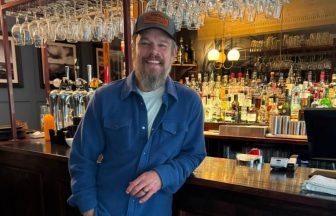
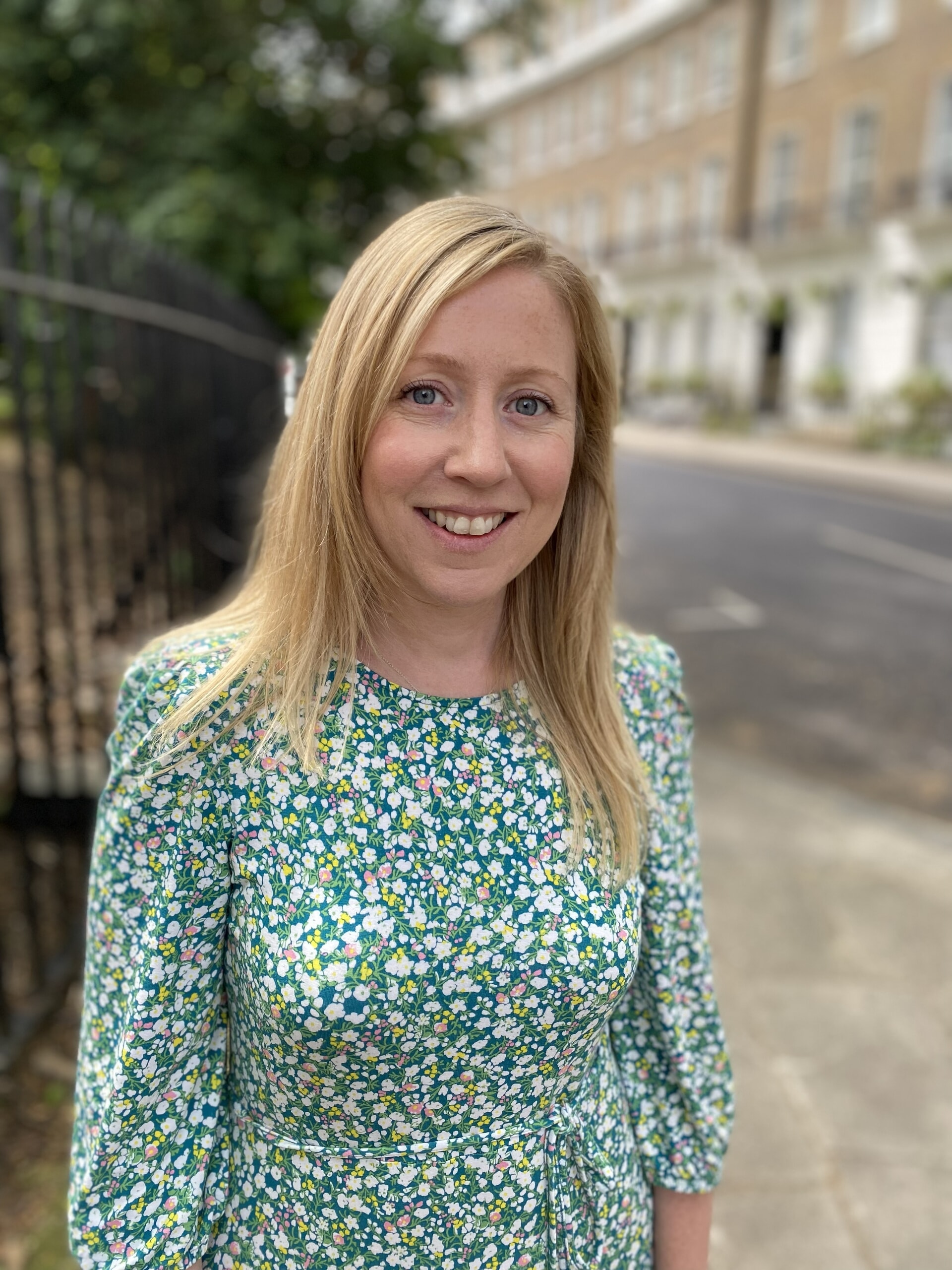
Nicola Holmes, chair of the Association of Speech and Language Therapists in Independent Practice (ASLTIP) says she is aware of similar policies being introduced in parts of England and Wales.
“It is a concerning and growing picture. While we aren’t necessarily surprised, we are incredibly disappointed to hear about these experiences.”
 Nicola Holmes
Nicola says speech, language, and communication skills underpin all aspects of a child’s non-physical and social development.
“There are lifelong consequences for children with communication needs, particularly if those needs are not met early on. These issues often persist into adulthood, affecting employability, relationships, and mental health.”
She warns that restricting access to independent therapists in schools risks isolating professionals from one another.
“Speech and language therapists regularly collaborate with education staff to support communication and learning. Removing therapists means that ripple effect is lost.
“Collaborative working is integral to the professional development of school staff. Key learning happens through informal conversations and shared expertise between professionals.”
Nicola says families often turn to private therapists to fill gaps in provision.
“We fully support our colleagues in the NHS, but the demand for SLT across all nations outstrips the resources the NHS can provide. Parents have been solving this gap by commissioning private SLTs or using their child disability payment to supplement care. It feels as though that right to choose is being taken away.
“We want to work with the NHS, not replace them. On the ground, most work is collegiate and collaborative, But policies like this create barriers that ultimately impact children.”
Fiona says she hopes the council will meet with families.
“It shouldn’t be like this,” she says. “If you’re going to make a decision like that, at least explain it. Look us in the eye and tell us why.”
An East Lothian Council spokesperson said: “We want to work with families to help their children thrive in schools and have specialist supports available to do so.
“Our schools have a responsibility to make all necessary arrangements to meet a child’s needs for the purposes of their education. In the case of speech and language therapy, we have a contract with NHS.
“Bringing private providers into schools creates ambiguity around responsibilities for the child’s learning. The provider is not managed or quality assured by the school and conflicts in practice and priorities can occur. We also have to consider the wider school environment – managing confidential information and safeguarding for people we have not commissioned to provide a service.
“We encourage parents to liaise directly with head teachers around the approved support we can provide in school.
“Parents can continue to engage private provision to work with their child outwith school hours.”
Follow STV News on WhatsApp
Scan the QR code on your mobile device for all the latest news from around the country