 Adobe Stock
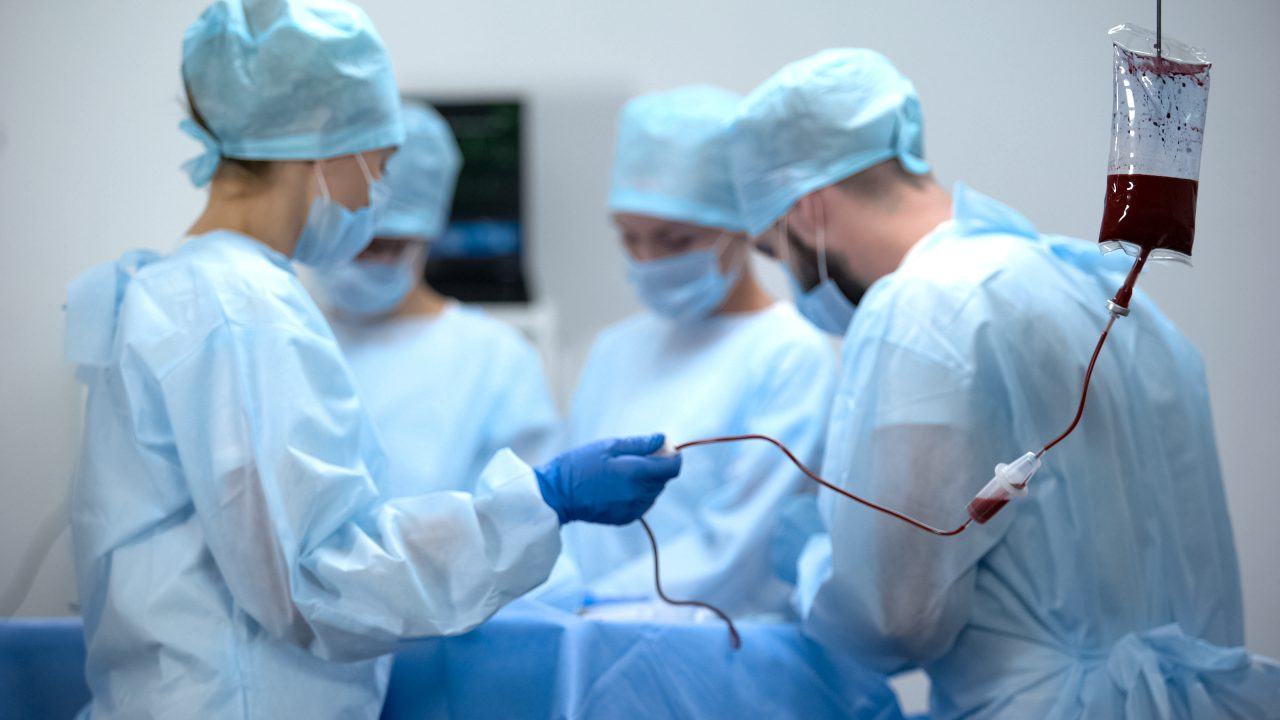
A judge has allowed doctors to give potentially life-saving medical treatment to three children whose parents had refused to provide consent for the procedures to go ahead.
Lord Braid concluded on Thursday that courts can intervene and allow medical assistance to be given to youngsters facing the risk of death or serious injury.
The judge made the finding in an opinion which had been issued on Thursday at the Court of Session in Edinburgh.
His findings were made after three cases had been brought before him in Scotland’s highest civil court over a two-week period – two of the actions were brought by Greater Glasgow Health Board, and the third was brought by Borders Health Board.
Lord Braid said that he issued his opinion in part due to an academic who had written about how, in similar cases, courts should issue child protection orders.
These orders would mean that children would be removed from the care of their parents so doctors could administer life-saving treatment.
The Court of Session has a power called parens patriae – it is the protective legal power used by judges for the court to step in and act for vulnerable children.
Lord Braid said that it was unclear from these cases whether a child protection order was a more appropriate way of proceeding.
He wrote: “I would say that it did not strike me in relation to any of the three cases that I was considering that a child protection order ought to have been sought, or was likely to have been granted if an application had been presented.
“In all cases, there were no social work concerns about the parents.
“All were loving parents who were acting in accordance with what they perceived to be their child’s best interests.
“It would appear counter-intuitive to order that they be removed from their parents’ care, even for a short period, in order that consent might be given to a medical procedure.”
The first case concerned a 13-year-old boy who was suffering from an aggressive brain cancer called medulloblastoma.
The child, who can only be described as Child A, has severe autism and can’t verbally communicate.
The court heard he lacks the capacity to make decisions about his welfare and that he and his parents are Jehovah’s Witnesses who refused consent to him receiving a blood transfusion on religious grounds.
The court heard how doctors responsible for his care had concluded that radiotherapy and chemotherapy had offered him the best chance for survival.
However, Lord Braid heard that this treatment also had a high risk of the boy contracting anaemia – this would mean he would need an urgent blood transfusion in order to avoid dying.
The second case involved another boy called Child B, who was just three years old and needed surgery to correct a kidney blockage.
The court heard how the child also has sickle cell disease, which complicates the proposed operation. It also increases the potential need for the child to receive blood products.
His Jehovah’s Witness parents also refused consent to blood transfusions.
The court heard how medics had also taken extensive steps to reduce the risk facing the boy.
Lord Braid was told these included an alternative treatment which successfully increased the child’s haemoglobin levels before surgery.
The court was told the likelihood of a transfusion during the operation was very low. However, medical evidence presented to the course showed a transfusion couldn’t be entirely ruled out in the presence of serious bleeding or complications arising from the little boy’s sickle cell illness.
The third case stemmed from an action brought by Borders Health Board.
This case involved a ten-year-old girl, who was called Child C, who suffered a fractured wrist and an open wound after being bitten by her family’s dog.
The court heard that she hadn’t previously been vaccinated. Doctors recommended she receive a tetanus jag and a dose of immunoglobulin to provide immediate protection against the potentially fatal infection.
Her parents refused to provide consent. They told the court that they lived by the principles of “simplicity, nature and mindful choices” about what they put into their bodies.
They said they preferred natural and holistic approaches to be taken when possible, and the bite presented a low risk of harming their daughter.
In his judgment published on Thursday, Lord Braid described the decision in Child C’s case as “much more finely balanced” than those involving the other two children.
However, he accepted medical evidence that there was a greater than negligible risk of tetanus.
He concluded that if the disease developed, the consequences could range from serious illness to death.
He added: “There was a greater than negligible (but impossible to quantify) risk of tetanus, which if it came to pass would cause C harm ranging from “serious illness to death.”
He authorised both proposed injections and ordered the girl’s parents to take her to hospital.
The judgment tells of how they took their daughter to the hospital.
Finally, Lord Braid concluded: “It is not at all obvious to me that the statutory mechanism for the making of a child protection order provides for the same safeguards as are utilised by the court when a parens patriae petition is presented.”
Follow STV News on WhatsApp
Scan the QR code on your mobile device for all the latest news from around the country