 STV News
Renfrewshire Council will review its flood defences after forecasts significantly underestimated tidal levels during Storm Boelo.
The storm brought strong winds and high waters, with the River Clyde reaching its highest level since digital records began in 1998.
According to a report submitted to councillors on the impact of the storm, forecasts “significantly underestimated” tidal levels, resulting in flooding to 13 businesses.
In addition, water entered the southern plant room of the £117m Renfrew Bridge, damaging its hydraulics and leaving the bridge out of action for months.
The bridge, which can swing out of the way to allow river traffic to pass, is legally obliged to do so and therefore cannot carry road traffic while repairs are ongoing.
A review will now be undertaken by the council, alongside the Scottish Environment Protection Agency (SEPA), to understand why the water levels were so much higher than what was forecast.
The council also wants to identify any improvements that are required such as forecasting arrangements, warning systems, and operational protocols.
Councillors will discuss the report at this week’s infrastructure land and environment policy board meeting.
What are the key points within the report?
According to the report, no flood warning was issued by SEPA for the Renfrew area ahead of Storm Boelo, and there were no concerns regarding tidal levels during preparations with multiple emergency services and agencies.
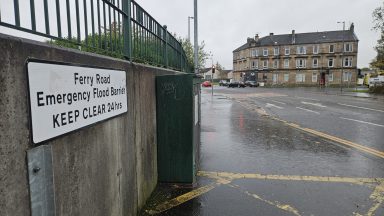
Available tidal forecasts for Renfrew were between 2.2m and 2.42m, which were below the threshold required to send staff out to observe conditions at the flood barrier.
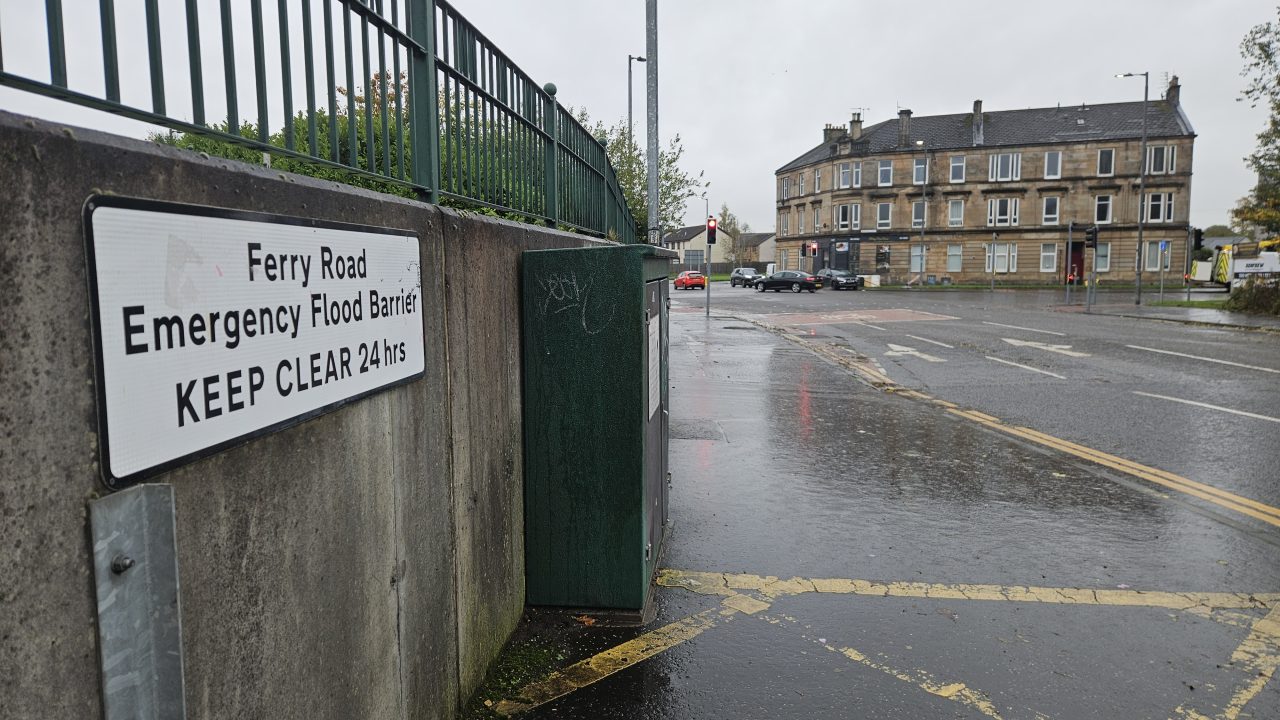
For the barrier to be raised, tidal levels would have needed to exceed 3.9m, however, the river eventually rose to 4.49m.
The flood barriers were not activated because of the established procedure over the past decade.
Despite 45 amber or red weather alerts for the area since 2016, the threshold has never been met to activate the barriers.
The council acknowledged that eight of the 13 businesses damaged by flooding were located on Ferry Road and would have been impacted even if the barriers had been deployed.
It has been confirmed that support was offered to businesses affected, with ten now back open.
The council also concluded the issues at Renfrew Bridge are unrelated to the deployment of the flood barrier.
The bridge is still within its two-year defects period, so authorities are investigating whether a defect is to blame for the damage.
In the meantime, the council has lowered the threshold for teams to be sent out to report conditions and deploy the barriers if necessary.
Gordon McNeil, the council’s director of environment, housing and infrastructure, said: “This report is an important step in setting out the facts surrounding the response to Storm Boelo, the information available and the decisions taken as a result.
“A number of Renfrew businesses and individuals experienced flooding that weekend and we of course acknowledge the difficult time they faced.
“While the report shows in some detail that officers followed the established procedures correctly, based on the information they were provided with by partners as part of established planning arrangements, it is important we work with our partners to understand why the forecasting was significantly different from what we subsequently experienced.
“The council, like all local and national governments, must also consider whether, in the event climate impacts are increasing in severity, we should introduce a more prudent approach to our operational procedures to protect residents and businesses from this uncertainty as best we can.
“The review will also consider what the trade-offs and costs of such an approach might be.”
Follow STV News on WhatsApp
Scan the QR code on your mobile device for all the latest news from around the country