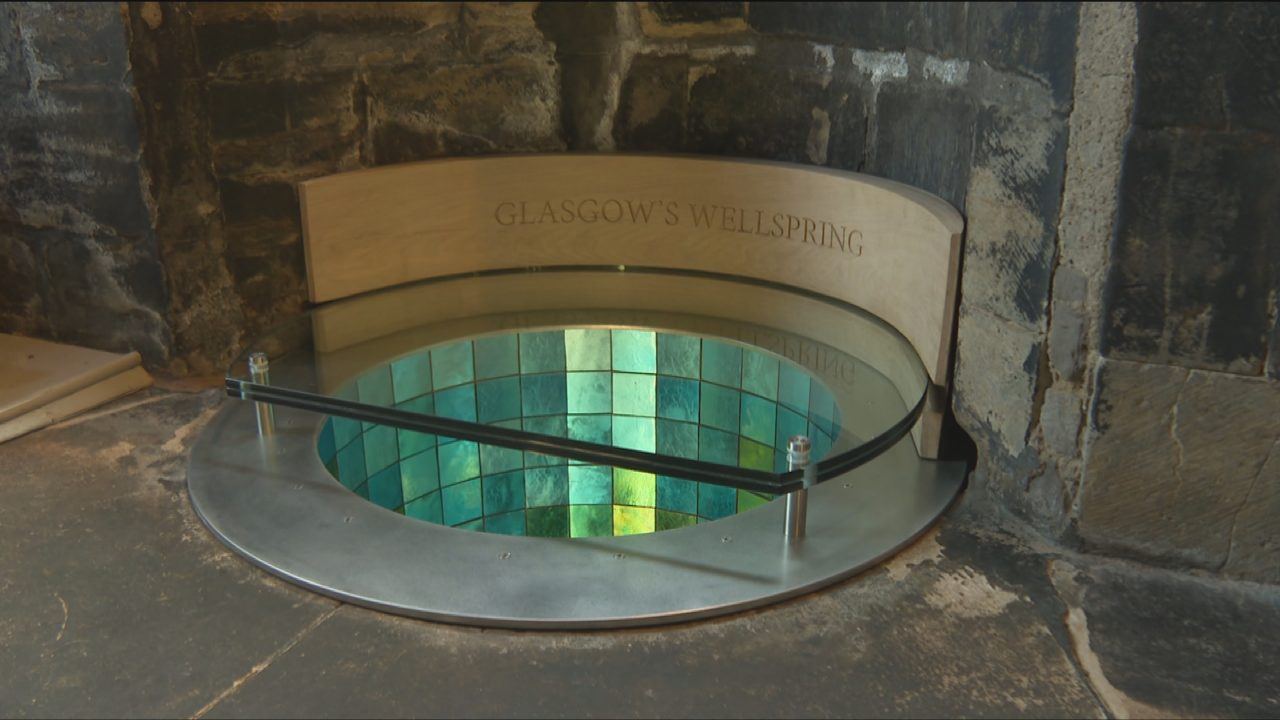
An ancient well pre-dating the city of Glasgow has been reawakened in a new art project.
St Mungo’s Well marks a place of deep spiritual significance, but has been lying dormant in Glasgow Cathedral, hidden away in the corner of its crypt.
Now, arts collective Aproxima Arts has uncovered and reinterpreted the sacred site, which was once central to the foundation of the city.
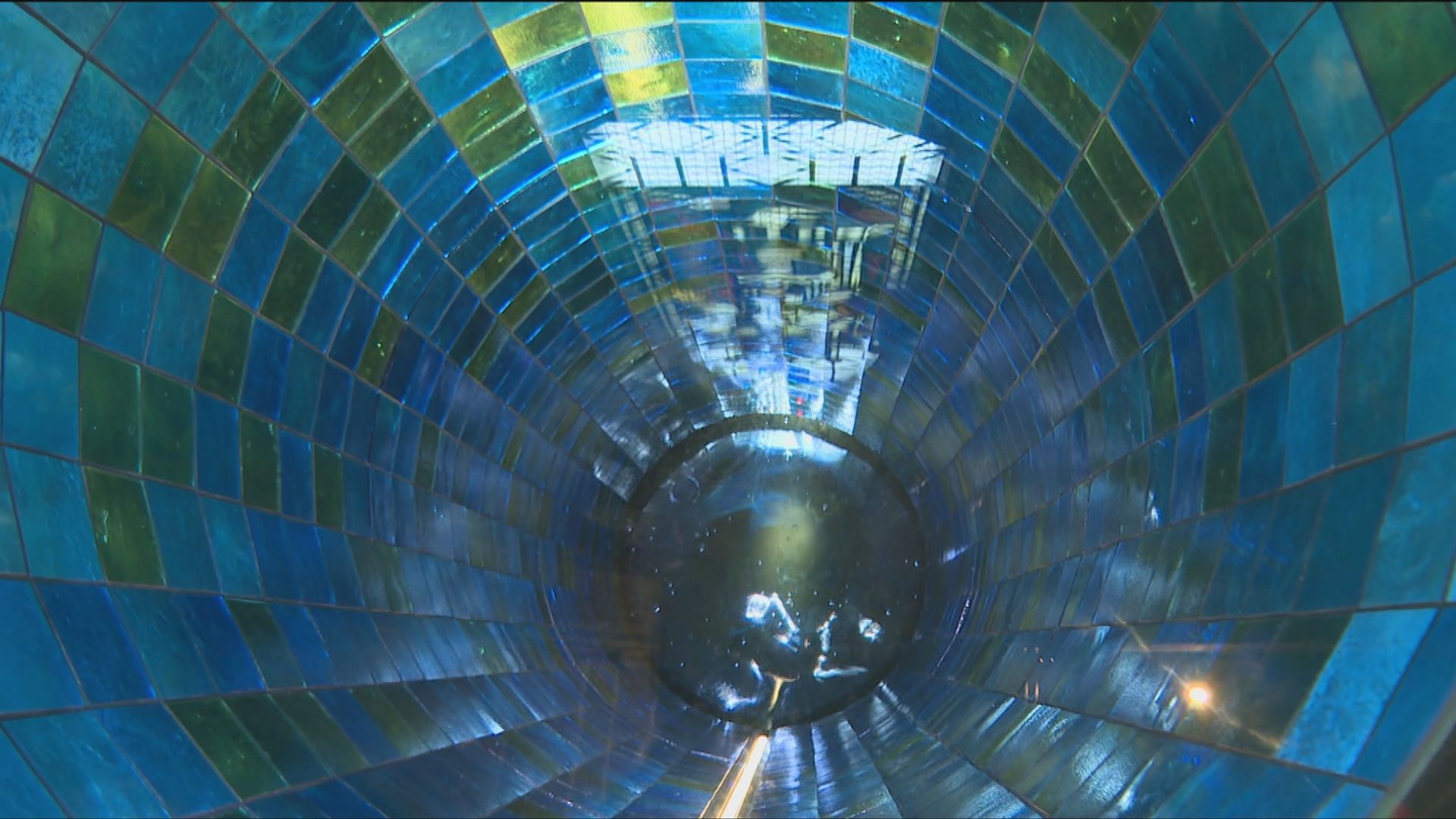
It’s been transformed with the installation of a shimmering circular mosaic and will be at the centre of a series of concerts to mark Glasgow’s 850th anniversary celebrations.
It’s believed the well is where St Kentigern – also known as Mungo – established his cell and performed baptisms in the waters of the Molendinar Burn in the sixth century.
The natural well was later incorporated into the walls of the cathedral in the 13th century, forming the heart of the Kentigern Shrine in the crypt.
The site grew in prominence, becoming one of Britain’s major pilgrimage destinations for over 300 years.
But following the Protestant Reformation in the 1500s, people were dissuaded from visiting the well, which had long been associated with healing and personal blessing, and it eventually fell into disuse and was forgotten about.
 STV News
“Where that well is literally why this cathedral is here, and why Glasgow is here,” explains Angus Farquhar, Aproxima’s creative director.
“It doesn’t appear in many of the archaeological records of the 19th and 20th centuries, so the idea that we could bring it back really began to inspire me.
“When we discovered it two years ago, it was dark and dirty. It had a lid on, and there was a big metal grill. You couldn’t see into the bottom. I’d been told it was the wellspring of Glasgow, and I thought ‘there’s a story here’.”
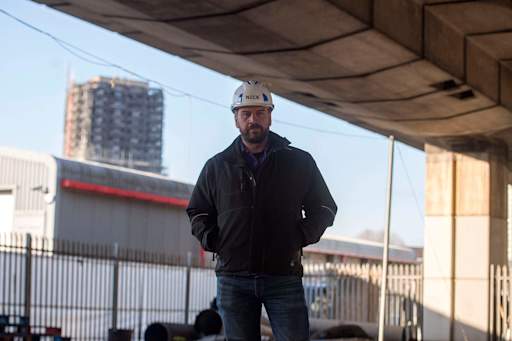
In October, the excavation process began with the help of Professor Stephen Driscoll, leading archaeologist at the University of Glasgow, and David Sneddon of Clyde Archaeology.
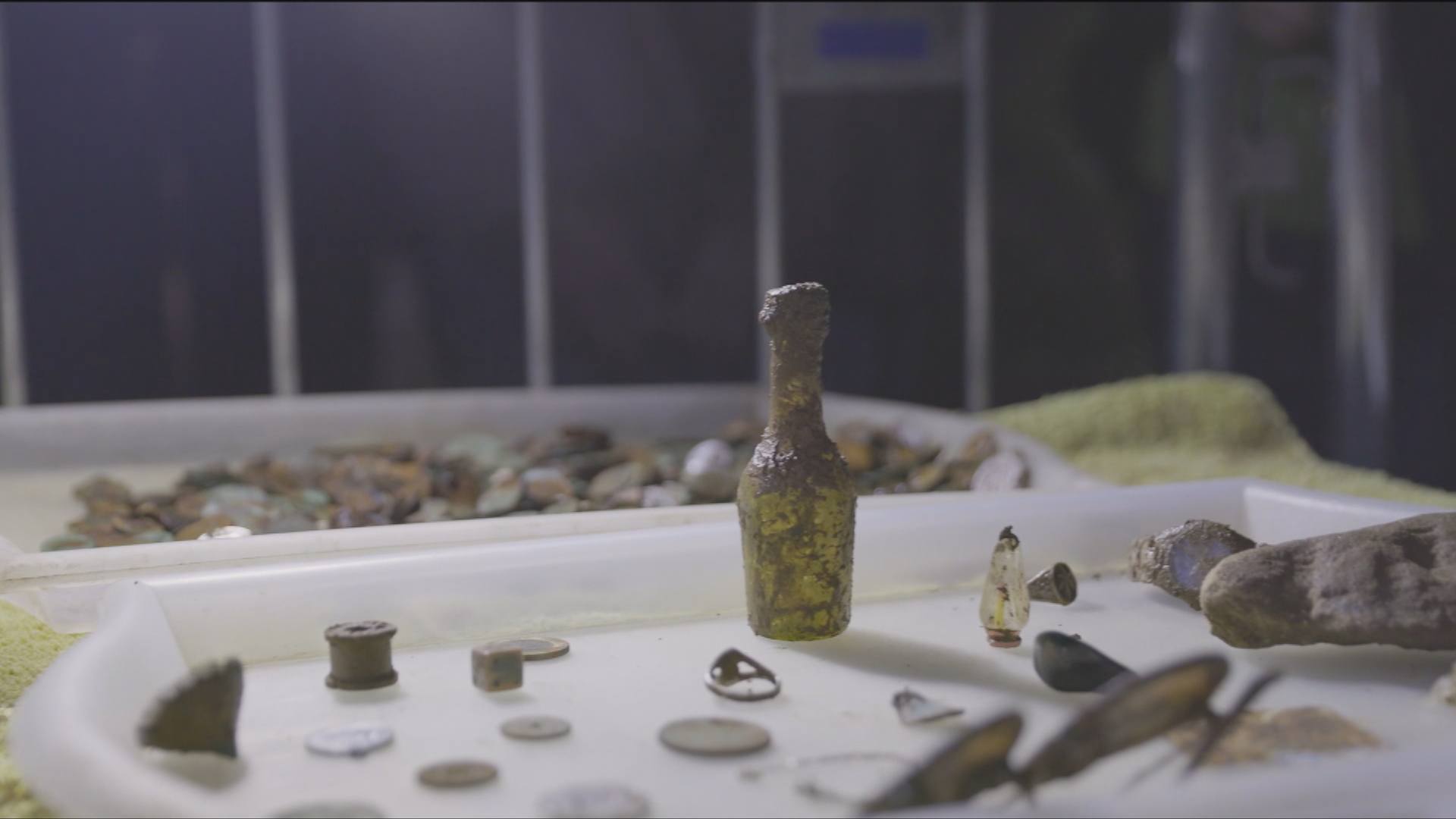
It unearthed some unusual finds – the team came across a hard layer, with items dating from the 1960s onwards lying on top.
 STV News
“We still have a big question mark as to what’s underneath that solid layer,” explains Mr Sneddon. “There is potentially still medieval well deposits down there. We just need to find a way of getting to them.”
“Things we found in the well were kids’ toys, sunglasses, lots of coins, some notes from various places in the world, dice, rings – a whole selection of things.
“In terms of contemporary archaeology – modern archaeology – it’s really, really interesting, because we’re still asking the same questions that we might do about artefacts that are thousands of years old. How did they get there, and why did people leave these behind?
“With wells, it generally falls into two categories. Things fell in by accident, or things were put there in purpose.
“Did the sunglasses fall in by accident, or were they a really important pair that related to a family member that somebody’s put in the well on purpose?”
Once it was cleared out, the well’s transformation into a stunning light display took shape.
Edinburgh-based artist Joanna Kessel was approached to join the project last year.
 STV News
“While we were standing in the lower church, it was very dark, and we were peering down the well using torches,” says Ms Kessel.
“Angus said to me, ‘so what would you do if you could do anything here?’ and I knew immediately. I said, ‘I’d line the well with gold leaf mosaic’.”
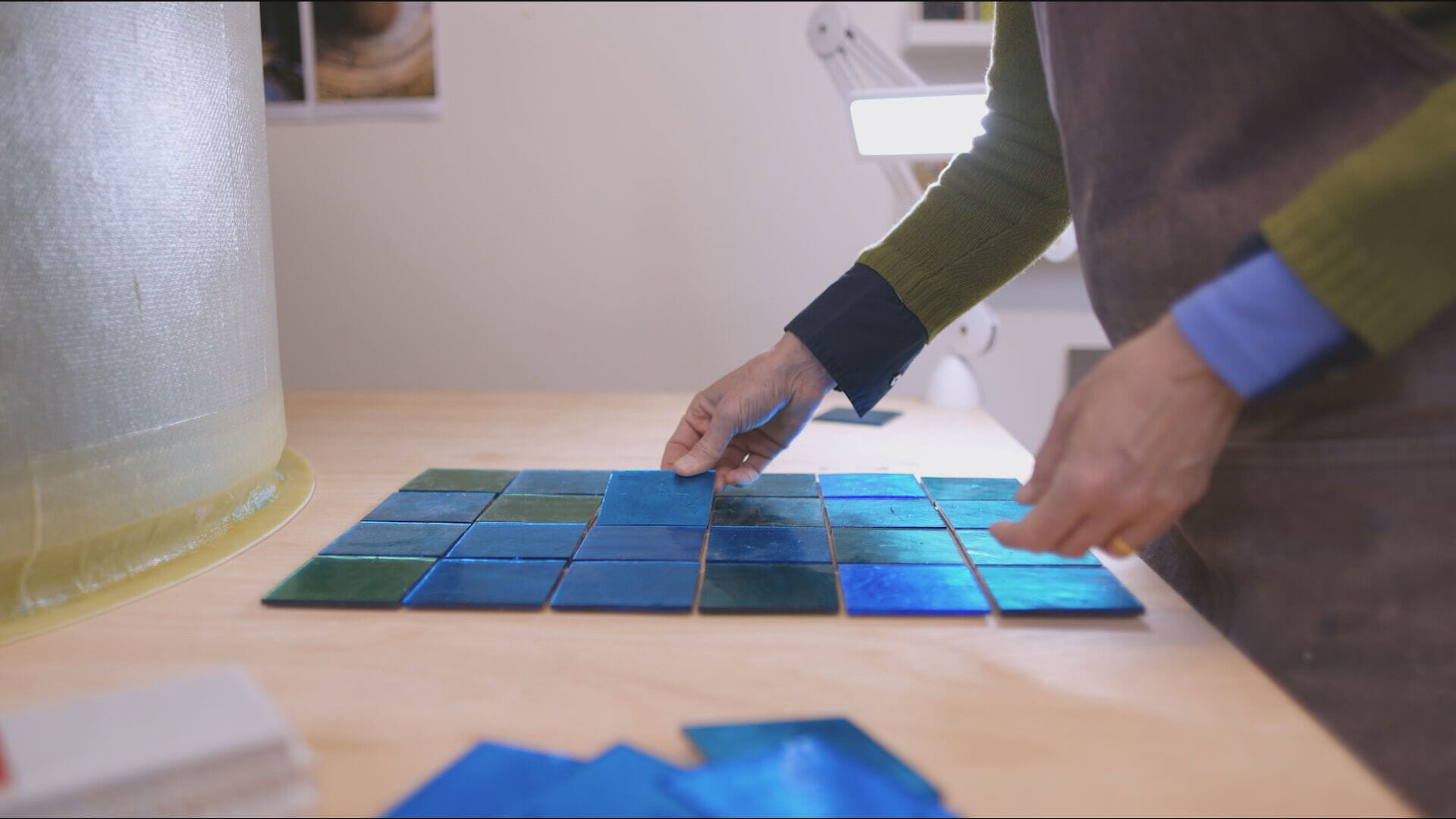
The mosaic has been composed of around 1,000 handblown coloured glass tiles, made by Orsoni Venezia 1888 in Italy.
“The colours are very much colours that come from being in nature – the well would originally have been outside in nature,” Ms Kessel adds. “From the sky, the light filtering through the tree leaves being cast onto the water’s surface, and then as humans shift from foot to foot, you see below the surface of the water down to the rocks and the earth below. I wanted to get that transition from the blue to the dark green.
“I’m hoping people will feel a sense of wonder and awe, delight and joy when they take the time to peer over and to look down.”
The re-dedication of the well will be celebrated with concerts at Glasgow Cathedral on December 5 and 6, featuring new music by Karine Polwart, organist and composer Claire M Singer and new choral works by Cameron Sinclair. They will also feature narration and storytelling.
Audiences can also pre-book timed slots to visit the well.
“We thought it would be really lovely to have a permanent legacy to the year – something that people can look back in years to come and have that connection to this moment in time,” says Mr Farquhar.
“It’s about people having a chance to reconnect with the absolute starting point of the city.”
Follow STV News on WhatsApp
Scan the QR code on your mobile device for all the latest news from around the country