
 James Place
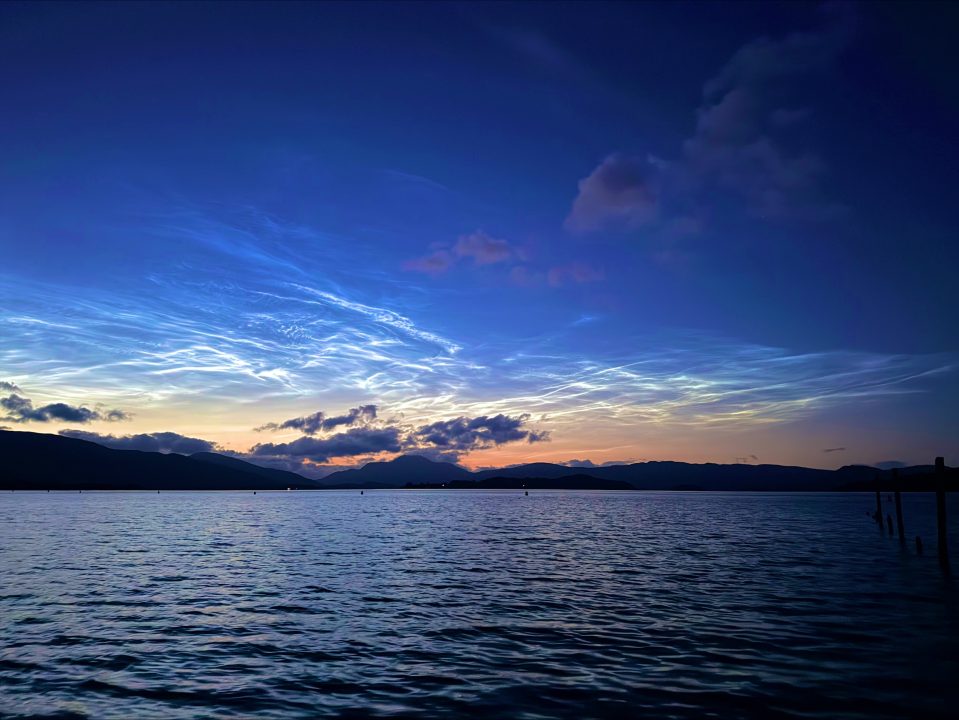
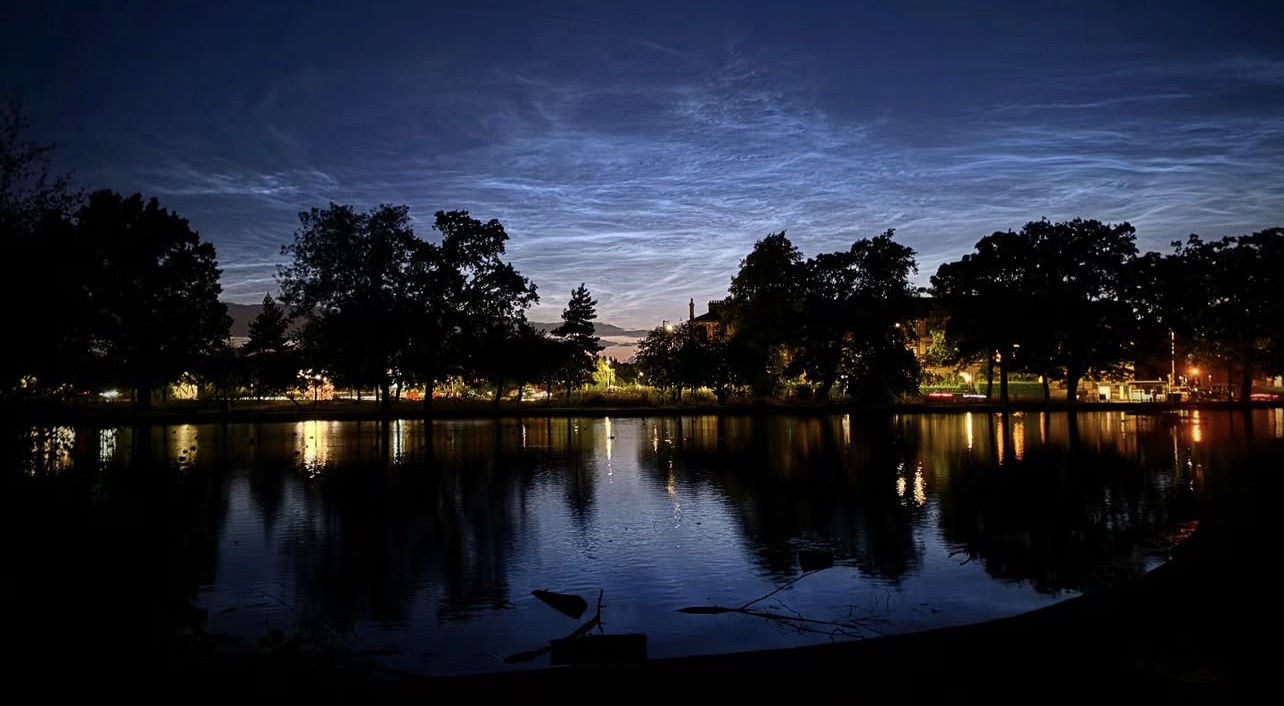
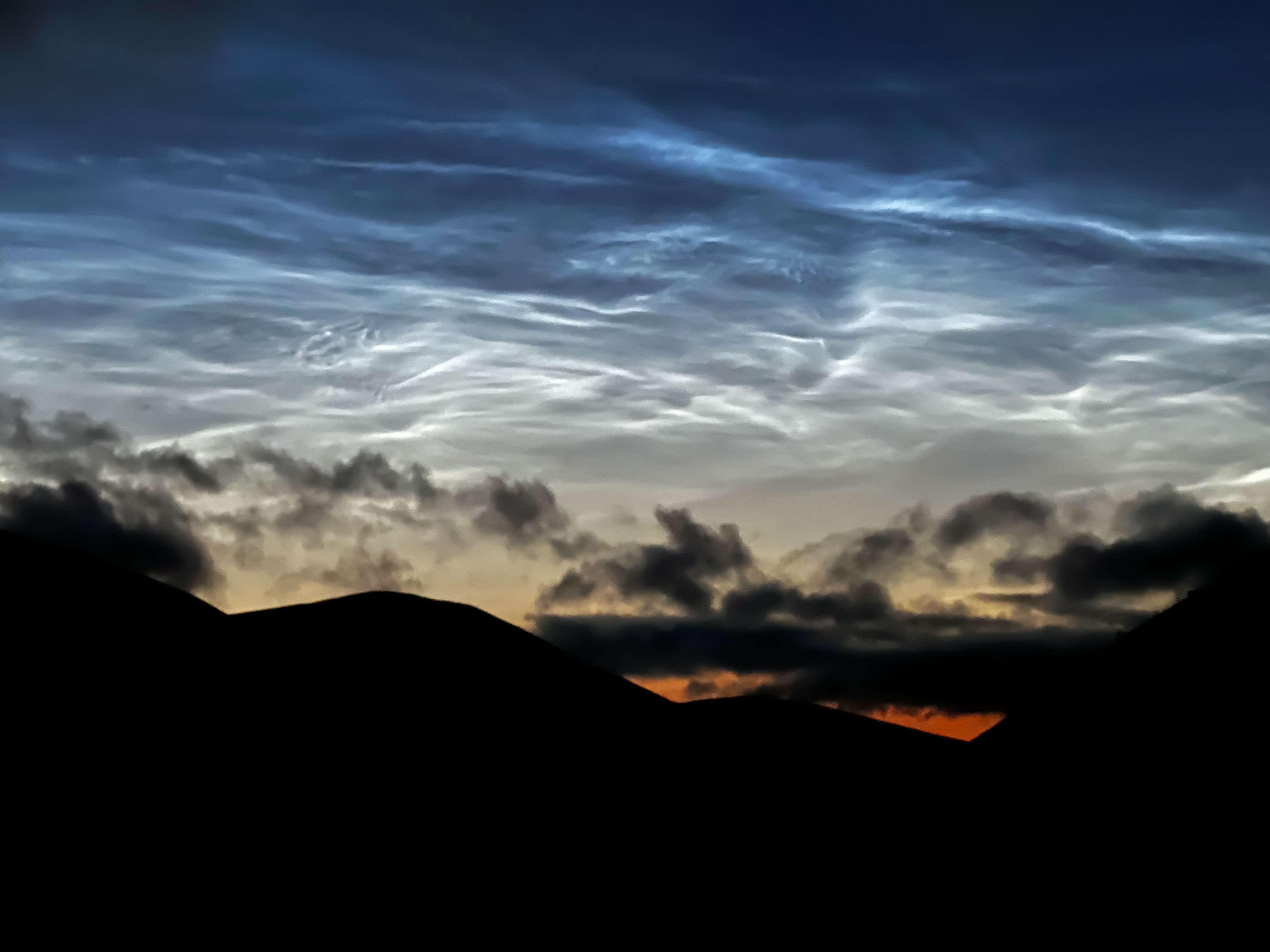
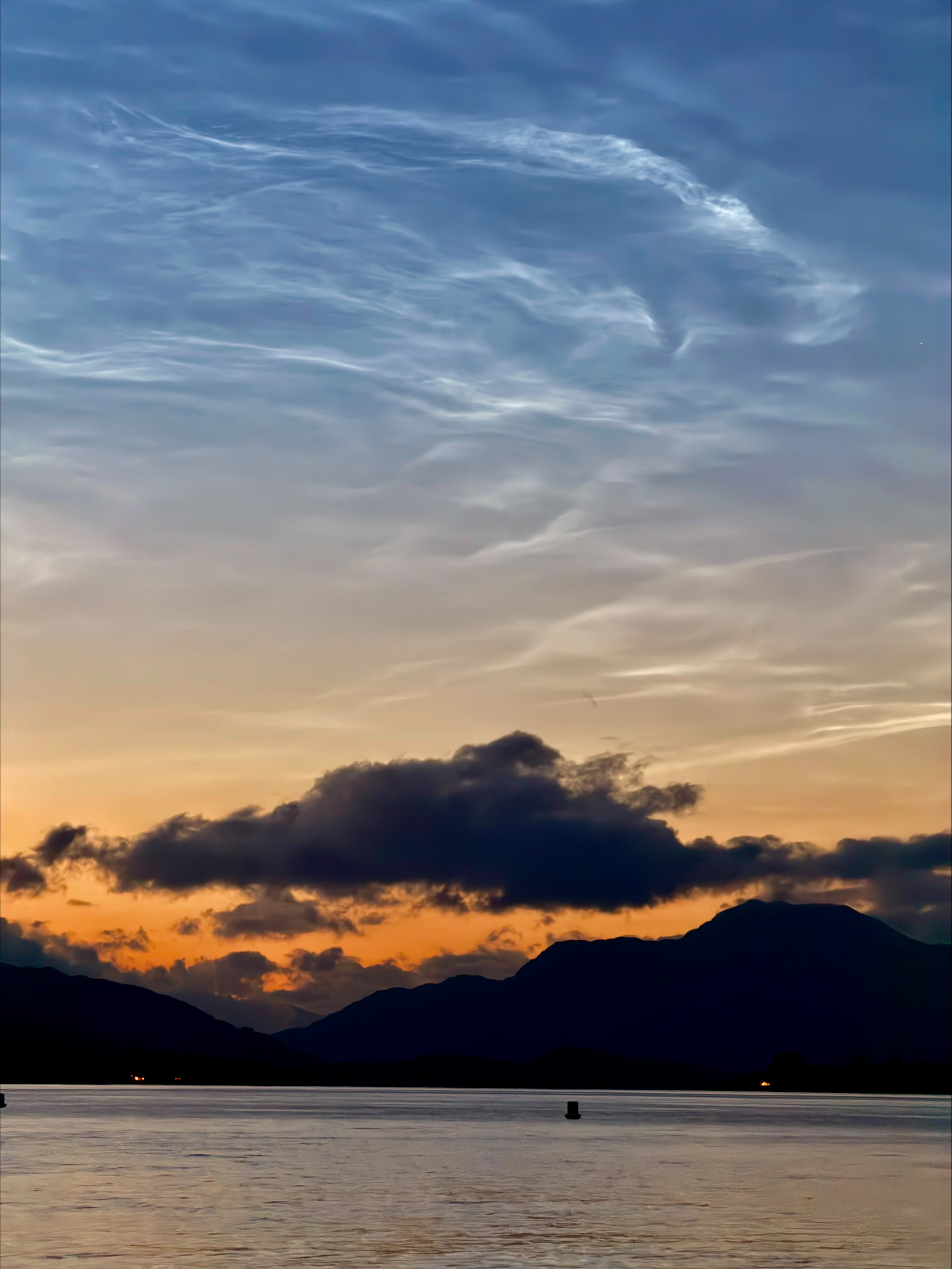
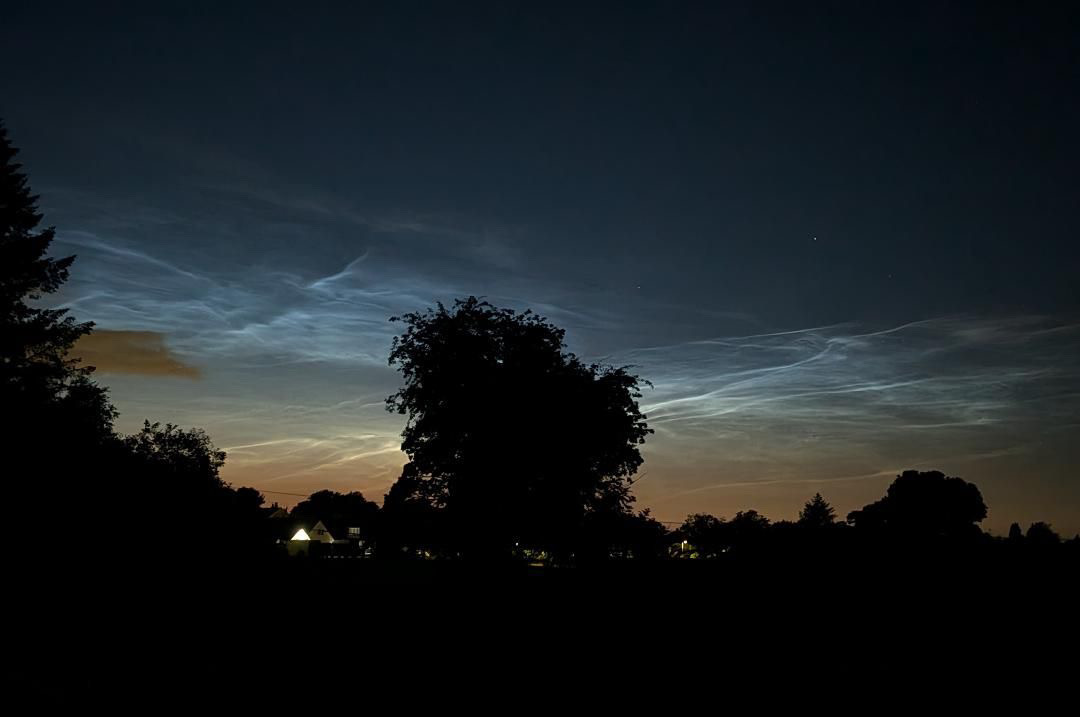
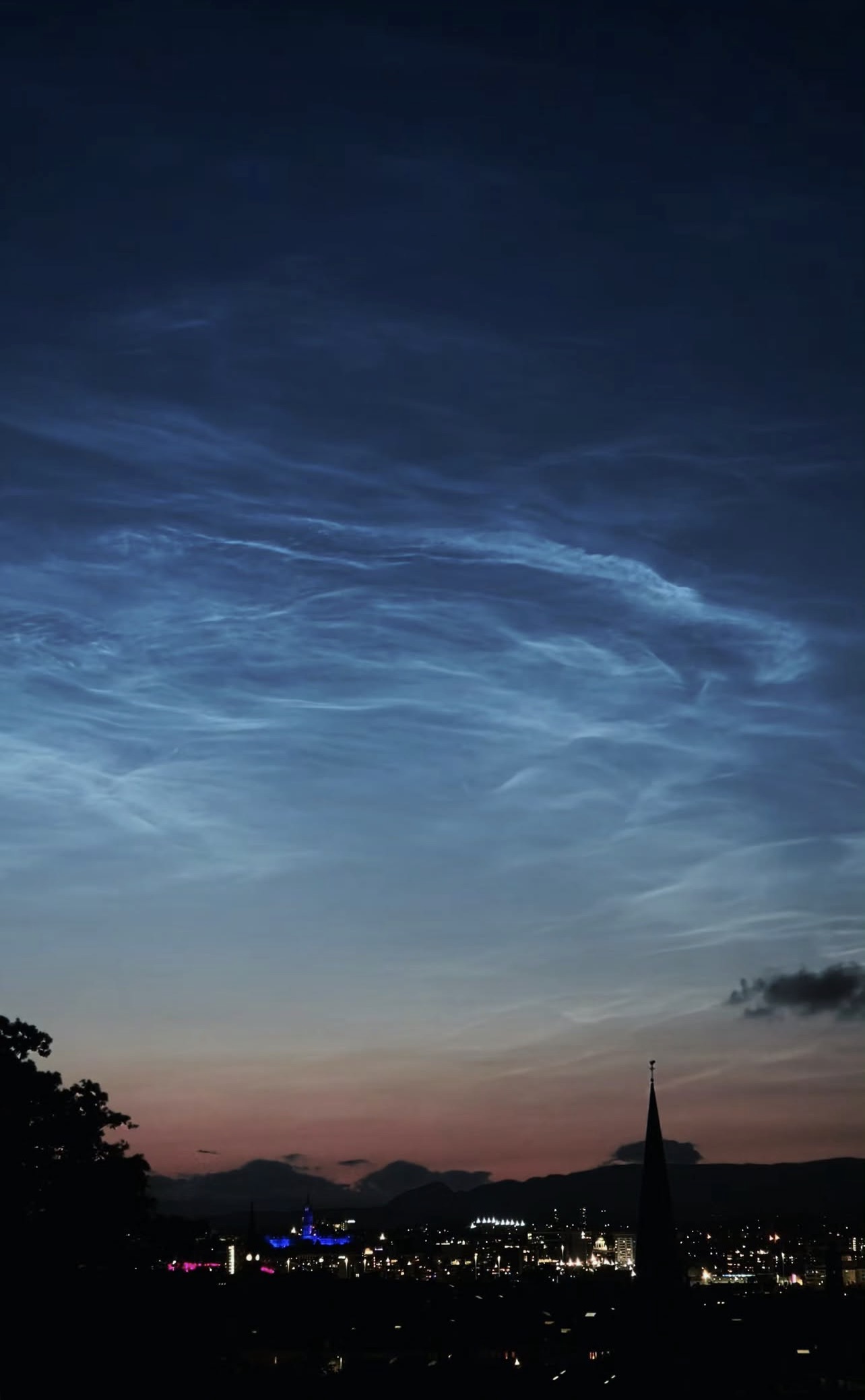
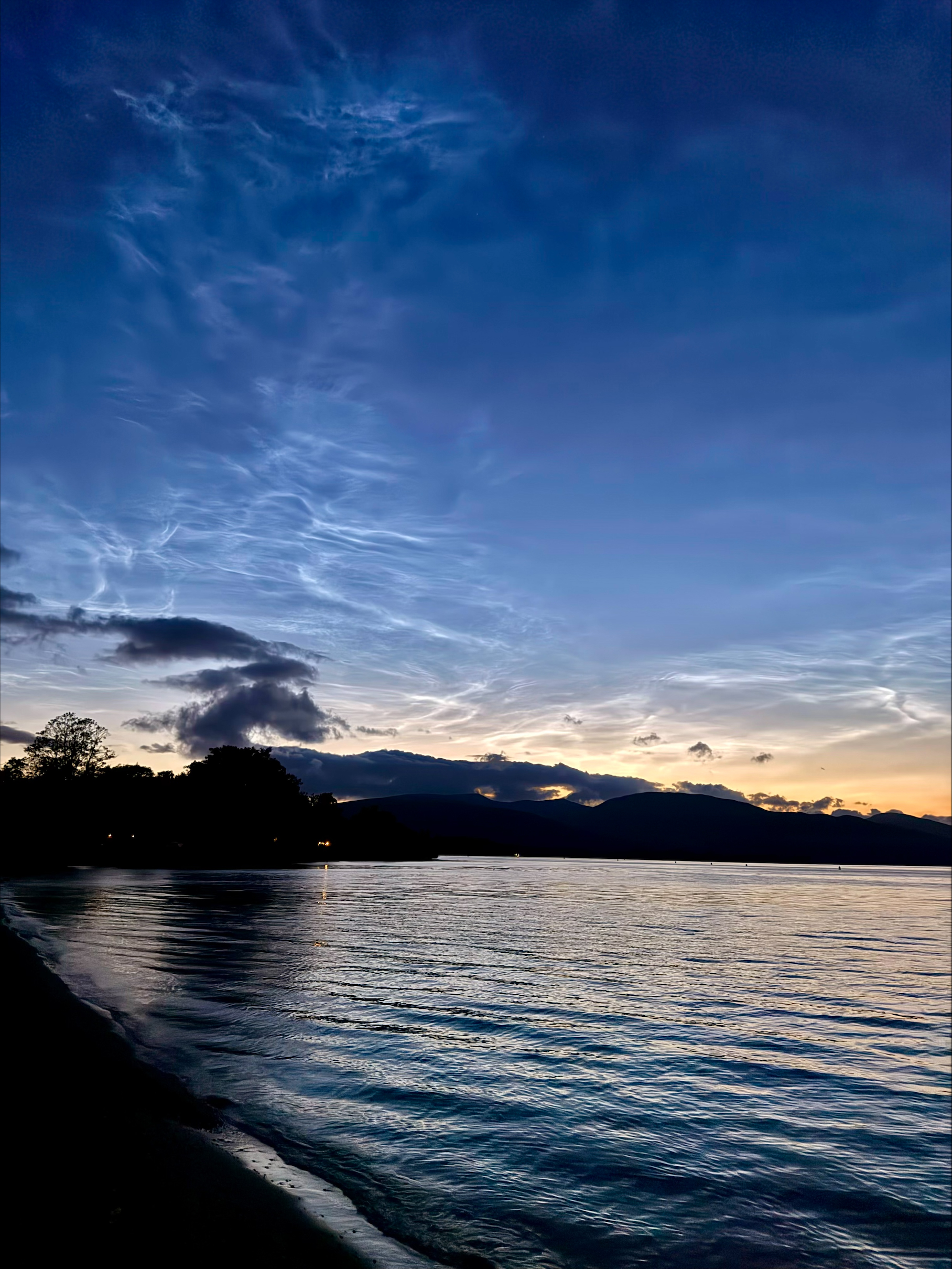
You might have spotted glowing, electric-blue clouds in the night sky last night. If you did, you weren’t alone – they caught the attention of people right across the country.
These extraordinary clouds are called noctilucent clouds (which, in Latin, means “night-shining”), and while they’re still considered a rare sight, they’re becoming more common as our climate changes.
Our northerly location gives us front-row seats to some of nature’s most spectacular displays. We’re lucky enough to enjoy breathtaking views of the Northern Lights, but we also have some of the best opportunities to see the beautiful polar noctilucent clouds.
They don’t dance and ripple across the sky like the aurora, but their delicate, glowing streaks against the twilight sky are every bit as magical – as many people discovered last night!
 Scott Ramsay
 STV News
Unlike the clouds we see every day, noctilucent clouds don’t form in the troposphere – the lowest layer of our atmosphere where all our weather happens. Instead, they exist an incredible 50 miles (around 80 kilometres) above us in the mesosphere, on the edge of space.
At this altitude, water vapour is incredibly scarce, but as our climate warms, more moisture is being transported upwards into these extreme heights by powerful storms.
Now, this is my favourite part.
 James Place
Like any cloud, ice crystals need something tiny to cling to before they can form. Near the ground, that’s usually dust, sea salt or pollution. But 50 miles up, there isn’t much floating around. Instead, the particles that seed noctilucent clouds often come from meteors burning up as they enter Earth’s atmosphere, ash from volcanic eruptions, and even tiny fragments of debris left behind by rocket launches.
It sounds completely backwards, but these icy clouds form during summer. Although it’s warmer at the Earth’s surface, the mesosphere actually becomes colder. Warm air rising from below expands as it climbs, causing it to cool. During summer, stronger convection means more air is carried upwards, making the mesosphere colder.
This is also where climate change comes into the story. As summers become warmer, stronger convection transports even more moisture into the upper atmosphere. At the same time, increasing gases trap more heat closer to the earth’s surface, meaning less heat reaches the upper atmosphere.
 Jennifer Macaskill
So while it’s getting warmer down here, it’s actually getting colder high above us – creating more favourable conditions for noctilucent clouds to develop.
So why do they glow?
In Scotland, our summer skies never become completely dark, and that’s all thanks to the tilt of the earth. During summer, even when it’s the middle of the night here and the sun is shining on the other side of the planet, a little of its light still manages to skim over the North Pole.
That leaves us with the beautiful glow in our northern skies, known in Shetland as simmer dim. It’s this same sunlight that catches the incredibly high noctilucent clouds, making them appear to glow against the twilight sky as lower clouds disappear into the darkness.
 Scott Ramsay – Glasgow
So, over the next few weeks, keep looking north after sunset or before sunrise. These otherworldly clouds are only visible for a short time each summer. As we head towards late August, the sun sinks lower at night, and its light can no longer reach the mesosphere.
The noctilucent clouds fade back into the darkness, disappearing until next summer when, if conditions are right, they’ll once again light up our night skies.
 Alison Glover
Follow STV News on WhatsApp
Scan the QR code on your mobile device for all the latest news from around the country