

Words by Jamel Smith, ITV News producer
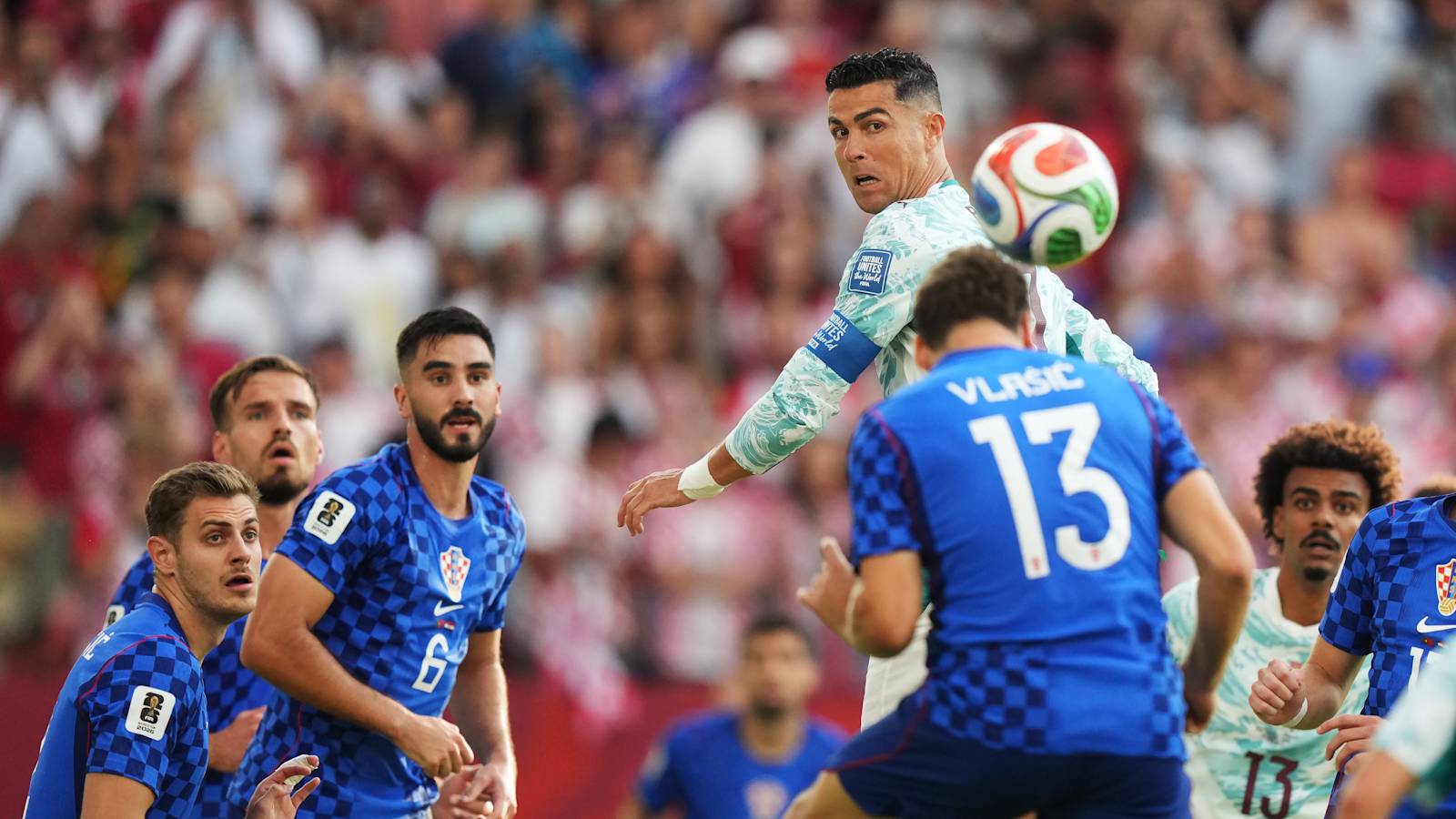
Croatia crashed out of the World Cup on Thursday after being denied a stoppage-time equaliser against Portugal by the video assistant referee (VAR).
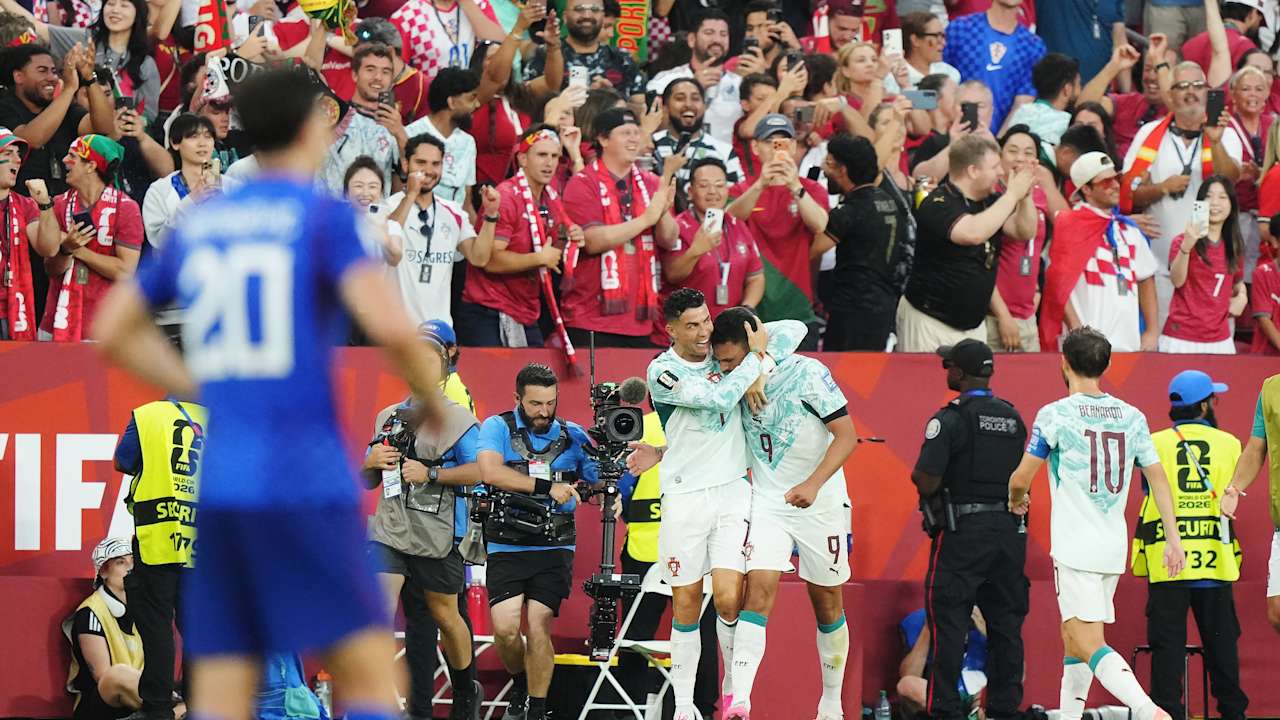
Joško Gvardiol appeared to keep Croatia’s hopes of reaching the last 16 alive when he scored from close range in the 13th minute of added time to make it 2-2 against Portugal.
The goal looked set to take the match to extra time before VAR Jarred Gillett intervened, prompting referee Espen Eskås to review a possible offside.
The decision centred on whether Igor Matanović had made contact with the ball as he attempted a header in the build-up.
If he had touched it, the goal would have been ruled out for offside. If not, Gvardiol’s finish would stand.
FIFA confirmed on Thursday that Croatia’s equaliser against Portugal was correctly ruled out for offside due to technology inside the Adidas Trionda ball.
While the video replays appeared inconclusive, the referee was shown a spike from a motion sensor inside the ball, similar to cricket’s Snickometer, which indicated there had been contact.
As a result of the information gleaned from the ball tech, the goal was ruled out.
What exactly is the technology inside the ball and how far should VAR go?

Why is there a motion sensor inside the ball?
The World Cup match ball contains a motion sensor that provides precise, real-time data about the ball’s movement.
The technology helps video assistant referees (VAR) determine the exact moment a player touches the ball, making offside decisions more accurate.
It also records the ball’s speed and trajectory, giving officials more information when reviewing key incidents.
How does it work?
The sensor inside the ball records data 500 times a second, tracking its movement in three dimensions.
When the ball is touched, that information is sent instantly to the video operations room, where it is combined with player-tracking data collected by stadium cameras.
FIFA said the sensor can detect even the slightest contact with the ball, with the information displayed during broadcasts as a “heartbeat” graphic to help explain decisions.
The graphic displayed by FIFA on replays is similar to technology that is used in cricket to determine whether a batter has edged the ball or not, but the ‘Connected Ball Technology’ comes from a chip stored inside the balls used at the World Cup.
What happened in the Croatia v Portugal match?
According to the International Football Association Board, the referee’s original decision should only be changed if a video review shows a “clear and obvious error” or if there has been a serious missed incident.
In Croatia’s case, the referee initially awarded the goal.
The goal stood on the field, and it appeared from TV replays that Matanović missed his header as he attempted to flick it on, which would have meant Pasalic was onside before setting up Gvardiol.
But VAR and FIFA’s technology inside the Adidas Trionda ball showed that Matanović did get a slight touch, which meant Pasalic was offside in the build-up.
That evidence allowed officials to determine that Matanović had played the ball while offside, meaning Joško Gvardiol’s goal had to be disallowed under the offside law.
FIFA explained the decision in a post on X, which read: “According to the data provided by Connected Ball Technology housed within the @adidasfootball Trionda, the official match ball of the @FIFAWorldCup, it was proven that contact was made by Croatia’s #20 Igor Matanovic in the build up to the goal against Portugal, allowing the referee to correctly determine offside and disallow the goal.
“IMU sensors housed within the Trionda ball are capable of determining any slight contact, displayed to viewers in the broadcast as a ‘heartbeat graphic’, and allowing officials an unprecedented level of data to make fast, accurate decisions.”
What is VAR?
The Video Assistant Referee (VAR) is a qualified match official who monitors the game using multiple camera angles and slow-motion replays.
The VAR can advise the on-field referee to review incidents involving goals, penalties, direct red cards and cases of mistaken identity.
Should VAR be used to make such decisive decisions?
Although FIFA said Croatia’s equaliser was correctly ruled out under the Laws of the Game, the decision reignited debate over how much technology should influence football.
Croatia manager Zlatko Dalić said VAR had gone too far.
“I will not comment much about it, but I will say the refereeing was very bad,” he said after the match.
“You were able to see to what extent emotions had been killed, and altogether, all these decisions take you back and actually take the joy out of football.
“VAR kills emotions, it kills everything within you. We have gone too far with VAR.”
Follow STV News on WhatsApp
Scan the QR code on your mobile device for all the latest news from around the country