 Getty Images
Key Points
-
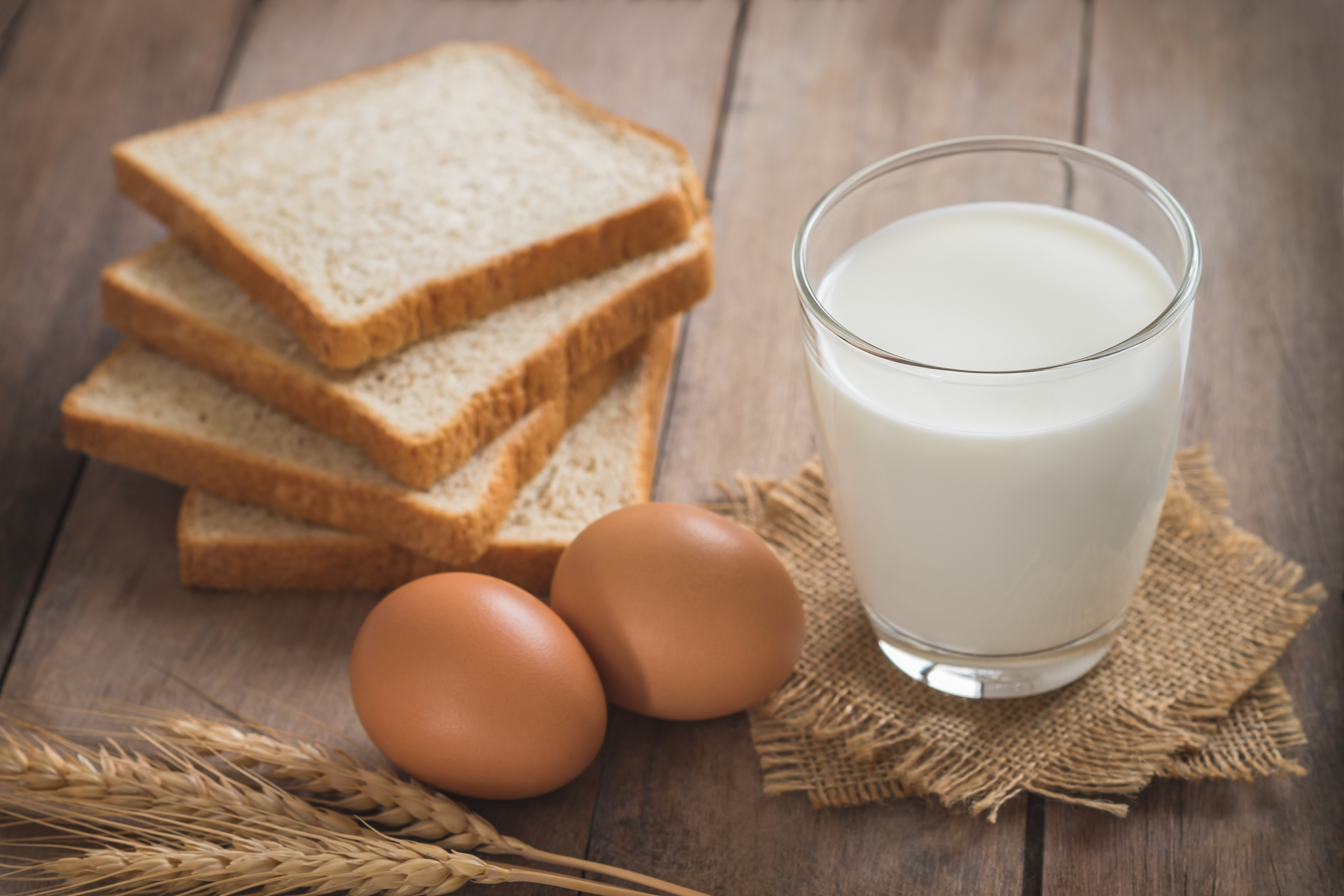
 The Scottish Government is consulting on plans to cap the price of essential foods such as bread and milk to help families facing rising living costs.
- Farmers warn price caps could squeeze already tight margins and increase Scotland’s reliance on imported food.
- The Trussell Trust says there is little evidence price caps work and fears they could lead to shortages and higher prices elsewhere.
- An economist from Croatia, which introduced similar measures, said caps may cut prices initially but can push up inflation and reduce supply over time.
- Food manufacturers and farming groups are urging ministers to abandon the proposals, arguing they do not address the underlying causes of food inflation.
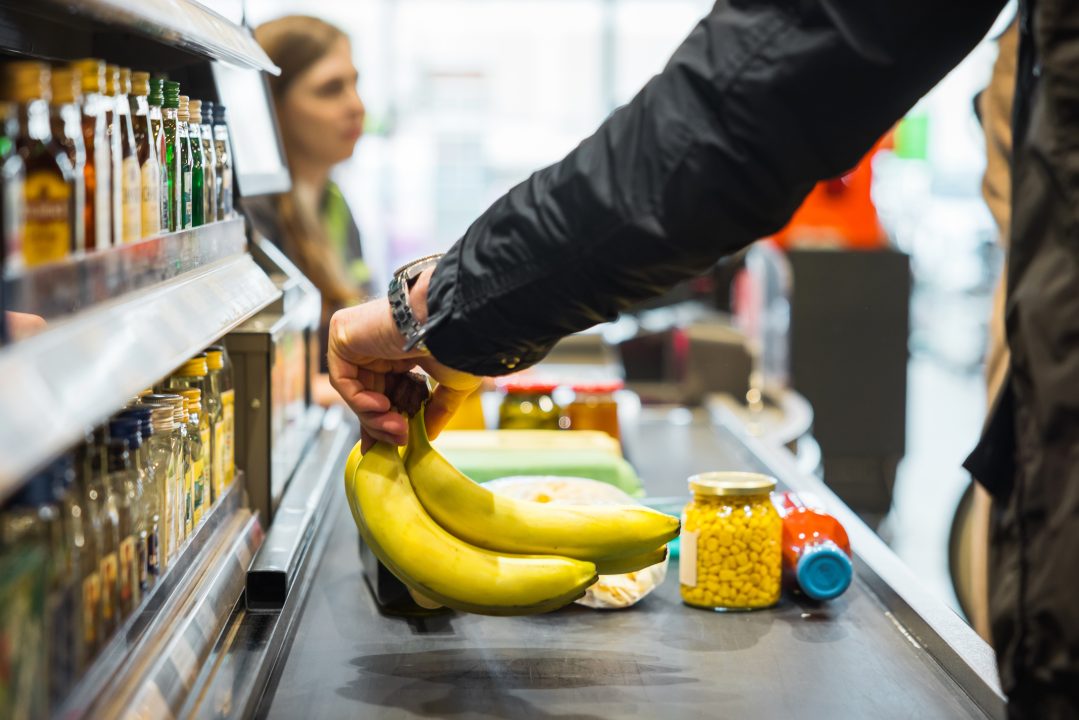
Plans to cap the price of everyday essentials like bread and milk have sparked a backlash and been branded a “gimmick”.
The Scottish Government says its proposals are designed to ease the pressure on struggling families by limiting the cost of a range of essential food items.
However, many in the industry remain sceptical that it will drive down prices long term.
A public consultation is under way on how the scheme would work, which products could be included and how prices would be monitored.
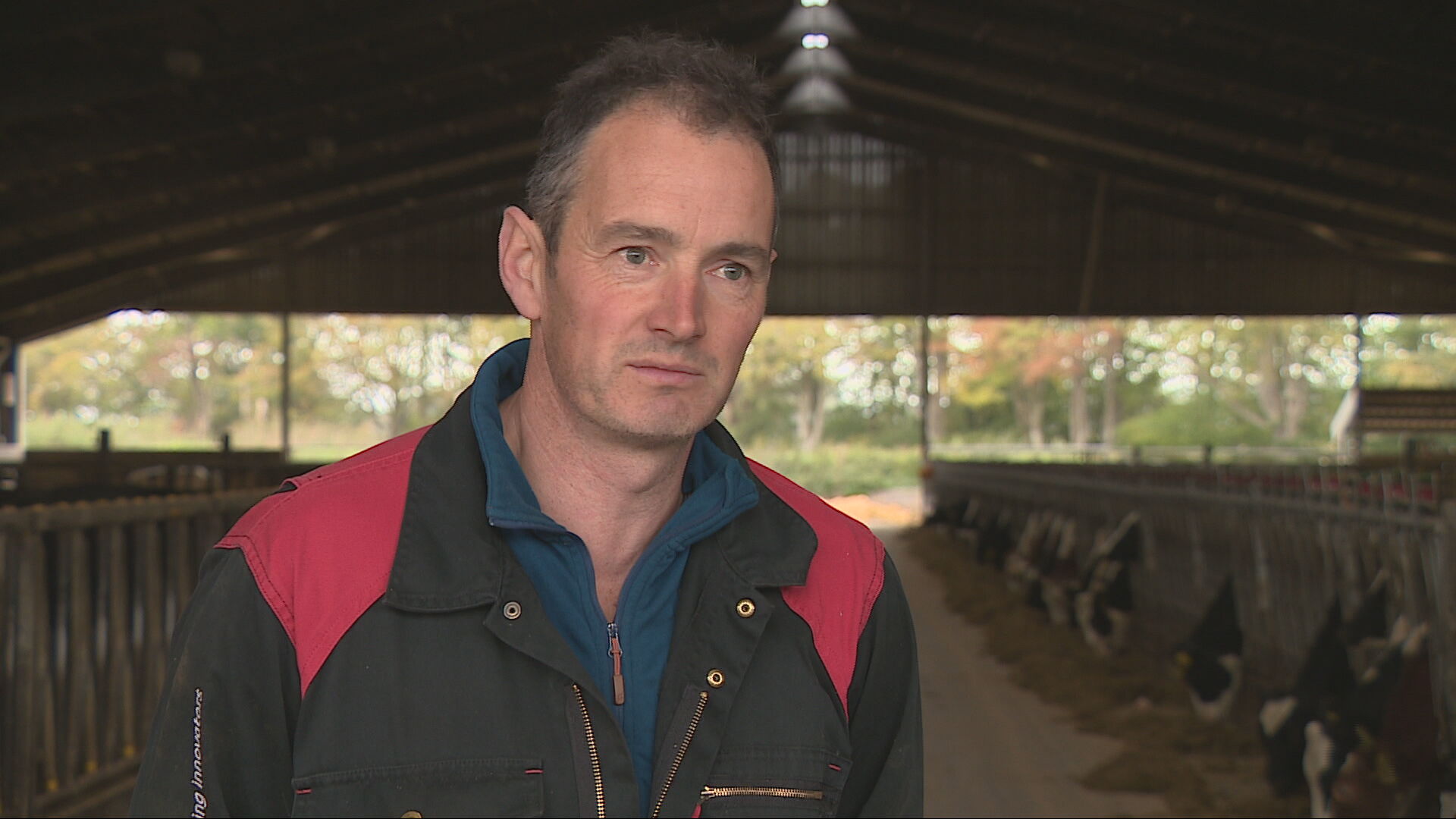
Dairy farm: Farmers warn of pressure on already tight margins
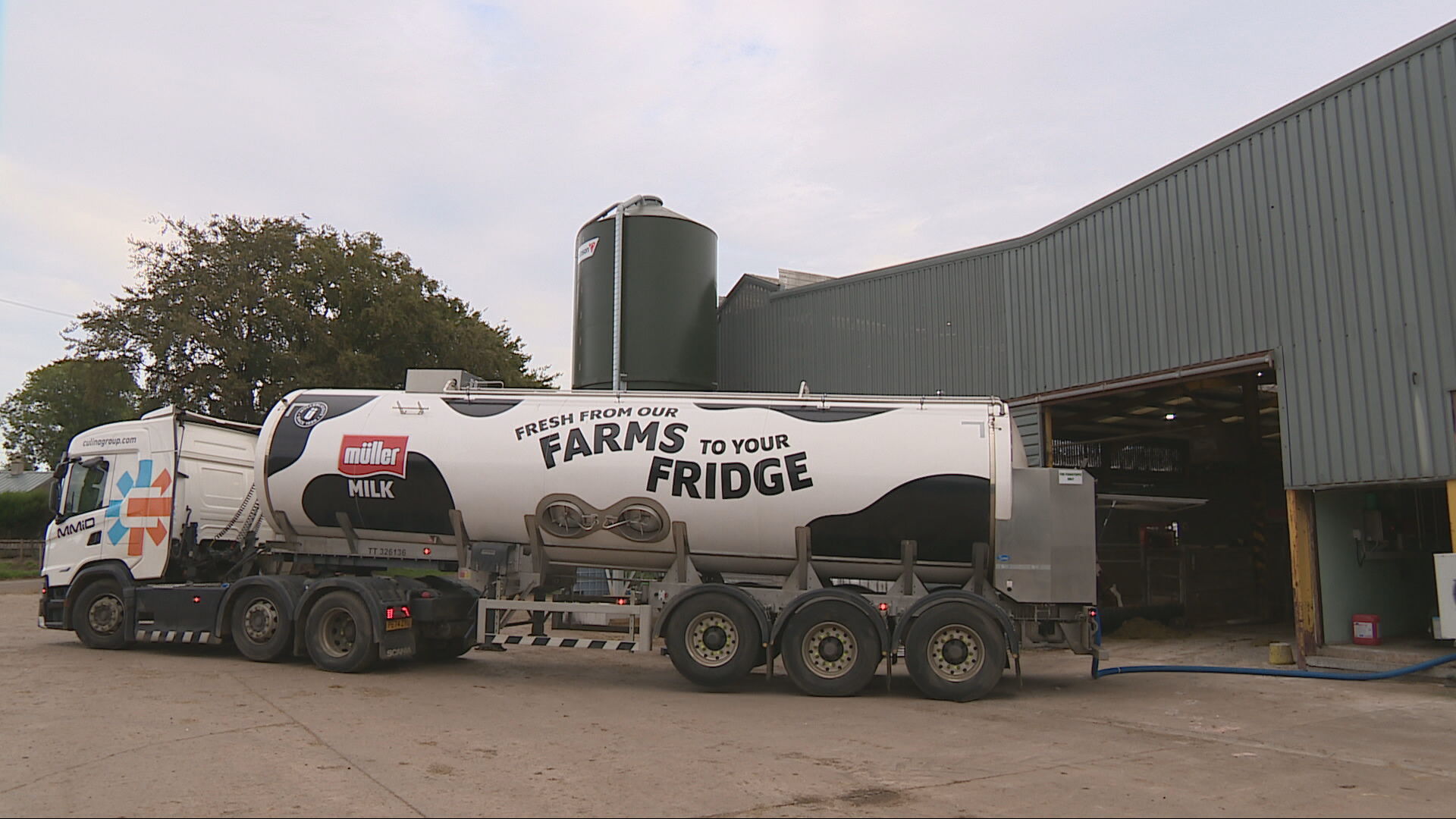
More than 12,000 litres of milk are produced at East Pitforthie dairy farm in Angus, destined for supermarkets across the country.
Farmers say their margins are already tight and worry that price caps could squeeze them further.
They warn that if producers are forced out of business, Scotland could become increasingly reliant on imported food.
Sandy Milne, a dairy farmer, told STV News: “If there’s going to be a price cap on milk, somebody has to carry the financial can on it. So who’s going to do that and how’s it going to work?
“There’s not a lot of margin anywhere in the supply chain.”
 STV News
Mr Milne said the price of milk was already relatively low compared with other European countries.
“When you look at the four pint milk carton, you’re producing some of the cheapest milk available to us anywhere in Europe,” he said.
“It’s a globally traded product…the market fluctuates all the time in terms of global supply and demand and input cost pressures.”
“It’s a tricky one to try and balance off in this country when there are so many external forces at play as well.”
Mr Milne said his biggest concern was the potential impact on domestic production.
“If there’s too much added pressure put on the dairy farm and industry, production is going to drop, and we’re going to have to rely on more imports.
“That’s no way to have food security in the long term with all the things that are going on.”
Trussell Trust: Foodbank charity warns price caps could backfire
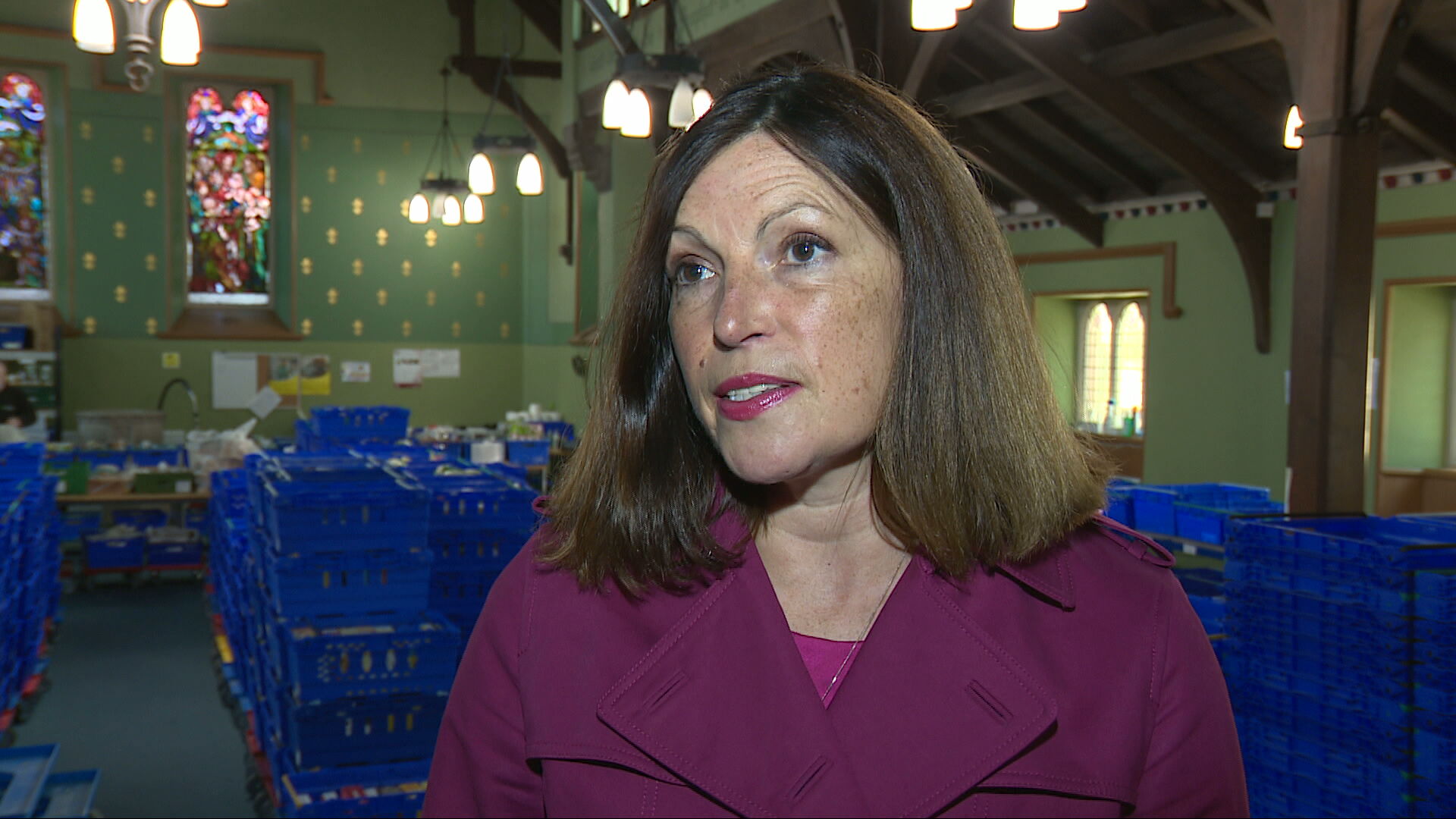
The Trussell Trust, Scotland’s largest foodbank charity, helps hundreds of people every week at its centre in Dundee.
The organisation is facing record demand for its services, but says capping the prices of essential goods is unlikely to address the underlying problem.
Cara Hilton, senior policy and public affairs manager at the Trussell Trust, said: “Our concern with the price caps idea is that it really doesn’t stack up on the basis of evidence.”
 STV News
She warned the proposals could have unintended consequences, including shortages and price increases elsewhere.
“I think there could be quite a lot of unintended consequences that the Scottish Government hasn’t really factored in,” she told STV News.
“We could see shortages, for example, of goods that are price capped; we could see increases in the prices of other goods, and also there’s going to be the impact on farmers here in Scotland.
“We would urge the Scottish Government to focus on measures that support people and get more money and more cash into people’s pockets ahead of what looks like a very difficult winter.
“It’s not right that anyone in Scotland should be unable to afford the essentials, never mind a million Scots being unable to put food on the table.”
Croatia economist: Price caps could push up costs elsewhere
Scotland is not the first country to consider the approach.
Croatia introduced price caps on around 100 products after bringing in similar proposals four years ago.
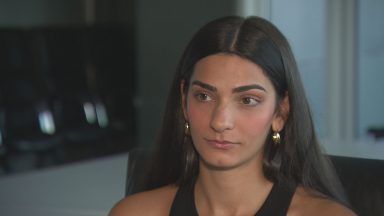
Hrvoje Stojić, an economist in Croatia, said: “We can say that they (caps) will of course have a positive effect on prices in the beginning, but what happens later?
“If the cap can’t cover the cost of a certain product, then the real-world response will be a reduced supply of that kind of product.
“Maybe politicians got quick wins, but at the end of the day, food price inflation was higher.
 Adobe Stock
“If the government keeps prices below the cost of local food production, then we risk losing local supply. They cannot incur losses, and they will rather transfer those price hikes to all other products.
“People are not really aware that when you cap the prices of certain food items, retailers will try to compensate on all other products.
“We should only protect those consumers in need below a certain income threshold; we should not subsidise everybody during price market shocks.”
His warning is that while price caps may offer immediate relief, they could push up costs elsewhere and undermine local food production if businesses are unable to cover their costs.
Industry concern
David Thomson, chief executive officer of the Food and Drink Federation Scotland, said manufacturers remained deeply concerned about the proposals.
He said: “As the consultation draws to a close, food and drink manufacturers remain deeply concerned about the Scottish Government’s plans for food price caps.
“Price caps will not tackle the underlying causes of food inflation. Manufacturers continue to face significant energy, labour, ingredient, packaging and regulatory costs, and simply restricting the price of certain products does nothing to remove those pressures.
 STV News
“We are concerned that intervening in prices could instead have unintended consequences across Scotland’s food and drink supply chain.
“The Scottish Government must listen to the evidence, recognise the risks and drop its plans for food price caps.”
The consultation closes on November 24.
What is the Scottish Government saying?
Shirley-Anne Somerville, cabinet secretary for social justice, said: “No one should have to compromise on food or other essentials.
“That is why overall in 2026-27 we are committing around £3.5bn to policies that tackle poverty and the cost of living, including maintaining the Scottish Child Payment, which has put over £1.7bn into the pockets of low-income families since its inception.
“We have also committed to increasing our Scottish Child Payment to £40 for children under the age of one during 2027-28.
“We are doing everything in our power to reduce child poverty and have been clear that what we need is more action from the UK Government to support this work, including ending the cruel benefit cap which is punishing children for circumstances beyond their control.
“This has never been more pressing, with DWP’s own data showing that the number of Scottish children impacted doubled to nearly 20,000 between March and May this year.
“In the meantime, we are currently consulting on legislation to establish legal price ceilings on some essential food items to tackle the cost of the weekly shop.”
Follow STV News on WhatsApp
Scan the QR code on your mobile device for all the latest news from around the country