 Adobe Stock
A shortage of legal aid for vulnerable women is reaching “crisis” levels in Scotland, lawyers and campaigners have warned.
Charities say the shortage could be making it harder for women to escape abuse, while solicitors warn the work is becoming increasingly financially unsustainable.
The Scottish Government’s Legal Aid Reform consultation sets out wide-ranging proposals to modernise the system, paving the way for a new Legal Aid (Scotland) Bill.
While victims may be witnesses in criminal proceedings, they can also become involved in separate civil cases involving finances, property, harassment or contact with children.
Campaigners say navigating those issues without representation can be particularly difficult where civil court proceedings are prolonged by an abusive former partner.
‘Retraumatising victims’
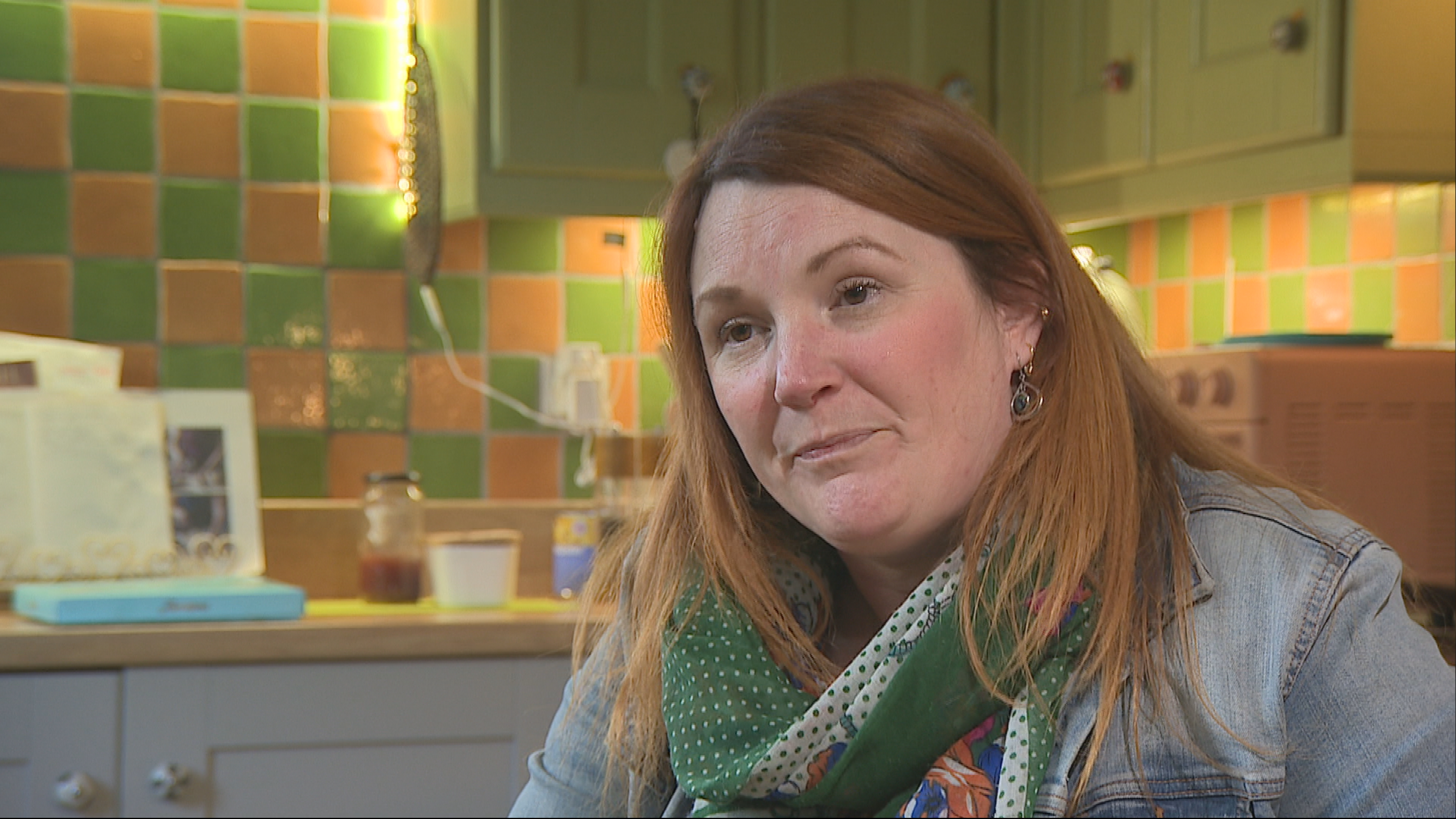
Lynsey French, founder of Safe Family Courts Scotland, has been calling for reform since her own experience of going through the courts.
“A lot of women leave with limited resources, sometimes just the clothes on your back and your kids,” she told STV News. “They might have limited access to bank accounts or their own finances due to financial abuse.
“Being able to access legal services when you don’t have independent financial stability can be really difficult.”
She said women leaving abusive relationships may already be isolated from friends and family, while accessing legal aid can involve revisiting traumatic experiences.
“Even when it comes to filling in paperwork, that can involve going back over some traumatic experiences of your life to justify why you need legal aid.
“That is retraumatising for victims, having to relive things they’re trying to move on from.”
 STV News
Lynsey said court proceedings could mean continued contact with an abusive former partner and leave women anxious about what could happen to them or their children.
“What we’re seeing is lots of women exiting abusive relationships, finding themselves in longstanding cases that can rumble on for years because their exes have weaponised the system and have used it to prolong that level of control and abuse over a partner’s life.
“There’s this constant threat you’re living under that something punitive could happen to you and your children as a result.”
Lynsey said she was aware of women who had lost access to their children following decisions in private family court proceedings, despite what she described as no disclosed concerns from agencies such as social work, schools or GPs.
“As parents we believe that if your children are happy, nurtured and free of risk, that your right to parent them and be in their lives will be preserved.
“But unfortunately, I’ve met women for whom that’s not the case.”
‘Left with no alternative’
 STV News
Solicitors can be expensive, particularly when legal proceedings continue for an extended period.
Organisations supporting women say securing one through legal aid can be time-consuming and often end in frustration.
Laura Nairn is a solicitor with charity JustRight Scotland.
“Women are contacting all legal aid providers and being told they can’t take cases on. They’re left with no alternative,” she said.
“It’s trapping women in relationships. For someone not yet escaped, it’s the difference between them staying and being able to leave.”
Laura said some women are choosing to represent themselves in court as they are unable to afford private legal fees.
“Women are considering appearing in court in front of their abuser; that’s a huge challenge for them to take on. We would say this is completely inappropriate. That is the reality that so many women are facing.
“Being faced with a life-threatening situation, you’re having to try and do this yourself, or you’re potentially having to give up and not pursue. It’s an impossible situation women are being placed in.”
Laura believes fees should be increased for solicitors carrying out legal aid work.
“A lot of work that’s being done, particularly in cases of domestic abuse is in a trauma-informed way, isn’t covered by the way legal aid is set and paid. It’s really important that work is being recognised.”
‘People resort to using AI in court’
 STV News
There have been reports of women trying more than 40 solicitors as they struggle to get advice, while lawyers say providing legal aid work is becoming increasingly financially difficult.
Co-convener of the Law Society of Scotland’s legal aid committee Ian Moir warned the shortage is contributing to more people representing themselves in court, with some turning to artificial intelligence for help.
“We’re already seeing more people representing themselves, people trying to use AI to help themselves, which is really unhelpful to the court.
“It slows the whole court process down if people are trying to represent themselves, with sheriffs having to help them learn the system.”
He blamed “decades of underinvestment”, saying legal aid lawyers can carry out significant amounts of unpaid work.
“There is a huge amount of unpaid or pro bono work by legal aid lawyers. They don’t make anywhere near enough to justify the antisocial hours, going to the police station in the middle of the night.”
Ian hopes the reforms will simplify the system and make legal aid financially viable for solicitors providing the service.
“They should be able to get the help. These are vital services.
“They need to be able to get a lawyer to afford to take the case on without losing money and fight their corner for them.”
The Scottish Government says its vision is for a “system in which legal aid services are shaped by a clear and robust understanding of need, with a stronger focus on people’s experiences and outcomes”.
Follow STV News on WhatsApp
Scan the QR code on your mobile device for all the latest news from around the country