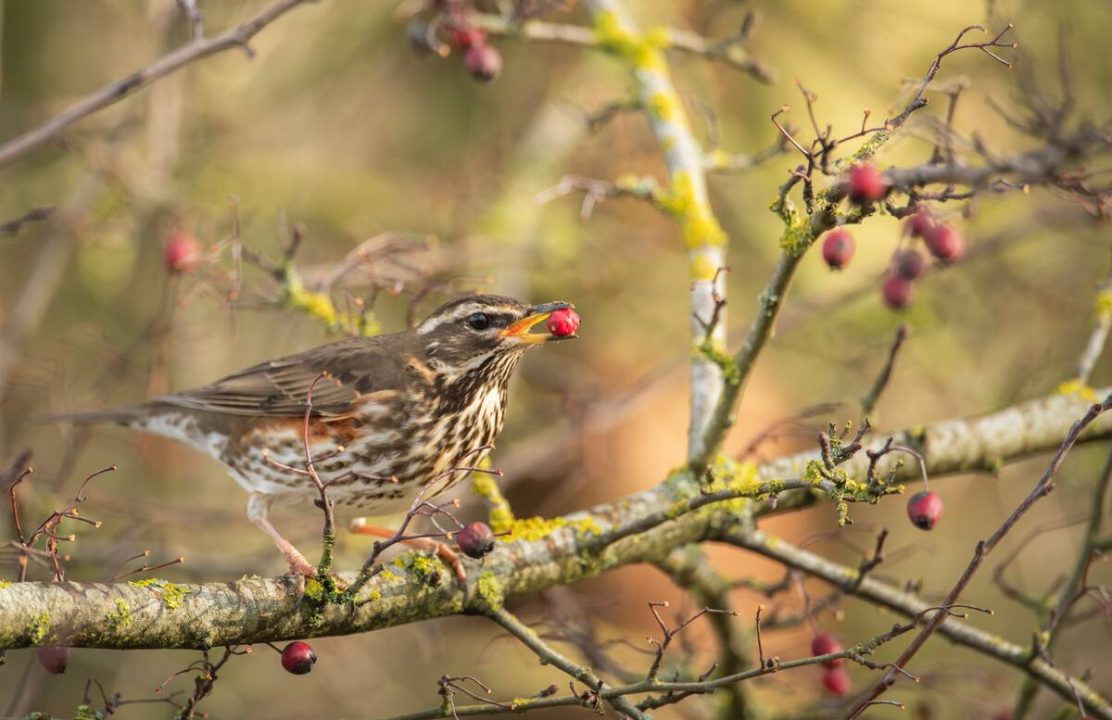
 Ben Andrew via RSPB
Wildlife lovers are being urged to rehang their feeders from Sunday to help garden birds survive the winter.
The RSPB advises that feeders should be filled with seed and peanuts from November 1 to help garden birds through the colder weather, as natural food supplies become harder to find.
Small amounts of mealworms, fat balls, or suet can be offered year-round.
The RSPB revised its advice on garden bird feeding after its conservation scientists completed a comprehensive review of the popular practice following a decline in finch species.
The species has lost 65% of its population since the 1990s, due to a deadly disease called trichomonosis.
The research aimed to determine how significant a role garden bird-feeding might play in the spread of this disease, which affects a bird’s throat, making it hard to swallow food.
Trichomonosis is spread by birds that consume contaminated food and water, especially in summer and autumn, when the risk of disease transmission is higher. The risk is also greater at feeding spots where numerous birds gather, and when using flat surfaces such as a bird table.
The updated guidance from the RSPB is to feed seasonally, pausing putting out seeds and nuts – which are the preferred food of finches – from May 1 to October 31, and to feed safely, cleaning feeders thoroughly at least weekly.
James Silvey, senior species and habitats officer at RSPB Scotland, said: “It’s been really encouraging to see people follow the Feed Seasonally, Feed Safely advice.
“With winter just around the corner, November 1 is the time to re-hang feeders with seeds and peanuts and give our beloved garden birds a little help during the colder months.
“The decline in some finch populations is concerning. However, we know that following this advice can reduce the risk of Trichomonosis transmission and still allow people to enjoy feeding birds in their garden.”
Follow STV News on WhatsApp
Scan the QR code on your mobile device for all the latest news from around the country