 iStock
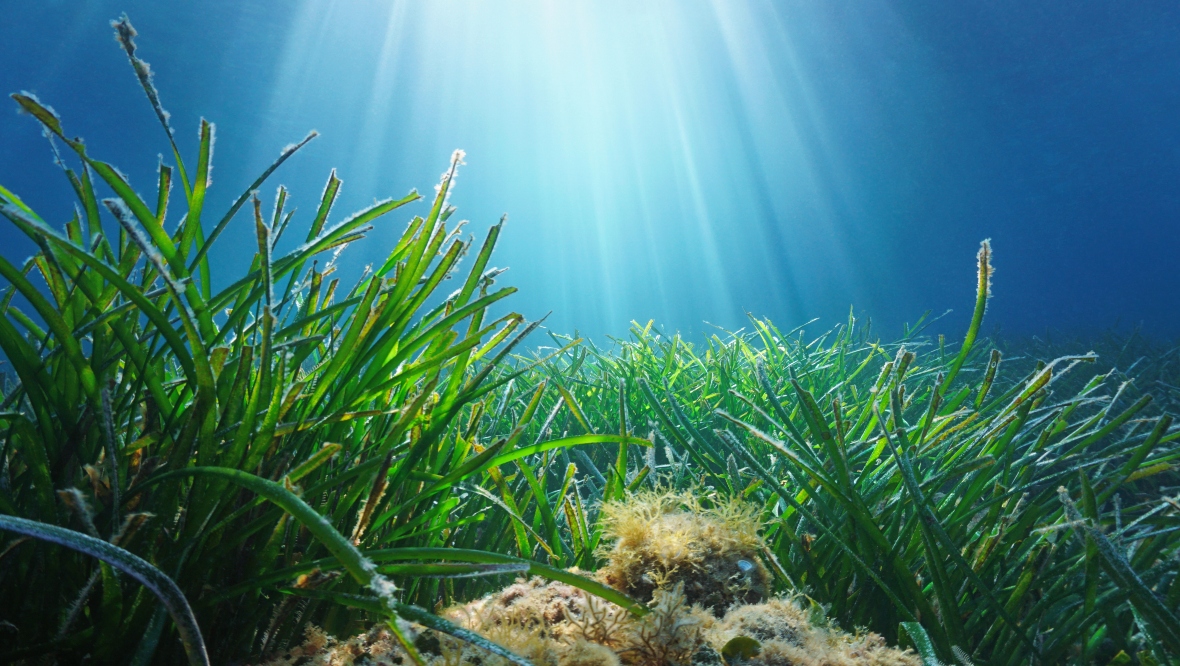
Highly protected muddy seabeds are home to twice as many species than those exposed to damaging fishing, a study off Scotland’s coast suggests.
Protecting the muddy seafloor, long thought of as having low wildlife value, from practices such as trawling can see nature begin to regenerate within a decade as species key to the ecosystem return, the study shows.
But researchers warned the climate benefits of protecting seabed mud – increasingly recognised as an important carbon store – may take decades to deliver.
The conservation scientists called for long-standing, well-enforced protection of muddy seabeds to help them recover their nature and climate potential.
The study focused on the South Arran marine protected area (MPA) off the Isle of Arran, on the west coast of Scotland, parts of which have been protected from fishing with trawls and dredges – heavy gear dragged along the seabed – for more than 10 years.
But close to the protected areas, fishing gear which churns up the muddy sediments is still being used to fish for scallops and nephrops – also known as scampi, langoustines or Dublin Bay prawns – allowing comparison of the different areas.
The study compared 14 sites in and around the MPA, finding more than 1,500 species of animal across their sampling.
The analysis found around twice as many seabed species in areas protected from trawling and dredging, and around three times as many individual animals – such as worms, shellfish and other invertebrates – living within the mud, than in unprotected areas.
Dr Ben Harris, of the University of Exeter, who led the study, said: “These seabeds may appear empty, but they are anything but.
“They can recover when protected, but much more slowly than fish communities in protected areas.
“That means long-standing, well-enforced protection is needed to realise their full ecological and biodiversity benefits.”
He said the wildlife that had recovered was “infauna” – invertebrates that live inside the mud – which he likened to the “pioneer plants” that are first to colonise barren or devastated landscapes on land.
He told the Press Association: “They are on the first rung of the ladder of biodiversity improvement for the seabed, they’re the early colonisers we would expect to recover quickly.
“But given enough time, the role they would play would have this knock-on effect, where you’d see biodiversity recovering in other ways.”
And while seabed sediments lock away significant amounts of carbon, that can be disturbed by trawling and dredging.
There were some “early signs” of a small effect in stored carbon in protected areas, but gains would take a long time, the researchers suggested.
The team said damaging fishing has taken place across Europe’s seabed for centuries, causing a loss of wildlife and degrading the ecosystem over the long term.
And despite their role in supporting the marine ecosystem and storing carbon, sediments “remain overlooked” due to the economic value of fisheries such as nephrops and a perception they have low nature value, the researchers said.
Just 0.2% of Europe’s seabed is shielded from damaging fishing practices, they warned.
“The reason these systems haven’t been protected is because everybody thinks they’re not worth protecting, there’s not much there – but the reason there’s not much there is because they have been historically ripped clean,” Dr Harris said.
He said what was now “desert, muddy, featureless plains” would once have been more wildlife-rich, covered in living communities such as oyster beds.
Professor Callum Roberts, of the University of Exeter, said: “We’re beginning to reset the system. The signs are promising – but this is only the start.
“The evidence is clear: protection works. What’s missing now is the urgency to act on it.”
The study, conducted under the Convex Seascape Survey, a global research programme involving Blue Marine Foundation, the University of Exeter and Convex Group, was published in the journal Science Direct.
Follow STV News on WhatsApp
Scan the QR code on your mobile device for all the latest news from around the country