 PA Media
Weight-loss jabs could prevent and treat addiction to alcohol, cigarettes and drugs, according to a large study.
Experts believe the way the medicines work on the brain’s reward pathway cuts cravings and could also save lives from substance abuse.
Weight-loss drugs include glucagon-like peptide-1 receptor agonists (GLP-1s), which help people feel fuller by mimicking the natural hormone released after eating.
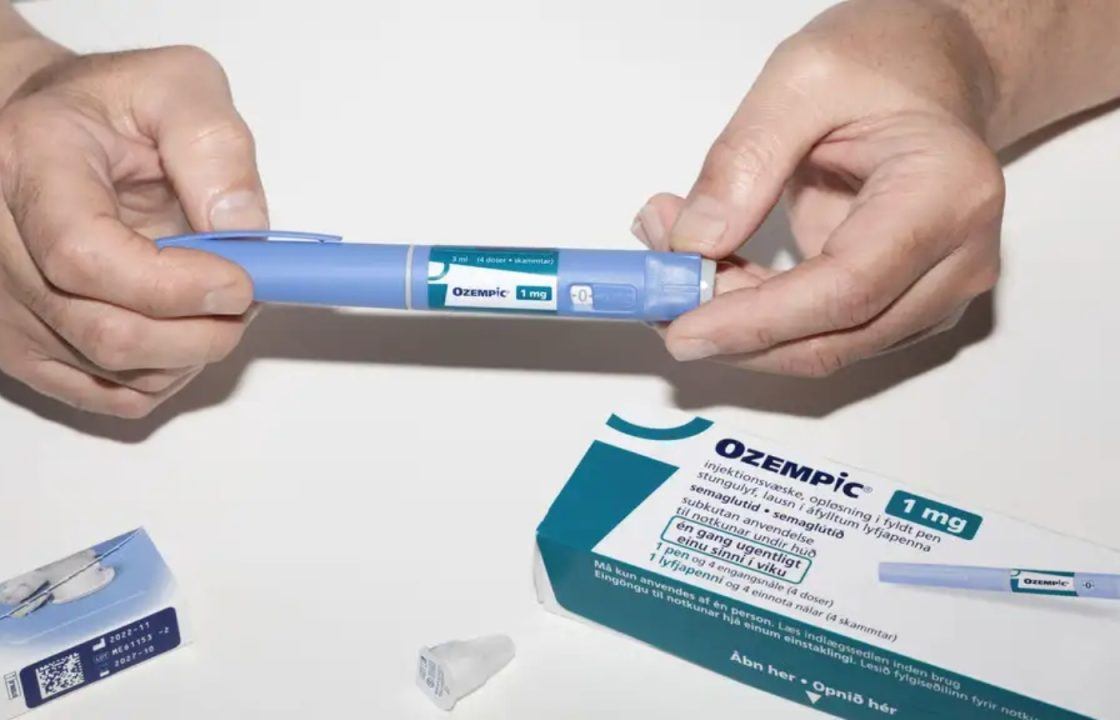
Common brands include Wegovy and Mounjaro for weight loss, and Ozempic for diabetes.
Now, a large US study has found the jabs could work to prevent and treat addiction to a range of substances including alcohol, cannabis, cocaine, nicotine and opioids.
Published in the British Medical Journal (BMJ), the research found GLP-1s helped both prevent substance misuse in those who had no addictions and prevented overdoses and A&E visits in people already addicted.
The findings were based on 606,434 US veterans with type 2 diabetes who were monitored for up to three years.
In veterans with no history of substance abuse, starting a GLP-1 drug was linked to an overall 14% reduced risk of substance use disorders (SUDs) and a reduced risk of problems with alcohol (18%), cannabis (14%), cocaine (20%), nicotine (20%) and opioids (25%), when compared with people on other diabetes drugs.
This meant there were between one and six fewer cases per 1,000 people over three years.
Among those with an existing substance use disorder, starting a GLP-1 was linked to 31% lower risk of SUD-related emergency department visits, 26% lower hospital admissions, 50% lower deaths and 39% fewer overdoses alongside 25% lower risk of suicidal thoughts or attempted suicides.
This is about one to 10 fewer such things happening per 1,000 people over three years.
While the study was predominantly on older men, similar results were found in women.
The researchers concluded: “GLP-1 receptor agonists were associated with lower risks of incident alcohol, cannabis, cocaine, nicotine, opioid and other substance use disorders, suggesting potential preventive effects across a broad range of substances.
“In participants with pre-existing SUDs, GLP-1 receptor agonists were associated with reduced risks of SUD-related emergency department visits, hospital admissions and mortality, and drug overdoses and suicidal behaviours.”
Follow STV News on WhatsApp
Scan the QR code on your mobile device for all the latest news from around the country