Households already struggling with the cost of living crisis are facing another blow after the Ofgem energy price cap rose by 4% on Thursday.
The increase means the average household in Scotland, England and Wales paying for gas and electricity by direct debit will see annual bills rise to £1,723, equivalent to an extra £5 a month or £60 a year if prices remained at that level for 12 months.
And there is likely worse to come this winter. Analysts are warning of the biggest increase in energy bills for four years, driven by rising wholesale gas prices linked to conflict in the Middle East.
Experts at Cornwall Insight predict the average dual-fuel bill will jump by 16% to £1,999 a year from January 1, an increase of £276 compared with the October-to-December period and the steepest rise since January 2023.
More than four million homes who remain on a standard energy tariff will be impacted, coming at a time when cooler temperatures will see many switching on their central heating.
‘My house was so cold, I moved outside to the fire pit’
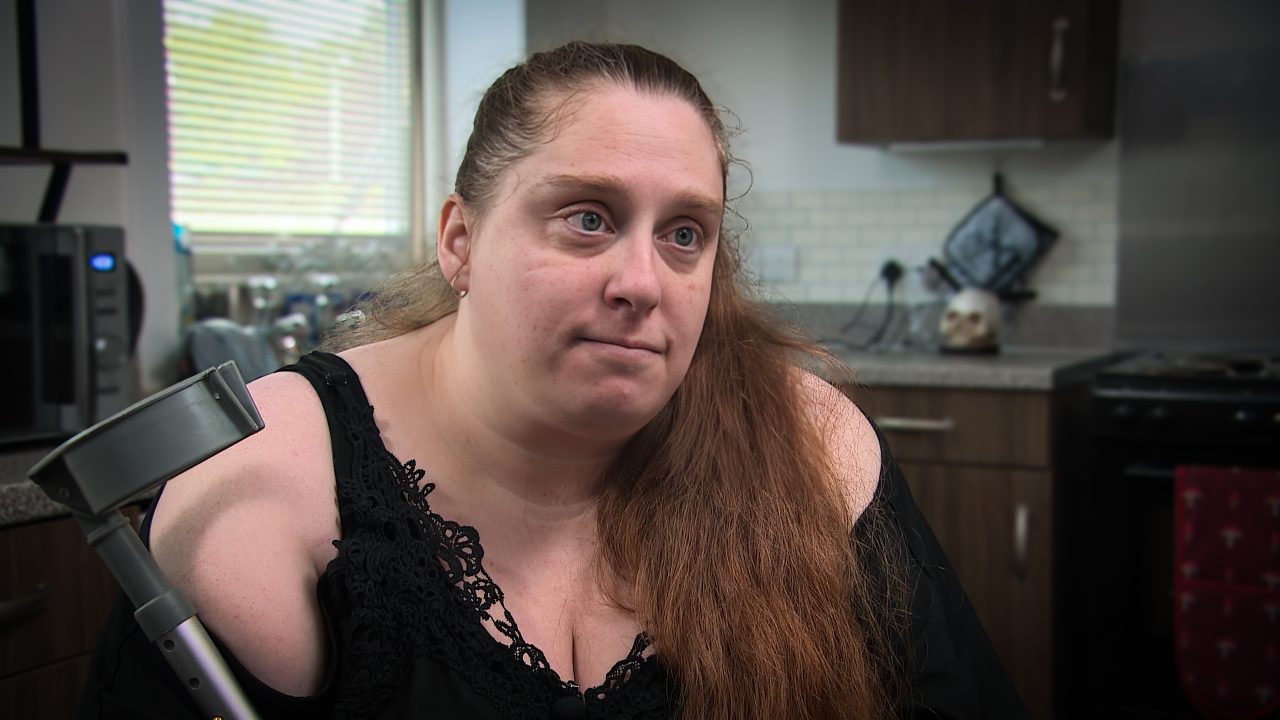
Racheal Fuller lives with arthritis and Crohn’s disease in Fettercairn, Angus.
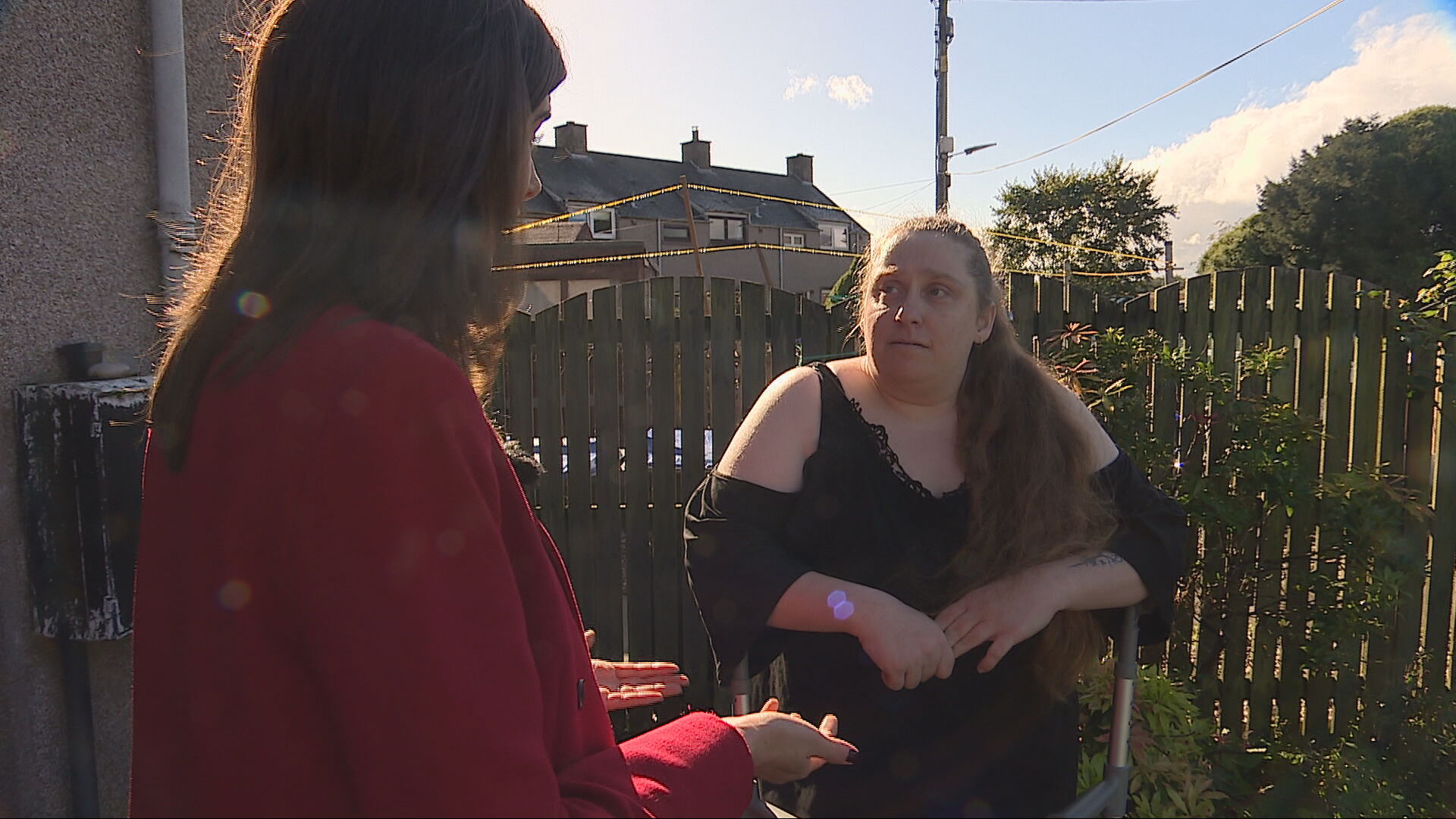
Last year, her house became so cold that she moved outside and gathered chairs around a fire pit.
 STV News
“It was like being locked in a walking freezer,” Racheal told STV News. “You could see your breath and everything. It was colder inside than out, which makes no sense because there was snow everywhere.
“We usually went to the firepit when it started getting dark. We would sit out here until the fire died down, then we’d go back inside.
“It seems so bizarre you’d have to come outside.”
This winter, Racheal is worried about making her heating oil last longer, with the price of 500 litres rising from around £500 to more than £750.
 STV News
“With the current energy prices, I’m very worried about getting snowed in and being unable to afford any more oil,” she said.
“The price of fuel oil has doubled compared to what it was last year.
“We keep the radiators off and use small space heaters, only in the rooms that are needed. We also don’t take baths, which uses up oil.
“We have a box on the wall for the shower and thankfully we have the electric stove as well.
“With all the measures I’ve put in place, the oil has lasted from April or May until now, and I’m going to try and make it last through the winter.
“That really affects my joints because of the health conditions I have. Along with my arthritis, it flares up quite badly and sometimes I can’t get out of bed, which makes it difficult to care for my boys.”
UK Government ‘needs to help poorer households’
Another change taking effect on Thursday is the removal of VAT on household electricity bills.
The cut from 5% to zero is expected to save a typical household around £45 annually.
Chancellor John Healey said: “This tax cut will help keep energy bills down a bit as we head into the winter.
“We are acting on cost of living pressures to give people some breathing space for the next few months while we make long-term changes to better shield the country from global shocks like those we face today.”
 iStock
But charities and unions are urging the UK Government to do more to help poorer households with energy costs in the upcoming Budget.
National Energy Action chief executive Adam Scorer said: “The autumn Budget must deliver additional targeted support for households most at risk this winter, alongside action to tackle energy debt and improve the least energy efficient homes.”
TUC general secretary Paul Nowak said: “The Prime Minister has rightly recognised the need to give people breathing space with so many households under the cosh – but this energy bill emergency means the Government must go further and faster at the Budget to protect households.
“That means cutting energy bills for the majority of households with a social tariff, paid for by a tax on banks’ enormous profits.”
Call for ’emergency heat tariff’
Meanwhile, the The End Fuel Poverty Coalition urged ministers to prepare an “emergency heat tariff” to cap the cost of heating this winter, with gas prices already rising 27% year on year from Thursday.
Ofgem has set gas at a maximum 7.97p per kilowatt hour for households on the standard variable tariff from October 1.
The coalition has advised gas is capped at 10p per kilowatt hour as forecasters predict it could reach as high as 12p per hour this winter.
Craig Lowrey, principal consultant at Cornwall Insight, said: “These prices are going to hit households hard.
“January is already a difficult month for many, with cold weather and bank balances still recovering from Christmas, and now they face the biggest price cap rise we’ve seen in four years.
“At the moment, we can’t yet see an end to the volatility, and with gas stocks as low as they are, the effects of the conflict could be with us for many more months.”
Follow STV News on WhatsApp
Scan the QR code on your mobile device for all the latest news from around the country