 SAIS
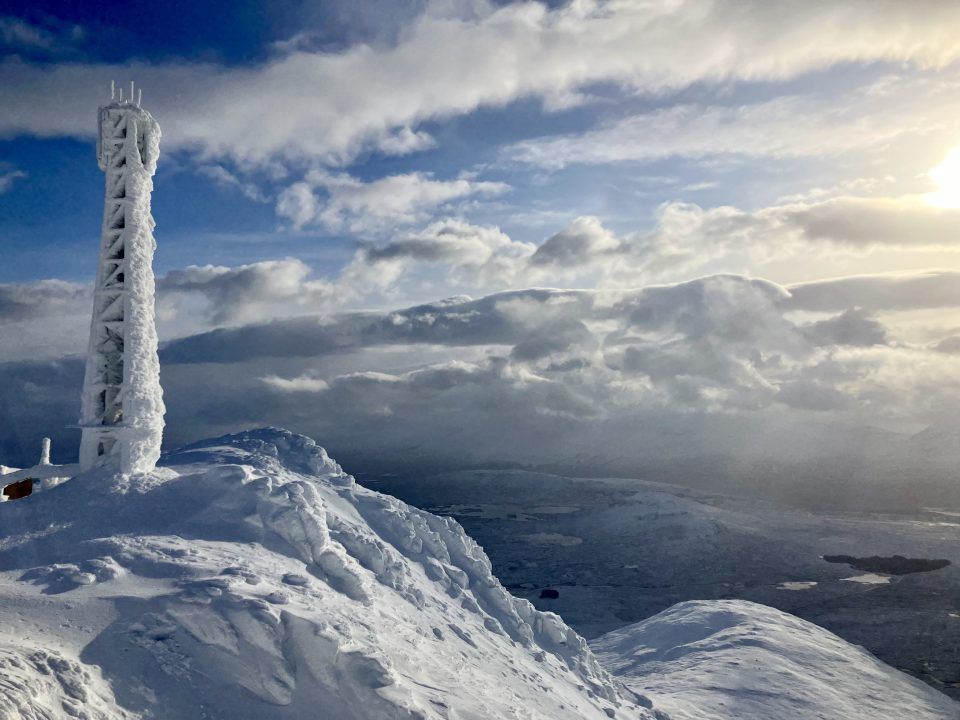
SAISScotland’s mountains have already faced three times more avalanches than the whole of last season.
Three climbers were left “in shock” after they were caught in an avalanche while climbing a mountain in Glencoe on Wednesday.
There have been some epic snowfalls across the country this winter, and with the increased footfall and severe weather, the risk is higher.
 SAIS
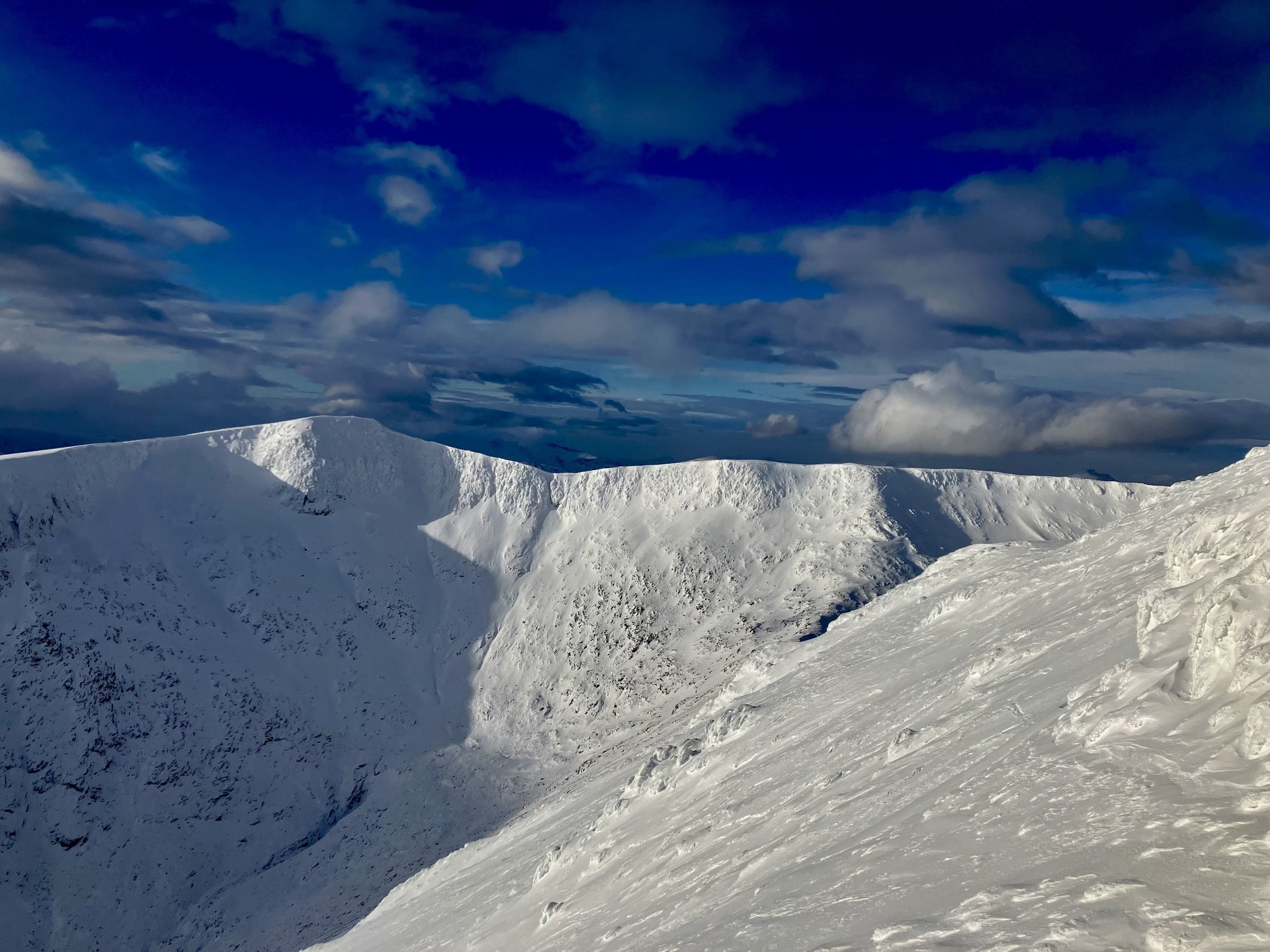
SAISLast winter, the Scottish Avalanche Information Service (SAIS) recorded a total of 42 incidents. But this January alone, the body has been alerted to 86 avalanches.
So far this winter, there have been 154 avalanches on Scotland’s mountains. Within the last few days, the SAIS has issued warnings of “considerable” danger in the Cairngorms, Glencoe, Lochaber and Creag Meagaidh.
The Torridon range in the north-western Highlands has been issued with a “moderate hazard” warning.
According to the government body, some avalanches on steep slopes could potentially be triggered by a single person on the slope and other natural avalanches may take place.
 SAIS
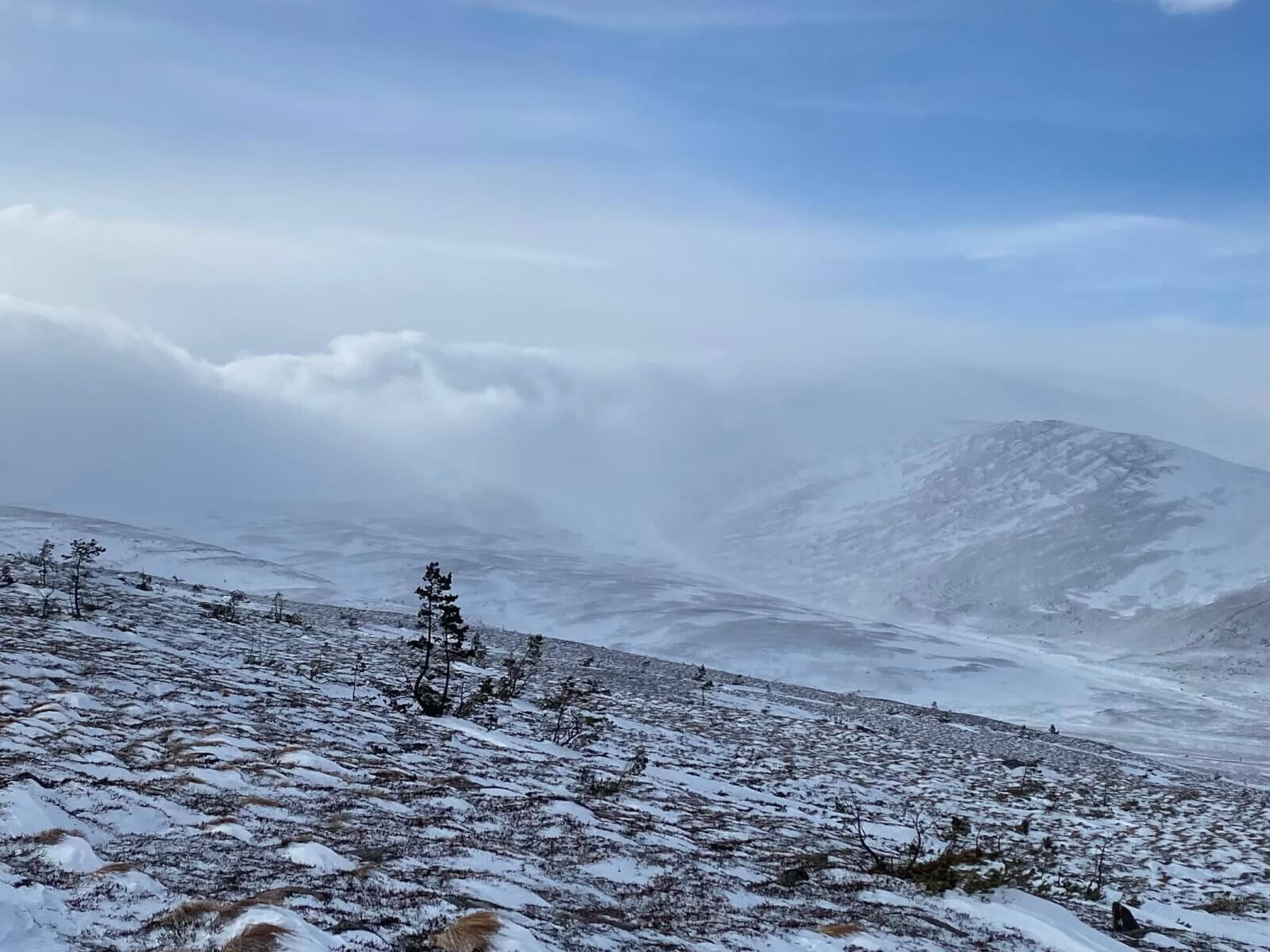
SAISOver the last two days, a total of nine avalanches have occurred, four of which took place in Glencoe.
Three climbers were hit by a wave of snow on Stob Coire nan Lochan – one of the most popular winter climbing mountains in Scotland.
The highest of the three climbers unknowingly triggered the avalanche, but were able to use their ice axe to stop being swept away.
The other two climbers were carried 50m by the wave of snow down the slope. They did not suffer any injuries, but were left “in shock”.
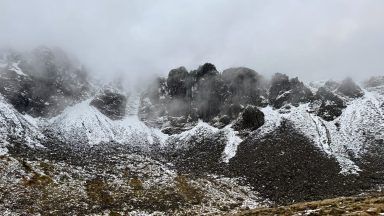

The winter sports season in Scotland usually starts in late December and ends in April, as snow settles across the country’s mountain ranges, including the Cairngorms, the Nevis Range and the Lecht.
Senior forecaster for SAIS Graham Moss told STV News that the increase in avalanches since last winter is not unexpected due to the fact that there was a lower than expected number of incidents last year.
He has described this season as feeling like a “proper winter” compared to previous years.
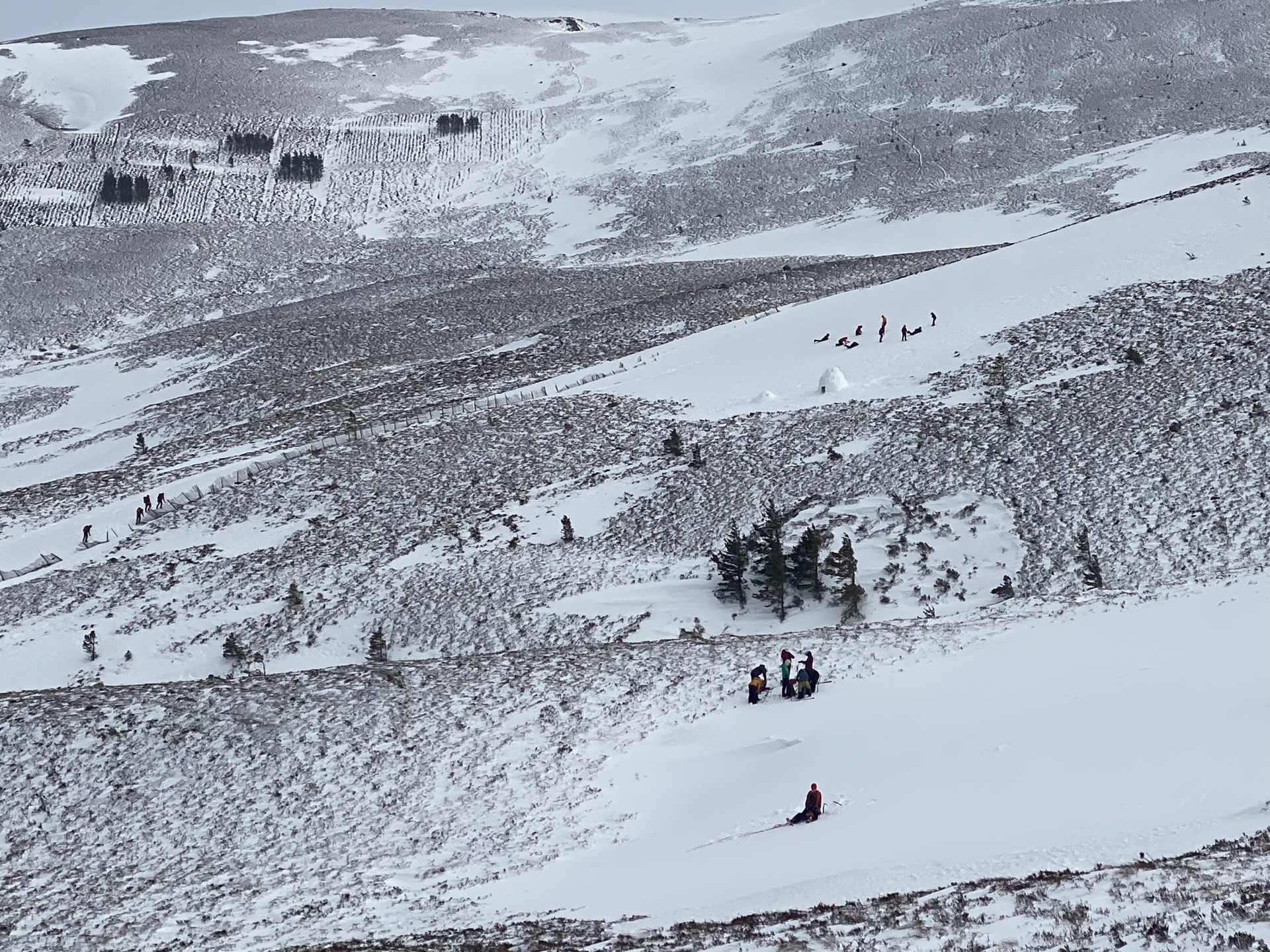
The senior forecaster said: “We have people on the hills for four months of the year, from December until mid-April, operating in six different areas in Scotland.
“The forecasters go up into the snow to see what has happened overnight. They then write a report which comprises a bit of information about today and predict what the snow is going to do in the next 24 hours.
“We assign a hazard category which the public can use to plan their days out.”

Insight Sean Batty STV Weather Presenter
 SAIS
SAISSince the turn of the year the freezing level has remained very stubborn with snow falling consistently on the mountains for several weeks now. This has led to some epic snowfalls, especially on the eastern end of the Grampians given the persistence of an easterly airflow – which has of course brought large amounts of rain to low levels in Angus and Aberdeenshire.
It was inevitable given the huge amounts of snow and the snowdrifts that avalanche risks would increase. Think of each snowfall adding a new layer of snow to what’s already on the ground, a bit like adding a new layer of sponge to a cake – eventually this becomes unstable, especially if it piles up at an angle or on a steep slope. Each layer of snow can have a different texture too due to the temperature when the snow fell and this can add to the instability.
It’s important to heed warnings for avalanches as these can be triggered easily by someone walking or skiing. Sometimes a whole layer of snow can give way and create a river of snow which can travel considerable distance which can sweep people along with it.
In Scotland we don’t see the sort of avalanches they do in other parts of the world where villages are buried, but they are just as dangerous to anyone on the slopes during one.
Given the rising temperatures in the coming days this will add to the instability of snow on the mountains as a bit of thaw sets in, so if you’re planning any mountain activities check the warnings before heading out.
Follow STV News on WhatsApp
Scan the QR code on your mobile device for all the latest news from around the country