
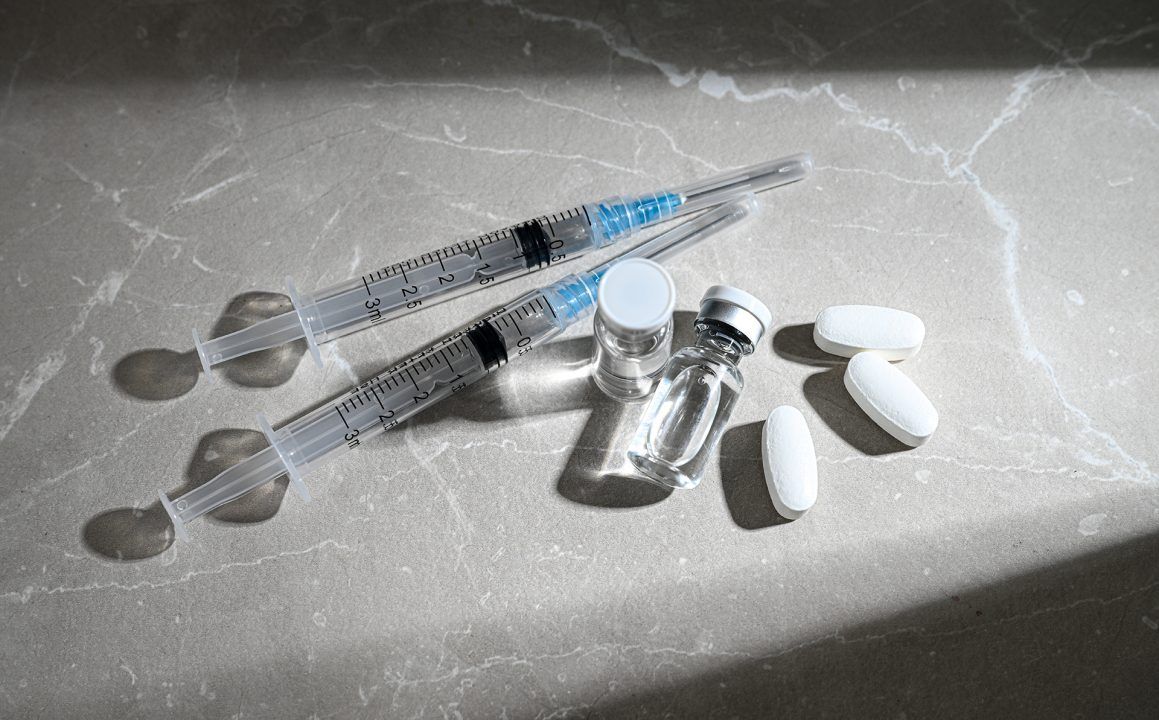
The National Pharmacy Association is calling for an urgent review of the sale of “research only” products, warning a grey market is allowing unregulated peptides to be sold openly online.
In recent years, unregulated, injectable peptides have surged in popularity among fitness influencers, beauty gurus and wellness enthusiasts.
Many are marketed “for research purposes only” with warnings they are not suitable for human consumption.
Despite this, thousands of people are promoting these substances online to be self-injected.
What are peptides?
Peptides are short chains of amino acids – the building blocks of proteins – that act as chemical messengers in the body.
Some peptide-based medicines are fully tested and regulated and are better known by their brand names Wegovy, Ozempic, and Mounjaro. These are prescribed to treat conditions like diabetes, hormone disorders and obesity.
But many of the peptides now circulating online – such as Retatrutide, BPC-157, TB-500, Melanotan 2 and GHK-Cu – have not been approved as medicines.
Despite this, a growing number of people are injecting them.
‘The Wolverine Stack’
 STV News
Dean Hepburn is a combat athlete and personal trainer. His life revolves around fitness.
With degrees in exercise physiology and cardiovascular rehab, Dean started to hear about unregulated peptides claiming to aid healing eight years ago. He decided to try them himself when he was struggling with a knee injury.
“Within two weeks I was back running 5Ks and swimming a kilometre,” Dean said.
“It’s anecdotal data – it doesn’t mean anything. It could just be that at that point in my life the way I was able to heal and stuff was fantastic, my nutrition was well managed.
“But whether it’s largely placebo, whether it’s individual dependent, it’s for people more intelligent than myself to decipher and hopefully research.”
The peptides Dean used are commonly referred to in gym circles as the “Wolverine” stack.
There is a growing number of people injecting these substances, believing they speed up recovery.
“Being involved in combat sports, the number of soft tissue injuries you get is higher than somebody who’s not as involved in intense exercise.
“And there’s been several other injuries where I’ve seen benefits from the same compounds as well. I can only go from my experience.”
Dean also acknowledged the wider cultural shift driving demand.
“I think social media is painting an image that we have to look a certain way. I think we’re seeing a lot more cosmetic leaning things creeping through the industry, whether that be a large increase in anabolic use or peptide use, and how your body composition should look.”
The rise of ‘Reta’
Retatrutide or “Reta” is the latest weight loss medication currently in phase three clinical trials. It has not received regulatory approval anywhere in the world.
But many claim they are already using the injectable.
While Dean hasn’t tried it himself, he says he hasn’t ruled it out.
He said: “From a cosmetic point of view and from a vanity point of view, it interests me.
“I would be open to using it but I don’t see the point in adding additional drugs to my body unless I’m well aware of why I’m using them – and if there’s going to be an overwhelming positive need to use them.”
‘We don’t know what’s in it’
 STV News
Sehar Shahid owns a Scottish based online pharmacy and is the Scottish director of the National Pharmacy Association.
She often uses her social media platform to address misinformation about peptides.
“When people are using what they believe is retatrutide, I always say to them, it is not retatrutide because it’s not yet available. It’s not on the market because it’s not approved.
“So what they’re probably using is something else. We don’t know exactly what’s in there; how do you know what dose to take? What the side effects are? How to administer it?
“That poses a huge amount of risk.”
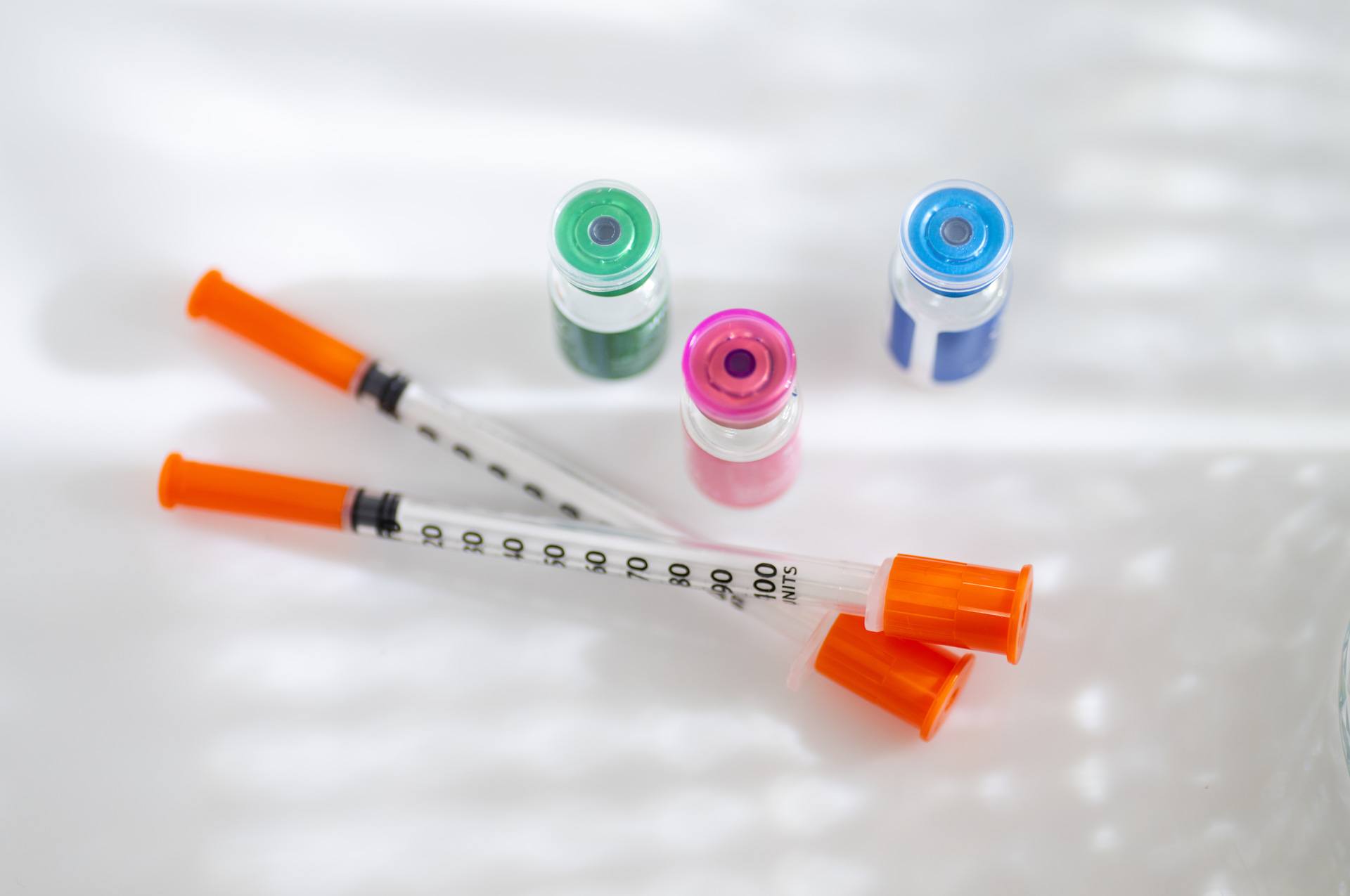
Approved weight loss drugs like Mounjaro and Wegovy come in pre-filled pens. Many unregulated peptides, by contrast, arrive as powders in vials – which users must mix and inject themselves.
“If you’re then relying on patients that aren’t medically trained to mix up vials and powders and liquids, there is a risk of contamination and the risk of infection as well when they are injecting,” Sehar added.
She also says there are clear warning signs consumers should watch out for.
“If you’re ever being asked to just bank transfer money for a payment, that’s a red flag. If you’re not getting a full consultation, that’s a red flag.”
‘Like buying a new Hoover’
 STV News
The peptide boom isn’t limited to weight loss drugs. Peptides are also being touted for anti-ageing, cosmetic and wellness purposes.
Melanotan 2, for example, has been used to accelerate tanning for more than a decade, despite being unregulated.
Dermatologist Dr Amy Perkins is an active campaigner for skin cancer prevention.
She said: “I think tanning injections were the original peptide – at least in my experience.
“Now that we’re seeing people use legitimate peptides like Mounjaro, the concept of a skinny pen or a skinny jab has become so normal that it now seems standard practice to inject yourself and this is becoming very worrying.”
A simple online search reveals hundreds of peptides for sale – all labelled “for research purposes only”.
“As it stands, the research use only is very obviously just a loophole people are exploiting cynically,” she added.
“It’s alarmingly easy. You can buy an illicit peptide in the market just as easily as you can buy a new Hoover.
“But it’s just not worth it at all – and sometimes the damage can’t be reversed.”
She warned the use of peptides risks becoming a public health crisis.
“We’re also hearing reports of people being able to purchase unregulated peptides from the same supplier as they get their party drugs from.
“I think this really sums up the scale of the issue we’re dealing with.”
In the last six months, the Medicines and Healthcare products Regulatory Agency (MHRA) has raided two separate facilities in Lincolnshire and Nottinghamshire suspected of manufacturing illegal weight loss medicines.
Rather than vials, some products are now being sold in pen form – mimicking legitimate medications – making it harder for consumers to tell what is regulated.
Inside the supply chain
 Adobe Stock
Criminologist Luke Turnock believes most of the substances are coming from China.
He said: “They get bought up by these larger buyers who are buying perhaps 10,000 vials at a time and importing them, then they get split up into smaller packages.
“They might be rebranded with a particular lab label put on them, claiming that they were manufactured somewhere in the EU – they’re not. They’re just being repackaged there.
“Then they get sold onto those smaller distributors like your social media pages, your beauty clinics, your gym owners, your personal trainers.”
Luke believes in the future some peptides could eventually be approved for market.
“There clearly is a real demand for anti-aging medicines and there’s money to be made from that.
“I would be very surprised if we don’t see at least some of these peptides being put through the clinical trials.
“The issue is people are making assumptions about which ones those will be without that data. That is where the risk comes in.”
Calls for action
 STV News
The National Pharmacy Association is calling for a review of “research purpose only” products being sold and a tougher crackdown on the illegal sale of peptides.
Sehar said: “If you see a different behaviour, it should always prompt a review of any policy or regulation.
“We’ve seen a huge influx in peptide use and unregulated medication – we should review the current policies and legislation and ask if they’re still fit for purpose.”
A Department of Health and Social Care spokesperson said: “Unregulated peptides and other grey‑market substances can be dangerous, unpredictable and, in some cases, life‑threatening. They have not been tested for safety, quality or effectiveness, and we urge extreme caution for anyone considering using them.
“The MHRA will take action to remove any products disingenuously advertised as ‘research only’.
“We encourage people to only obtain medicines from a regulated pharmacy – or if they have concerns or questions they should speak to their GP or a health professional.”
Lynda Scammell, head of borderlines, MHRA said: “We disregard claims that products are for ‘research purposes’ if it is clear that such claims are being used as an attempt to avoid medicines regulations. If there is evidence within the promotional material that the products are in fact unauthorised medicines intended for human use, we will take appropriate regulatory action.
“If a product is classified as a medicine and is not appropriately authorised, we take regulatory compliance action, including the removal of the product from the UK market where necessary.
“Many peptides are sold for body-building purposes and in the absence of medicinal claims, these would not be considered medicines.”
But much of this market continues to thrive on social media platforms.
TikTok says it bans content promoting or selling regulated or high-risk substances and removes the vast majority of violating posts before they are reported. Meta declined to comment.
Medical experts say that is not enough.
Dr Perkins said: “They need to step up and take action because these things are being hosted on their platforms – people are coming to harm.”
As a user of peptides, Dean believes people need better information about the risks.
“What I choose to do with my body, I feel like I should have autonomy over that. But what I would like access to is the best quality peptides.
“I would say educating people is always going to be the best approach because the black market is always going to exist. It has to be industry-led.”
But pharmacists warn there is no safe way to use unregulated products.
Sehar said: “Unless something is approved regulators like MHRA, there’s no clinical data to back that it’s safe, even if someone is promising you that it is on TikTok or at the beauty salon.”
Follow STV News on WhatsApp
Scan the QR code on your mobile device for all the latest news from around the country