
 PA Media
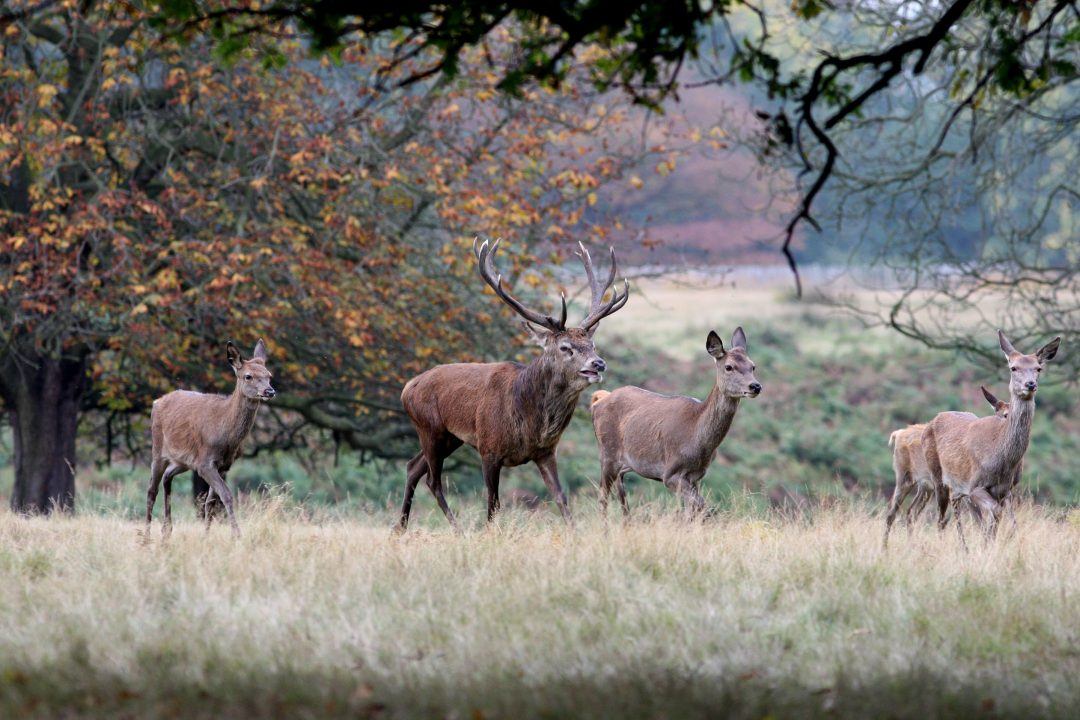
The mere smell of predators such as lynx is enough to reduce the amount of time deer spend browsing on young trees, a study has found.
The researchers said their findings highlight the importance of large predators in landscapes, and show how they – and even just their scent – could help reduce browsing from overabundant deer populations and support the recovery of forests.
The findings come as conservationists explore the possibility of reintroducing lynx into Britain, from where they vanished 800 years ago, to help tackle problems caused by too many deer hindering woodland regeneration, boost forest ecosystems and reverse declines in nature.
A recent assessment has found the cats could thrive if released in Northumberland, and 72% of people in the project area supported a potential lynx reintroduction – though some people have raised concerns about the impact on livestock such as sheep.
And rewilding charities have recently launched a consultation about a reintroduction to the Scottish Highlands, although the Scottish government has said it does not intend to allow the return of “large carnivores” in the foreseeable future.
The new study, published in the British Ecological Society’s Journal of Applied Ecology, applied lynx and wolf urine and scat, along with cow scent and water as a control, to separate plots of saplings in 11 locations in a forest in south-eastern Germany where wolves and lynx have been reintroduced.
They then used camera traps to record the reaction of red and roe deer in the woodlands, and monitored the saplings they had planted in each plot for browsing damage.
The study found deer visited less and spent less time browsing in the plots with predator scents, particularly the smell of lynx, leading to less damage to the saplings planted there.
The researchers, from the University of Freiburg, found that the deer showed a stronger response to the scent of lynx than wolves, likely because the cats are ambush predators that tend to stalk their prey from close range.
They also added that wolves were still establishing themselves in the area when the study was taking place, but the deer had more experience of lynx as predators.
While the experiment took place in forests where lynx and wolves have been reintroduced, the researchers said they would expect similar but “weaker” effects on deer in places such as the UK where the predators had long been absent.
One of the lead researchers, Walter Di Nicola said: “At a time when debates around large carnivore conservation often focus on conflicts, our study highlights the benefits these species bring to landscapes.
“The presence of carnivores, even just their scent, could help reduce the ecological and economic problems associated with browsing from overabundant deer populations.”
And he said: “In the UK, we would expect similar but probably weaker effects.
“Deer still have some innate fear of predators, even if those predators have been absent for generations.
“Where predators return, we expect these responses – and their ecological benefits – to become stronger over time.”
The researchers said that by “simulating a landscape of fear”, the study showed how the risk of predation by lynx could alter deer behaviour and reduce browsing pressure.
The reintroduction of lynx, which prey primarily on deer, would also directly reduce the number of herbivores eating saplings, they added.
So conservation strategies that introduce large carnivores into forests could offer a “natural, low-intervention solution” to tackling the problem of over-browsing woodlands by deer, they said.
Follow STV News on WhatsApp
Scan the QR code on your mobile device for all the latest news from around the country