
Clocks are set to go back one hour this weekend.
The change will occur on Sunday October 25 at 2am, switching from British Summer Time (BST) to Greenwich Mean Time (GMT).
Sunsets and sunrises will happen one hour earlier by the clock, meaning darker afternoons and brighter mornings.
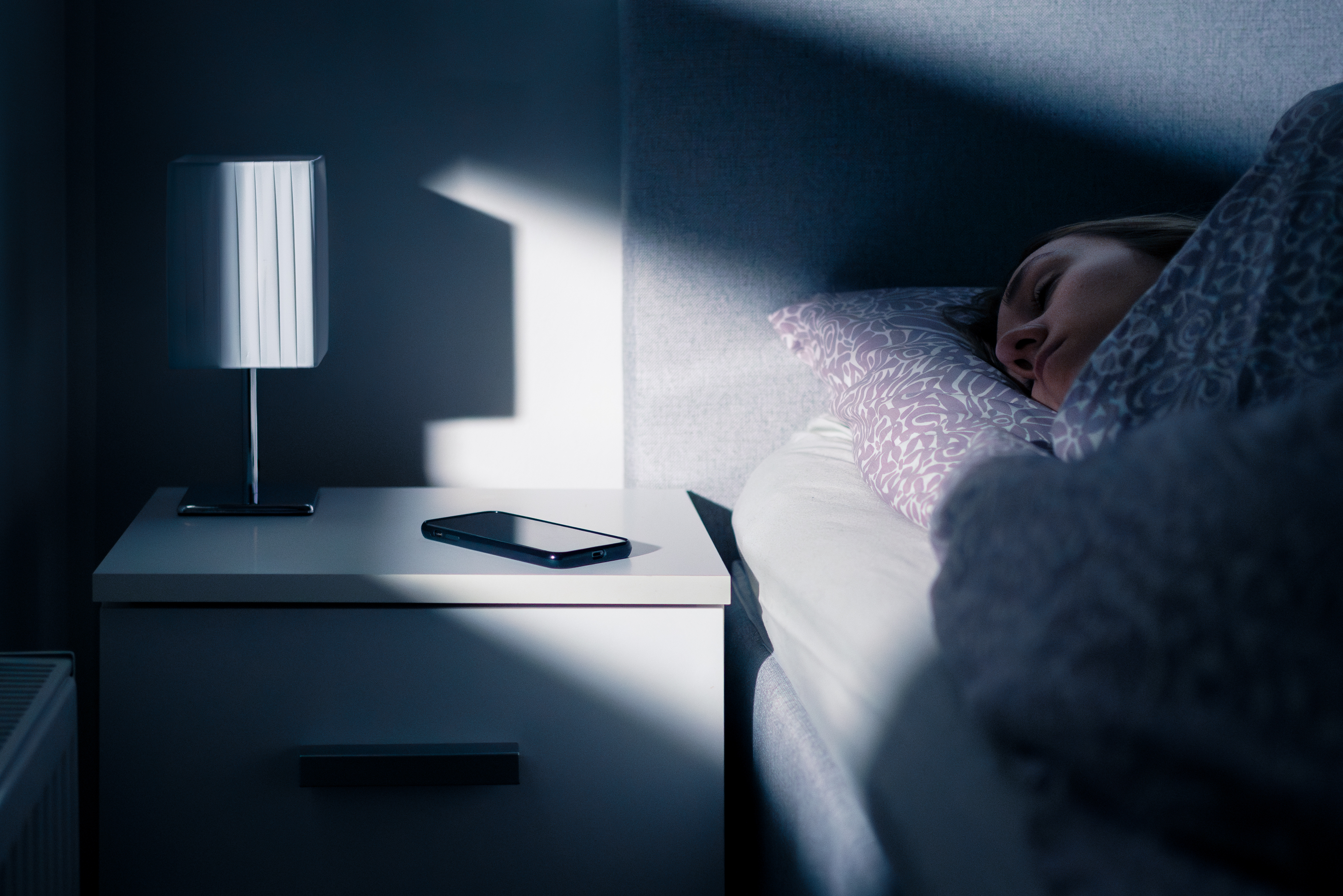
The clocks going back marks the return of darker evenings and the approach of winter.
The practice has been in place for over a century, having been introduced by Germany and its allies during the First World War.
Supporters and critics of daylight saving time have long debated its impact on issues including health, road safety and energy use.
 Adobe Stock
Why do the clocks change?
The campaign for British Summer Time came about at the beginning of the 20th century when parliament passed the Summer Time Act in 1916.
British builder William Willett led the movement, inspired by his love of the outdoors. He advocated for BST in his 1907 ‘Waste of Daylight’ pamphlet to increase opportunities for leisure and help reduce energy costs.
He suggested a plan which included 20-minute changes four Sundays in a row in April and September to minimise disruption to people’s biological clocks, arguing that they would “lose nothing and gain substantially”.
He died in 1915 before his vision would become a reality.
The following year, a simplified version of his proposal – a change of an hour – was introduced as the country suffered from huge coal shortages during the First World War.
It has undergone some changes: During the Second World War, Britain kept clocks one hour ahead of GMT through the winter and, from 1941, adopted British Double Summer Time, placing clocks two hours ahead of GMT during summer months. It was then returned to GMT at the end of summer 1945.
The harsh winters of 1946 and 1947 saw the country return to British Double Summer Time in the summer of 1947 due to severe fuel shortages.
The government adopted British Standard Time between October 1968 and October 1971 (GMT+1) as an experiment, but voted to end the practice. The current system has been in place since 1972.
Did you know Paisley once had its own time?

Insight Sean Batty Weather presenter
Did you know that Paisley used to be a different time from London? It was even called Paisley Time.
So here’s the difference: if it was 12 o’clock in London, in Paisley, it was only 11:42am.
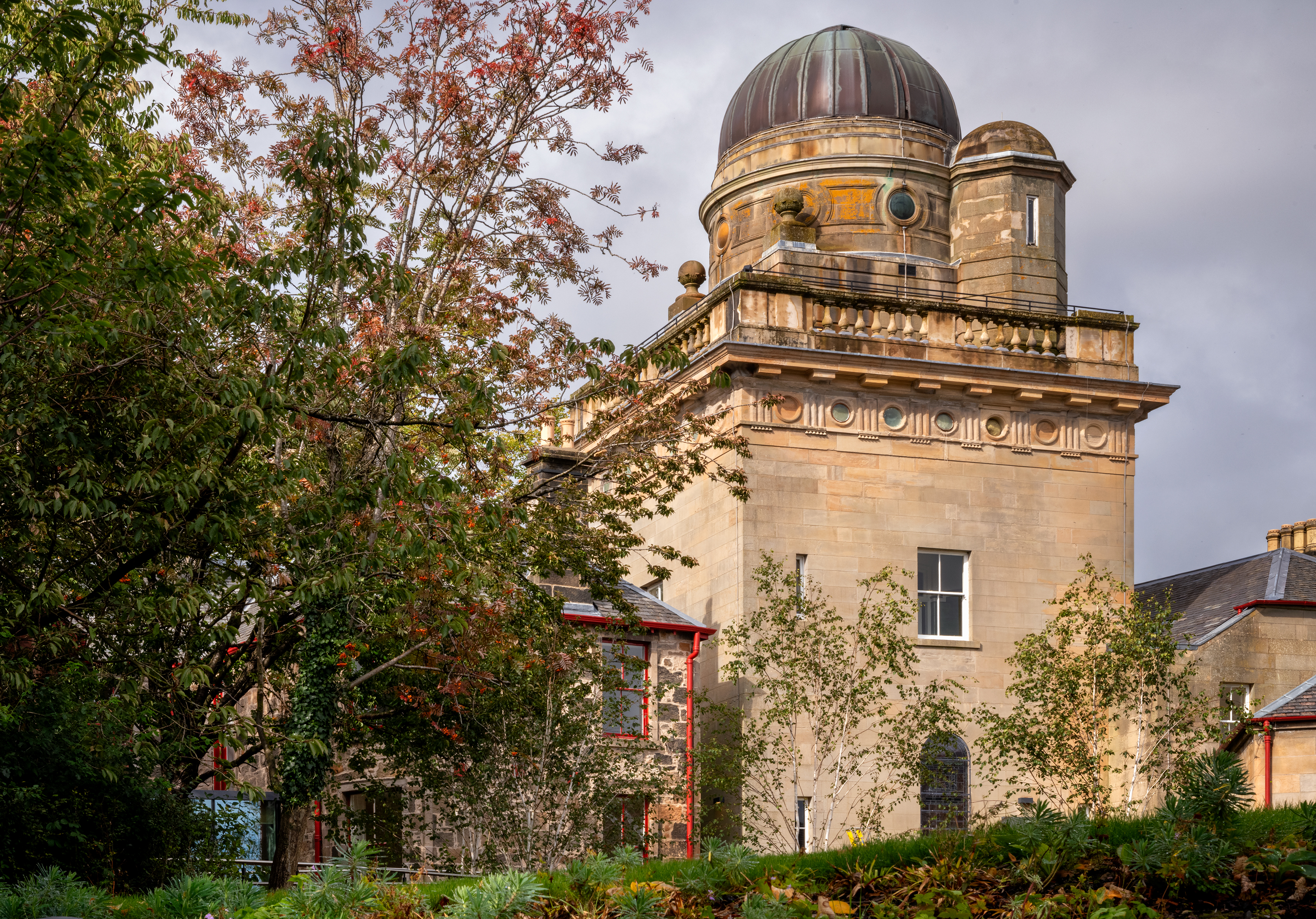
The time difference is rooted in astronomy and can be traced back to the town’s Coats Observatory, Scotland’s oldest publicly accessible observatory.
Before we all followed the same clock, towns and cities across the country had their own time using the sun.
Of course, as the Earth rotates, that means the sun reaches its highest point in the sky at slightly different times, depending on how far east or west you are of Greenwich Mean Time. Paisley is about four degrees to the west of that, meaning the sun reaches its highest point in the sky 17 minutes and 43 seconds later than it does in London.
This was where Paisley Time came from.
 OneRen/Iona Shepherd
It wasn’t unique to Paisley, of course. If we imagine it was midday in London, it was 11:52am in Aberdeen. What about the Western Isles? Well, on Stornoway, it was 11:35am.
If that’s the case, it means that New Year arrived at hundreds of different times across Scotland. So there were hundreds of New Years all in the one night.
But then railways arrived and people were travelling faster and further around, so having towns on different times just wasn’t practical anymore.That’s when Railway Time was introduced. It was the first standard time system, which eventually became what we now know as Greenwich Mean Time.
The Paisley Observatory kept the town’s time very accurate, and Paisley took its timekeeping so seriously they even put a meridian line through the town, which cuts its Transit House building in half.
It housed a telescope, which observers used to track the stars to give Paisley an extremely precise time.
So there you go. If you’re ever late, just tell them you’re running on Paisley Time. Wish that had worked years ago… I’m always running late.
Follow STV News on WhatsApp
Scan the QR code on your mobile device for all the latest news from around the country