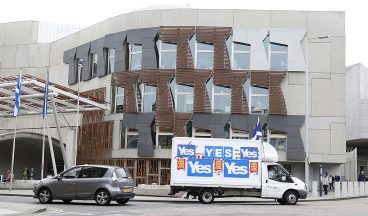
The Scottish Government’s Budget is set to pass without opposition from Labour.
The tax and spending plans for the upcoming year were laid out on Tuesday afternoon, ahead of May’s election.
It includes changes to income tax, increases for Scottish child payments, and separate taxes on mansions and private jets.
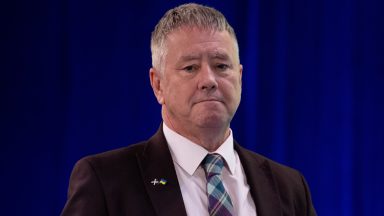
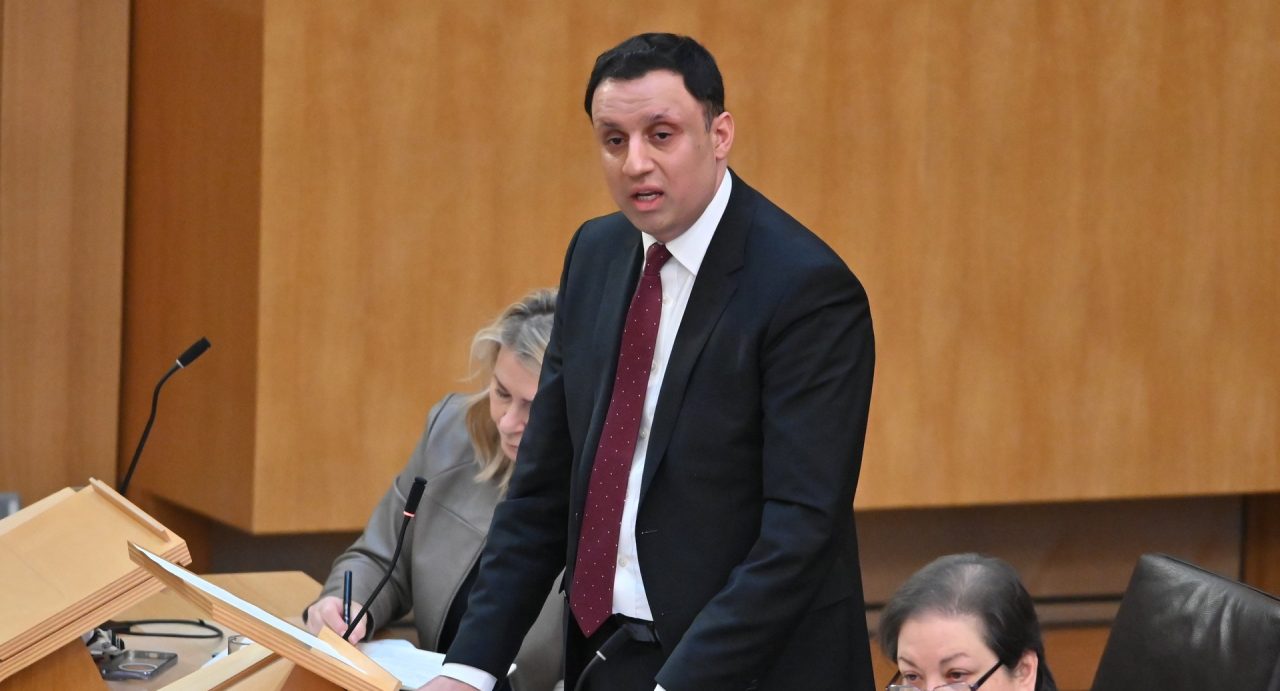
Scottish Labour leader Anas Sarwar told STV News on Wednesday that his party won’t oppose the plans, and it will therefore pass.
Sarwar admitted last week that his party is “not in a strong negotiating position” on the Budget.
He said his party was instead focused on May’s election.
Sarwar has insisted that only a change in government can deliver real change for Scots.
The minority SNP Government usually needs to find support from other parties for its plans to be approved, but with Labour’s promised abstention, the proposals are guaranteed to be approved.
Swinney previously insisted he was still keen to “work with others” and “create common ground” around the proposals.
Scotland’s finance secretary said there was a “brighter future” under her plans. However, critics have argued that the budget falls short and merely offers a “sticking plaster” for long-term issues.
Income tax
The thresholds for the basic and intermediate rates of income tax will increase by 7.4%, pushing more people into the lower bands. This means that most people will pay slightly less tax.
Taxpayers earning below the median income will save around £40 a year – or 75p a week.
The Scottish Fiscal Commission said on Tuesday that the increasing income rate thresholds will save taxpayers on basic and intermediate rate incomes £50m in 2026-27.
It is proposed that people will pay the Starter rate of 19% on income between £12,571 and £16,537, and people will pay the Basic rate of 20% on income between £16,538 and £29,526.
It means that fewer earners will be pushed into the 21% Intermediate tax bracket (£29,527 – £43,662).
However, finance secretary Shona Robison also announced further threshold freezes for the higher rate, advanced rate, and top rate thresholds in the coming years.
Freezing these higher thresholds raises additional revenue for the government as more taxpayers are dragged into paying tax at a higher rate as wages increase with inflation.
The phenomenon is known as “fiscal drag”.
“By raising the Basic and Intermediate rate thresholds by substantially more than inflation, this Budget once again provides tax support for low and middle-income earners,” Robison explained.
“It also means that the clear majority of taxpayers in Scotland can expect to pay less income tax than in the rest of the UK.
“By delivering fair and progressive tax policies, we continue to deliver higher investment in the NHS and policies like free tuition not available anywhere else in the UK.”
The Scottish Government stated that continuing to maintain the higher, advanced, and top rate thresholds at their current levels will provide “important additional revenue to invest in public services”.
It is estimated to contribute around £190m to the Scottish Budget through income tax in 2026-27.
“The combined effect of the threshold changes is an increase in revenues of £72m in 2027‑28 and around £200m from 2028-29 onwards,” the Scottish Fiscal Commission explained.
Scottish Child Payment
The Scottish Child Payment will also be increased per week for families with a child under one year old from next year, the finance secretary has said.
The benefit is a weekly payment given to low-income families in Scotland.
Robison revealed it would be increasing from £27.15 per week to £40 in 2027-28.
As well as the flat increase for under-ones, it was also announced it will increase in line with inflation from next April.
Mansion tax
 Adobe Stock
Two new council tax bands will also be brought in for homes worth more than £1m, as well as an updated valuation by April 2028.
The new bands will be created above the current highest band.
Band I will be for properties valued between £1m and £2m; and Band J will be created for properties valued above £2m.
The proposals say that the new tax bands will be based on up-to-date values for those properties only, with all other homes remaining on the existing Council Tax valuation framework.
“This is a targeted change, with fewer than one per cent of households affected, and seeks to ensure that those with the broadest shoulders contribute more, by requiring the highest value properties to pay higher charges,” the Budget says.
Robison said the measure will bring “greater fairness as well as increased revenues to councils”.
On council tax, the finance secretary claimed funding for local government was increasing by 2% in real terms, as she urged councils against large increases in levies.
“Decisions on council tax rates will, of course, be taken locally, however, this is a reasonable deal and given the cost-of-living pressures that we all recognise, I urge local authorities to translate the settlement into reasonable decisions on council tax,” she said.
Private jets and air travel
An airport departure tax will also be introduced by April next year, with a consultation on a potential exemption for the Highlands and Islands, while the private jet tax is expected to be implemented at a later date.
“I say to those who choose to travel by private jet in Scotland, you will pay and pay a fair share for that privilege and, in doing so, will be making Scotland a fairer nation,” Robison said.
Follow STV News on WhatsApp
Scan the QR code on your mobile device for all the latest news from around the country