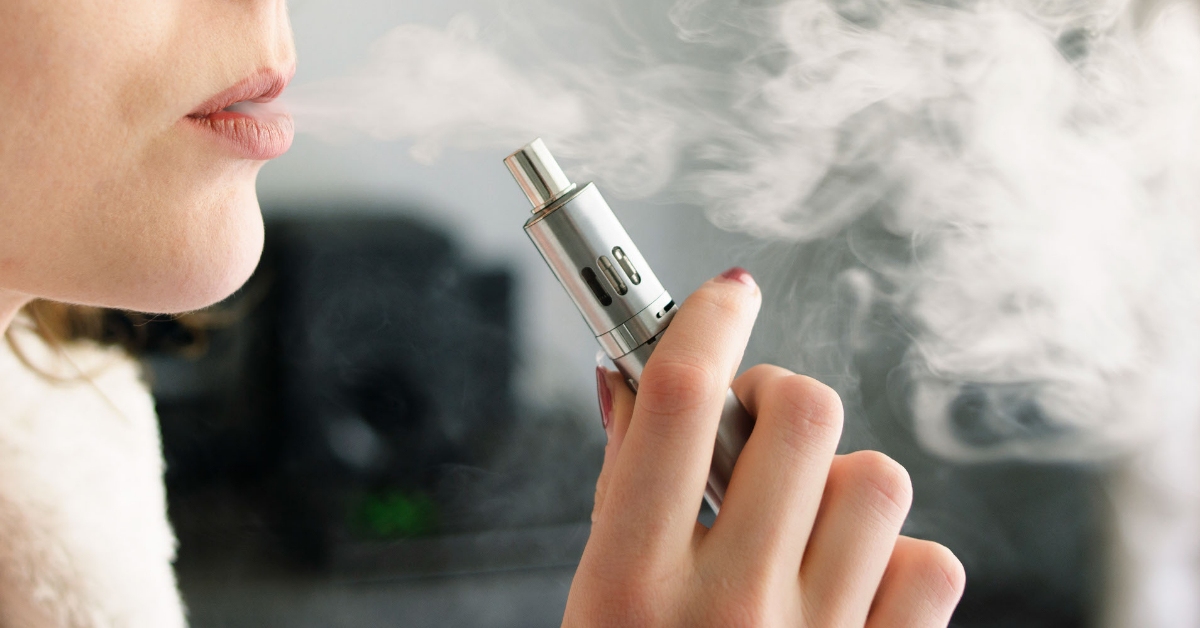
Pupils across Scotland are missing school and skipping class to vape in toilets, new research has found.
A study jointly led by the University of Stirling and the Scottish Centre for Social Research shows vaping is causing significant disruption.
Teens reported leaving lessons and missing classes to vape or use nicotine pouches, with some describing suffering from adverse health effects.
Staff said some young people are showing signs of nicotine addiction, according to the study.
Teachers said they are spending considerable time and resources responding to the issue, including patrolling school grounds and toilets.
The study involved focus groups and interviews with 77 pupils aged 14 to 16, and 13 members of school staff, across four secondary schools in Scotland’s central belt.
Dr Allison Ford, associate professor at the University of Stirling’s Institute for Social Marketing and Health (ISMH), said: “Pupils reported widespread use of NNPs (non-combustible nicotine products), such as vapes and nicotine pouches, and missed classes and played truant because they were using these products in a variety of places, including school toilets, and outside school grounds.
“A few pupils felt they were addicted to nicotine and reported adverse health effects.
“School staff adopted a range of approaches to address the issue, including regular patrols and sweeps of school areas, monitoring toilet facilities, and visiting neighbourhood shops to encourage more robust retail practices. They are also confiscating vapes and issuing exclusions or detentions for their use.
“However, staff said they have limited knowledge of vapes and nicotine pouches and felt less confident addressing the risks, compared with tobacco-related teaching. They called for more resources to support teaching about the risks of nicotine use among young people.”
One teacher told researchers: “I’ve got a… pupil who vapes every 20 minutes. Every 20 minutes. [They are] up ‘till four in the morning… [and] really struggling to get to classes.”
Another said: “There’s a couple, or maybe more than a couple, in here that are totally addicted to it… and they’ll tell you, they’re very upfront about it. So that is having an impact on behaviour, because it’s like if they don’t get out of class they’re getting more and more agitated.”
One pupil admitted they are taking steps to avoid being “caught” vaping: “I’ve been caught about five times…so you just need to realise what to do and what not to do.”
The school-based research was led by Dr Andy MacGregor, director of policy research at the Scottish Centre for Social Research.
He said: “School staff are spending a considerable amount of time trying to address vaping. Pupils are experiencing negative health effects and missing classes, while those who do not vape can find the atmosphere in school toilets intimidating.
“Staff also thought that tobacco use among pupils was no longer occurring, whereas pupils said that it was still an issue, although less common than vaping.
“Teaching resources covering vaping and nicotine pouch use and risks would support those delivering Personal and Social Education. Addressing the issue would allow staff and pupils to engage more fully in learning and focus on other priorities.”
The UK Government’s Tobacco and Vapes Act 2026 was granted Royal Assent on April 29.
It aims to introduce age restrictions to prevent under-18s from purchasing nicotine products, banning free distribution and enabling regulation of flavours, packaging, and display.
Richard Begg, head of learning and development at VPZ, said: “We are concerned by any report highlighting underage use of vaping or nicotine products, and we fully support efforts to prevent access to these products by anyone under the legal age.
“We believe the most effective way to address these issues is through a mandatory, enforceable licensing scheme for all retailers of vaping products and nicotine pouches.
“With the Tobacco and Vapes Act now in force, there is a clear opportunity to ensure such a licensing framework is introduced as part of its implementation.
“VPZ operates under strict Challenge 25 procedures, robust staff training, and full compliance with age verification laws.
“However, enforcement across the wider retail sector remains inconsistent, allowing non-compliant operators to undermine responsible businesses.
“A national licensing system would strengthen enforcement, improve consistency, and help prevent underage access to these products.”
Follow STV News on WhatsApp
Scan the QR code on your mobile device for all the latest news from around the country