 Twitter
The official Scottish Midge Forecast has launched with a new interactive map, giving users a more detailed picture of midge activity across the country.
The forecast, available at https://www.smidgeup.com/midge-forecast/, has been revamped to show the percentage chance of midges in a specific area rather than the previous one to five risk scale.
Users can search for their town to find current midge levels. This week, Lochinver in Sutherland recorded a midge probability of 48%, while Stornoway in Lewis recorded 28% and Inverness showed a 20% chance.
The updated forecast has launched as the first large hatch of midges of the year has been recorded, with more expected in the coming weeks.
Dr Alison Blackwell, director of APS Biocontrol in Dundee, which runs the Scottish Midge Forecast, said the new map allows users to receive more accurate local readings.
“We’ve been running the Scottish Midge Forecast since 2006, relating midge population patterns to a variety of weather and habitat features,” she said.
“We’ve always had a lot more data than the one to five midge risk scores used to date, giving us the capacity to home into areas more accurately if needed, picking up more subtle changes in midge populations.
“Given enquiries of midge activity for specific towns/tourist spots and also comments that the forecast didn’t change much in some areas, this year we decided to make better use of the data we have, resulting in the graduated colour map.
“The map also takes advantage of new mapping and display software, with the results looking just as good on a phone as a PC.
“The hex format gives a greater capacity to zoom in, allowing us to present forecasts for areas that were previously missed.
“We are also working on an accessible version for individuals who are color blind, which we recognize as one limitation of the new-look forecast.
“We are continuing to monitor the forecast outputs but so far, feedback from our social media channels has been very promising.”
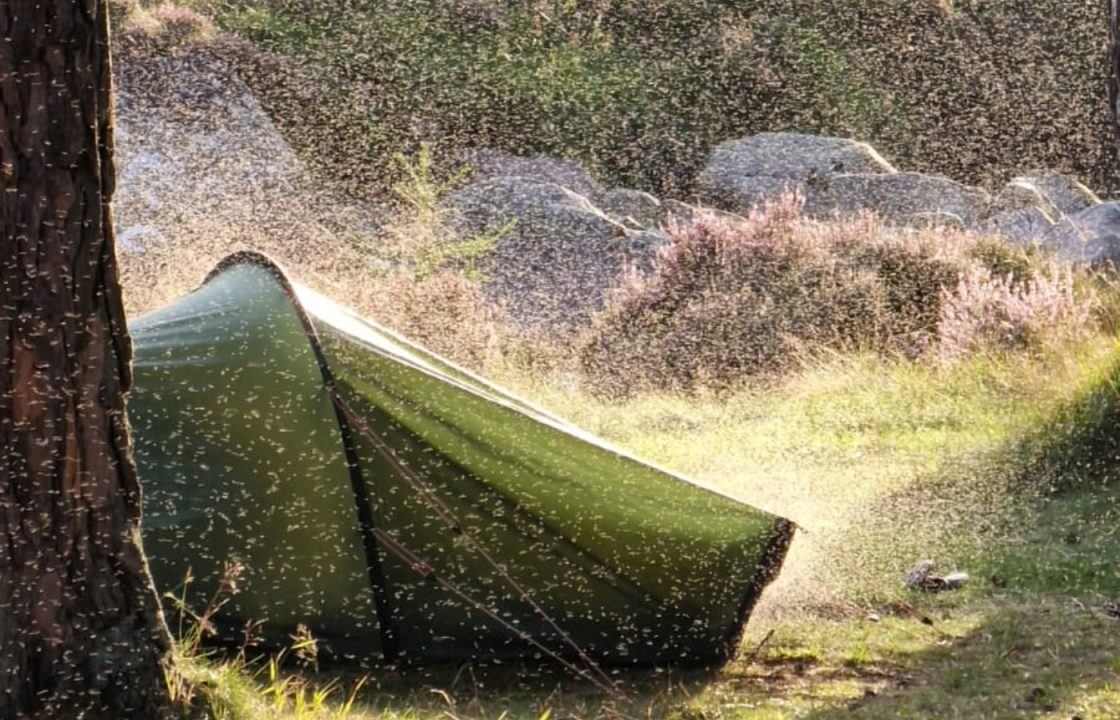
Midges are tiny flying insects with a wingspan of only 2-3mm. There are over 35 different species of biting midge in Scotland, but it is cculicoides impunctatus, otherwise known as the Highland Midge, that earns its place as Scotland’s most ferocious foe.
It is only the female midge that bites. They emerge with enough fat reserves to mature their first batch of eggs, but need a blood meal to provide subsequent batches with the nutrients they need to grow. Meanwhile, the males suck on plant nectar and in this species are no trouble at all.
Follow STV News on WhatsApp
Scan the QR code on your mobile device for all the latest news from around the country