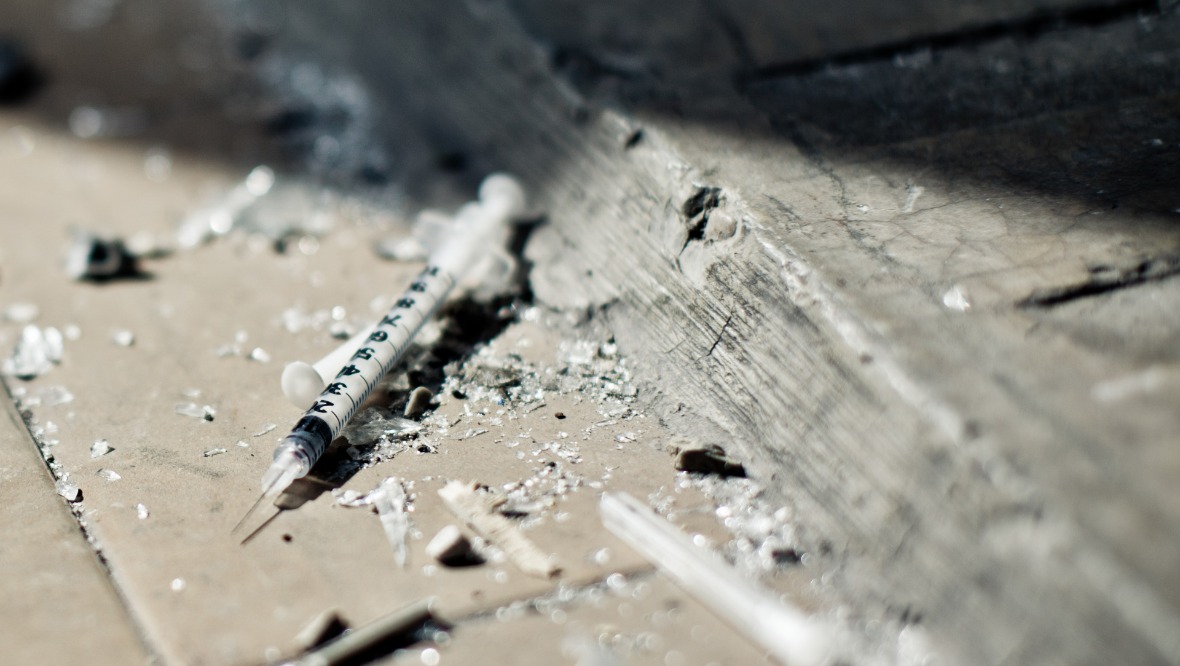
Drug deaths in Scotland rose by 11% to 1,133 in 2025, with the rate of deaths remaining the worst in Europe, according to new figures.
The latest figures from the National Records of Scotland (NRS) show the number of deaths increased by 116 compared with 2024.
It means more than 11,000 people have died from drug use in Scotland over the past decade.
The drug death rate, adjusted for age, was 21.4 deaths per 100,000 people in 2025 – around four times the rate recorded in 2000.
NRS records a drug use death where drug poisoning is identified as the underlying cause, a controlled substance was present in the person’s body and drug use directly contributed to their death.
The figures show that men accounted for much of the latest increase, with deaths among males rising by 19% compared with 2024.
Deaths among women fell by 5%.
In 2025, 830 men and 303 women lost their lives because of drugs, the Scottish figures showed, with the total number of deaths the sixth highest on record.
Synthetic opioids known as nitazenes were implicated in 247 deaths last year, with etonitazene the most commonly identified substance.
‘Cocaine implicated in over half of deaths’
Cocaine was implicated in over half of all drug use deaths in 2025, (52%, or 589 deaths), which is an increase of 23% compared with 2024.
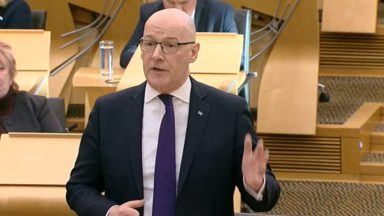
Alcohol and drugs minister Maree Todd has raised concerns about an “increasingly toxic and unpredictable drugs supply” in Scotland.
She said: “My heartfelt condolences go out to everyone who has lost a loved one to drug use. Each and every death is a tragedy, and even more so because every life lost to drug harms is preventable.
“Against an increasingly toxic and unpredictable drugs supply, this rise is deeply concerning and unacceptable. The increase in deaths involving cocaine, and the continued threat from dangerous synthetic opioids like nitazenes, must drive more coordinated action across the country.
“We have taken important steps forward, including funding more than 1,100 residential rehabilitation placements last year and widening access to treatment and life-saving naloxone. However, despite these policy interventions, and the actions of our valued frontline workers, it is clear we need to do much more to reduce this tragic loss of life.
“Our new Alcohol and Drugs Strategic Plan will strengthen surveillance, deepen links between treatment, housing and other services, and target support at the communities most at risk. I have also announced today that Scotland’s first local drug-checking service will open in Glasgow this October – building on the UK’s first safer drug consumption facility.
“Whilst we are using every lever available through our devolved powers, it is clearly now vital that the UK Government work with us to transfer the greater powers over drugs policy that we require to treat drug harms fully as a public health issue.”
In Cahootz Creative Director Kate Black said: “The National Mission funding has allowed us to expand the range of activities available through our Creative Citizens Project. Taking part in creative activities can increase confidence and give people a sense of purpose and belonging.
“Building connections and becoming an active part of a community can play an important role in recovery. Our project helps people develop those connections and supports them to build a better quality of life.”
Paul Bowley, chief executive of Abbeycare, one of Scotland’s leading residential rehab and detox services, called the latest figures a “tragedy”.
He said: “Every single death recorded in these annual figures is a tragedy, and represents a life that mattered and a family left devastated.
“Scotland remains in the grip of a drugs death crisis, which is being made even more difficult to control by the emergence of new synthetic opioids and other substances.
“It is clear that the national mission to reduce the harms caused by drugs has much work still to do, with more investment needed in treatment and recovery services and clearer pathways for people to seek help.
“We know that residential rehab is one of the best ways to achieve a lasting recovery, and we stand ready to assist, working alongside other crucial interventions and services.”
Follow STV News on WhatsApp
Scan the QR code on your mobile device for all the latest news from around the country