 RSPB
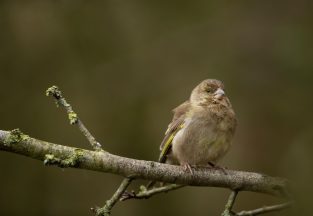
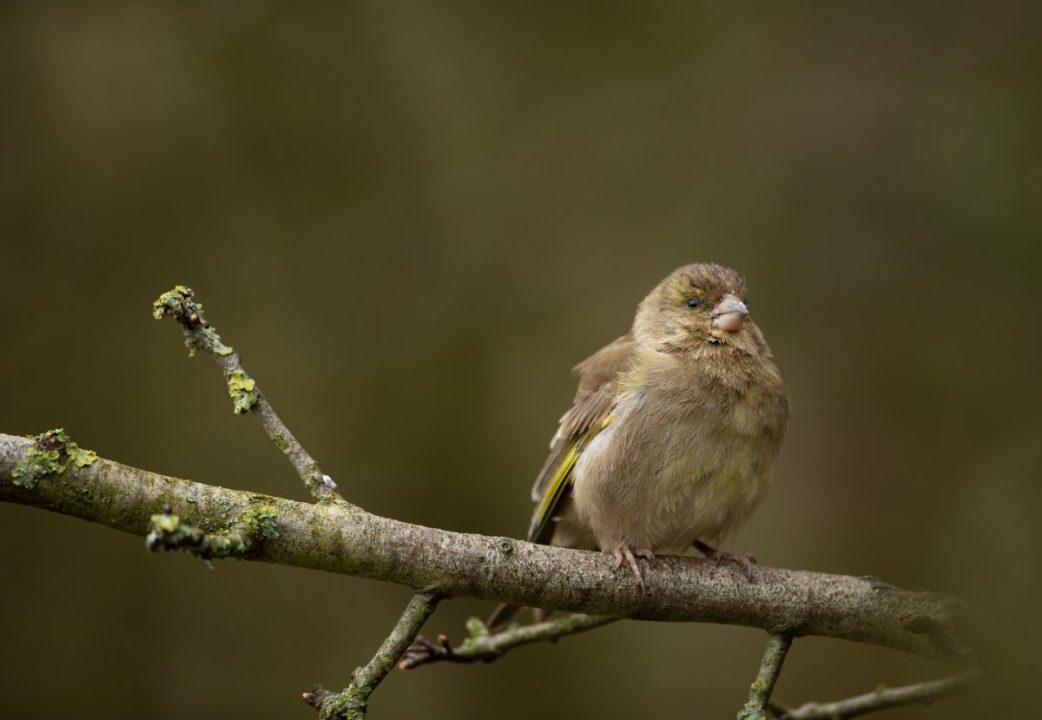
RSPBThe RSPB has issued a feeder warning to help protect one of Scotland’s most under‑threatened garden birds, after numbers fell by almost two‑thirds.
The charity says Greenfinches have declined by more than 65% since the mid‑1990s, equating to the loss of over two million birds across the UK.
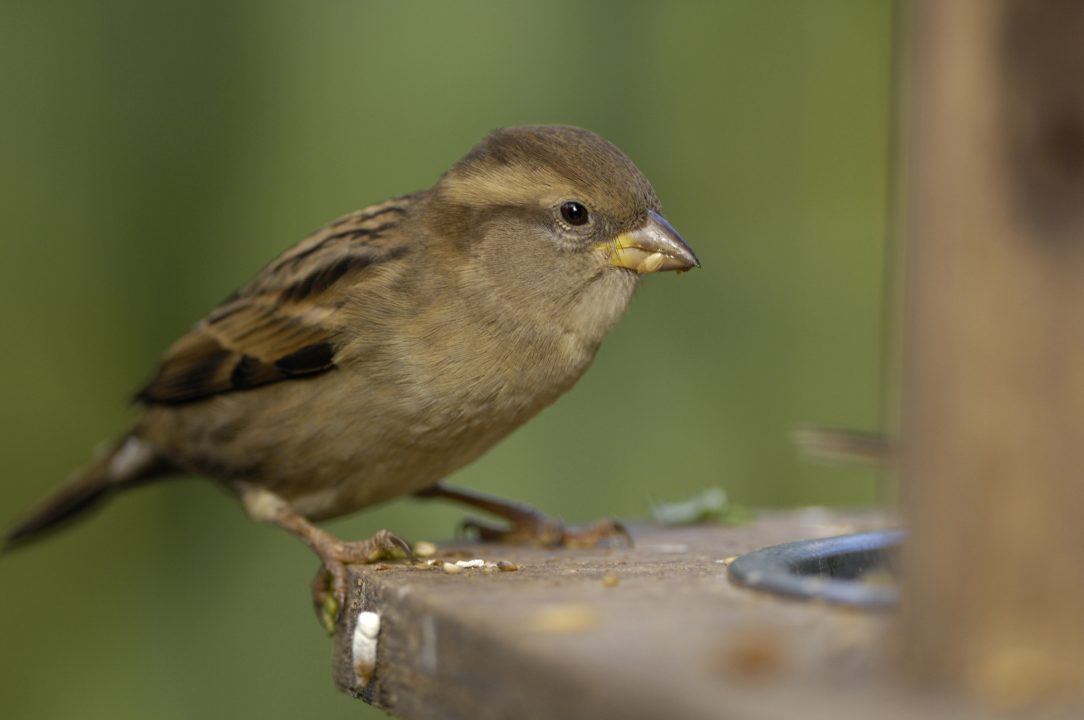
Results from this year’s Big Garden Birdwatch show that the House Sparrow once again topped the rankings in Scotland, followed by the Starling, with the Blue Tit climbing two places into third.
Chaffinch and Blackbird complete the top five most recorded species in Scottish gardens.
Further down the list, the Greenfinch placed 18th, with experts pointing to disease as a major cause of its decline. In particular, a disease called trichomonosis spreads more easily when birds gather at feeders – especially during the summer and autumn months.
 RSPB
RSPB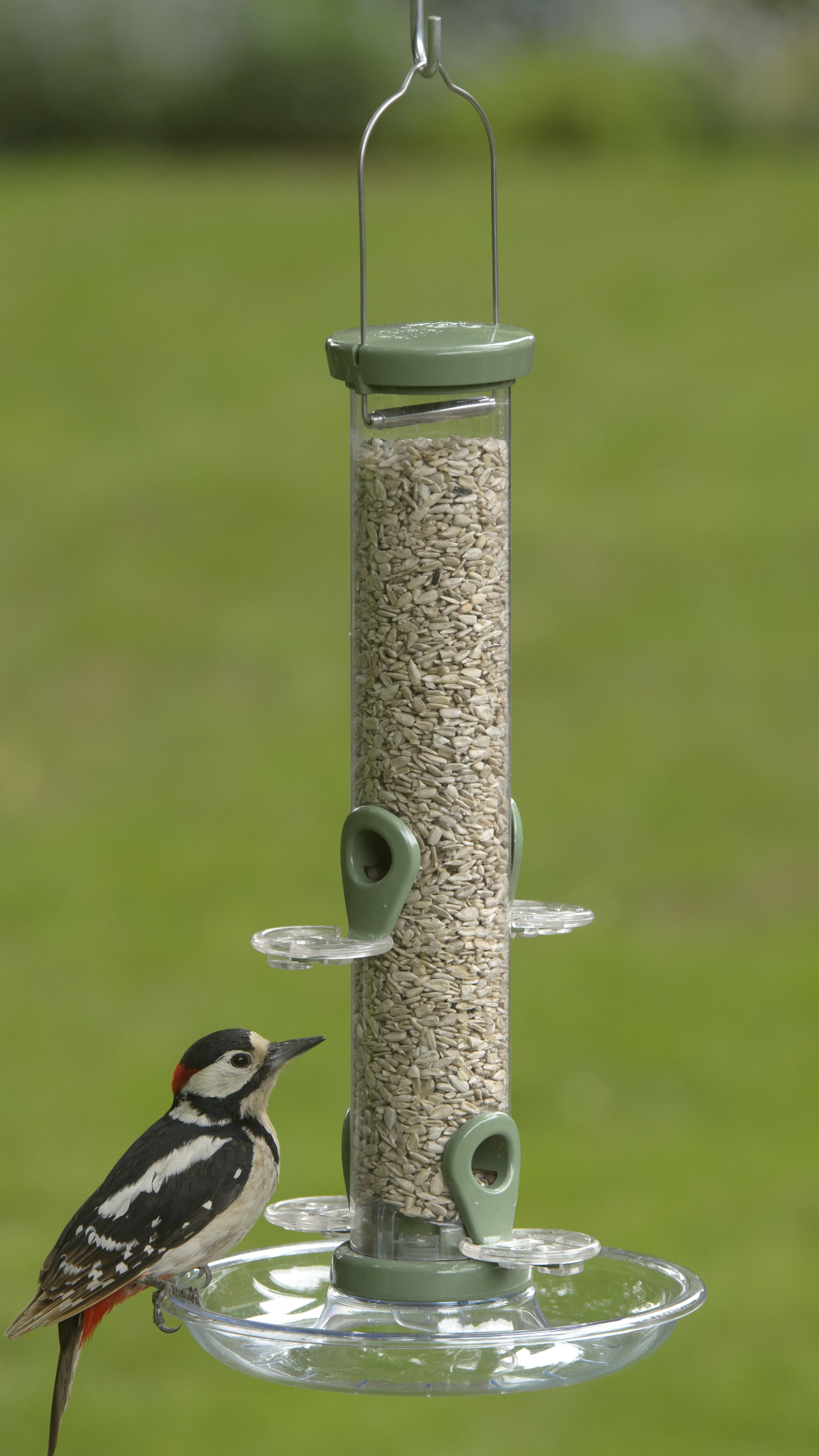 RSPB
RSPB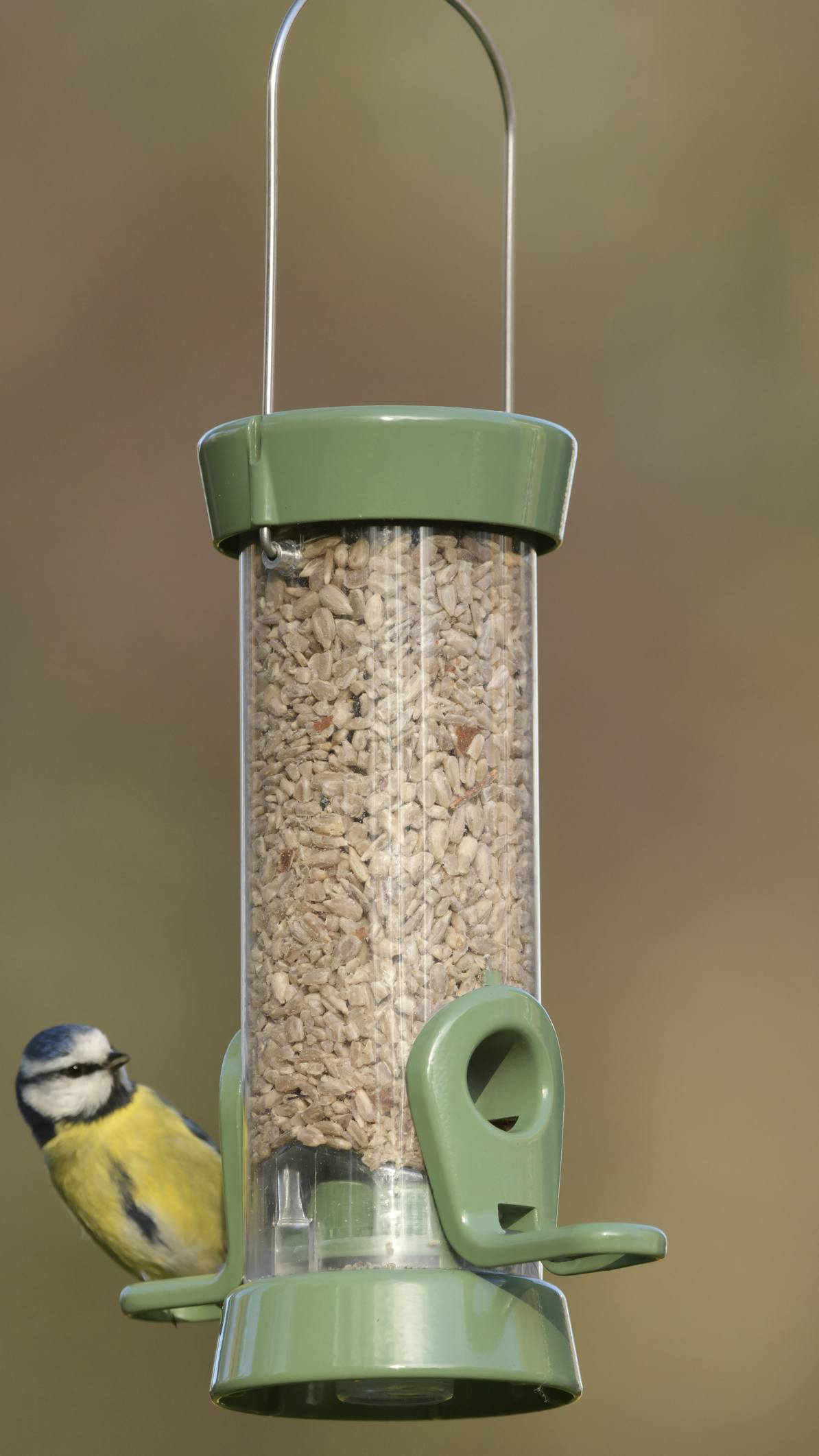 RPSB
RPSBThe disease causes lesions in the throat, making it hard to swallow, resulting in lethargy, puffed-up plumage, wet feathers around the bill, and regurgitation and is spread through contaminated food and water.
As a result of disease‑related declines, Greenfinches are now on the UK Red List.
More than 47,200 people across Scotland took part in this year’s Big Garden Birdwatch, recording over 815,840 birds of more than 80 species. The annual survey, first launched in 1979, provides a vital snapshot of how common garden birds are faring.
With the help of other experts, RSPB scientists have taken a fresh look at garden bird feeding. While there are clear benefits, the charity says there are also risks that need to be managed more carefully.
RSPB Scotland director Anne McCall said: “Feeding birds is something millions of us love and value, but the science shows us that birds such as Greenfinches have been affected by the spread of disease at feeders.”
The RSPB is now advising people to make simple seasonal changes to protect bird health in the long term. The message is clear: Feed safely. Feed seasonally.
 RSPB
RSPB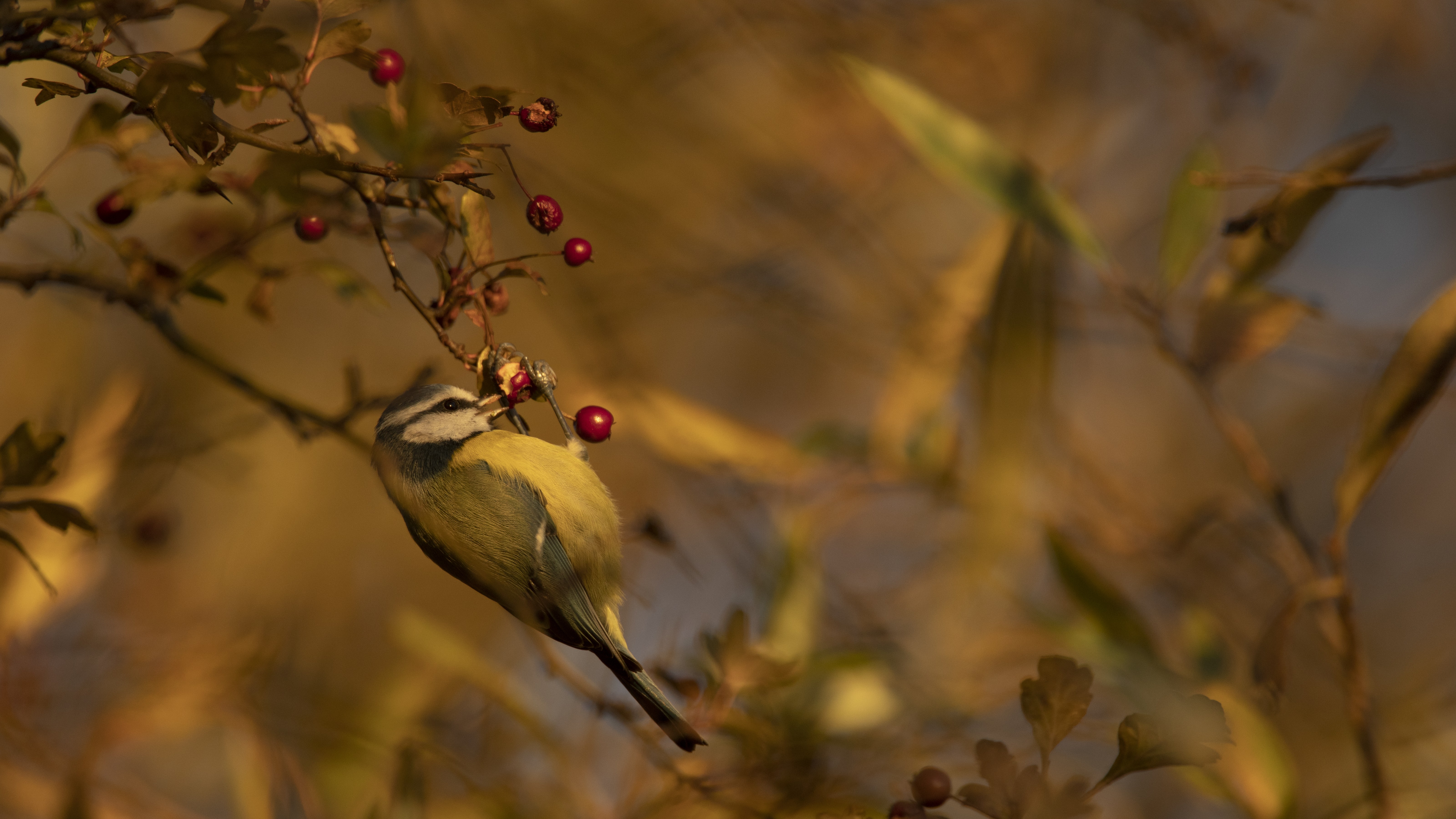 RSPB
RSPBFrom May 1 to October 31, people are being encouraged to pause putting out seed and peanuts, to reduce the number of birds gathering in one place. Small amounts of mealworms, fat balls or suet can still be offered year‑round.
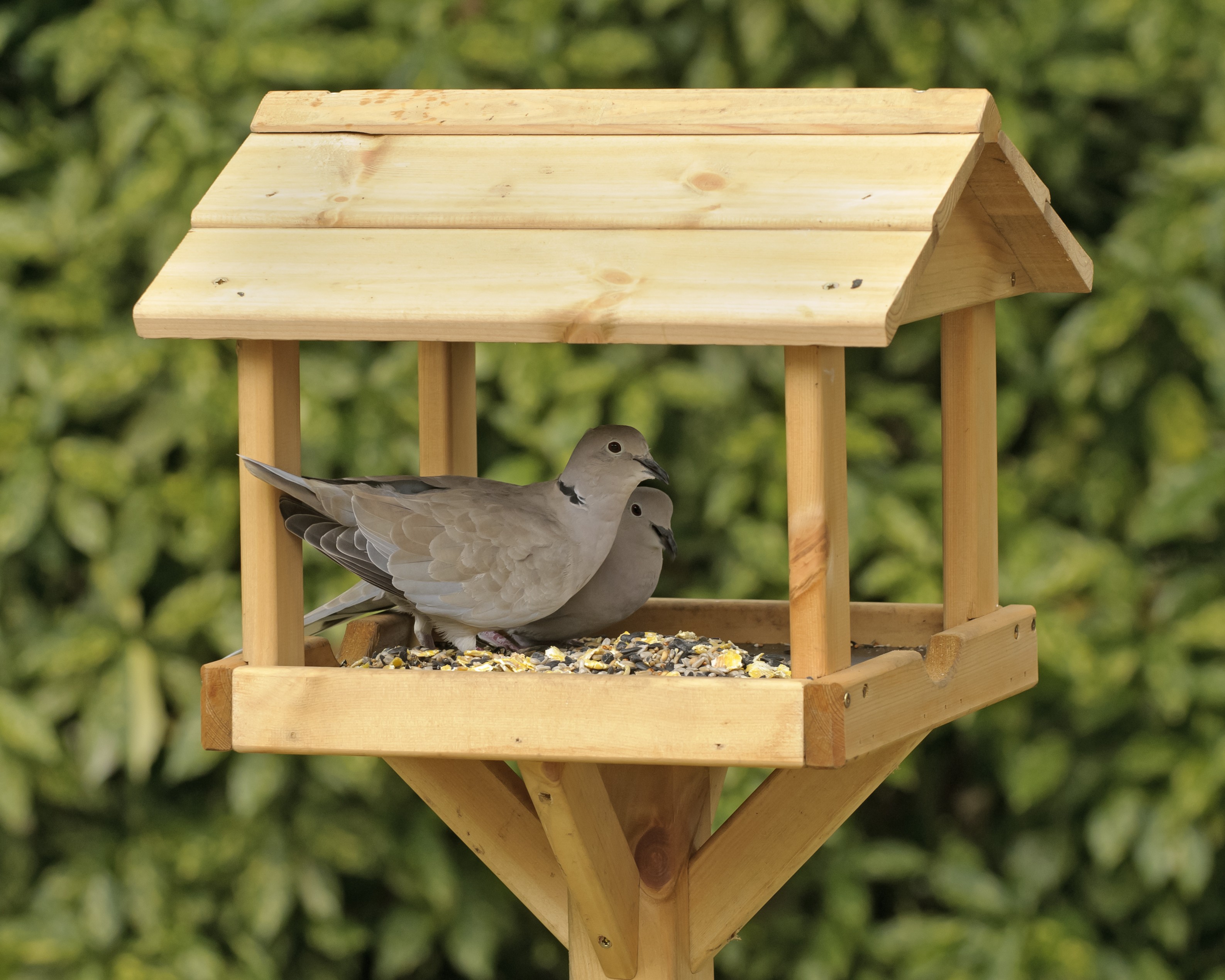
The charity is also stressing the importance of hygiene: Clean feeders weekly and move them to different locations after cleaning; Change water daily, and clean bird baths weekly; Retire flat‑surfaced feeders, including bird tables, where contaminated food can collect.
The RSPB also highlights the value of bird‑friendly planting, such as sunflowers, teasels and ivy, to provide safer natural food sources and support insects.
Anne McCall added: “We’re not asking people to stop feeding, just to feed in a way that protects birds’ long‑term health. By making small changes together, we can ensure garden feeding continues to be a positive force for nature.”
The Big Garden Birdwatch is the world’s largest garden wildlife survey, with participants counting the maximum number of each species seen during a one‑hour period over the last weekend in January. This year also saw a record 143,000 pupils take part in Big Schools’ Birdwatch across the UK.
Follow STV News on WhatsApp
Scan the QR code on your mobile device for all the latest news from around the country