 STV News
Prisoners serving sentences of less than five years could be released after serving 30% of their jail term under new Scottish Government proposals.
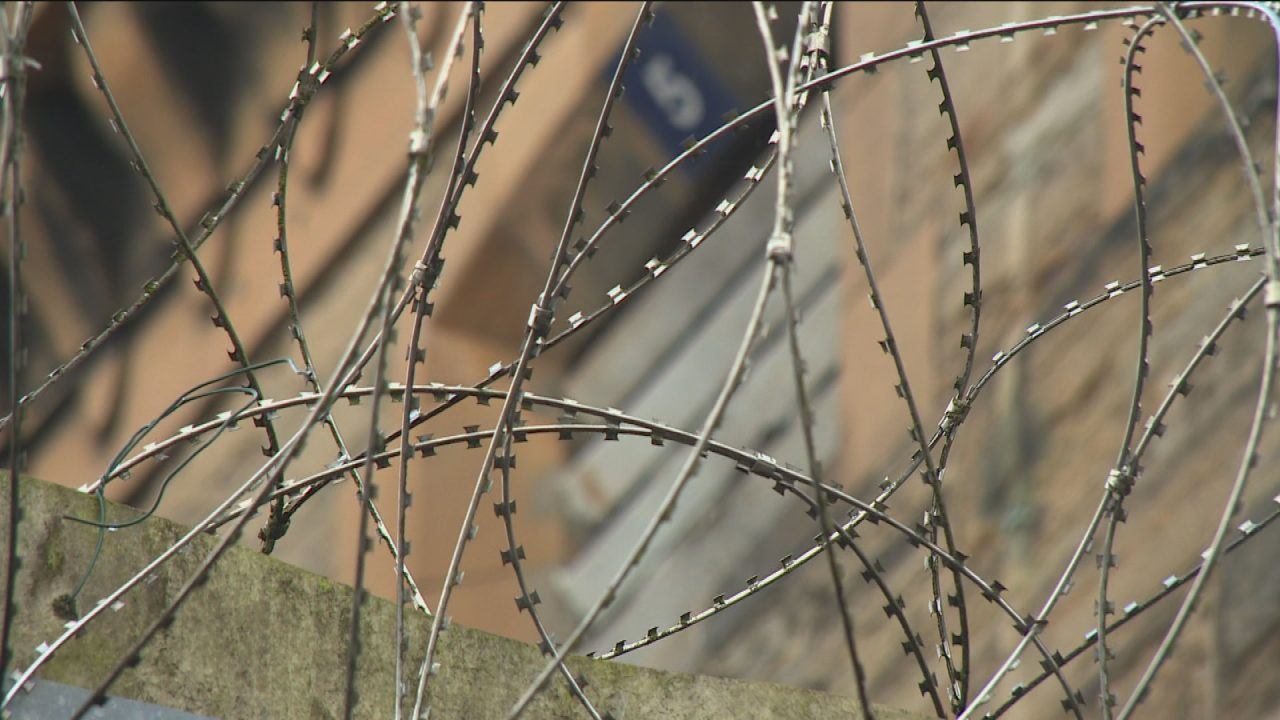
The plans come as Scotland’s prison estate continues to struggle with overcrowding, with 8,459 inmates currently held across the country’s jails, which are designed to accommodate 8,007 prisoners.
Justice secretary Neil Gray unveiled an eight-week public consultation on a series of reforms aimed at easing pressure on the prison system at the Scottish Parliament on Thursday.
Among the proposals is an increase in the presumption against short custodial sentences, extending it from 12 months to 24 months.
The consultation also proposes changes for long-term prisoners, who would be released on licence after serving two-thirds of their sentence, replacing the current system under which release typically occurs six months before the end of a sentence.
The Government is also proposing to redefine “short term sentences” as those of less than five years, rather than the current threshold of four years.
The change would allow prisoners serving sentences under five years to be released after serving 30% of their term.
The consultation will run for eight weeks before the Scottish Government considers whether to proceed with the proposed changes.
Gray said the reforms were intended to address growing pressures on the prison system while maintaining a focus on rehabilitation and reducing reoffending.
“I recognise that these proposed changes are bold and hope this can contribute to thoughtful debate on the consequences of not addressing a rising prison population and also the outcomes of any sentence for a crime committed,” the justice secretary said.
“Justice to be served, and no further reoffending to happen.
“Therefore, change is needed and the consultation provides an opportunity to hear the views of victims, partners and the wider public on all of these measures.
“I can assure members that my officials and I will continue to work with victim support organisations throughout this process.
“I have already stated it is right to invest in the prison system, but in doing so we must recognise the purpose of prisons is not punishment alone.
“Prisons need to facilitate important rehabilitative work, contributing to the whole system commitment of reducing reoffending and protecting victims now, and in future.
“Every decision to expand the prison estate must be carefully assessed and supported by wider policy and practice changes that protect the public purse and preserve capital investment for other priorities, including on building schools and hospitals.
“I believe that the proposals outlined today will help us strike the right balance between recognising the concerns of victims and survivors, and charting a clear course towards a sustainable prison population in the long term.
“Taken together, they will ensure that prevention is at the heart of our justice system, with prisons housing those who pose the greatest risk to communities, rehabilitating them effectively to support successful reintegration into society, and, ultimately, reducing crime and protecting the public.
“Less crime, fewer victims – something we all wish to see.”
Two new prisons are currently being built in Glasgow and the Highlands.
However, Gray confirmed that construction of the Highland facility has been delayed until next spring due to building issues.
‘Weakening of Scotland’s sentencing system’
Scottish Conservative justice spokesman Stephen Kerr said the plans would reduce the amount of time some offenders spend in custody and weaken Scotland’s sentencing framework.
“Instead of tackling soaring court backlogs, reducing the remand population, and expanding prison capacity, SNP ministers have once again chosen the easy option – cutting the time offenders spend behind bars,” he added.
“This marks another significant weakening of Scotland’s sentencing system. Redefining a ‘short prison sentence’ from under four years to under five years will allow many offenders convicted of serious crimes to spend substantially less of their sentence in custody.
“Coupled with plans to allow more long-term prisoners to spend the final third of their sentence in the community, and extending the presumption against prison sentences to 24 months, these proposals send exactly the wrong message to victims and offenders alike.”
Debbie Adams, interim chief executive of Victim Support Scotland, said: “Early release schemes have not been the answer to a sustained reduction in prisoner numbers. We are glad that the Scottish Government is considering a more holistic, evidence-based approach, and that victims’ voices will be highlighted through this consultation.
“Victims of crime must be brought along on this journey. In the face of data that shows serious crimes are on the rise, the Scottish Government must prove that victims’ safety and rights will be prioritised and ensure that any measures are properly resourced.
“We must hold the Scottish Government to account in terms of investment in the community services that will prove essential for prisoner rehabilitation. We welcome any measures that will reduce reoffending, but any alternatives to custody must be constantly assessed to ensure they are working to reduce the number of people impacted by crime.
“Central to the future success of these proposals is a commitment to victim communication, so that people know exactly what these changes might mean for them, in plain language.
“Our utmost concern is people impacted by crime and how we can support them. They need to know that support is out there, and we would urge anyone who is worried about a perpetrator in their case, or has any other concerns after a crime, to get in touch with us for free, confidential support and advice.”
Follow STV News on WhatsApp
Scan the QR code on your mobile device for all the latest news from around the country