A new personalised cancer vaccine, which is being trialled by patients in Scotland, could change the way doctors treat the disease in the future.
The vaccine has been given to people with high-risk melanoma along with immunotherapy, and experts say early results have been promising.
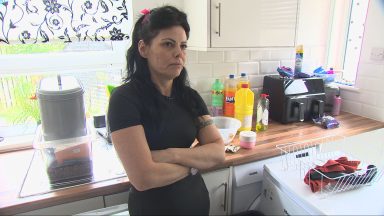
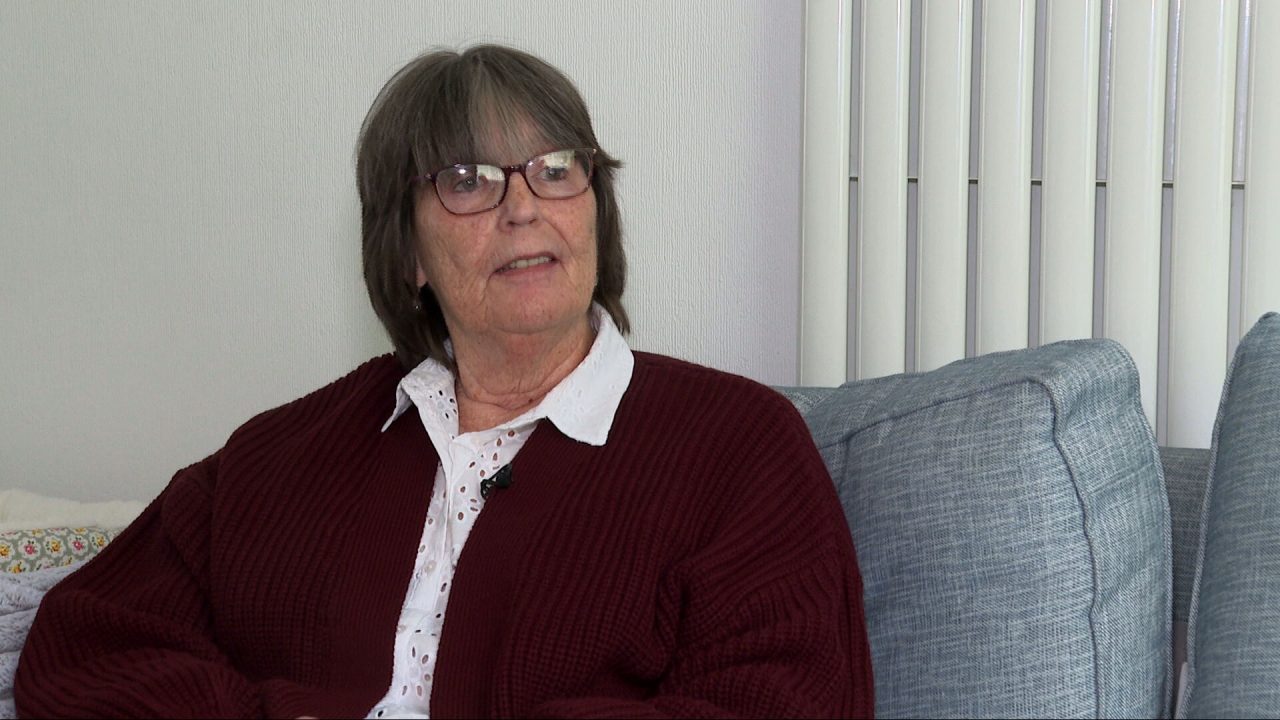
Jennifer Schickhofer, who has been living with the disease for 35 years, is just one of the participants in the study.
She spent years enjoying life in the sun, having lived in various hot countries before moving back to Scotland.
Upon her return, dermatologists discovered more than 15 melanomas on her body.
 STV News
Jennifer told STV News: “The dermatologist discovered more and more; they were appearing, and that’s when it really hit my family and me. But I had to accept it.
“All I could do was cover myself up when I was going out into the sun, and the sun cream was very important.”
Three years ago, a biopsy revealed Jennifer had stage 3 melanoma, and that the cancer had spread to her lymph nodes.
“A big blister had appeared but never disappeared. So I went to my local GP, and he referred me again to dermatology,” she said.
“They took a biopsy and everything, and that’s when they discovered it was the navoid cancer.”
Not long after her diagnosis, Jennifer was invited to take part in an international trial for a personalised cancer vaccine at the Edinburgh Cancer Centre.
Using technology similar to that behind some of the Covid-19 vaccines, the treatment is tailored using cells taken from the patient’s own tumour.
Given alongside immunotherapy, the aim is to stop the cancer returning.
While still at an early stage, scientists say the results are encouraging.
 STV News
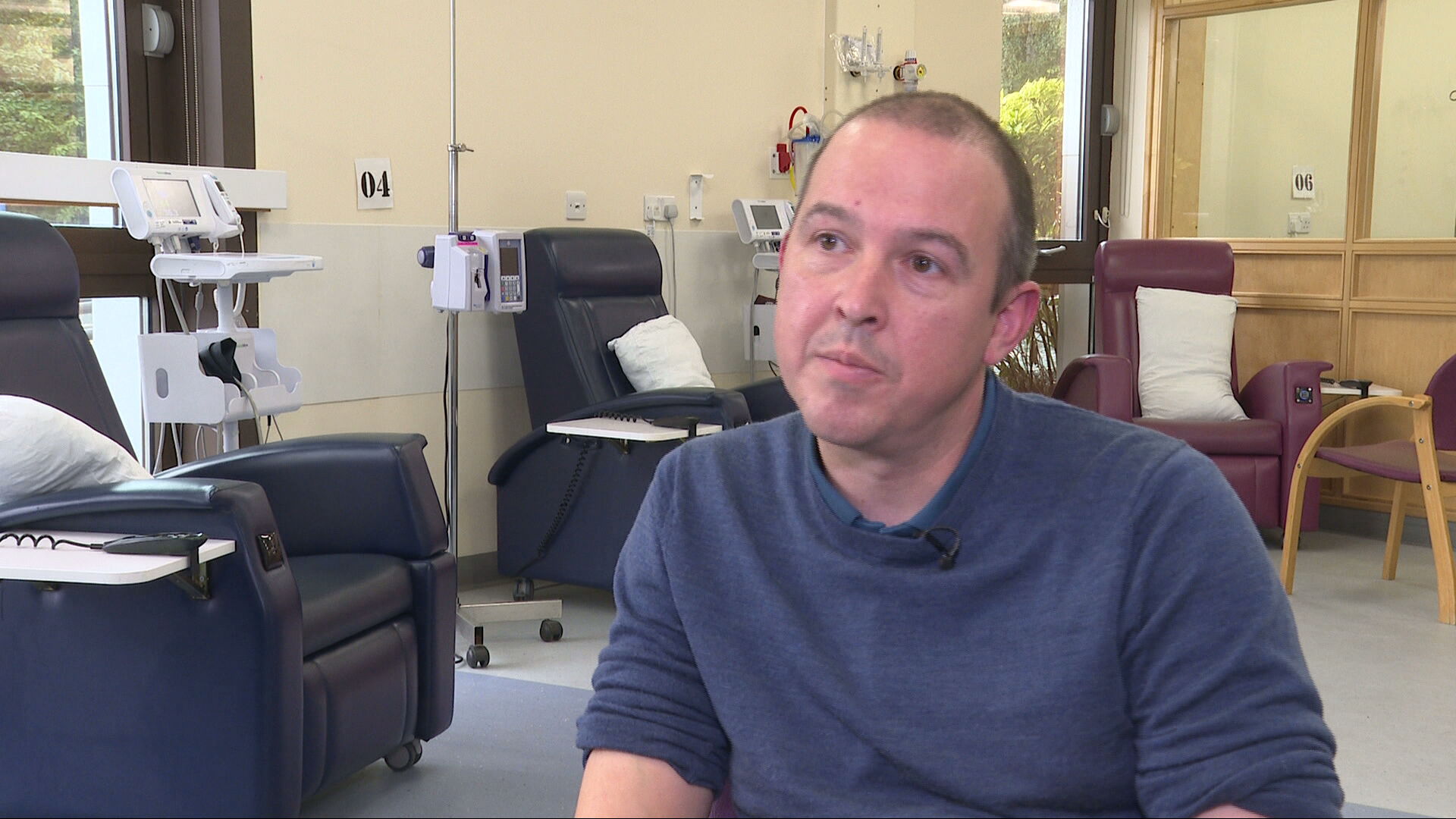
Mark Stares, consultant medical oncologist and senior clinical research fellow at the University of Edinburgh, led Jennifer’s care as part of the worldwide clinical trial.
He explained: “This is really exciting because it’s the first big study using these personalised cancer vaccines that is positive, although we still don’t know the full results.
“What’s really important is that these studies have been happening in other cancer types as well. So, for instance, we had the same type of vaccine open in a kidney cancer clinical trial here in Edinburgh just after Jennifer was enrolled in the melanoma one as well.
“It’s really important because for us this is proof of principle that these treatments could work, and I hope they do work for other cancer types as well.”
For Jennifer, being part of the trial has not only been fulfilling but has also provided a distraction from her diagnosis.
“I couldn’t do anything about it myself anymore, so why not. It was very rewarding that it has turned out to be a positive thing,” Jennifer said.
While the findings are still at an early stage, it’s hoped this could be a new way to treat cancer in the future.
Follow STV News on WhatsApp
Scan the QR code on your mobile device for all the latest news from around the country