 STV News
The parents of a teenager who died after being spiked with ecstasy are pleading for changes to the law to protect other families from the same heartbreak.
Greg was just 18 and studying at Edinburgh College when he was found dead in his halls of residence.
Tests found the equivalent of five ecstasy tablets in his system. His parents believe his soft drink had been spiked.
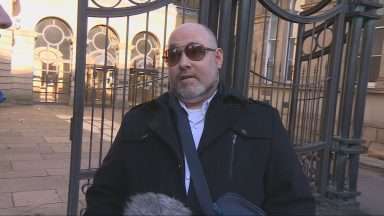
“It has left a big hole in my heart,” Colin Mackie told STV News. “There always will be.”
Mandy Mackie added: “It totally changed our lives. We lost Greg and there was no one there for us. We had no one to talk to. That’s when we decided ‘we can’t let this happen to anyone else.”
Since then, they’ve been campaigning to raise awareness of the risks of spiking with cases on the rise – across Scotland it was reported to police almost three times a week last year.
They are calling for spiking to become a standalone offence in Scotland, arguing the change would make the consequences clearer to perpetrators and encourage more victims to come forward.
 STV News
Spiking is the act of secretly adding drugs or alcohol to someone’s drink or injecting them with a substance without their knowledge or consent.
Police and campaigners warn it can be done for a variety of reasons – as a prank, to incapacitate someone for theft or to facilitate sexual assault.
Common symptoms can include sudden dizziness, confusion, slurred speech, and loss of consciousness.
In the ten years from 2016-2025, there were a total of 929 reports of spiking across Scotland.
Police Scotland figures show there were 144 allegations from people who said they had fallen victim to spiking in 2025 – up 40% on 2024 (103).
A further 117 reports were also made by mid August this year alone.
Campaigners warn the true figure is likely much higher.
 STV News
Colin and Mandy believe most cases are “prank-spiking”, which they say is too overlooked.
“People who are doing the prank-spiking don’t realise the impact,” Mandy said. “They think it’s a bit of a laugh and they can take a video.
“But they never consider if the person is on certain medications, and the dangers of what might happen after if the person leaves the venue. Would someone else take advantage of them? For some people it’s going to be fatal.”
Mandy also highlighted the lasting psychological impact on victims.
“The amount of mental health issue that victims go through is unbelievable.The next day ‘why was I spiked? What happened? I can’t remember.'”
The pair say they have worked with victims from age 11 to 82 through Spike Aware.
When they first began their campaigning, only 13% of males would come forward – it’s now up to 40% of cases – which was a “huge barrier” to break through.
They also warn spiking could be used to defraud victims.
“One of the things they can go for is your mobile phone,” Colin said. “If you’ve got face or finger recognition, your bank account will open as well, once they’re in, they’ve got everything.”
Earlier this week, Colin and Mandy met the justice secretary and community safety minister at Holyrood.
The aim – to impress on them the desire for a law against spiking – currently it’s not a stand-alone crime in Scotland, unlike England and Wales.
Colin said: “I think it needs to be made a lot clearer to perpetrators that they will be charged, and that it can affect their lives. They could lose their college place, lose their job, and they may also not be able to travel abroad. Having a conviction would have a big effect.”
He added: “All too often it is seen as a violence against women and girls problem,. If it’s just spiking and not got that tag on it, it might encourage more young men to come forward.”
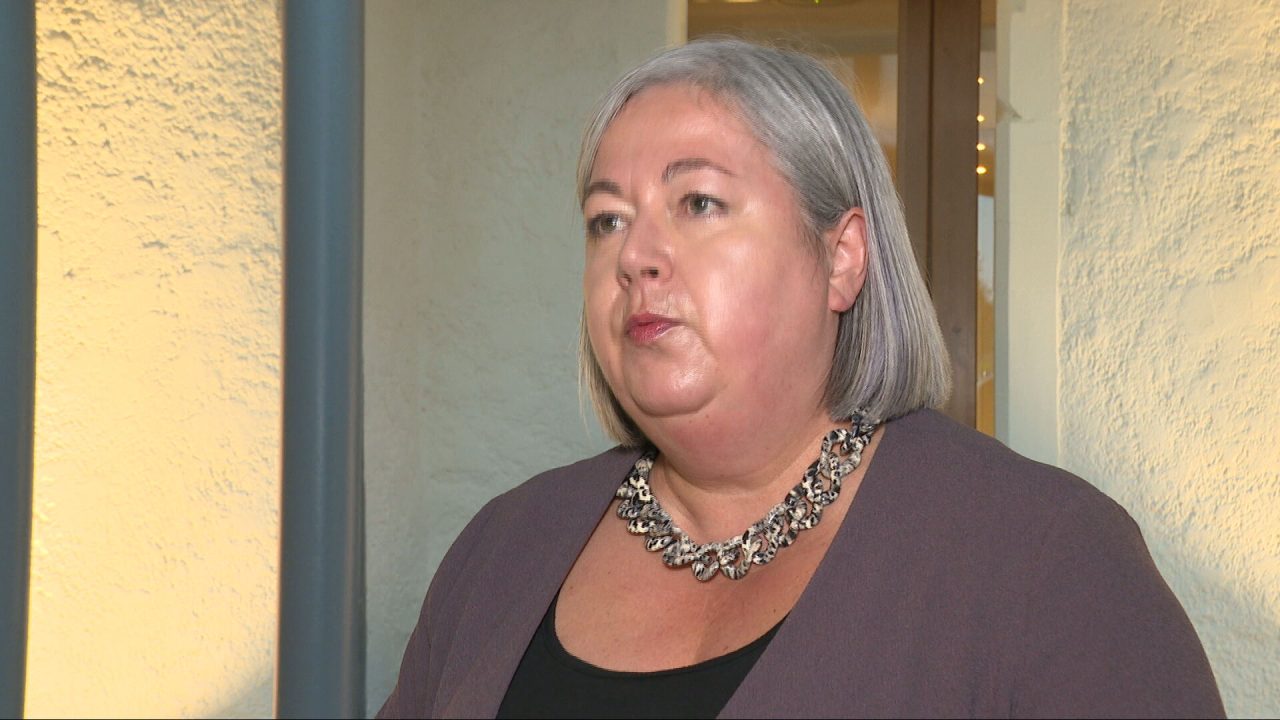
Kirsten Oswald, Minister for Victims and Community Safety said: “The Justice Secretary and I met with Greg Mackie’s parents, Colin and Mandy Mackie of Spike Aware UK, to discuss trends in spiking, safety measures, education and awareness-raising, and the legal framework. We are grateful for everything they do, and our sympathies continue to be with them following the heartbreaking loss of their son in a spiking incident.
“Spiking is an abhorrent crime and comprehensive laws are already in place to prosecute those responsible, including the common law offences of drugging and assault, which carry penalties of up to five years’ imprisonment, a fine, or both. There are also robust laws to prosecute the assaults and thefts that can occur when someone has been spiked.
“We recently sought views on spiking as part of a wider consultation on improving protections in the justice system and this will inform our consideration of next steps.”
It’s now nearly a decade since Greg’s death – but his mum and dad are determined their loss can still lead to change.
Colin said: “If you go back to the 1980s, people would drink and drive. But then the law tightened up and people stopped. That’s what we want to see happening with spiking.
“We want to make it socially unacceptable that people don’t hesitate if they see it happening. They call it out and make people aware of it.
“If this law was brought in, that would be his legacy. He’s lost his life, but there’s something good that has come out of it. Hopefully there will be no other parents that end up like ourselves.”
Help and support is available now if you need it. Details of services available can be found at stv.tv/advice
When life is difficult, Samaritans are here – day or night, 365 days a year. You can call them for free on 116 123, email them at jo@samaritans.org, or visitwww.samaritans.org to find your nearest branch.
Follow STV News on WhatsApp
Scan the QR code on your mobile device for all the latest news from around the country