 PA Media
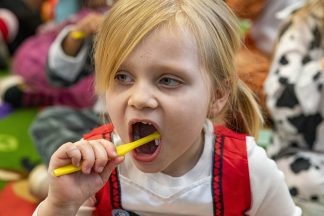
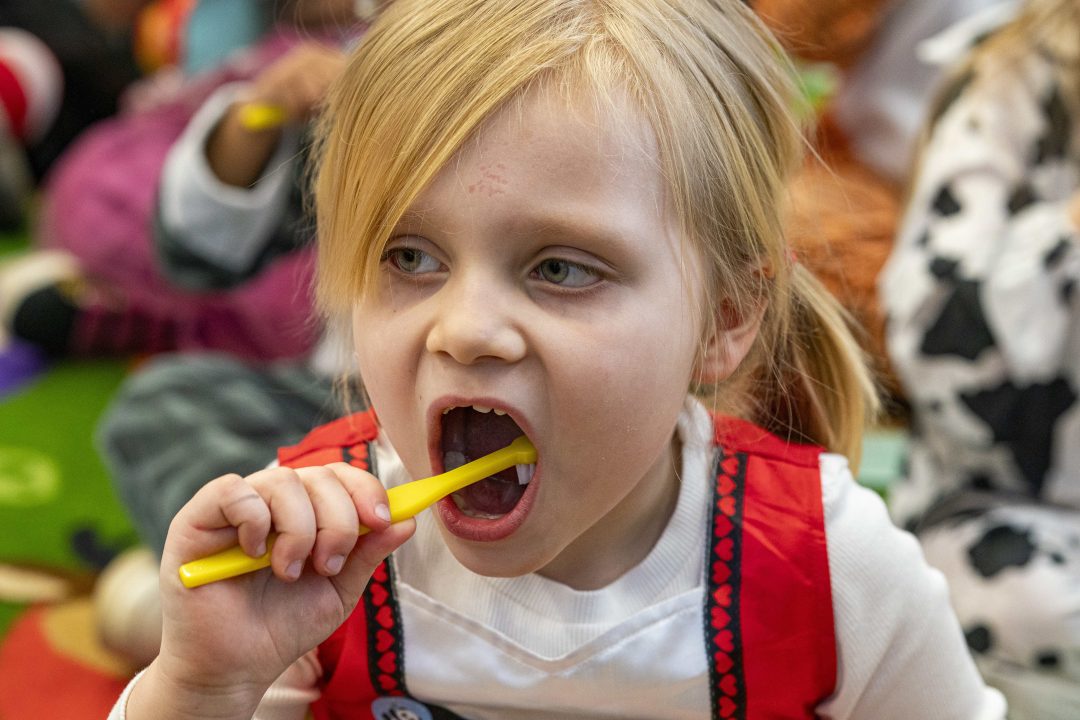
The number of primary one pupils with no obvious tooth decay has reached its highest level since records began.
New figures from Public Health Scotland showed that just over three-quarters (76%) of all P1 youngsters had no obvious decay, with this the highest total since the statistics began in 2003.
The report said this showed “improvement in child oral health in Scotland” but added that progress had “stalled during the Covid-19 pandemic”.
While the proportion of children with no obvious tooth decay has increased from 54% in 2006, the year the Childsmile oral health improvement programme was launched, the number of children in this group fell from 74% in 2020 to 73% in 2024, before increasing again in the latest data.
Community care minister Alison Thewliss said this improvement was linked to reforms brought in in 2023, which enabled dentists to do more in terms of preventative advice and treatment for children.
She said: “I welcome these statistics, which reflect the substantial impact the Scottish Government’s Childsmile programme has in working with nurseries and schools to ensure positive oral health habits are embedded early.
“This progress also reflects the significant improvements made to children’s dental care through our reforms introduced in 2023, which has enabled dentists to undertake a much wider range of preventive advice and treatment for all children.
“Everyone in Scotland, unlike elsewhere in the UK, is entitled to free NHS dental check-ups, regardless of age.
“In addition, around 40% of patients, including everyone under 26, continue to receive free NHS care and treatment.”
Tuesday’s figures showed that 62% of P1 children in the most deprived areas had no obvious signs of dental decay, with this compared to 87.3% for children of the same age in the least deprived areas.
The report added that “despite substantial improvements in oral health over time” it was still the case that “children living in the least deprived areas consistently had better oral health than those living in the most deprived areas”.
However, Ms Thewliss said: “Today’s publication shows that the percentage of children with untreated decay is at its lowest on record and the inequality gap has narrowed between the most and least deprived areas over the long term.”
Follow STV News on WhatsApp
Scan the QR code on your mobile device for all the latest news from around the country