 Adobe Stock
New cancer drugs and treatment for those with cell diseases have been approved for use by the NHS in Scotland.
The Scottish Medicines Consortium (SMC), which advises on newly licensed medicines for use by the health service, has published advice on five medicines.
Exagamglogene autotemcel (Casgevy®) was accepted for the treatment of sickle cell disease in patients who are 12 years and older.
It is a gene therapy for people who can have a stem cell transplant but do not have a suitable donor.
Marstacimab (Hympavzi®) was accepted to prevent or reduce bleeding in people 12 years and older with severe haemophilia B, an inherited bleeding disorder.
It is the first under-the-skin injection for severe haemophilia B, but was not recommended for use in severe haemophilia A.
Zolbetuximab (Vyloy®) used together with chemotherapy was accepted as a first-line treatment for adults with a certain type of advanced stomach cancer.
Nivolumab (Opdivo®) was accepted, when used together with ipilimumab, for the first-line treatment of adults with advanced colorectal cancer with a specific genetic mutation.
However, the SMC did not issue a recommendation for Serplulimab (Hetronifly®), when used together with chemotherapy, for the first-line treatment of adults with extensive-stage small cell lung cancer.
Cost-effectiveness was cited as the reason for the decision.
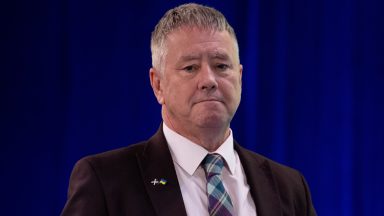
SMC vice-chair Dr Robert Peel said: “The committee is pleased to be able to accept these new medicines for use by NHS Scotland.
“Patient groups described the high symptom burden suffered by those living with sickle cell disease and experiencing repeated painful crises. Exagamglogene autotemcel is a gene therapy so is expected to offer lasting benefits.
“Marstacimab is the first under-the-skin injection for severe haemophilia B. The patient group highlighted that this would bring benefits to patients and their families.
“Zolbetuximab, used together with chemotherapy, provides an effective targeted treatment option for people with a certain type of advanced stomach cancer.
“Nivolumab, used in combination with ipilimumab, is an effective first-line treatment option to delay the progression of cancer for this group of patients with advanced colorectal cancer.
“The committee was unable to accept serplulimab for the treatment of extensive-stage small cell lung cancer as the company’s evidence around the cost-effectiveness of the treatment, compared to currently available options, was not sufficient.
“We would welcome a resubmission from the company addressing the issues we have raised.”
Follow STV News on WhatsApp
Scan the QR code on your mobile device for all the latest news from around the country