Nearly 70% of Police Scotland officers currently suspended while under criminal investigation are accused of offences relating to violence against women, according to figures obtained by STV News.
The allegations include domestic abuse, sexual offences and stalking. The figures show that, out of 53 suspended officers facing criminal investigation, 26 officers are accused of domestic abuse-related offences, nine are accused of sexual offences and two are accused of stalking.
The rest of the accusations include assault, driving offences and fraud (Assault – 3, Data Protection – 3, Messaging/Comments – 4, Drugs – 2, Disorder – 1, Fraud – 1, Neglect of Duty – 1, Road Traffic – 1).
The ranks of the officers suspended are 45 constables, six sergeants and two inspectors. All are suspended on full pay while investigations are carried out, and the longest running investigation relates to a complaint made in 2020, with the suspension beginning in November 2020.
A further ten Police Scotland civilian staff are also suspended where there is either a ‘live’ criminal investigation or matters that remain with the Crown Office or Scottish Courts following criminal investigation.
The figures do not include officers who are suspended where criminal investigation and/ or COPFS or Court consideration have concluded, and the matter is now being considered from a Police Conduct perspective.
The total number of suspended staff accounts for less than 1% of Police Scotland’s total workforce.
‘No cultural problem’ within the force
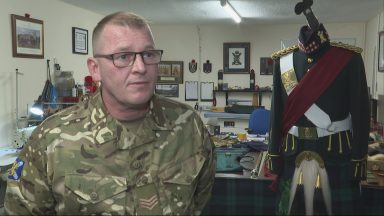
David Kennedy, general secretary of the Scottish Police Federation, said the figures mirror wider societal trends, and don’t point to a specific problem within Police Scotland.
“It’s a worrying statistic, but unfortunately that is what’s happening with society at the moment, and the police just reflect that.
“I don’t think it’s a cultural problem within Police Scotland. I think it’s a problem we have right now in society in Scotland, and the police is a mirror image of that.”
Mr Kennedy stressed the officers involved are facing allegations rather than proven offences and said the public should take reassurance from the fact officers are being removed from duty while investigations take place.
“These officers are suspended, so that’s an allegation. It’s not somebody that’s been proven to have done something wrong at the moment.
“The public should look at this positively in the sense that the police are doing something about it. If an allegation comes up against an officer like this, they will do something about it.
“They’ll suspend them, they’ll investigate it, but what we have to make sure is these investigations aren’t taking too long a time.”
The federation chief said the force should examine whether more could be done to prevent unsuitable candidates entering policing in the first place and renewed calls for enhanced vetting measures to be reintroduced.
“We have to make sure that we are bringing the correct officers in,” he said.
 iStock
“I don’t know the demographics of these officers and the allegations, what their service bracket is when they joined. But somebody should be looking at that and deciding if there is something that the police can do better to make sure that we stop individuals who may be narcissistic, if that’s what they are.
“The one thing we’ve asked policing to do is to bring back home visits because that allows you to at least see somebody where they live, to get a flavour of who that individual is and their home environment, and we don’t do that anymore.
“The police stopped a long time ago interviewing referees. We’ve asked for them to bring that back, where if an individual was joining the police service, they have to get a referee who has to be interviewed by the police service.
“We don’t analyse officers psychologically. That happens with senior officers, but it doesn’t happen with anyone who’s joining the police service, and that is something that costs money.
“But it is also something that we should be looking at because thereafter you’ll have a bigger picture of who’s joining the service.”
Mr Kennedy said budgets were the main reason such measures had not been introduced: “I believe the barrier is purely financial.
“I don’t believe there’ll be any other barrier. The police don’t want bad police officers. They don’t want police officers that are going to commit crimes.”
The figures come amid continuing scrutiny of how policing responds to allegations involving serving officers.
Ex-detective has ‘no trust in police’ after six-year wait for justice
 STV News
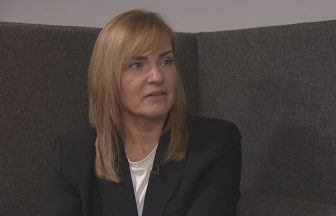
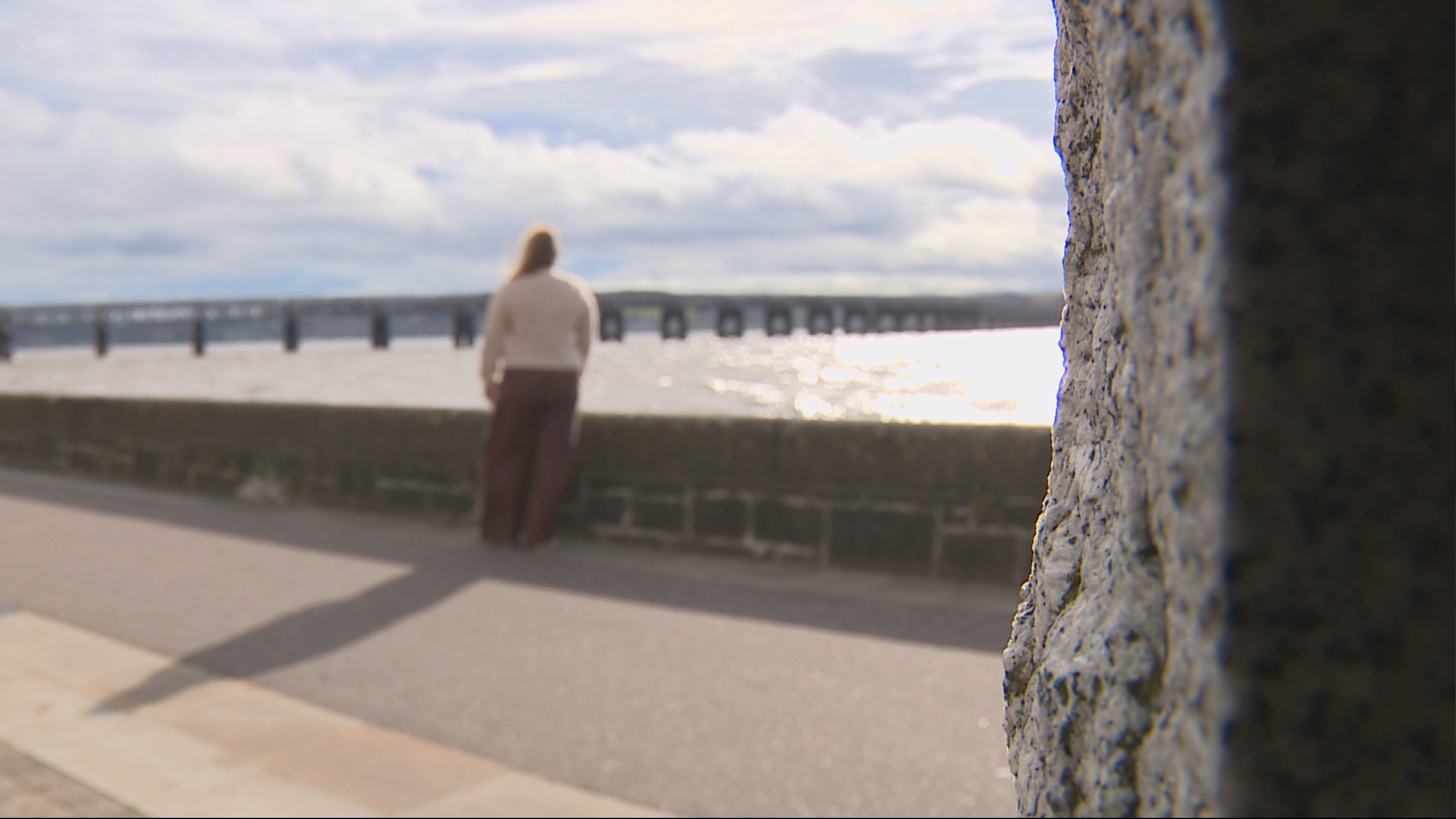
One officer who says she has experienced the impact of that process first-hand is Lianne Gilbert.
Liane reported allegations against a fellow serving officer in 2020 and says the matter has still not reached a conclusion.
In 2022, the contents of her mobile phone were disclosed to the officer under investigation, his solicitor and a Scottish Police Federation representative.
The force later described the disclosure as a “human error”. The Information Commissioner’s Office subsequently fined Police Scotland £66,000 after finding the force had shared the entire contents of her phone, including pages of personal information, with third parties.
Liane said the combination of the lengthy investigation and data breach has had a lasting impact.
“It’s almost like I’m frozen in time because this all happened quite a number of years ago now and we’re now six years on and it’s still in the process of a criminal investigation, so it’s been a very long and drawn-out process,” she said.
“Police Scotland have got a long way to go in terms of how they deal with and handle these types of investigations and the manner in which they treat victims of sexual offences.
“You do get specially trained officers called sexual offences liaison officers and, unfortunately in my case, despite it being a live criminal investigation, I’m not even allocated one. I’m not sure if I’m just a one-off or if that is happening to other victims. It’s just a lack of support at the time of reporting and following reporting.”
Liane says her ordeal has had a detrimental impact on her day-to-day life.
“I have been diagnosed with some medical conditions following both the offences that happened to me and the subsequent treatment by the police, including the data breach which happened to me.
“It’s obviously very stressful. You can’t fully move on and fully process your trauma until the conclusion of the proceedings.”
She also questioned whether cases involving officers are always handled in the same way as those involving members of the public.
“In my own personal experience, being a victim of crime and reporting that to the police as a police officer, I did experience a lot of closing ranks and things maybe not being handled in the same manner as what it may have been if it was a member of the public reporting that.”
 iStock
Liane said her experience had damaged her confidence in the force and warned that high-profile cases involving police officers risk deterring victims from coming forward.
“I think cases like mine, which has been published in the media already in terms of the data breach involving my mobile phone, certainly won’t help people wanting to come forward to report these types of offences.
“From my own personal experience, and what has happened to me as a direct result of coming forward and reporting these offences that I was a victim of, I unfortunately don’t have any trust in the police at the moment.”
Mr Kennedy agreed that lengthy investigations were a concern and said faster progress through the criminal justice system would benefit both alleged victims and those accused.
“The criminal process has to be quicker,” he said.
“There needs to be further investment in the justice system in Scotland and, if we get better investment in it, we can hope that we can make justice quicker, because justice that takes a long length of time is not good for a victim.”
Police Scotland said a report outlining enquiries already undertaken and seeking further instruction had been submitted to the Crown Office.
Responding to wider concerns about violence against women and girls and police conduct, deputy chief constable Stuart Houston said: “Violence against women and girls is a national emergency and we’re committed to playing our part in a whole system response.
“Part of that is giving victims confidence that our investigations are professional, trauma informed and without fear or favour, including when a police officer is the subject of those enquiries.
“We work hard to safeguard and uphold the standards, values and integrity of Police Scotland and we’re embedding legislation to strengthen that further.
“Where officers fall below those standards we take action. In relation to violence against women and girls specialist public protection detectives work with our Professional Standards Department to hold offenders to account through the criminal justice system and remove them from Police Scotland, while also supporting victims.”
Follow STV News on WhatsApp
Scan the QR code on your mobile device for all the latest news from around the country