 Adobe Stock
The number of confirmed bluetongue cases in Scotland has risen as a temporary control zone has been put in place.
The Department for Environment, Food and Rural Affairs (Defra) said on Saturday that there have been eight confirmed cases of the potentially fatal disease in animals across farms in Dumfries and Galloway.
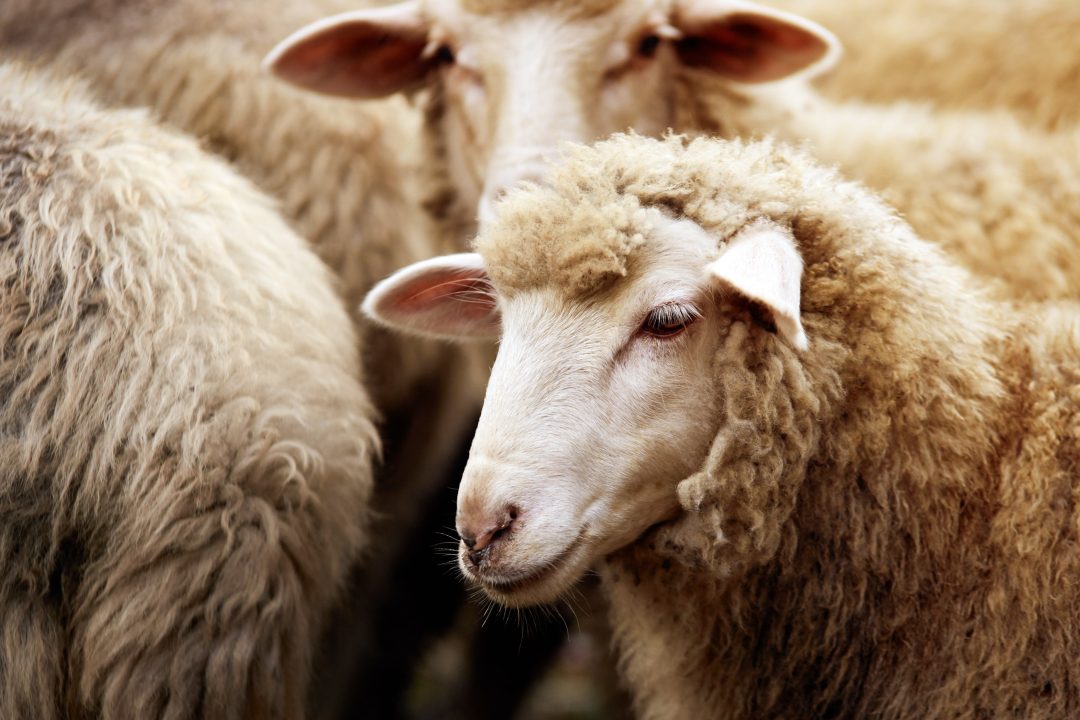
The two latest cases were found in sheep.
The disease was first detected at Kirkambreck farm near Newton Stewart on August 8.
Bluetongue only affects animals and does not affect humans or food safety. It is mainly spread by biting midges.
It is a notifiable disease, meaning that any suspected cases must be reported to the Animal and Plant Health Agency.
Symptoms include nasal discharge, redness and swelling of the lips, nose and muzzle, lameness or reluctance to stand, decreased milk production and diarrhoea in cattle.
It is also potentially fatal for affected animals.
Across the UK, there have been 556 cases of bluetongue serotype 3 (BTV-3) in the 2026 to 2027 bluetongue season – including the eight cases in Scotland.
The disease, which affects ruminant livestock such as sheep and cows, was first detected on Kirkambreck farm near Newton Stewart, Dumfries and Galloway, on August 8.
The number of bluetongue virus cases confirmed in Scotland has risen as a temporary control zone (TCZ) has been put in place in south-west Scotland.
The Scottish Government announced on Thursday that a Temporary Control Zone would be put in place as a “precautionary measure” after a case of bluetongue, or BTV-3, was identified in two lambs near Lockerbie.
All movement of livestock such as cattle, sheep and other susceptible ruminants in or out of the zone can only take place under licence.
There will also be increased surveillance and testing of animals nearby, as officials investigate the source and extent of the disease in the area.
From Saturday, all cattle, sheep, goats, and other ruminants travelling from anywhere in Scotland to the Bluetongue Restricted Zone in the rest of the UK must return to Scotland on the same day to minimise the risk of the disease spreading.
This replaces the current rule allowing up to four days away.
From September 10, all livestock susceptible to the disease being moved from a Bluetongue Restricted Zone in the rest of the UK into Scotland will need to be vaccinated, except for livestock returning to Scotland under the “same day” rule.
Jim Fairlie, the minister for Agriculture, Marine and the Islands, said: “The recent detection of bluetongue near Lockerbie, combined with the rapid rise in cases across the rest of the UK, means we must act now to strengthen our protections and minimise risk
“This will allow essential time for further investigations and to allow vaccine uptake levels to increase sufficiently to provide greater protective immunity across susceptible livestock in Scotland.
“I recognise the significant impact this news will have on farmers and the wider industry in the area, and I do not underestimate the pressure this places on those affected. I am very grateful for their continued constructive engagement as we work together to introduce an effective control strategy while minimising restrictions on businesses as far as possible.
“We will ensure that control measures are proportionate. This is a dynamic situation while further investigations are carried out, and we will continue to monitor it closely, considering further control measures as necessary in partnership with industry.”
Follow STV News on WhatsApp
Scan the QR code on your mobile device for all the latest news from around the country