People suspected of having Alzheimer’s disease will now be able to get a blood test for the condition through their GP, as part of a “landmark” study taking place in Scotland.
More than 50 GPs in central and northern Scotland are taking part in the study, which is called Bringing Alzheimer’s Disease Biomarkers to General Practice (BriDGe).
Led by Scottish Brain Sciences, the project will explore how blood tests could speed up diagnosis, help GPs decide on the best care for patients, and give people earlier access to support and treatments.
The aim is for up to 500 patients to be referred for a test, making it the largest UK study of Alzheimer’s blood tests in general practice.
Around 90,000 people in Scotland are living with dementia, some 3,000 of whom are younger than 65.
An estimated two-thirds – or 60,000 – have Alzheimer’s, which is a type of dementia that affects memory, thinking and behaviour.
The project is supported by Roche Diagnostics, which developed the blood tests being used in the research, known as p-tau181 and p-tau217.
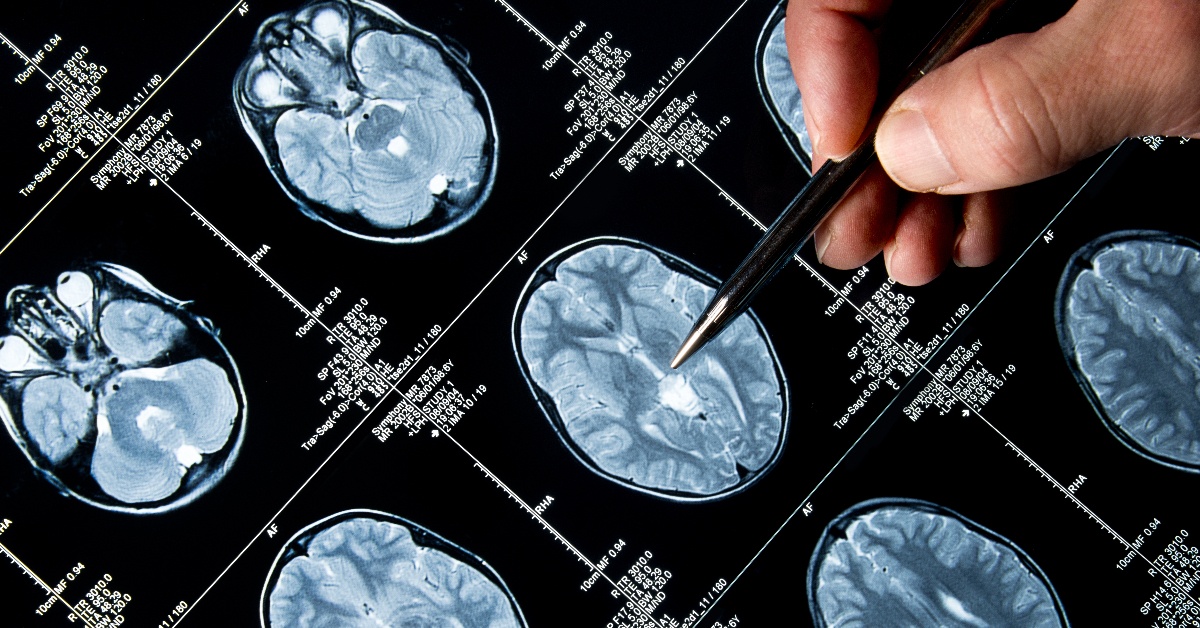
When found in the blood, these proteins reflect changes in the brain associated with Alzheimer’s, with international research showing they may detect or rule out the condition earlier and more accurately than many existing memory tests or scans.
The study aims to build GP experience and confidence in using the new tests, and to assess their value at the earliest stages of disease progression – where quicker, more accurate information could make the greatest difference for patients and their families.
Dr Sheelagh Harwell, senior associate GP at GP-Plus in Edinburgh, is one of the medics participating in the study.
She said: “The BriDGe study heralds an exciting time in general practice as new diagnostic blood tests become available.
“Consultations are shifting from physicians discussing dementia risk with patients, to discussing brain health.
“An earlier diagnosis of Alzheimer’s can aid patients with lifestyle modifications, allow them to access support sooner, and plan ahead.”
A patient known as Martin, who has taken part in a previous Scottish Brain Sciences study, experienced significant changes to his thinking and memory, and said the current diagnostics process is confusing.
“I have had conflicting information from healthcare professionals which has left me in limbo,” he said.
“I had tests through my GP and was told it is likely I have Alzheimer’s disease so I was referred to a psychiatrist at my local hospital.
“The psychiatrist told me I didn’t have Alzheimer’s, without carrying out any tests. I was quite shocked.
“If a blood test was available through my GP that could make the diagnosis process easier – and potentially quicker – I would be very willing to take it.”
Professor Craig Ritchie, chief investigator of the BriDGe project and chief executive and founder at Scottish Brain Sciences, described blood tests for Alzheimer’s as “one of the most exciting developments in dementia research in a generation”.
He continued: “We now need to understand how they work in real-world healthcare. By partnering with 50 GPs and up to 500 patients, BriDGe will show how these tests could transform the way we detect, diagnose and ultimately treat Alzheimer’s disease.”
Ashton Harper, global medical affairs lead for neurosciences at Roche Diagnostics, said: “This landmark collaboration between GPs, researchers and patients across Scotland has the potential to transform the way Alzheimer’s disease is diagnosed.
“By paving the way for earlier detection through primary care, it could help more people access the right treatment, care and support at the earliest possible stage.”
GP surgeries interested in participating in the BriDGe study can contact Scottish Brain Sciences at referrals@brainsciences.scot.
Follow STV News on WhatsApp
Scan the QR code on your mobile device for all the latest news from around the country