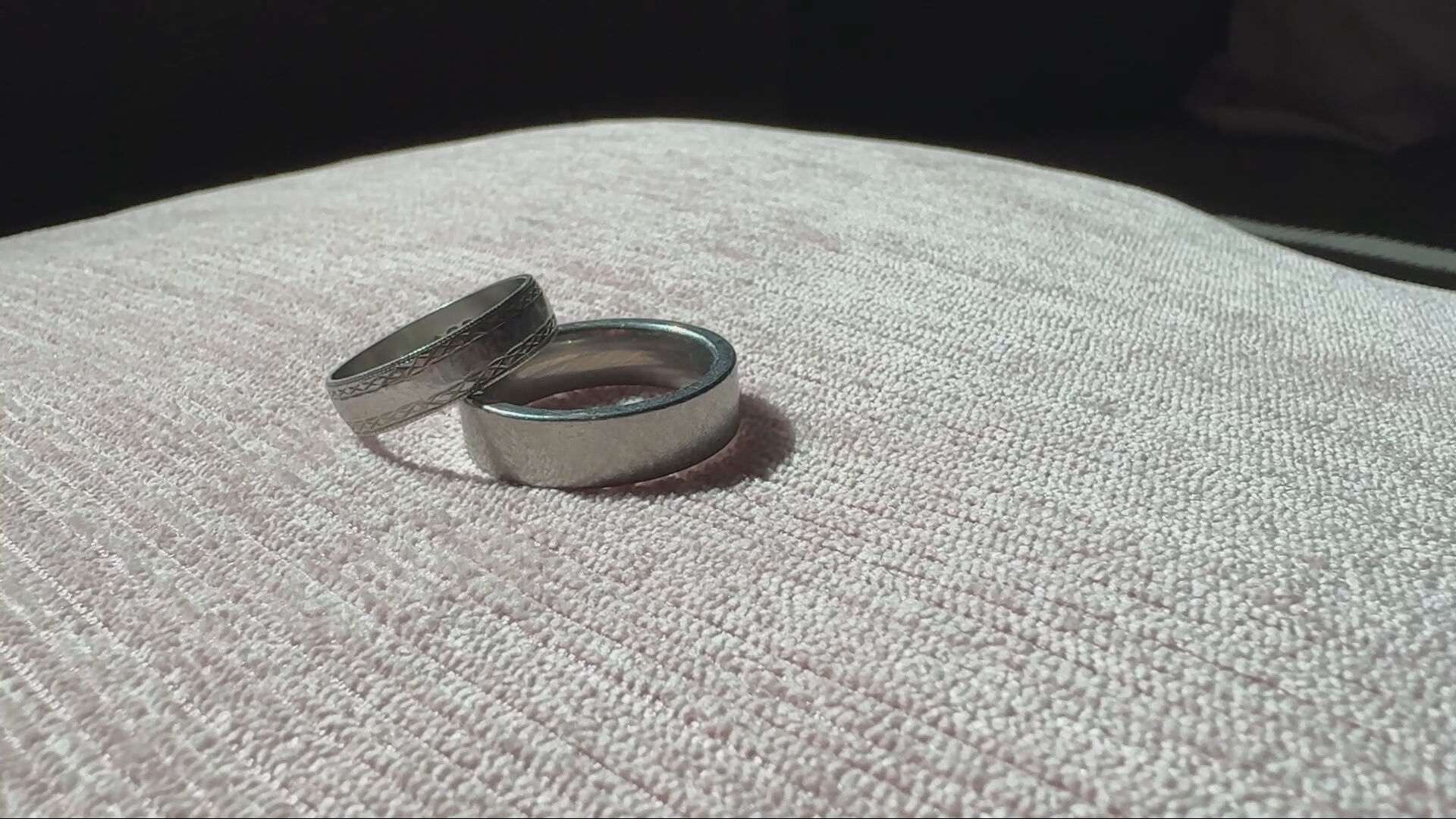
As a teenager, Nyla Khan believed she was going on holiday. Instead, she says she was taken abroad and forced into marriage.
Now a campaigner against forced marriage, Nyla is backing calls to raise the minimum age in Scotland from 16 to 18, but says far more deterrents are needed to protect women and girls. She says if not, any legal changes will be “purely performative”.
A four‑month public consultation has examined whether the minimum age should be increased as part of wider reforms to family law, amid growing concern about the risks faced by young people.
Scotland is currently the only part of the UK where a 16-year-old can legally marry without parental consent, despite being the first nation to incorporate the United Nations Convention on the Rights of the Child into domestic law.
Campaigners and legal experts say the law is now out of step and argue that raising the age would better protect young people from coercion and forced marriage.
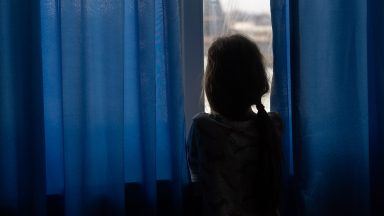
‘It was a huge betrayal’
 Adobe Stock
“When it comes to forced marriage, it’s always a power play. Who’s going to win?”
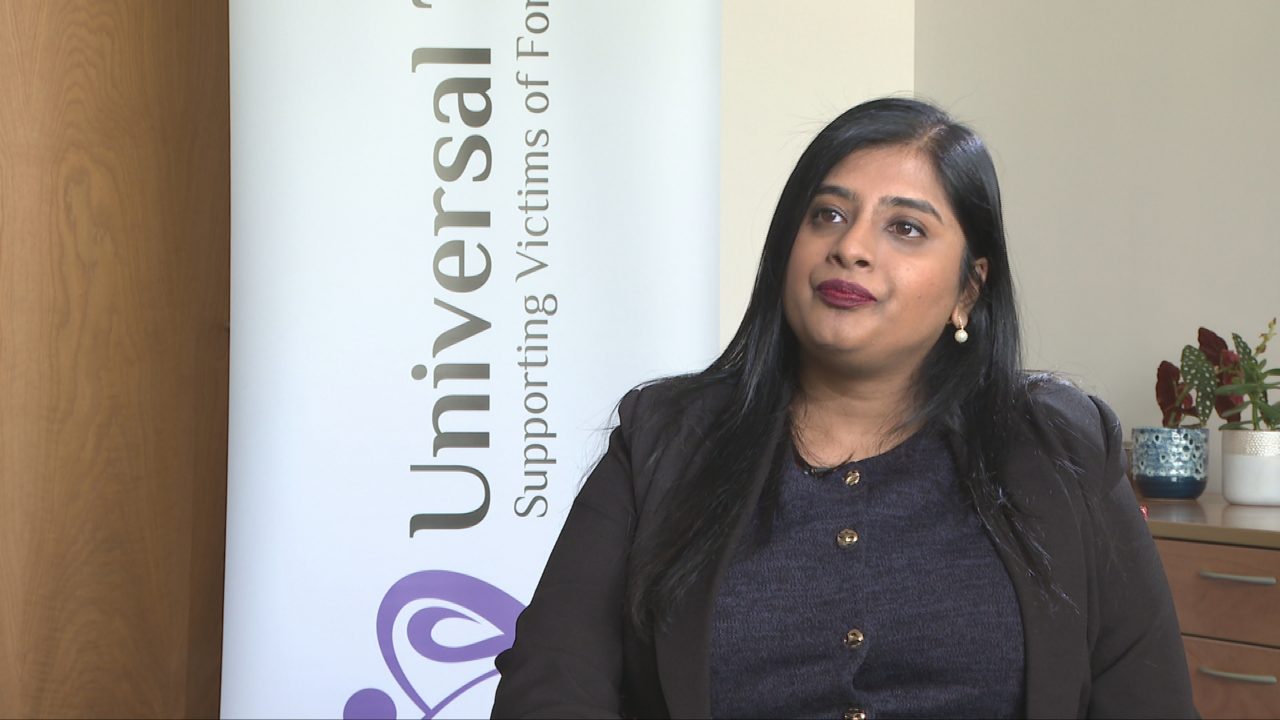
Nyla Khan, founder of Universal Truth, supports the proposed change. She was taken to Pakistan on what she believed was a holiday and coerced into marrying her cousin.
“It was a promise made between my father and his father a long, long time ago,” she told STV News.
Nyla says marriage to a first cousin was treated as an expectation within her family, despite her objections.
“I felt shock more than anything else and also a huge amount of disappointment in my mother,” she said. “It was a huge betrayal in a way.”
Nyla describes forced marriage as a struggle for control.
She eventually refused to remain in the marriage, leaving home and living independently for a year.
“That’s how I managed to get out,” she added.
Nyla later returned to education, went to university and trained as a social worker, where she says she saw a lack of understanding and implementation of safeguards around forced marriage. That experience led her to set up Universal Truth.
“It was a battle between what I wanted and what my family wanted from me. In the end, I won.”
 STV News
Forced marriage is a criminal offence in Scotland. It occurs when one or both spouses do not consent, and violence, threats or coercion are involved. That can include emotional pressure, physical force or financial control.
Figures from the UK Government’s Forced Marriage Unit show it provided advice or support in 240 cases in 2024, with 45% of those cases linked to Pakistan.
There were 26,955 marriages in Scotland in 2024. Just 129 involved at least one person aged between 16 and 19. That is less than 0.5% of all marriages.
National Records of Scotland data from 2023 shows 38 men and 78 women aged 16 to 19 were recorded as getting married. That means young women were more than twice as likely as young men to marry at that age.
While early marriage is now rare, campaigners argue legal safeguards remain essential, particularly where pressure or coercion may go unnoticed.
Scotland’s law also allows under-18s from other parts of the UK to travel north to marry, bypassing higher age limits in their home nations.
The minimum age of marriage in Scotland has been 16 since 1929.
The legal perspective
 STV News
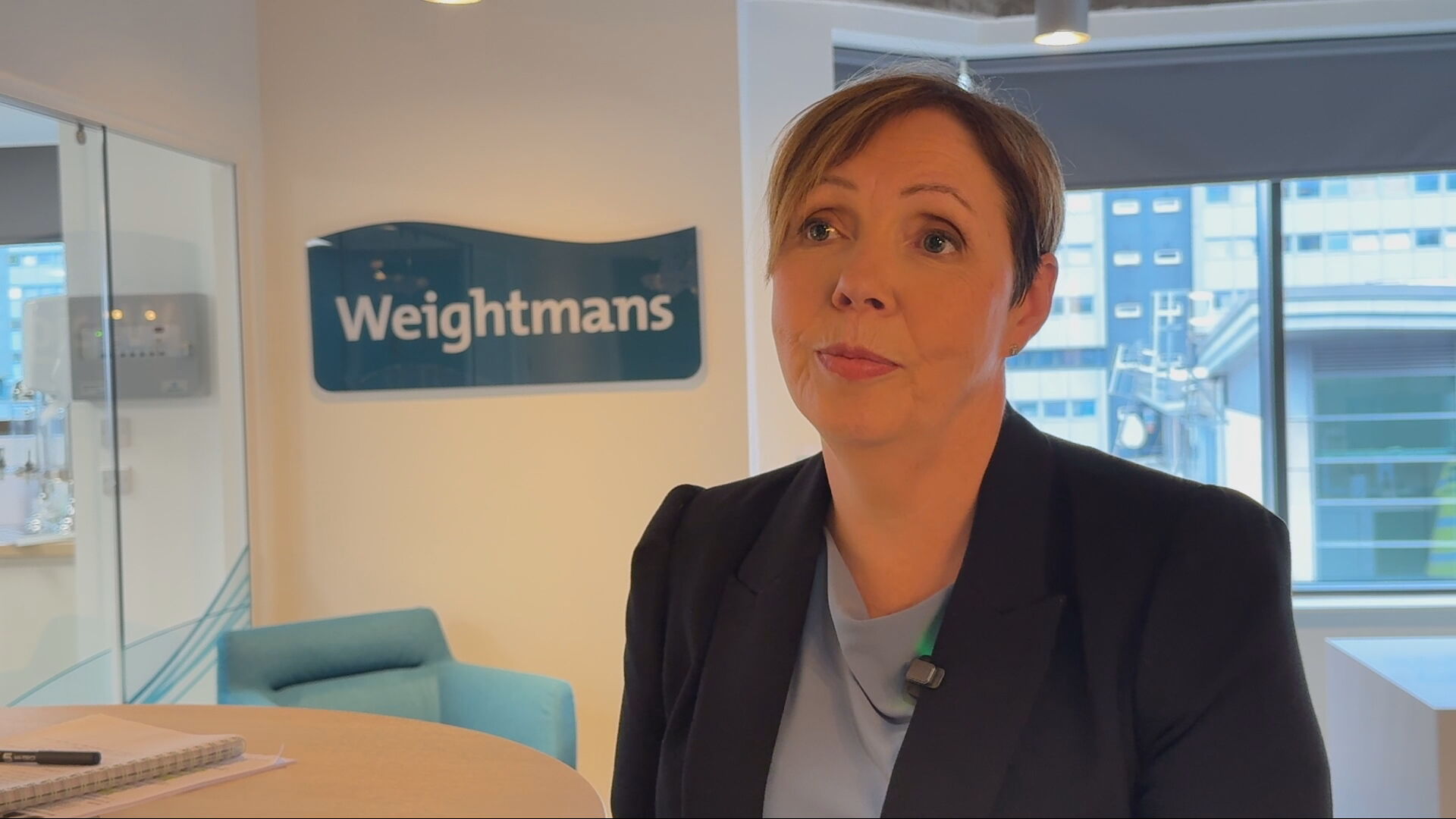
Family lawyer Caroline Gillespie, from Weightmans, says the proposed changes are linked directly to commitments made under the UNCRC.
She says one of the key recommendations is to prevent children under 18 from entering into what she describes as a “significant and life-changing” commitment.
“There is a broad variety of types of behaviour, such as grooming, other coercive and controlling behaviours that would not necessarily be caught under the current legislation in regard to forced marriages,” she said.
Caroline says it is important that young people understand they do not have to make such decisions and that marriage should be entered into freely and with full knowledge of the legal implications.
“It’s very easy to get married. It is a lot more complicated and a lot more involved to extract yourself from situations.
“There are also significant legal and financial consequences of marriage.”
‘We have a duty of care’
 STV News
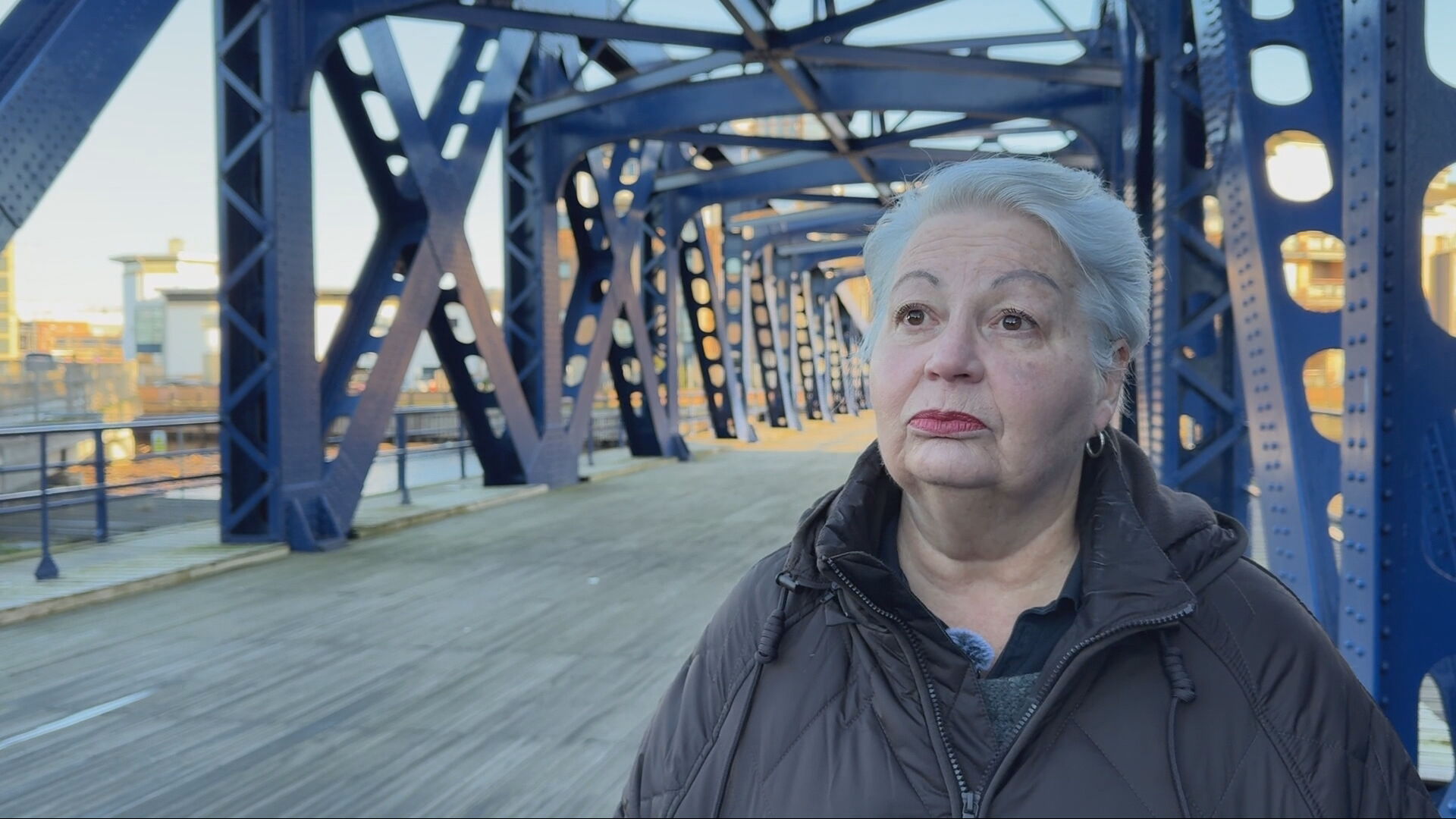
Dr Marsha Scott, CEO of Scottish Women’s Aid, says raising the minimum age would give authorities and schools a vital tool to help prevent forced marriage.
“It’s really obvious that we have a duty of care, if nothing else, to make it a little more difficult for people to exploit girls,” she said.
She argues that current safeguards are limited and often leave young women in an impossible position.
“There are very few tools for that that don’t include asking girls to criminalise their parents,” she said. “So this would be so welcome.”
Dr Scott also points to evidence showing early marriage has long-term consequences for girls.
“There’s so much data that says that marriages under 18 are bad for girls,” she said. “The UN calls them child marriage, and they mean disrupted education, lower income, more likelihood of living in poverty and more likely to be victims of domestic abuse.”
The consultation, which closed on Tuesday, read “Developments internationally suggest that Scotland is now unusual in permitting marriage at 16, without additional provision for parental or other consent.
“However, it is arguable that, rather than constituting a protection, parental consent could operate as a potential vehicle for pressure or coercion. Parental consent has not been a feature of Scots law. The Scottish Government does not consider that the introduction of parental or other consent as a necessary precondition of the marriage or civil partnership of a 16 or 17-year-old is a suitable option for reform.”
Follow STV News on WhatsApp
Scan the QR code on your mobile device for all the latest news from around the country