Key Points
-
 Scotch whisky remains one of Scotland’s most important exports, supporting around 40,000 jobs and making a major contribution to the economy
 - The industry is facing declining demand as consumers drink less alcohol and increasingly prioritise quality over quantity
- Distillers warn that high UK taxes on Scotch are limiting investment and could lead to further job losses unless reduced in the Budget
- Despite current challenges, smaller producers such as Arbikie see growth opportunities in emerging international markets, particularly in Asia
- Rising costs and reduced whisky production are affecting the wider supply chain, with maltsters buying significantly less barley and some facilities closing
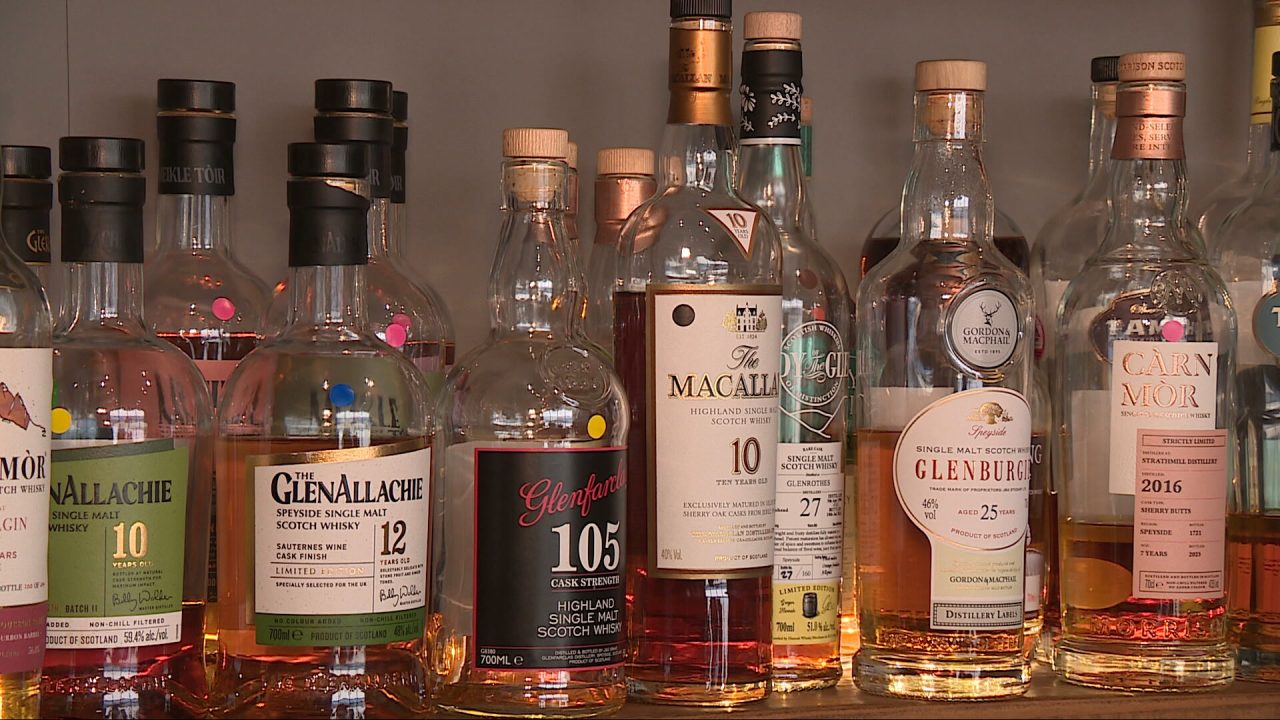
Scotch whisky is arguably Scotland’s most famous export, a multibillion-pound success story that continues to shape the country’s economy and reputation abroad.
The industry supports some 40,000 jobs in Scotland and sustains communities from the Highlands and Islands to the Central Belt through a vast supply chain.
However, the whisky industry is facing a challenging period, with demand for the spirit declining in recent years.
Habits are changing fast, and the industry is navigating a long-term shift in drinking habits. Consumers are increasingly choosing quality over quantity, and younger generations are drinking less alcohol than their predecessors.
The industry has warned that more jobs could be lost unless the tax on Scotch whisky bottles sold in the UK is reduced in the upcoming Budget.
Drinks giant Diageo said earlier this week that cuts to its Scottish operation would be essential to safeguard the company’s future.
Angus distillery eyes international market
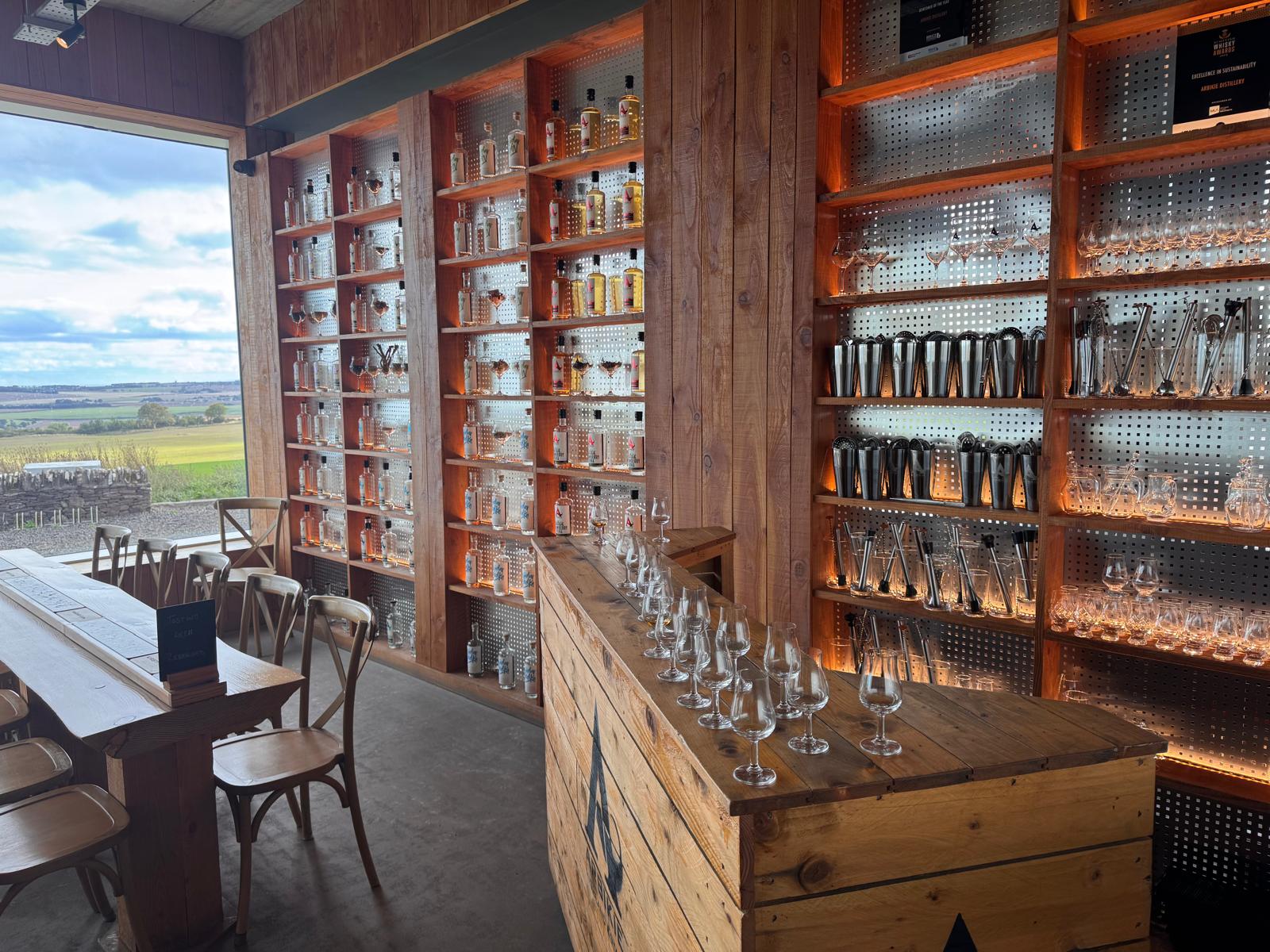
The Arbikie distillery, near Montrose in Angus, is ramping up its operations despite the challenging economic backdrop.
It makes premium spirits from vegetables on its family farm and is eyeing up new opportunities abroad.
 STV News
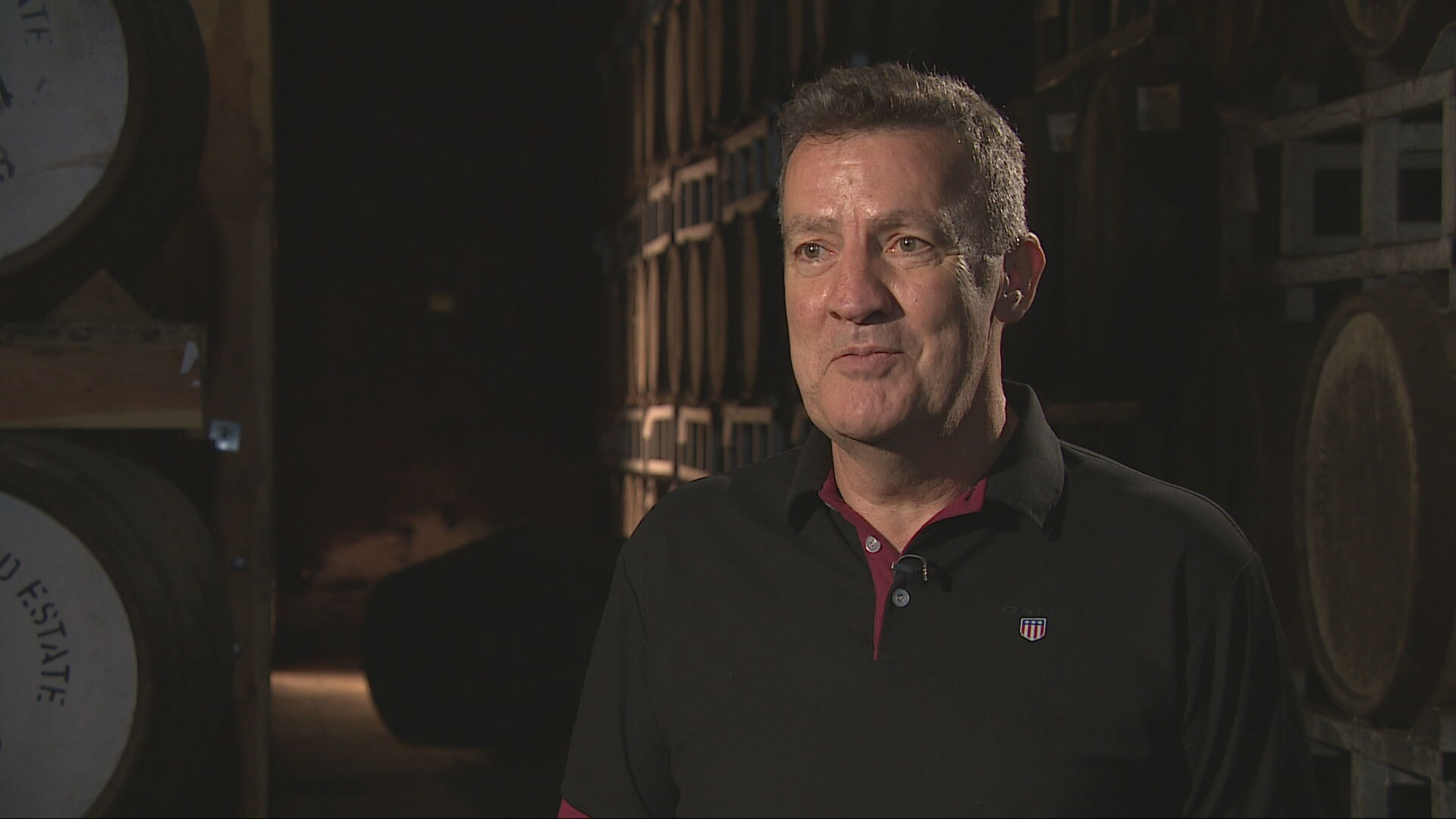
“There’s a bit of a downturn in whisky at the moment,” explained John Stirling, chief taster at Arbikie.
“For big companies, that can be a slight fall of 3%, but they’re still making a lot of money. I’ve just been back from Singapore and Hong Kong, who are very much single malt drinkers. We see them as the real emerging markets.
“Even a tiny increase in orders from India or China, in terms of single malt, we probably wouldn’t have enough single malt in Scotland to cope with the demand, so it’s not all doom and gloom.”
John also said Arbikie had observed changing drinking habits in recent years.
 STV News
He added: “The advantage for a smaller distillery like us is that people tend to be drinking less, but they are drinking potentially better.
“They’re looking to what they’re actually drinking, what the ingredients went into it, so that’s beneficial for us, the way we produce in a sustainable way and all the ingredients we put into it.”
Maltsters also feeling the strain
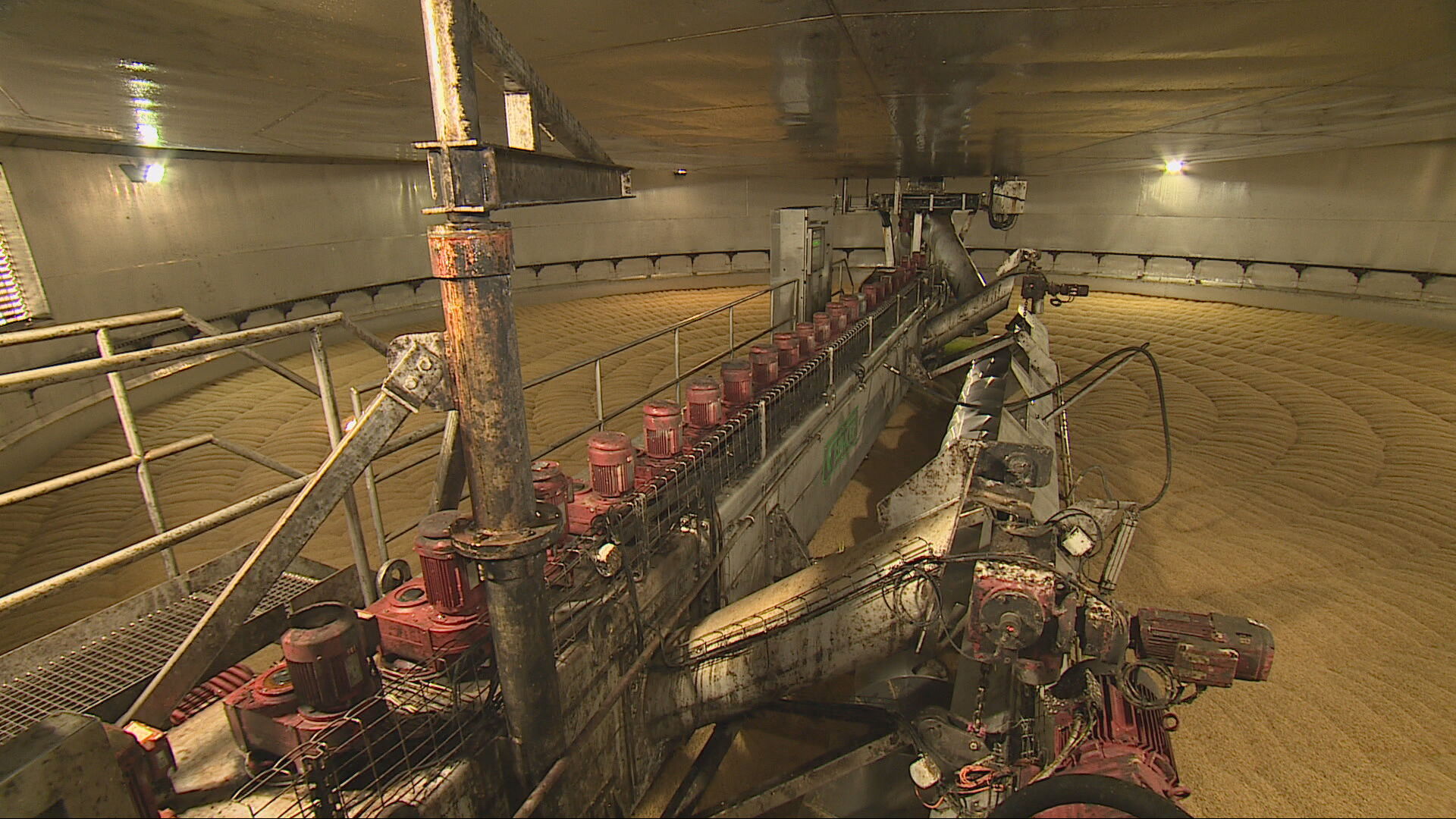
Just a few miles down the road, the Arbroath Maltings plant has undergone a major expansion – including a multi-million-pound investment that overhauled its Clova operation, making it one of the most modern malt production hubs in the UK.
But maltsters across Scotland are also feeling the strain, with one in Pencaitland, East Lothian, closing earlier this year.
 STV News
Producing whisky is energy-intensive, and the increase in the price of fuel hasn’t helped those growing grains for the spirit or those distilling it.
Maltsters are buying nearly 40% less malting barley now compared with the peak of whisky production in 2022.
Owen Southwood, a member of the Malting Association of Great Britain, said: “We’ve had to try and manage our barley stock levels right away from farm through our process because we’re always working two years ahead of when the malt is demanded.
“We’re dealing with 850 farmers directly in Scotland, and trying to manage their requirements, as well as ours, has been a particularly difficult thing.
“I think as we go forward we will use a lot of the surplus barley in the next 12 months, but it will be a slow incremental increase rather than any major return to normality.”
Lifting of US tariffs a welcome reprieve
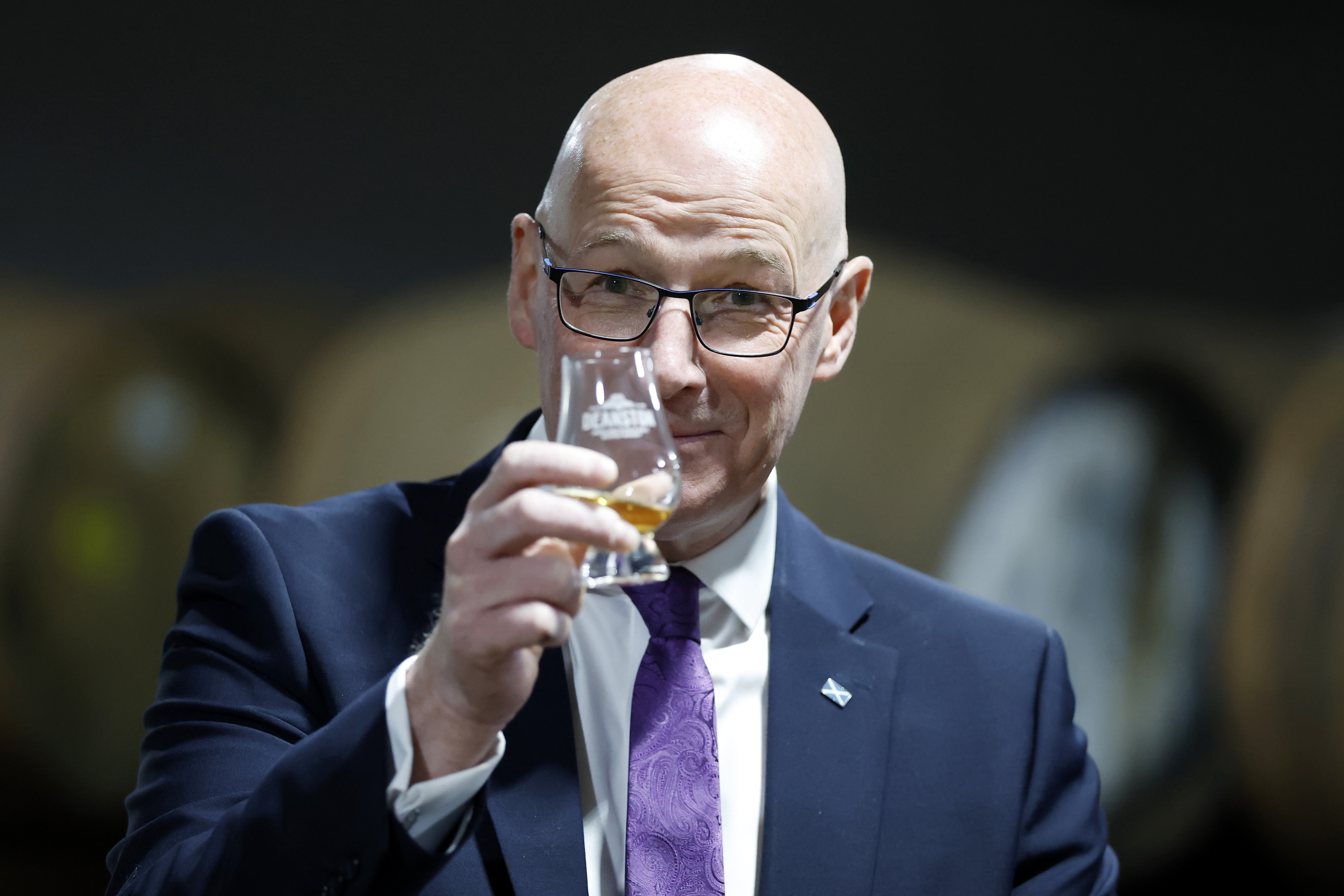
There was some good news for the sector earlier this year when the United States lifted tariffs on Scotch whisky.
Scotland exports more whisky to the US than to any other country, with the Scotch Whisky Association (SWA) saying the tariffs had cost the industry about £150m, with the US market worth about £933m in 2025.
 Getty Images
The US had originally imposed a 10% levy on Scotch whisky in April 2025, which had been due to increase earlier this year to 25% for single malts.
US President Donald Trump’s previous 25% Scotch tariff between 2019 and 2021 resulted in the sector losing more than £600m, or £1m a day, the SWA said.
What does the whisky industry want to see in the Budget?
The whisky industry says an increase on tax applied to bottles destined for the UK hasn’t helped their economic fortunes.
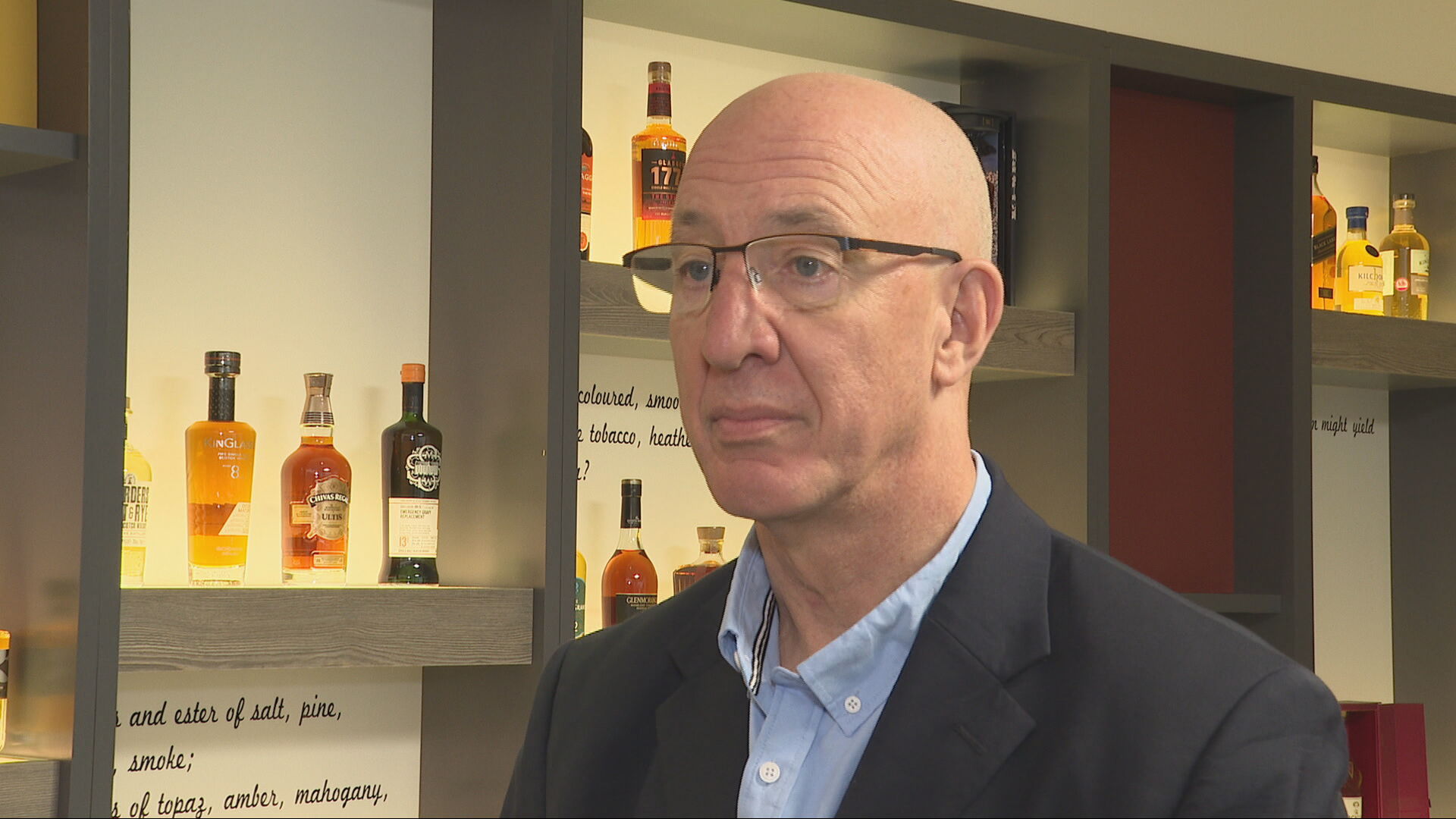
Mark Kent from the SWA told STV News: “70% of what you pay for a bottle is taxed. When you’ve got the tax at that sort of level, it has an impact on the consumer. Obviously, they’ll think twice about buying their favourite tipple.
 STV News
“It has an impact on the industry; the money that goes in taxes is not money that would have been there for investment and creating jobs. At the moment, what we’re seeing is a very difficult domestic situation in terms of the cost of doing business, and that is leading to pauses in investment and job cuts.”
Westminster said they won’t speculate on the upcoming Budget, but reiterated that job growth is a priority.
A HM Treasury spokesperson said: “The chancellor is fully focused on his priorities, to give families and businesses a bit of breathing space, back British jobs, and drive growth in every postcode, underpinned by a commitment to meet the fiscal rules.
“As has always been the case, decisions on tax are a matter for the chancellor to set out at fiscal events, rather than routinely commenting on rumour, speculation or proposals.”
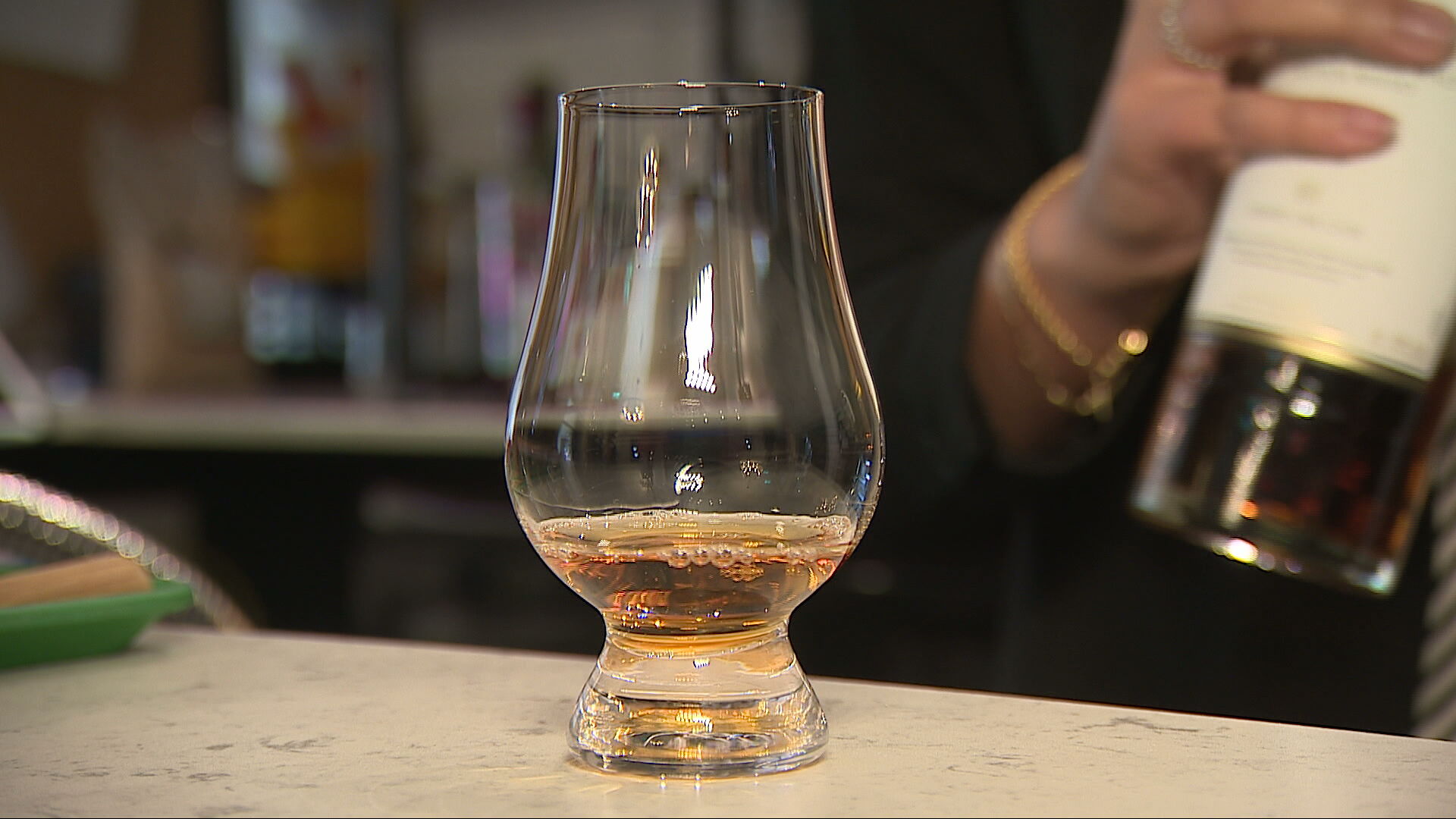
John from Arbikie says the excise duty on spirits is huge in the UK and makes it harder for the industry to grow.
 STV News
He told STV News: We’re competing worldwide as well. We’re competing against Japanese whisky, against different spirits, so it’s a big competitive disadvantage.
“I think one of the aspects of single malt, in particular in Scotland and Scotch whisky, is that it’s not just the distillers.
“There’s a whole support, there’s the farmers, there’s the maltsters, there’s the lorry drivers.
“It’s a large industry that brings a lot of money to Scotland and the UK as a whole.
“Therefore, to have such a competitive disadvantage in a changing world economy makes it much harder.”
Follow STV News on WhatsApp
Scan the QR code on your mobile device for all the latest news from around the country