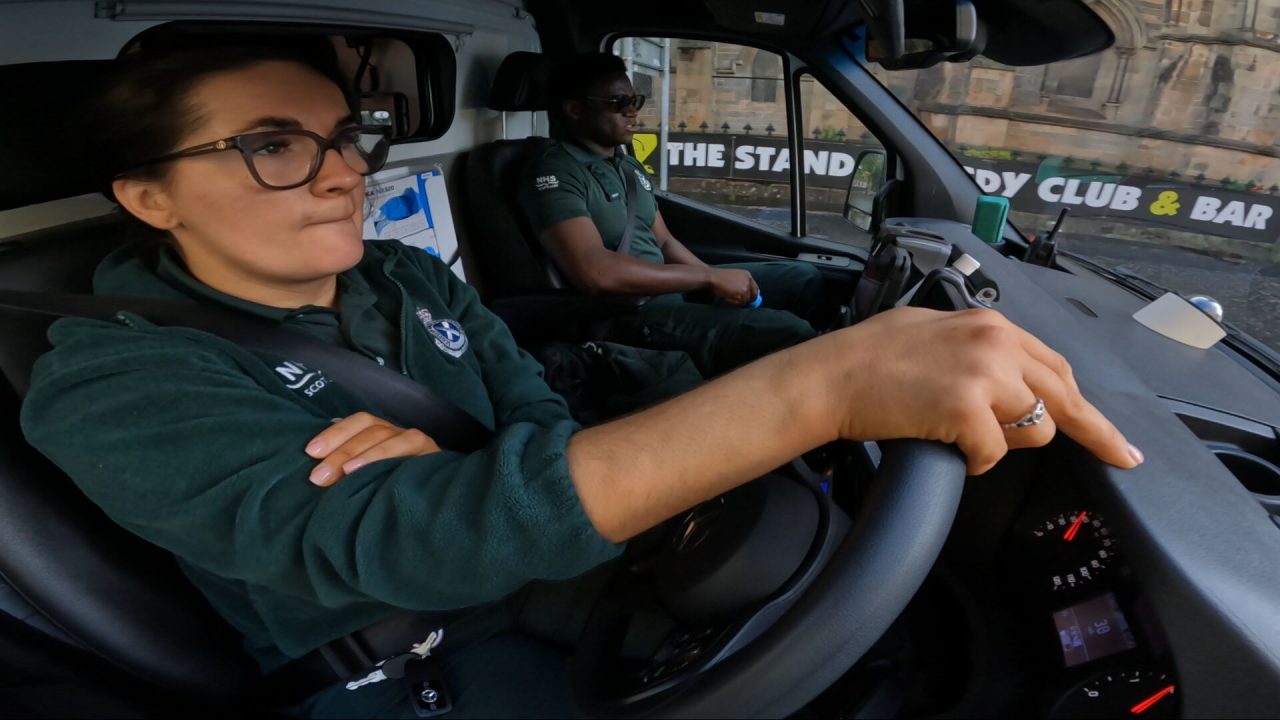
At 7am, the Glasgow West ambulance station is quiet.
Paramedics Maria Strain and Chanda Shula are checking over their ambulance, restocking equipment and preparing for another 12-hour shift.
Within minutes, the first call comes through from a student struggling to breathe.
The situation is quickly resolved and the patient is advised to see their GP later that morning. It is the kind of calm, routine call-out that rarely makes headlines.
But both paramedics know the next emergency could be very different.
Violence and abuse have become an increasingly common part of the job for ambulance crews across Scotland.
The Scottish Ambulance Service recorded 369 incidents of physical or verbal assaults against staff in 2024/25 – an 11% rise on the previous year.
Behind those figures are experiences that have left some staff physically injured, traumatised and questioning whether they can continue.
Maria has spent years working on the frontline and says she still loves the role.
“I couldn’t imagine myself doing anything different,” she told STV News.
But one shift changed her life for months.
Responding to a patient who was in a cocaine-induced psychosis, Maria attempted to carry out treatment in the back of an ambulance.
“He was a good 6ft and built like an absolute unit,” she recalls.
“I managed to get a cannula in him, but as I was doing it, he lifted both his feet and kicked me straight in the sternum.”
At first, she believed she had simply been winded. But shortly after arriving at Glasgow Royal Infirmary, doctors noticed she was struggling.
Maria explained: “When the doctor came back, he said: ‘You’ve got a fractured sternum.’”
The injury forced her out of work for six months.
Returning to frontline duties was difficult enough, but she found herself facing another violent confrontation just weeks later.
Crews had been dispatched to reports of a man not breathing. The patient was alive when they arrived, but appeared badly injured.
“When I asked if anybody had attacked him, the son became really aggressive,” said Maria. “He stormed into the kitchen, and you could hear him rummaging around.”
Moments later, he returned holding a serrated bread knife and said: “I’m going to kill you.”
For Chanda, the abuse has been different but no less damaging. “Thankfully, nothing physical has happened to me,” he said. “But verbally, there’s been a lot.”
That has included racist abuse and repeated threats of violence while trying to care for patients.
Chanda said: “I ended up taking time off work with PTSD because of consecutive incidents involving threats and abuse,” he says.
Both paramedics say drugs, alcohol and mental health crises are factors in many of the incidents they attend.
De-escalating situations can be extremely difficult, particularly when patients or relatives are intoxicated.
“It’s harder when somebody isn’t really on the same level as you because they’re under the influence,” Chanda explains.
“Sometimes people are frustrated because they’ve been waiting hours for help, but often you can talk that down. Other situations are much more unpredictable.”
The Scottish Ambulance Service says rising levels of abuse are having a direct impact on staff wellbeing and morale.
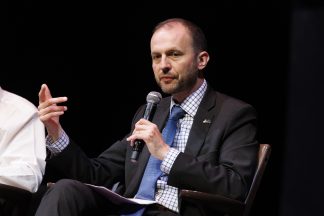
Michael Dickson, the organisation’s chief executive, described the latest figures as “significantly concerning”.
“This directly affects crews who are there for the public, often on the very worst day of their lives,” he said. “They should be able to do their jobs free from harm and abuse.”
Follow STV News on WhatsApp
Scan the QR code on your mobile device for all the latest news from around the country