
Scotland can still become the first country in the world to end HIV transmission but only if more is done to help people get tested and end stigma around the virus, according to a charity.
Latest figures show a slight increase last year in the number of people getting a ‘first-ever diagnoses’ of HIV in Scotland.
The Scottish Government has previously pledged to end HIV transmission in Scotland by 2030.
In 2025, 132 first-ever diagnoses were recorded in Scotland, an increase from 125 in 2024, although overall there has been a downward trend since 2019.
‘Stigma is the biggest issue’
 STV News
Emma McAnally was diagnosed with HIV ten years ago after contracting the virus from a previous partner.
She said: “We’ve come so far in terms of treatment and science about HIV but stigma is still the biggest killer of people living with HIV.
“When I was diagnosed, it was explained to me that I was still going to be able to do the things I was planning to do in life, like become a nurse, have children, so that gave me some reassurance that physically I was going to be okay.
“I was still going to be able to do the things I wanted to do in life, but I was very aware that stigma was the biggest issue.”
The mum-of-two now tries to tackle myths and misinformation about the virus through social media.
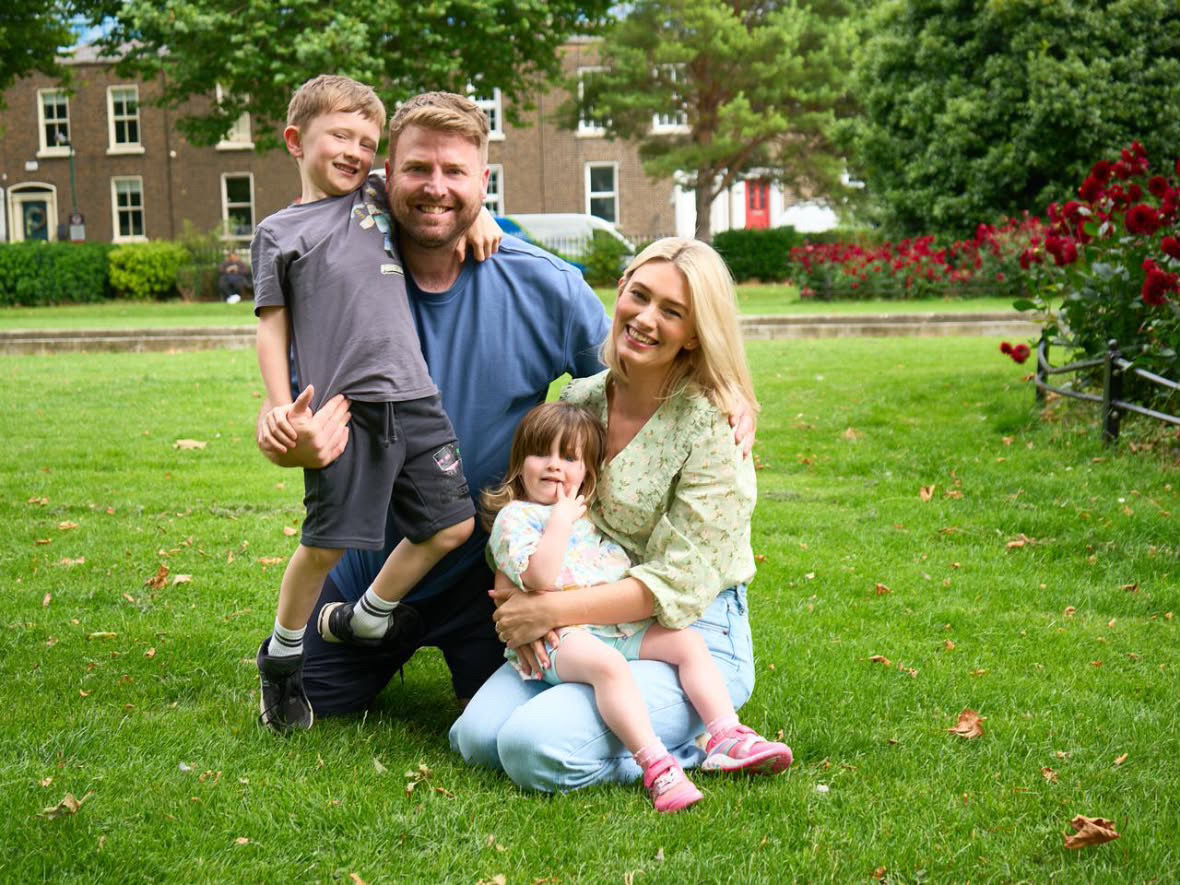 Emma McAnally
She added: “There was probably a time where I thought I was the only woman living with HIV. I didn’t know any other woman. I think in that moment I made a promise to myself that one day I would speak out about it.
“I wanted other women to know that they were also at risk and I also wanted people to know there was hope and you can live a very fulfilling life with a HIV diagnosis.”
Emma said one of the hardest elements of living with the virus was telling others.
She said: “When I left that relationship, that was something that was very much on my mind. How I am going to meet someone else and have those conversations?
“But I suppose self-acceptance is such a big part of that. I got to a point where I felt like if I’m going to be open and honest and if they aren’t accepting of that then that very much is a them problem.
“My partner was brilliant. He said he accepts all the things he knows and doesn’t know about me, so I think I have been very lucky I have met someone that has that level of understanding and acceptance of me as a person.”
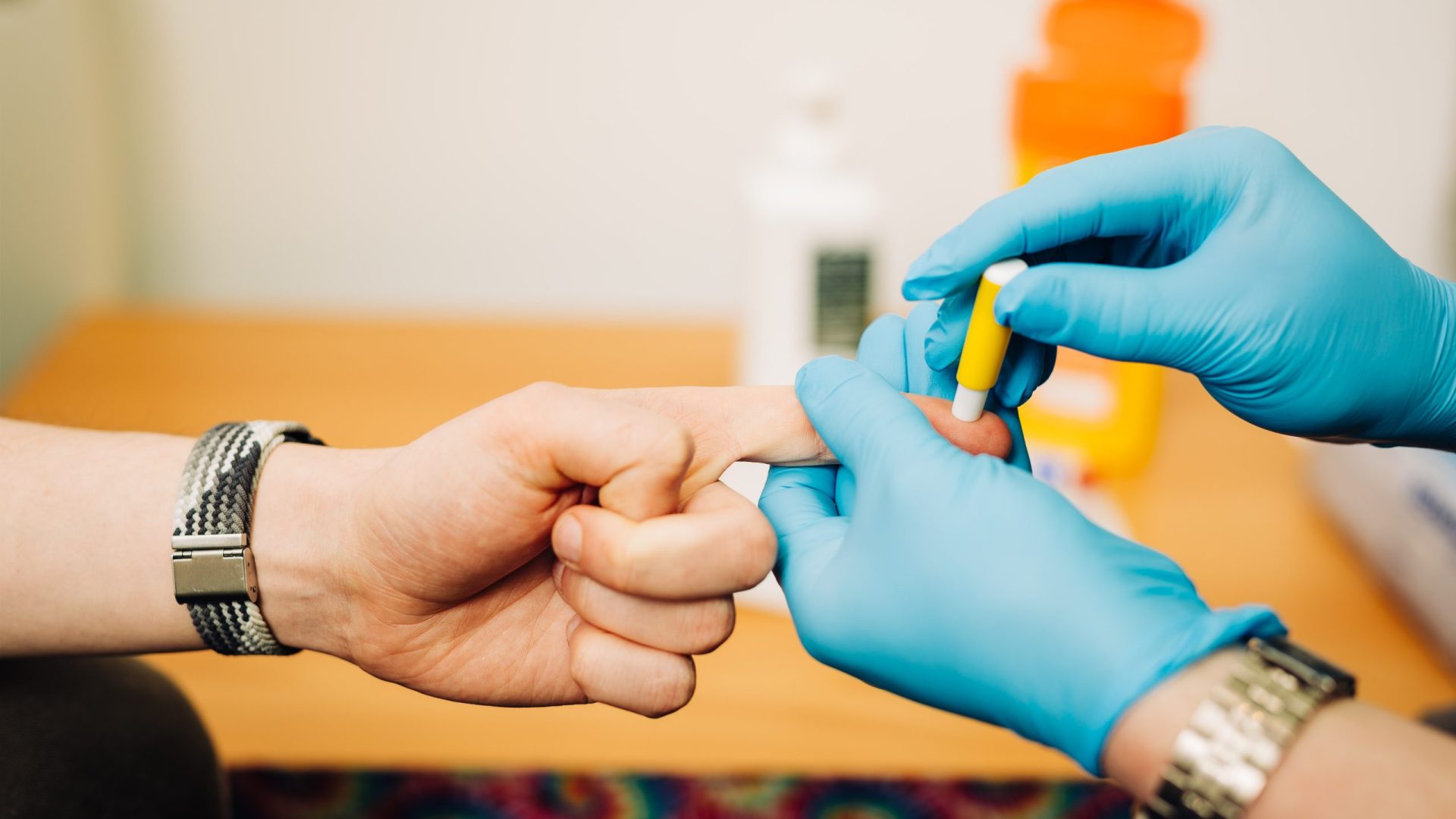 Waverley Care
Major advances have been made in testing, prevention and treatment of HIV in Scotland.
Although there is no cure for HIV, treatment for HIV involves taking a combination of anti-HIV (antiretroviral) drugs. They work by stopping the virus multiplying in the body and allow the immune system to repair itself.
The goal of HIV treatment is so the person living with HIV has an ‘undetectable viral load’, this helps keep the person’s immune system strong and HIV can’t be passed it on.
This concept is known as Undetectable = Untransmittable(U=U).
‘It is normal nowadays to live well with HIV’
 STV News
Grant Sugden, chief executive of the charity Waverley Care said, said: “Today thanks to the amazing treatments we have for HIV people can live a normal life expectancy. We have something called U=U, which means if you are living with HIV and on treatment and you are undetectable then you cannot pass the virus on to your sexual partners.
“We have really seen massive medical advances, and it is very normal nowadays to live well with HIV and to live a good quality life, but I think the biggest challenge we still face is stigma and unfortunately too many people have outdated knowledge and attitudes around HIV so the public knowledge hasn’t kept pace with the medical advances we’ve seen over the past 40 years.”
Pre-exposure Prophylaxis, or PrEP is a medication taken to prevent HIV infection and it has been available through the NHS in Scotland since 2017.
Last year, 2,395 people in Scotland accessed PrEP for the first time, an average of 200 people every month, that is lowest number of people prescribed PrEP since 2022.
Grant added: “We have been very lucky in Scotland to have the Government’s commitment, so they committed back in 2020 to end new HIV transmissions by 2030, we’ve had an HIV plan, we were delighted to hear the public health minister recommit to a new plan.
“It really is realistic; Scotland could be one of the first nations in the world to end new HIV transmission but we need to keep up the progress, we need to do more to make sure everybody gets tested, everybody who needs it has access to PrEP and everyone living with HIV has access to the treatment they need.”
Scottish Government insists it will meet its 2030 target to end transmission.
It has previously announced patients at several emergency departments in Scotland will routinely be offered testing for HIV, Hepatitis B and C.
 Emma McAnally
Public Health Minister, Maree Todd said: “Scotland has an ambition, like many countries around the world, to eradicate transmission of HIV by 2030.
“We have done really well, we have got half the number of new cases transmitted in Scotland since 2019.
“We are on the last leg of that journey and the data published shows us that we’re doing well.”
She added: “If you get a HIV test and it is positive, don’t worry. There is treatment available and the vast majority of people who are diagnosed get treated and transmission risk is eradicated.
“At the moment, what we are looking at is very carefully where we need to invest money to have the maximum impact, at the moment I’m looking very carefully about how I make PrEP more accessible.
“We have the emergency department opt out testing in five hospitals across Scotland, we will look very carefully at the data from that and make a decision how to roll that out across Scotland whether that is a good value for money investment.”
Follow STV News on WhatsApp
Scan the QR code on your mobile device for all the latest news from around the country