Survivors of domestic abuse are calling for more support for women when they leave a relationship and in the aftermath.
Scottish campaigners warn leaving an abusive partner is one of the most dangerous moments in a woman’s life.
Recent cases involving women who have been killed or seriously injured by former partners have renewed concerns about the risks survivors face after leaving an abusive relationship.
The warning comes as police continue to deal with more than a thousand recorded incidents of domestic abuse every week in Scotland.
‘He told me he didn’t need consent as my partner’
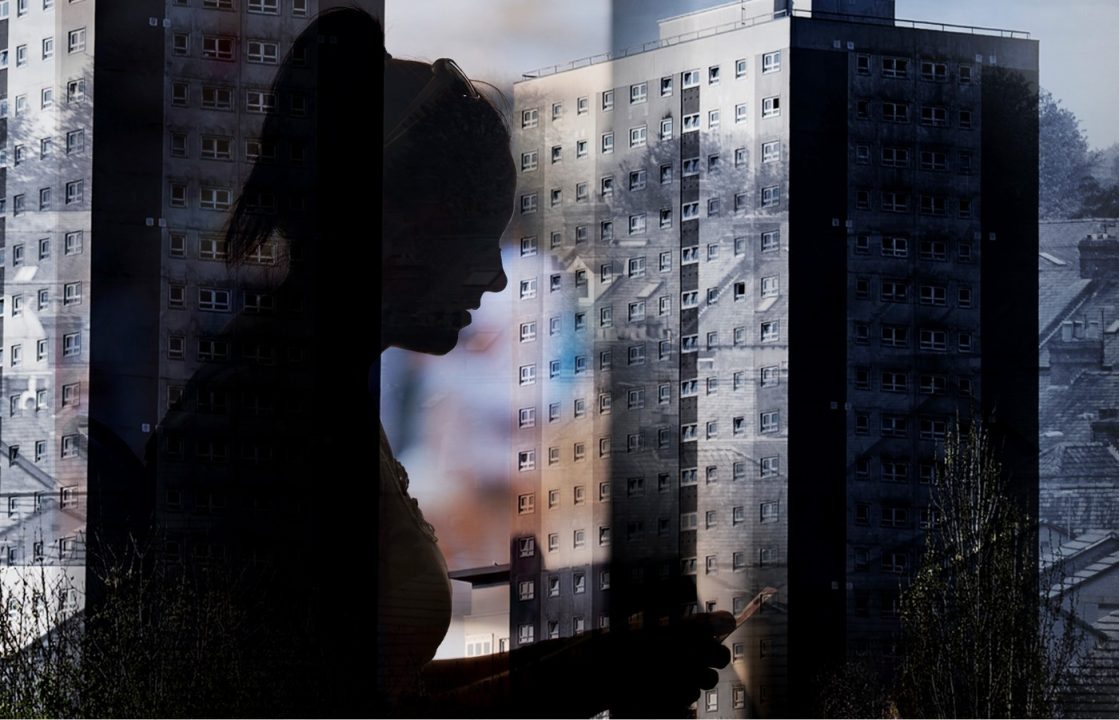
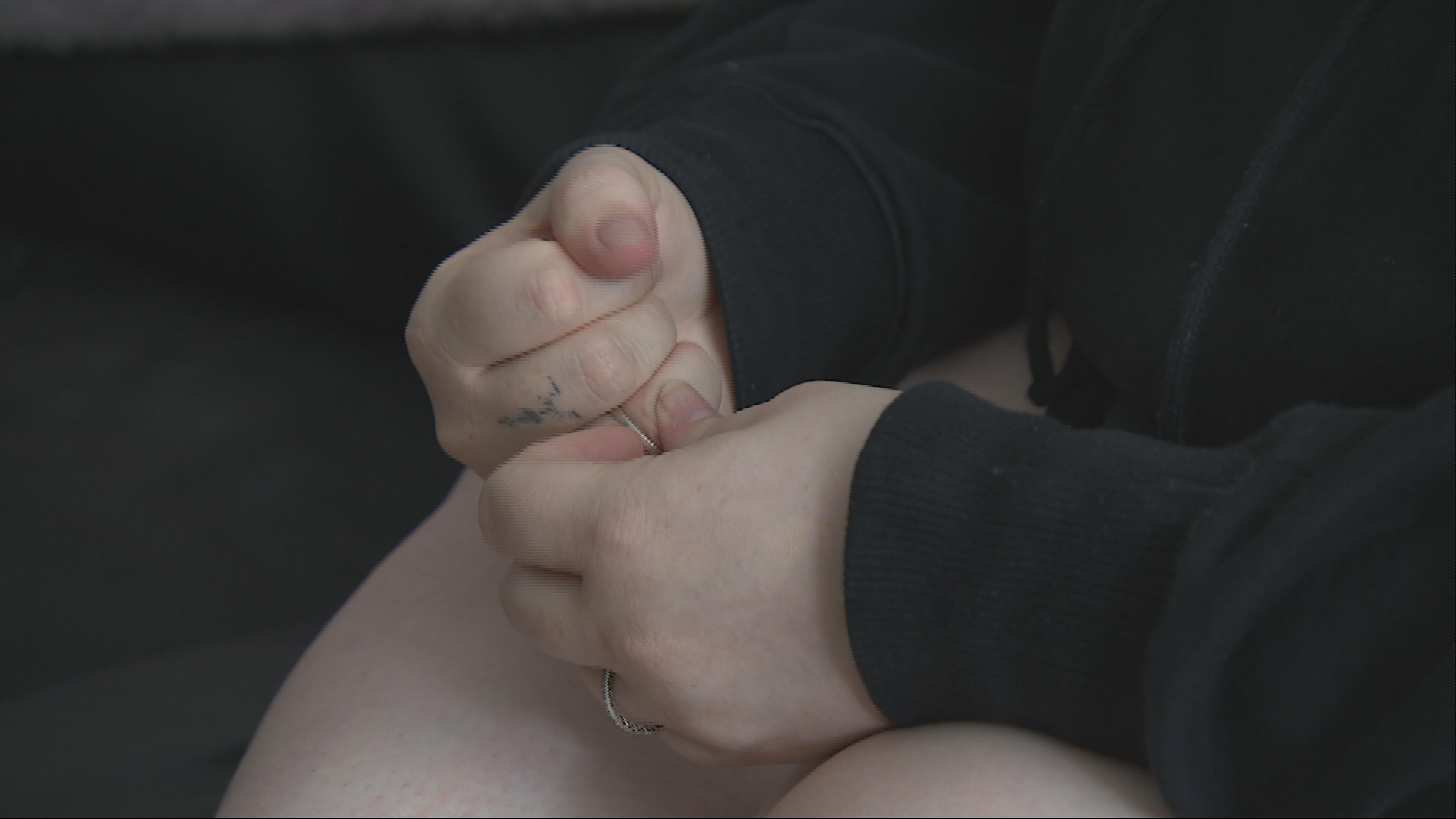
Sophie, from Dunfermline, was 19 when her partner of six years secretly filmed himself sexually abusing her while she slept.
She discovered a series of videos on his phone while transferring photos from a day out.
“I first thought he’d put his phone in his pocket and accidentally had it on record, but there were videos of when I’d been out at a party, came home really drunk and I’m passed out lying on the bed face down,” she told STV News.
“You don’t know how to feel or make it make sense in your head. The person I’ve been with all these years, how could I not have known he would do that? It’s a feeling I can’t put into words.”
She said he manipulated her into believing sexual assault was not possible within a relationship.
 STV News
“He made me feel like it was a mistake that he’d made, that people go through this, that I shouldn’t have been upset or worried about it or thought anything of it,” Sophie said.
“He made me feel that it can’t be sexual assault if you’re dating a person, that you’re automatically giving consent when you’re in a relationship with a person, which is obviously not true. I think that’s why I stayed with him for so long.
“It took until after I went to the police to realise what had happened.”
Sophie says the assault was part of a broader pattern of coercive control which included making it very difficult to leave.
Her ex restricted her to part-time work, tracked her location using an app and isolated her from friends and family.
“There were times I tried to leave but it wasn’t really an option. We lived together and I was scared of being financially in a position where I couldn’t afford my mortgage or afford bills, things like that,” Sophie said.
“He would always remind me if I left him, what would I do? I wouldn’t be able to pay for my own fuel, my own bills.
“Because he pulled me away from all my friends and family for a long time, he’d also say things like, ‘what friends have you got to fall back on? What family have you got left?’ Because I didn’t speak to anybody.
“I was by myself and that was my life, just me and him for years.”
The tipping point came when Sophie met up with a high school friend after work. Her partner bombarded her with 40 phone calls in an hour, demanding she come home.
Supported by her friends, who recognised the behaviour as abuse, she left – enduring weeks of unwanted letters and gifts to her home before reporting him to the police.
She said she felt she was not believed during police interviews.
“It was dehumanising,” Sophie said. “I’d shown a police officer a video and they said, ‘are you sure that was sexual assault, and are you sure you didn’t say yes before you fell asleep’?”
‘I wasn’t safe then – and I’m not safe now’
The man was ultimately jailed, but Sophie says she received little support after the court case concluded.
Despite securing a non-harassment order, Sophie continues to fear for her safety following his release from prison.
She says she has had no contact from support services or the police regarding his release; instead, she found out through Facebook that her ex is living in a property round the corner from her own home.
“I’ve just been told he’s on home leave now, get on with it. That’s not protection,” Sophie said.
“Every day I leave the house, go to work or go swimming, but what if he’s in the street? I don’t know what he’d do, what he’d say.
“A year isn’t going to change a person who sexually assaulted me and abused me for six years. He’s not a different person now.”
 Police Scotland
Sophie’s experience reflects a pattern seen across Scotland, with a number of recent cases involving women who were killed or seriously injured by former partners.
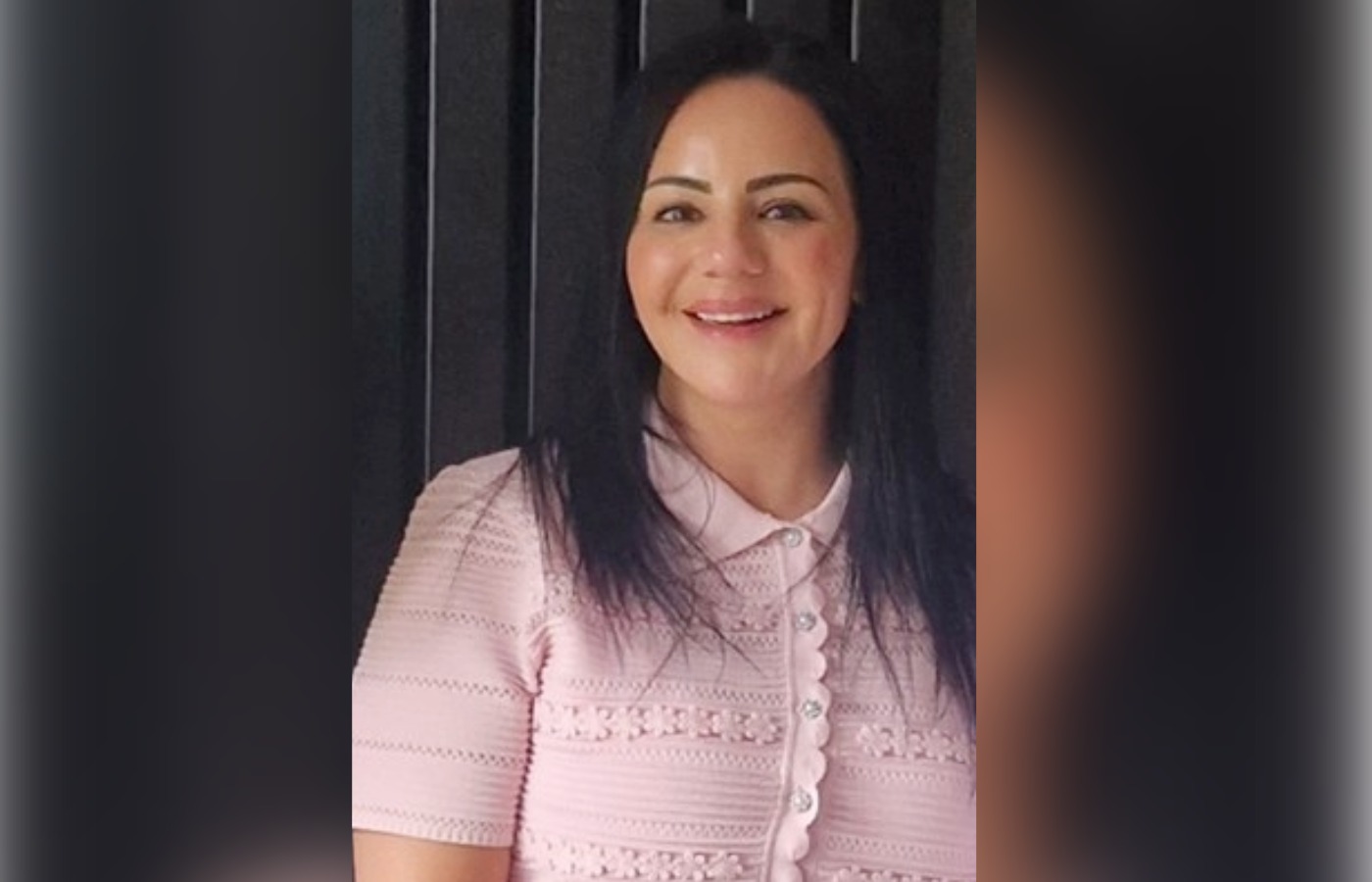
Last month, Edinburgh mum Vikki Soloman was found dead at her home in Edinburgh – her ex was charged with murder but then took his own life while on remand.
 STV News
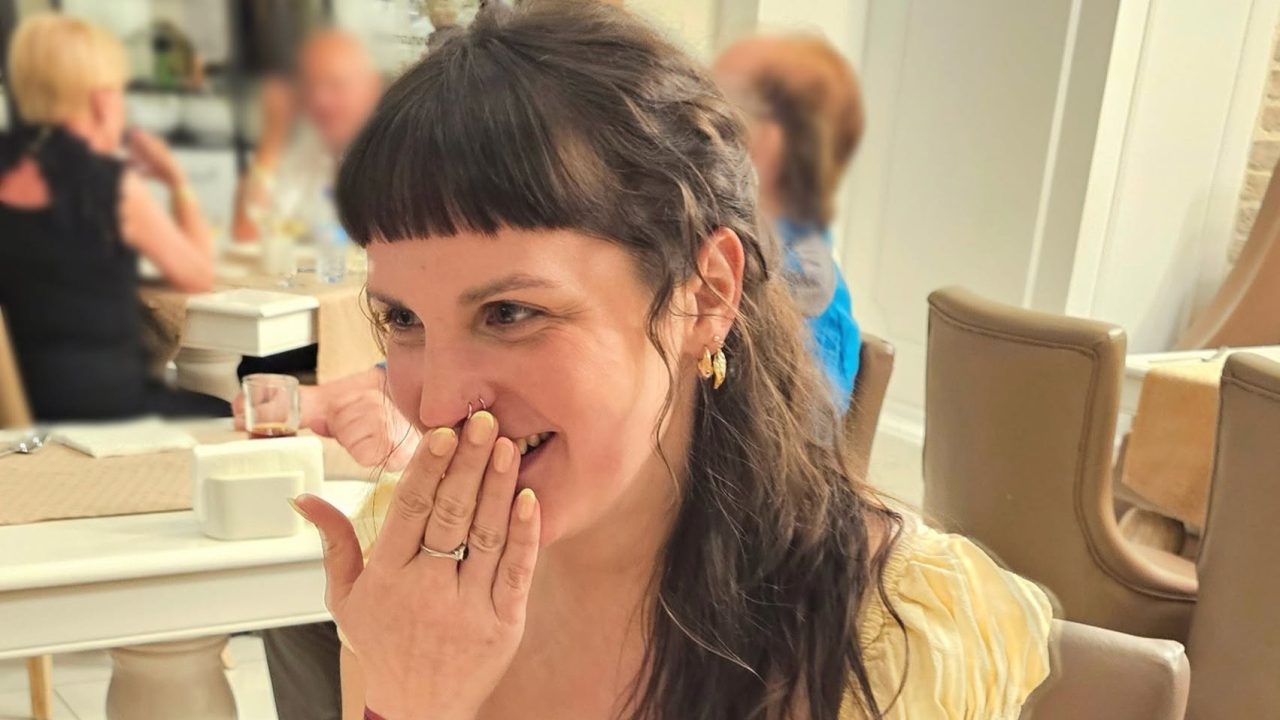
In Renfrewshire, Stacy Mair died along with her estranged husband in a suspected murder-suicide, weeks after he had been charged with assaulting her.
Mum-of-three Samantha Lee was murdered with a hammer by her former partner in Aberdeen after breaching a court order banning him from going near her.
 Police Scotland
Danielle MacDonald, from Edinburgh, survived an attempted murder by her ex-husband after they’d split up.
‘The system enforces rights for the abuser’
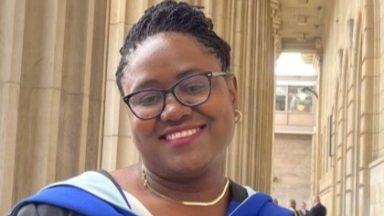
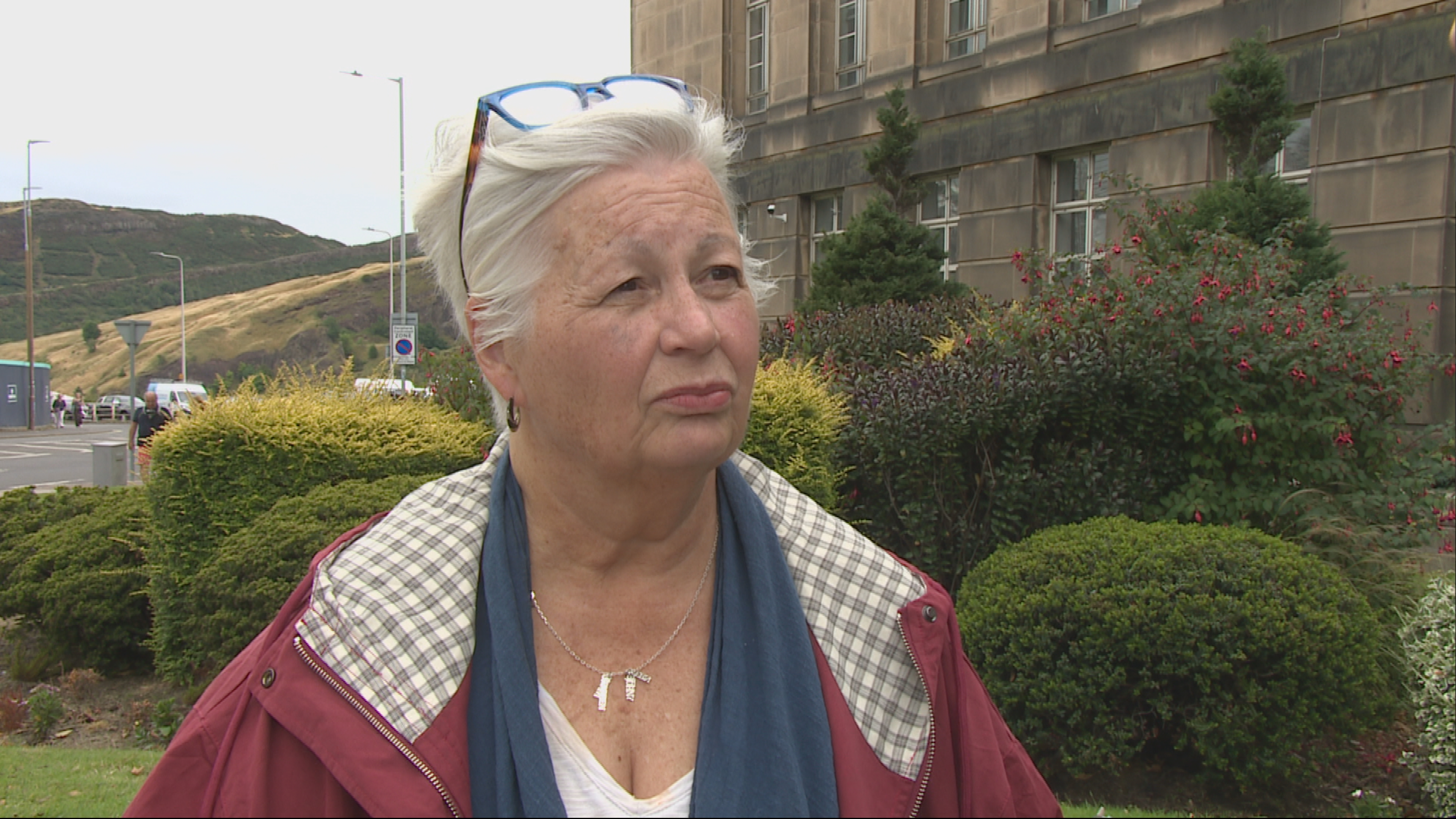
Dr Marsha Scott, chief of Scottish Women’s Aid, says not enough is being done to protect women and children when they take the step to leave.
“So much evidence shows one of the most dangerous things a woman can do is signal she is removing herself from an abuser’s control.
“Whether that’s while she’s still in the relationship trying to get out, whether they’re no longer living together, or through post-separation abuse, it is a hugely dangerous time.
“Yet the system is set up to enforce rights for the abuser, not protect women and children.”
 STV News
Dr Scott pointed out non-harassment orders and other protection orders are not always enforced robustly when breached, leaving women feeling unsafe even when legal protections are in place.
She also said joint rent arrears can prevent survivors from accessing housing after leaving an abusive relationship.
“So many women have said to us the main reason they wind up back with the perpetrator is because they can’t put a roof over their heads and their children’s heads,” Dr Scott told STV News.
“What we need to do is not dance around the low-hanging fruit and pick the things on the outside and say how hard we’re working on domestic abuse.
“We need to go to the core of what’s causing domestic abuse and be ambitious.”
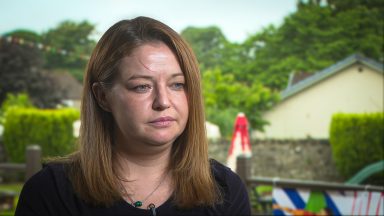


Lynsey French, founder of Safe Family Courts Scotland, added that abusers frequently weaponise the justice system to target victims.
“Sadly, it’s more common than anyone would want to acknowledge,” she said.
“The mechanism allows perpetrators to repeat motions, repeat litigation, pull women back to court and keep them in perpetual survivor mode, unable to fully heal from the abuse they suffered in relationships because it gets resurrected.
“It makes it so much harder for those families to process what’s happened to their loved ones when they don’t see that sense of justice being served, as the perpetrator can influence the narrative and situation, escaping any accountability for their actions and making that one final act of control.”
She said women are forced to carefully consider how to leave their abusive partner.
“Every woman I’ve spoken to through our campaign had a plan,” Ms French told STV News.
“It wasn’t a situation where they could just sit down, have a conversation and leave amicably. They had to be calculated to preserve theirs and their children’s safety.
“Any relationship based on elements of control, intimidation, coercive behaviour, emotional or psychological abuse are high markers for future violent behaviour.”
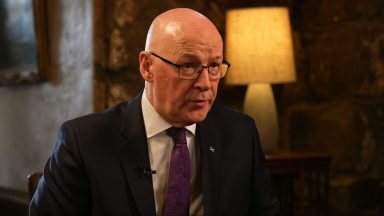
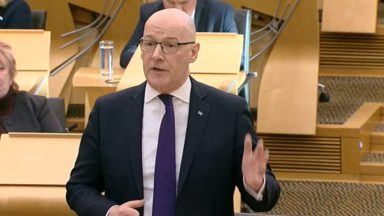
The First Minister has described domestic abuse as a pandemic and says he is personally committed to tackling male violence against women.
Minister for victims and community safety Kirsten Oswald said protecting women facing abuse is a “priority”.
Almost £46m is being invested in the government’s Delivering Equally Safe Fund over the next two years to provide support to survivors along with £2m for the Fund to Leave for women and children.
“I recognise the concerns raised about the risks women often face after leaving an abusive partner. My thoughts are with all those who have experienced this trauma and fear,” she said.
“We have introduced a revised bail test so that courts are required to consider the protection of victims from both physical and psychological harm when making bail decisions, legislated to strengthen confidence in the justice system and taken action to ensure that police, prosecutors and the courts have the powers they need to bring perpetrators to justice.
“The First Minister has personally committed to tackle this issue and drive cultural change among men and boys, improve support for victims, strengthen public services to ensure men who abuse and control women are held accountable for their actions.”
Sophie is getting on with life and trying to look forward to the future – but she admits her ordeal has left a lasting psychological mark on her.
“It’s definitely impacted relationships I have with friends and family,” she said. “I don’t know what other people’s intentions are.
“He manipulated me for so long. I think that, if someone who loved me could do that to me, anybody could.
“I wasn’t safe before, so how could I say I’m safe now?”
Help and support is available now if you need it.
Support is available 24 hours a day, seven days a week on Scotland’s Domestic Abuse and Forced Marriage Helpline. You can call 0800 027 1234 or text/WhatsApp 07401288595.
The Samaritans can be contacted any time, from any phone, free on 116 123, email at jo@samaritans.org, or visit samaritans.org to find your nearest branch. Details of other services and more information can be found on the NHS website here.
Follow STV News on WhatsApp
Scan the QR code on your mobile device for all the latest news from around the country